Recycled Asphalt Pros and Cons: Key Considerations for Driveways and Pavement
Published on: April 1, 2026 | Last Updated: April 14, 2025
Written By: George Voss
Recycled asphalt (RAP) is repurposed pavement made from crushed roads, parking lots, or driveways. It uses the same core materials as new asphalt—stone aggregates and bitumen binder—but skips the energy-heavy manufacturing process. Popular for resurfacing projects, RAP cuts costs by 20-30% versus virgin asphalt and diverts 90 million tons of waste from landfills yearly. Yet it may crack faster in freezing climates and requires expert compaction during installation. Choosing RAP means weighing its eco-friendly price tag against potential maintenance needs.
This guide explores recycled asphalt’s cost savings, durability factors, and environmental perks. Compare RAP to gravel in longevity and upkeep. Learn why 94% of reclaimed asphalt gets reused in U.S. road projects. Get pro tips on preventing cracks, controlling weeds, and finding local suppliers. We’ll break down price per ton data, lifespan expectations, and real-world performance in different climates.
Contents
- What is Recycled Asphalt?
- Pros Of Recycled Asphalt
- Cons Of Recycled Asphalt
- Recycled Asphalt Vs. Gravel: Key Differences
- Cost Analysis Of Recycled Asphalt Driveways
- Longevity and Durability Of Recycled Asphalt
- Environmental Impact Of Recycled Asphalt
- Installation and Maintenance Considerations
- Common Problems With Recycled Asphalt Driveways
- Frequently Asked Questions
- Closing Thoughts
- Additional Resources for You:
What is Recycled Asphalt?
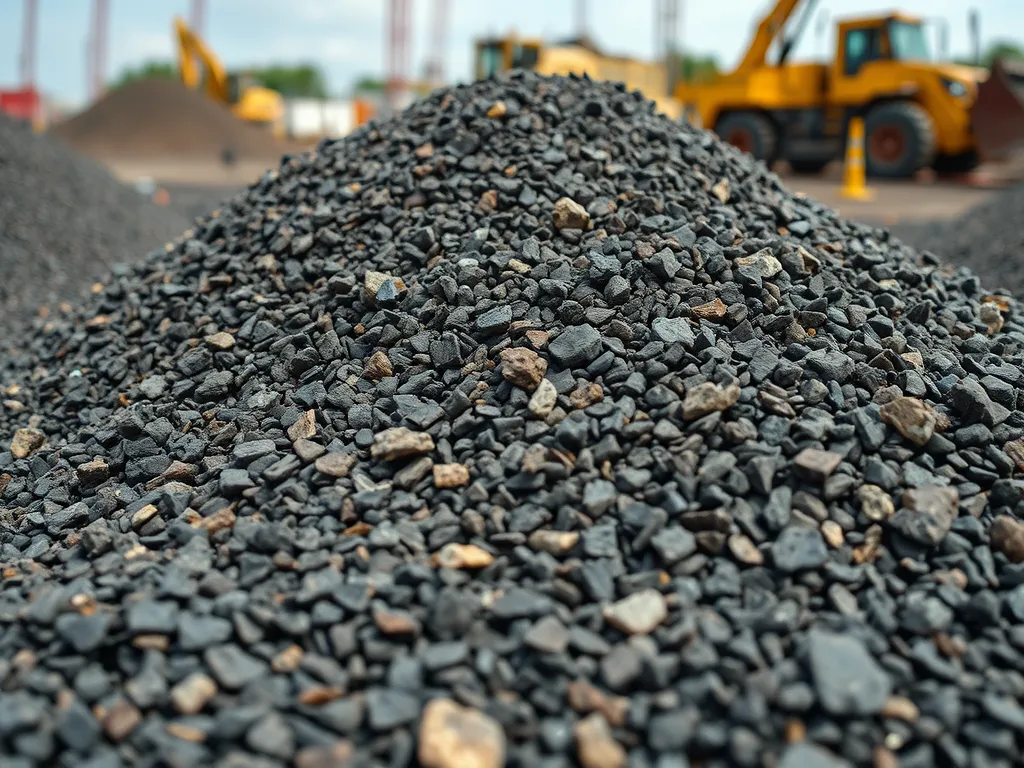
Recycled asphalt gives old roads new life. Contractors mill existing pavements, crush chunks into smaller pieces (called RAP – Recycled Asphalt Pavement), then mix with fresh bitumen or binding agents. This process transforms worn-out surfaces into usable material for paving projects.
Over 95% of asphalt from roads gets reused in new builds. RAP contains original aggregates and aged bitumen. It works for driveways, parking lots, and road bases. Mills typically charge $10-$20 per ton for processed material – half the cost of virgin asphalt.
This material supports sustainability goals by cutting resource use. Each ton of RAP saves 2 cubic yards of landfill space. It also avoids mining new aggregates, preserving natural stone reserves. Modern plants blend up to 30% RAP with virgin mixes without losing structural integrity.
Now that we’ve covered the basics, let’s look at why this material is gaining traction.
Pros Of Recycled Asphalt
Repurposed asphalt offers distinct advantages for paving projects. These benefits range from financial savings to reduced environmental strain.
Cost-effective Solution
Recycled asphalt millings cost $15-$30 per ton – 30-50% cheaper than new asphalt ($50-$80 per ton). Local sourcing slashes transportation fees, with most suppliers within 50 miles of project sites. Contractors typically charge $2-$5 per square foot installed, compared to $4-$7 for traditional mixes.
Environmental Sustainability
The U.S. recycles 90 million tons of asphalt annually, diverting 95% from landfills. Reusing existing materials cuts virgin aggregate demand by 90% and lowers production emissions by 20%. Projects using RAP (Recycled Asphalt Pavement) often qualify for LEED credits due to reduced resource consumption.
Ease Of Installation
Cold mix asphalt millings install faster than hot mixes. No heating required allows compaction at 200°F versus 300°F for virgin asphalt. Crews can lay 500-700 square feet per hour versus 300-400 feet with traditional methods. The material cures fully within 24-48 hours in dry conditions.
Reduced Maintenance Needs
RAP’s residual bitumen content (3-7%) creates self-binding properties that resist cracks. Properly compacted driveways require sealcoating only every 3-5 years versus 2-3 years for standard asphalt. Studies show millings-based surfaces last 15+ years with minimal potholes when installed at 4-6 inch depths.
While recycled asphalt offers multiple benefits, certain limitations require careful evaluation. Let’s examine potential drawbacks for balanced decision-making.
Cons Of Recycled Asphalt
While recycled asphalt offers clear benefits, it has trade-offs. Let’s break down key limits to weigh before picking this material.
Potential Durability Concerns
Recycled asphalt may wear faster than new mixes. The aged binder loses strength, leading to cracks in 5-8 years versus 15+ for fresh asphalt. High RAP (recycled asphalt pavement) blends over 30% show 20% more rutting under heavy trucks. Poor compaction during install cuts lifespan by up to 40%.
Temperature Sensitivity
Heat and cold hit recycled asphalt harder. It softens at 90°F+, risking tire ruts in hot zones. Below 32°F, cracks spread 30% faster than virgin mixes. Old PG (Performance Grade) binders may not meet local climate needs. Install between 50-85°F for best results.
Maintenance Challenges
While low-cost at first, recycled asphalt needs more upkeep. Seal every 2-3 years vs. 4-5 for new pavement. Unsealed surfaces erode 50% faster. Weeds sprout through cracks 2x as often. Drainage flaws cause potholes in 3-5 years without proper slope.
Limited Aesthetic Appeal
Recycled asphalt lacks curb appeal. Its gray, patchy look clashes with landscaped yards. Surface texture stays rough even after rolling. Fades to dull charcoal in 12-18 months. Not ideal for front driveways or high-end jobs.
We’ve seen the downsides—but how does recycled asphalt stack up against gravel? Let’s compare cost, looks, and function head-to-head.
Also See: Cold Mix Asphalt for Maintenance Of Unpaved Roads
Recycled Asphalt Vs. Gravel: Key Differences
Choosing between recycled asphalt millings and gravel requires weighing functional needs against budget. Both materials serve driveways and pathways but differ in cost, lifespan, and upkeep demands.
Cost Comparison
Recycled asphalt costs $10–$20 per ton, while gravel ranges $15–$30. Upfront savings favor asphalt millings, especially with local availability reducing transport fees. Gravel requires frequent top-ups every 2–5 years, adding $200–$500 per load. Asphalt needs minimal replenishment but may demand sealcoating every 3–5 years at $0.15–$0.25 per square foot.
- Initial costs: Recycled asphalt wins for budget projects
- Long-term costs: Gravel’s maintenance adds up faster
- Labor: Professional grading raises gravel costs by 20–30%
Longevity and Performance
Compacted recycled asphalt forms a semi-solid surface lasting 10–15 years. Gravel shifts under weight, creating ruts and requiring annual regrading. Asphalt handles freeze-thaw cycles better but softens above 120°F. Gravel drains faster (permeability rate of 12–18 inches/hour vs. asphalt’s 5–8 inches/hour), reducing pooling but increasing erosion risks.
- Load capacity: Asphalt supports 4,000–8,000 PSI vs. gravel’s 1,500–3,000 PSI
- Weather resistance: Asphalt cracks below 20°F; gravel washes out in heavy rain
- Surface stability: Asphalt resists potholes; gravel scatters under tires
Installation and Maintenance
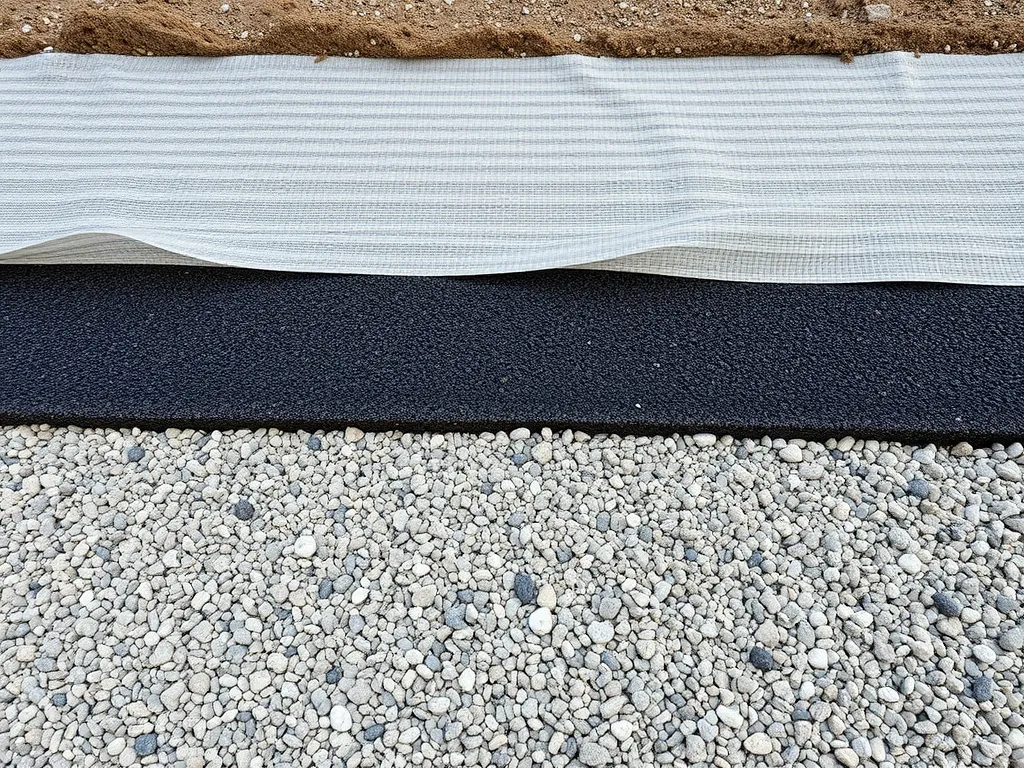
Recycled asphalt requires a vibratory roller for compaction, often needing pro installation ($3–$7 per square foot). Gravel can be DIY-spread but demands monthly raking. Weed growth affects both: asphalt needs crack sealing, while gravel requires geotextile fabric ($0.40–$0.80 per square foot) beneath layers.
- Time: Asphalt setup takes 1–3 days; gravel settles over weeks
- Tools: Rent compactors ($150/day) for asphalt vs. shovels for gravel
- Repairs: Fill asphalt cracks with cold-patch; replace washed-out gravel
With cost and performance factors clarified, let’s break down financial planning for recycled asphalt driveways.
Cost Analysis Of Recycled Asphalt Driveways
Recycled asphalt offers budget-friendly options for driveways while maintaining structural integrity. Let’s break down the numbers.
Price Per Ton Vs. Traditional Asphalt
Recycled asphalt costs $10-$20 per ton, compared to $50-$150 for virgin asphalt. Contractors save 30-50% on material expenses alone. Lower heating requirements during installation cut labor costs by up to 25%. For a standard 600-square-foot driveway, expect to pay $1,200-$2,500 using recycled millings versus $3,000-$6,000 for traditional mixes.
Long-term Savings Potential
Recycled asphalt driveways reduce recurring expenses. Properly compacted surfaces last 15-20 years with minimal repairs. Annual maintenance averages $0.25-$0.50 per square foot—50% less than gravel. Energy savings from reduced production reach 21%, per the Federal Highway Administration. Some states offer tax credits for using Recycled Asphalt Pavement (RAP), adding $500-$2,000 in project incentives.
These financial benefits make recycled asphalt a strong contender for cost-conscious projects. Up next: how material quality and installation methods impact pavement lifespan.
Longevity and Durability Of Recycled Asphalt
Recycled asphalt offers a unique balance between environmental benefits and structural performance. While its durability often matches virgin asphalt when properly installed, lifespan depends on material quality, climate conditions, and maintenance practices.
Expected Lifespan for Driveways
A recycled asphalt driveway typically lasts 15-20 years with routine care – slightly less than traditional asphalt’s 20-30 year range. High RAP (Reclaimed Asphalt Pavement) mixes containing 20-30% fresh binder extend service life. Proper compaction and annual sealcoating with asphalt emulsion can add 3-5 years to this timeline.
Factors Affecting Durability
Three key elements determine recycled asphalt’s resilience:
RAP Percentage: Mixes exceeding 30% reclaimed material may lack sufficient PG (Performance-Graded) binder for heavy traffic or extreme temperatures.
Climate: Freeze-thaw cycles accelerate surface erosion, while UV exposure degrades binders over time. Regions with temperature swings above 70°F daily require polymer-modified binders.
Installation Quality: Achieving 92-95% compaction density (measured by modified Proctor tests) prevents premature settling. Poor base preparation or inadequate drainage cuts lifespan by 40%.
Annual crack sealing and biennial sealcoating maintain surface integrity. Neglecting these steps reduces longevity to 8-12 years.
While recycled asphalt’s durability hinges on these variables, its environmental advantages remain constant. Next, we’ll examine how repurposing asphalt impacts ecosystems and carbon emissions.
Environmental Impact Of Recycled Asphalt
Repurposing old pavement creates measurable environmental wins. Every ton of recycled asphalt millings (RAP) keeps 77 pounds of bitumen out of landfills. Let’s break down how this process benefits ecosystems.
Reduction in Landfill Waste
The asphalt industry recycles 99% of its reclaimed material. Over 90 million tons of RAP get reused annually in U.S. road projects. This cuts landfill demand by 21 cubic yards per 10 tons of recycled material. Old parking lots and driveways become new pavement instead of trash mounds.
Lower Carbon Footprint
Mixing RAP with fresh asphalt slashes CO2 emissions by 20%. No virgin aggregate mining means 40% less diesel burned in excavation equipment. Hot-mix plants using RAP also trim fuel use – producing 1 ton of recycled asphalt needs 19% less energy than virgin mix. These savings prevent 3.2 pounds of greenhouse gases per square yard of pavement.
While environmental benefits are clear, performance hinges on proper installation methods. Let’s explore how to maximize durability during the paving process.
Installation and Maintenance Considerations
Recycled asphalt offers cost perks and green benefits but needs smart setup and care. How you lay and treat it shapes its lifespan and function.
Proper Compaction Techniques
Crushed recycled asphalt must be packed tight. Use a 10-ton vibratory roller at 150°F+ for best bonds. Each layer stays under 6 inches thick. Skip this step, and you risk dips, cracks, or washouts in 2-5 years. Hot days boost the binder’s stickiness for firm ground grip.
Recommended Sealcoating Practices
Shield surfaces with coal tar sealant every 24 months. One gallon covers 80-100 sq ft. Apply in dry, 50°F+ weather to block water harm and UV fade. Unsealed millings lose 30% faster to wear and tear. Budget $0.15-$0.25 per sq ft for pro jobs – half the cost of fresh asphalt sealing.
Smart install cuts recycled asphalt cons like rutting or cracks. But what happens when issues pop up despite good prep? Let’s explore common trouble spots next.
Common Problems With Recycled Asphalt Driveways
While recycled asphalt offers budget and environmental benefits, it presents unique challenges for driveway applications. These issues stem from material composition and aging binders in reclaimed pavement (RAP).
Surface Erosion Issues
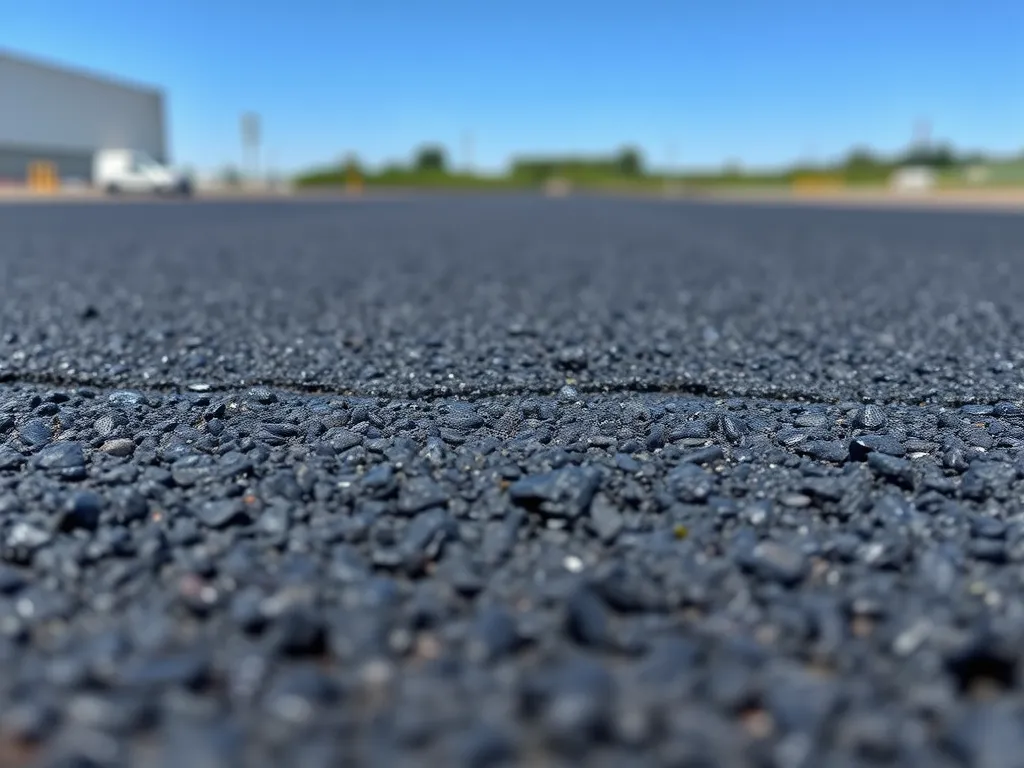
Loose aggregate in recycled asphalt millings increases erosion risks. Without proper compaction or edge restraints, heavy rain can displace 10-15% of surface material within the first year. Unlike fresh asphalt’s tight polymer bonds, aged bitumen in RAP provides weaker cohesion—leading to faster gravel loss on sloped driveways exceeding 5% grade.
Weed Growth Potential
Gaps between millings create ideal conditions for invasive plants. Studies show 30% more weed penetration in recycled vs. virgin asphalt surfaces. Organic matter trapped during recycling combines with wind-blown seeds to fuel growth. While sealcoating reduces this risk, it adds $0.50-$1.50 per square foot to maintenance costs—a key factor in recycled asphalt driveway pros and cons debates.
Seasonal Cracking Risks
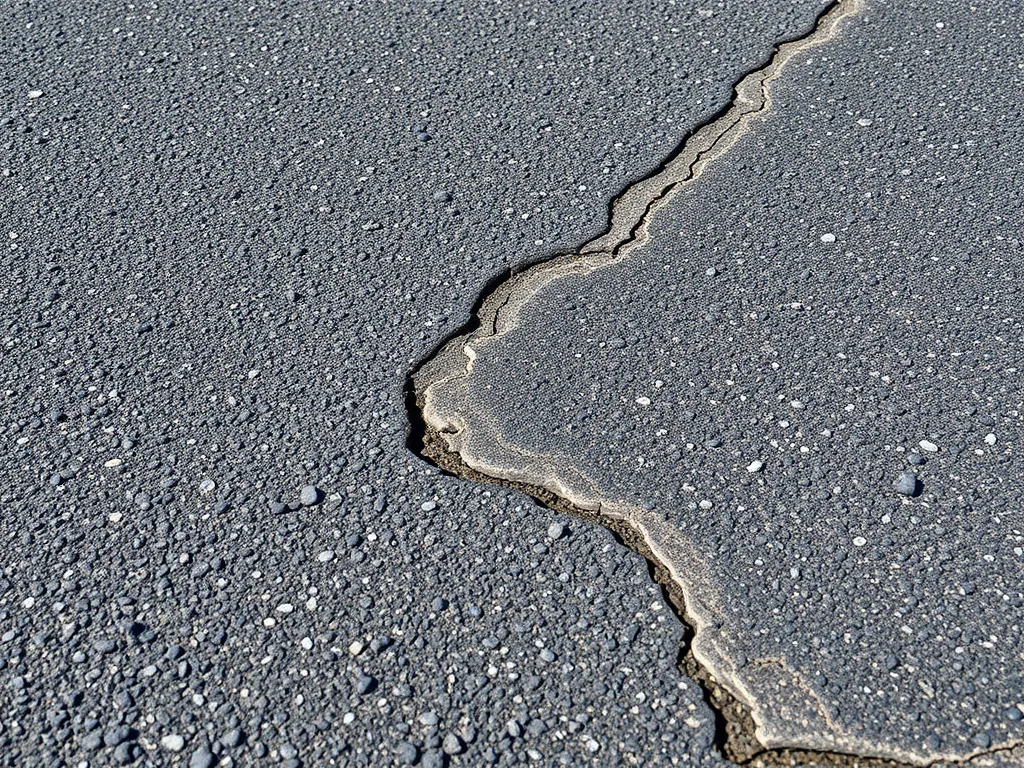
Thermal stress impacts recycled asphalt more severely due to binder degradation. Temperature swings below 20°F or above 95°F can cause linear cracks within 3-5 years—30% faster than traditional pavements. Freeze-thaw cycles widen existing fissures, requiring bi-annual crack filling with rubberized emulsions to prevent structural damage.
These challenges highlight why proper installation and upkeep dictate success with recycled materials. Next, we’ll tackle frequent queries about mitigating these issues while maintaining cost savings.
Frequently Asked Questions
What Are the Main Disadvantages Of Recycled Asphalt?
The main disadvantages of recycled asphalt include potential durability concerns, as it may wear faster than new asphalt; temperature sensitivity, which can lead to cracking in extreme weather; maintenance challenges that require more frequent sealing; and limited aesthetic appeal compared to traditional asphalt surfaces.
How Does Recycled Asphalt Compare to Gravel for Driveways?
Recycled asphalt is generally more cost-effective and durable than gravel. It provides a solid surface that can last 10-15 years, while gravel requires regular maintenance and regrading. While gravel may initially seem cheaper, it tends to incur continual costs for replenishment and upkeep, making recycled asphalt a better long-term investment.
What is the Average Cost Of a Recycled Asphalt Driveway?
The average cost for a recycled asphalt driveway ranges from $1,200 to $2,500 for a standard 600-square-foot area, significantly cheaper than traditional asphalt, which typically costs between $3,000 and $6,000 for the same size.
Where Can I Purchase Recycled Asphalt?
Recycled asphalt can typically be purchased from local asphalt suppliers, recycling centers, or landscaping supply companies. Many contractors who specialize in paving also offer recycled asphalt products, often at a lower cost due to reduced transportation expenses.
How Long Can I Expect My Recycled Asphalt Driveway to Last?
A recycled asphalt driveway can last 15 to 20 years with proper installation and maintenance, which includes regular sealcoating and repairs. This lifespan is slightly less than that of traditional asphalt, but still provides significant longevity for a driveway surface.
What Are Common Issues With Recycled Asphalt Driveways?
Common issues with recycled asphalt driveways include surface erosion, which can occur if the material is not properly compacted; weed growth, as gaps between millings can provide niches for plants to thrive; and seasonal cracking due to thermal stress from fluctuating temperatures. Regular maintenance can help mitigate these problems.
Closing Thoughts
Recycled asphalt offers a blend of benefits and challenges. On one hand, it’s cost-effective, environmentally friendly, and easy to install. These characteristics make it an appealing option for many homeowners looking to pave their driveways.
On the flip side, potential durability concerns and maintenance challenges may arise. Understanding these pros and cons helps you make an informed choice for your paving needs. Consider factors such as climate, usage, and desired lifespan before deciding on recycled asphalt.
For more insights and tools regarding asphalt projects, be sure to check out Asphalt Calculator USA.