
Mastering Asphalt Compaction: Best Practices for Durable Pavement
Published on: March 30, 2026 | Last Updated: April 14, 2025
Written By: George Voss
Recapping the best asphalt compaction practices means using proven methods to achieve 92-95% density in asphalt layers. This process requires precise temperature control (275-300°F), proper roller selection, and strategic pass sequences. Effective compaction prevents water infiltration, reduces rutting, and can extend pavement life by up to 15 years.
This guide covers core principles like mix temperature and lift thickness. You’ll learn equipment choices between steel-wheeled and pneumatic rollers, vibration settings, and real-time monitoring techniques. We’ll also examine common mistakes, environmental impacts, and case studies demonstrating 98% density in airport runway projects.
Contents
- Introduction to Asphalt Compaction
- Core Principles Of Effective Asphalt Compaction
- Factors Affecting Asphalt Compaction Quality
- Best Methods for Asphalt Compaction
- Essential Equipment for Asphalt Compaction
- Key Techniques for Optimal Results
- Common Mistakes in Asphalt Compaction
- Environmental Considerations
- Case Studies in Asphalt Compaction
- FAQ: Recap Of Best Compaction Practices
- Closing Thoughts
- Additional Resources for You:
Introduction to Asphalt Compaction
Asphalt compaction shapes pavement strength. This step directly impacts how long roads last. Skipping proper techniques leads to cracks, rutting, or premature failure. Let’s break down what it involves and why it matters.
What is Asphalt Compaction?
Compaction compresses asphalt mix—aggregates, sand, and bitumen binder—into a dense layer. Heavy rollers apply pressure, squeezing air voids down. Target air void content? Less than 5%. Higher voids let water seep in, freeze, and crack surfaces.
Definition and Importance in Pavement Durability
Density equals durability. Well-compacted asphalt resists traffic loads better. For every 1% drop in air voids, pavement life jumps 10%. Poor compaction cuts lifespan by 30% or more. Tightly packed aggregates lock together, creating a mat that shrugs off wear. This recap of best compaction practices highlights methods to hit 92-96% density specs.
Up next: core principles to turn theory into lasting pavement.
Mastering these basics sets the stage for diving into material and equipment strategies.
Core Principles Of Effective Asphalt Compaction
Successful asphalt compaction hinges on four non-negotiable factors. These form the backbone of durable pavement, directly impacting density, smoothness, and lifespan.
Material Temperature Control
Hot mix asphalt (HMA) demands strict temperature management. Laydown temps between 275°F and 300°F let aggregates bond with PG 64-22 binders. Below 230°F? The mix stiffens, creating air voids above 8%—a direct path to raveling and cracks. Infrared thermometers track mat temps, ensuring 92% density targets get hit before cooling to 175°F.
Optimal Moisture Content in Asphalt Mix
Moisture levels above 0.5% by weight sabotage compaction. Excess water weakens binder adhesion, dropping stability by 15-20%. For warm mix asphalt (WMA), foaming tech maintains 1.5-3% moisture without steam loss. Nuclear density gauges verify moisture-to-density ratios, preventing segregation in open-graded mixes.
Proper Equipment Selection
Match rollers to mix type and project scale:
| Equipment | Use Case | Pressure Range |
|---|---|---|
| 10-ton vibratory | Base layers | 350-400 psi |
| Pneumatic roller | Surface courses | 50-75 psi per tire |
| Combination roller | Stone matrix asphalt | Dual vibration + static |
Rental costs run $250-$450/day—cheap insurance against costly rework.
Application Of Compaction Energy
Energy application isn’t about brute force. Vibratory compactors deliver 2,800-4,200 vpm (vibrations per minute) for granular bases. For thin overlays, static steel rollers apply 18-25 kN/m linear pressure. Intelligent compaction systems auto-adjust energy based on GPS-mapped stiffness, cutting under-compacted zones by 90%.
Mastering these principles sets the stage for tackling environmental variables. Next, we’ll break down how temperature swings, lift thickness shifts, and moisture spikes alter your compaction game plan.
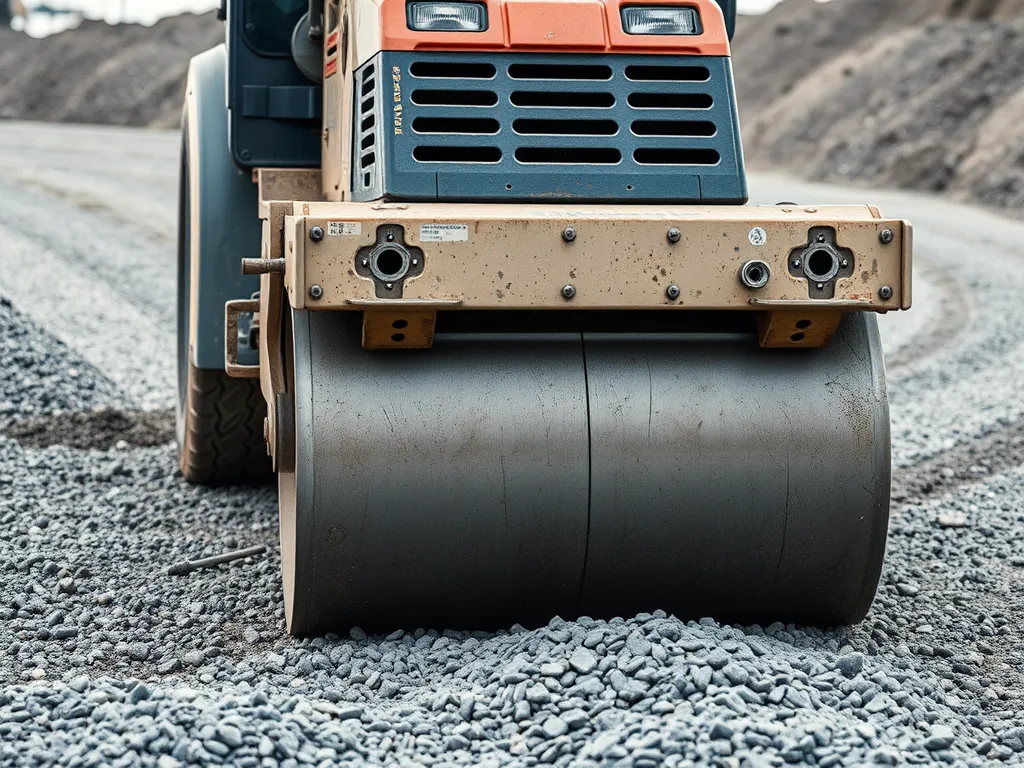
Factors Affecting Asphalt Compaction Quality
Successful density outcomes rely on controlling three critical variables. Deviations in these elements directly influence pavement strength, longevity, and resistance to rutting or cracking.
Material Temperature
Temperature governs binder viscosity during rolling operations. Hot mix asphalt requires compaction within 275°F to 300°F for optimal particle rearrangement. Below 185°F, bitumen stiffens, reducing density by up to 5% per 25°F drop.
Impact of Temperature on Density
Infrared thermometers verify mat temps before rolling starts. Steel-wheel rollers achieve 92-96% density when mix stays above 230°F during breakdown phase. Cold spots under 175°F create weak zones needing removal.
Lift Thickness
Layer depth determines energy transfer efficiency. Thin lifts cool faster, while thick layers trap air voids. Industry standards specify maximum compacted depths based on mix type.
Ideal Layer Thickness for Uniform Compaction
For standard dense-graded mixes, 3-inch lifts permit full consolidation. Vibratory rollers exert 4,000-6,000 pounds per inch of drum width to penetrate deeper layers. Exceeding 4-inch thickness risks under-compacted bases.
Moisture Content
Water impacts mix workability during rolling. Optimal moisture ranges between 0.5%-3% by weight for proper particle lubrication. Excess moisture causes steam pockets, while low levels induce aggregate separation.
Balancing Moisture to Prevent Segregation
Nuclear density gauges track moisture in real-time. Pneumatic rollers with 75-85 psi tire pressure knead moist mixes without pushing aggregates. Dry mixes require misting systems adding 0.25-0.75 gallons per ton.
Mastering these variables sets the stage for field-proven rolling methods. Next, we’ll explore sequential equipment strategies that lock in density gains.
Also See: Benefits Of Hiring Asphalt Repair Professionals
Best Methods for Asphalt Compaction
Effective asphalt compaction relies on precise techniques that balance force, timing, and material behavior. These methods directly impact pavement density, longevity, and resistance to rutting or cracking.
Sequential Roller Techniques
Roller sequencing ensures gradual density gains without displacing aggregates. Proper phase execution prevents surface irregularities and achieves target air void levels (3-5%).
Breakdown, Intermediate, and Finish Rolling
Breakdown rolling starts immediately after laydown using vibratory rollers at 2,500-3,000 vibrations per minute (VPM). This phase achieves 85-90% target density while mix temperatures stay above 275°F. Intermediate rolling follows with pneumatic tire rollers, applying 75-85 psi kneading pressure to eliminate roller marks. Finish rolling uses static steel-wheeled rollers at 3-5 mph to seal the surface, hitting 92-96% of maximum theoretical specific gravity (Gmm).
Vibration Frequency Adjustments
Modern vibratory compactors allow operators to adjust amplitude (0.02-0.04 inches) and frequency (50-70 Hz). Matching these settings to mix type prevents aggregate fracturing in stone matrix asphalt (SMA) or insufficient density in porous mixes.
Tailoring Vibration to Asphalt Mix Type
For polymer-modified PG 76-22 binders, use high-frequency/low-amplitude vibrations (65 Hz/0.025″). Coarse-graded Superpave mixes require lower frequencies (55 Hz) to prevent particle rearrangement. Warm-mix asphalt (WMA) compacted at 230-280°F needs 15-20% fewer vibratory passes than hot-mix to avoid over-compaction.
Mastering these techniques works hand-in-hand with selecting the right equipment – a topic we’ll explore next.
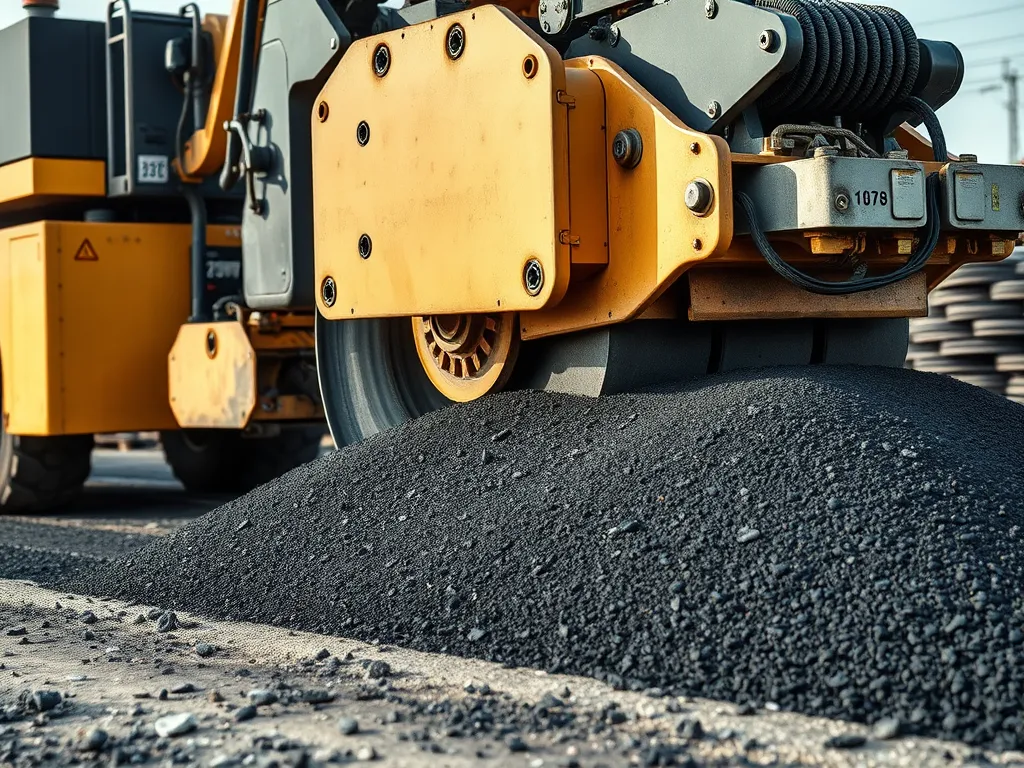
Essential Equipment for Asphalt Compaction
Selecting the right machinery directly influences density, smoothness, and pavement lifespan. Three primary tools dominate modern projects, each serving distinct roles within the compaction process.
Steel-wheeled Rollers
Static steel-wheeled rollers deliver high-pressure linear force, ideal for initial breakdown rolling. Weighing 8-12 tons, their rigid steel drums create 92-95% density on hot mix asphalt (HMA) layers. Operate them when mix temps exceed 275°F to prevent surface cracks. Use overlapping passes of 6-12 inches to eliminate roller marks.
Pneumatic Tire Rollers
Pneumatic rollers with 7-11 rubber tires apply kneading pressure (60-80 psi) to seal surface voids. Their flexibility suits intermediate rolling on polymer-modified binders or stone matrix mixes. Adjust tire inflation to match lift thicknesses up to 6 inches. Monitor tire patterns to avoid segregation in open-graded mixes.
Vibratory Compactors
Vibratory rollers combine static weight with 2500-4000 vibrations per minute (VPM) for rapid densification. Switch between low-frequency/high-amplitude (1.5 mm) for thick layers or high-frequency (3 mm) for thin overlays. These excel on granular bases or cold recycled mixes, cutting project timelines by 20% versus static rollers.
Proper equipment pairing ensures maximum density without sacrificing mat integrity. Next, let’s explore field-proven strategies to boost performance during rolling operations.
Key Techniques for Optimal Results
Mastering asphalt compaction requires precision with core methods. These three strategies form the backbone of successful projects, ensuring pavement longevity and structural integrity.
Consistent Overlapping Passes
Roller operators must maintain 6-12 inch overlaps between passes. This eliminates low-density zones and creates uniform surface support. Skilled teams use edge markers or laser guides to track coverage. Benefits include:
- Prevents “striping” or uneven texture
- Ensures 92-96% density targets
- Reduces risk of premature rutting
Monitoring Mat Temperature in Real-time
Asphalt mix cools at 3-5°F per minute. Teams use infrared thermometers to keep mat temps between 275°F and 300°F during compaction. Below 240°F? The binder stiffens, locking aggregates before full densification. Pro tip: Adjust roller speed to match cooling rates—slower passes for cooler edges.
Avoiding Over-compaction
Excessive rolling fractures aggregates, creating micro-cracks. Operators stop once no further density gains occur—typically after 8-10 vibratory passes. Nuclear density gauges verify results without damaging layers. Watch for these signs:
- Surface shoving or wave patterns
- Aggregate crushing under roller drums
- Density plateaus despite added passes
Even with perfect execution, errors can derail progress. Next, we explore frequent pitfalls teams face during compaction operations.
Common Mistakes in Asphalt Compaction
Even skilled crews sometimes face issues during pavement projects. Three frequent errors undermine density goals: compacting cold mix, using too few roller passes, or neglecting joint treatment.
Cold Mix Compaction
Mix temperature directly impacts compaction success. Compacting below 220°F leaves 6-8% air voids, exceeding the 3-5% target. These voids let water seep in, causing cracks within two years. Keep mix between 220°F-290°F during rolling for proper particle bonding.
Inadequate Roller Passes
Rollers must make enough passes to reach 92-96% density. Stopping too soon leaves under-compacted spots. Most projects need 3-5 breakdown passes plus intermediate rolling. Missing just one pass drops density by 1-2%, cutting pavement life by up to 30%.
Ignoring Joint Compaction
Joints between pavement sections need extra care. Roll overlapping lanes by 6-12 inches using vibratory modes. Stepped joints or offsetting seams by 2 feet prevents weak edges. Properly compacted joints show less than 0.1 inch rutting after five years.
Fixing these errors improves pavement performance while supporting greener construction methods.
Environmental Considerations
Modern compaction methods balance performance with eco-friendly strategies. Contractors now prioritize techniques minimizing ecological footprints while meeting density targets. Let’s explore how emission reduction recycled materials shape sustainable operations.
Reducing Emissions With Efficient Practices
Fuel-powered compactors contribute to greenhouse gases during paving projects. Optimizing roller passes cuts diesel consumption by 15-30%. Electric vibratory rollers emitting zero on-site exhaust are gaining traction for urban jobs. Tier 4 Final engines in newer models slash PM2.5 particulates by 90% compared to older fleets.
- Use telematics systems tracking idle times reducing wasted fuel
- Schedule sequential rolling during peak mix temperatures (275-300°F) to limit rework
- Select properly sized rollers completing compaction within 3-5 passes
Recycling Asphalt for Sustainable Compaction
Reclaimed asphalt pavement (RAP) mixes containing up to 40% recycled material require modified compaction protocols. RAP’s aged binder stiffens faster demanding quicker breakdown rolling. Studies show using RAP cuts production temps by 50°F lowering CO2 emissions from plants.
- Millings compacted as base layers achieve 95% density with vibratory plates
- Cold recycling trains combine milling mixing in one pass slashing transport needs
- Warm-mix recycled blends compact effectively at 225°F versus 300°F for virgin mixes
Incorporating RAP saves $8-$12 per ton while diverting 72 million tons of waste yearly. Properly compacted recycled layers match virgin asphalt’s 20-year service life when density hits 92-96%.
These eco-focused methods prove sustainability goals need not compromise pavement quality. Next, let’s examine how contractors implement these strategies in large-scale projects.
Case Studies in Asphalt Compaction
Real-world projects demonstrate how following proven compaction practices recap translates to durable surfaces. These examples highlight the link between methodical execution and long-term performance.
Highway Pavement Success Story
A 12-mile stretch of Interstate 85 in Georgia achieved 94% density using best compaction methods. Crews maintained mix temperatures above 275°F during breakdown rolling with 10-ton steel-wheeled rollers. Sequential passes with vibratory compactors ensured air voids stayed below 6%, meeting AASHTO T 312 specs. The pavement has carried over 50,000 vehicles daily for seven years without major cracks.
Airfield Runway Density Achievement
Denver International Airport’s runway expansion hit 98% density targets with earthworks compaction best practices. Teams used pneumatic tire rollers for kneading action on PG 76-22 binder mixes. Real-time thermal cameras tracked mat temperatures between 290-300°F, allowing adjustments to roller speed and vibration frequency (3,000 VPM). The runway now handles Boeing 777 loads while exceeding FAA AC 150/5370-10G standards.
These field-tested results prove that compaction practice recap principles work under extreme demands. Next, let’s tackle frequent questions about achieving similar outcomes.
FAQ: Recap Of Best Compaction Practices
What is the Best Method for Asphalt Compaction?
A combination of temperature control and roller sequencing is essential for optimal results, ensuring maximum density without compromising material integrity.
What Are the Core Principles Of Asphalt Compaction?
The core principles include energy application, maintaining material consistency, and timing the rolling process effectively to achieve the desired density.
How Do Environmental Considerations Impact Asphalt Compaction Practices?
Practices aimed at reducing emissions and incorporating recycled materials not only support sustainability goals but also enhance the overall efficiency of the compaction process.
Can Weather Conditions Affect Asphalt Compaction?
Yes, weather conditions such as temperature and humidity can significantly influence the performance of asphalt mixes and the compaction process, necessitating adjustments in techniques accordingly.
How Important is Operator Training for Successful Compaction?
Operator training is crucial as skilled operators are better equipped to handle equipment, monitor conditions, and adapt practices to achieve the best compaction outcomes.
What Equipment is Recommended for Achieving High Density in Asphalt Layers?
Key equipment includes steel-wheeled rollers for initial breakdown, pneumatic tire rollers for kneading, and vibratory compactors for optimal density, each chosen based on specific project needs.
What Role Does Real-time Monitoring Play in Asphalt Compaction?
Real-time monitoring allows teams to track mat temperatures and density, ensuring that adjustments can be made swiftly to optimize compaction efforts and maintain target specifications.
How Can Common Mistakes Be Avoided in Asphalt Compaction?
Awareness and proactive management of common pitfalls, such as under-compaction or cold mix usage, are crucial. Regular training and adherence to best practices greatly reduce the likelihood of these errors.
Closing Thoughts
Asphalt compaction is a fundamental process that significantly influences the longevity and durability of pavements. Implementing best practices, such as controlling material temperature, ensuring optimal moisture content, and selecting the right equipment, is vital for achieving high-quality results. Furthermore, avoiding common pitfalls like inadequate roller passes and cold mixes can enhance overall compaction quality.
Understanding the key methods and techniques, including sequential roller techniques and appropriate vibration adjustments, can lead to superior asphalt performance. It’s also crucial to consider environmental aspects by reducing emissions and recycling asphalt effectively.
For comprehensive information and resources on asphalt compaction and other related topics, check out Asphalt Calculator USA.
Additional Resources for You:
- Yoder, E. J., & Witczak, M. W. (1975). Principles of Pavement Design (2nd ed.). New York, NY: Wiley.
- Compaction
- Maximizing Efficiency: Best Practices for Compaction Plates • Patriot Contractors Equipment Sales & Supply
- What are the Methods of Compaction? – Construction Technology Partners
- Best Practices in Keeping Compactors up to Speed with Pavers | For Construction Pros

