Where Does Asphalt Come From? A Guide to Raw Material Sourcing
Published on: March 29, 2026 | Last Updated: April 14, 2025
Written By: George Voss
Raw materials sourcing for asphalt involves securing two main components: aggregates (crushed stone, sand, gravel) and asphalt binder (bitumen). Aggregates come from quarries or recycled materials like reclaimed asphalt pavement (RAP), while bitumen is extracted from crude oil refineries. Suppliers vary by location, with local quarries reducing transportation costs up to 15% compared to distant sources. Quality checks ensure aggregates meet size standards (ASTM D692) and bitumen meets viscosity requirements (PG 64-22 grades). Cost factors include crude oil prices ($80-$100/barrel in 2024), hauling distances, and recycling rates (30-50% RAP usage cuts material costs by 20%).
This article breaks down asphalt sourcing from start to finish. Learn about binder extraction methods, aggregate types (granite vs limestone), and global supply chains. Compare natural asphalt deposits like Trinidad’s Lake Asphalt with refinery-produced bitumen. Explore procurement strategies for vetting suppliers and managing contracts. Understand how fuel prices, regional quarry access, and trucking routes impact budgets. Get checklists for testing protocols (AASHTO T 304) and environmental standards.
Contents
- Essential Components Of Asphalt Production
- Primary Sources Of Asphalt Raw Materials
- Asphalt Material Procurement Strategies
- Critical Factors in Asphalt Supply Chain
- Quality Control in Asphalt Material Sourcing
- Environmental Considerations
- Frequently Asked Questions (FAQ)
- Closing Thoughts
- Additional Resources for You:
Essential Components Of Asphalt Production
Asphalt mixes require two core elements: binder and aggregates. These materials form 95% of pavement mixtures by weight. Their sourcing directly impacts pavement durability, cost, and environmental footprint.
Asphalt Binder (Bitumen)
Bitumen acts as asphalt’s glue. This black, sticky substance makes up 4-7% of the final mix. It binds aggregates into a cohesive pavement layer resistant to cracking and deformation.
Sourcing from Crude Oil Refining
Over 80% of bitumen comes from crude oil distillation. Refineries heat crude to 300-350°C, separating lighter fuels (gasoline, diesel) from heavy residues. The vacuum distillation unit further processes these residues into asphalt cement. Venezuela, Canada, and the U.S. supply 65% of global bitumen through this method.
Quality Specifications for Asphalt Binder
Binders must meet PG (Performance Grade) classifications like PG 64-22 or PG 76-16. These codes indicate temperature ranges (e.g., -22°C to 64°C) where the binder performs optimally. Tests measure viscosity, penetration depth, and ductility. Suppliers follow ASTM D6373 and AASHTO M320 standards to ensure load-bearing capacity and aging resistance.
Aggregates in Asphalt Mixtures
Aggregates form 93-96% of asphalt by weight. They provide structural strength, drainage, and skid resistance. Proper gradation (size distribution) is critical – most mixes use ¾” to fine sand particles.
Types of Rock Used: Granite, Limestone, and Gravel
- Granite: High PSI (16,000-18,000) for heavy-traffic roads
- Limestone: Soft, angular shapes improve compaction
- Gravel: Cost-effective for rural roads with 500-1,500 AADT
Quarries within 50 miles of construction sites reduce hauling costs by 15-30%.
Sourcing Recycled Materials: RAP and RAS
Reclaimed Asphalt Pavement (RAP) and Recycled Asphalt Shingles (RAS) replace 20-30% of virgin aggregates. RAP comes from milled roads, while RAS uses roofing waste. Processing costs $8-$12/ton versus $18-$25/ton for new aggregates. State DOTs like California and Texas mandate 15% recycled content in public projects.
Mastering these components lays the groundwork for evaluating material origins. Next, we examine how global crude sources and natural deposits shape asphalt supply chains.
Primary Sources Of Asphalt Raw Materials
Asphalt starts with two core inputs: bitumen and aggregates. Where these come from shapes road quality and costs. Let’s break down the main supply paths.
Crude Oil As the Dominant Source
Over 90% of asphalt binder comes from crude oil. Refineries process heavy crude into bitumen through precise steps. This makes oil prices and supply chains key for asphalt sourcing.
Refinery Processes for Bitumen Extraction
Distillation units heat crude oil to 300-350°C. Heavy fractions sink, creating vacuum residue. Further air blowing in a converter hardens it into paving-grade bitumen. One barrel of crude yields 3-5 gallons of bitumen.
| Crude Source | Bitumen Yield |
|---|---|
| Venezuelan Heavy | 45% |
| Canadian Oil Sands | 38% |
| Saudi Light | 12% |
Global Crude Oil Supply Chains
Bitumen supply depends on oil trade routes. Canada ships 600,000+ barrels/day to U.S. refineries. Venezuela’s Orinoco Belt feeds coastal plants via tankers. Disruptions in these flows can delay asphalt projects by weeks.
Natural Asphalt Deposits
Before refineries, people mined asphalt from nature. These rare sites still supply niche markets today. Think lake beds and rock seams.
Lake Asphalt and Rock Asphalt Sources
Trinidad’s Pitch Lake holds 10 million tons of natural asphalt. Workers scoop semi-solid mix for export. Rock asphalt forms in limestone veins—Utah’s Uinta Basin yields 500,000 tons/year for local roads.
Mining Operations and Geographic Distribution
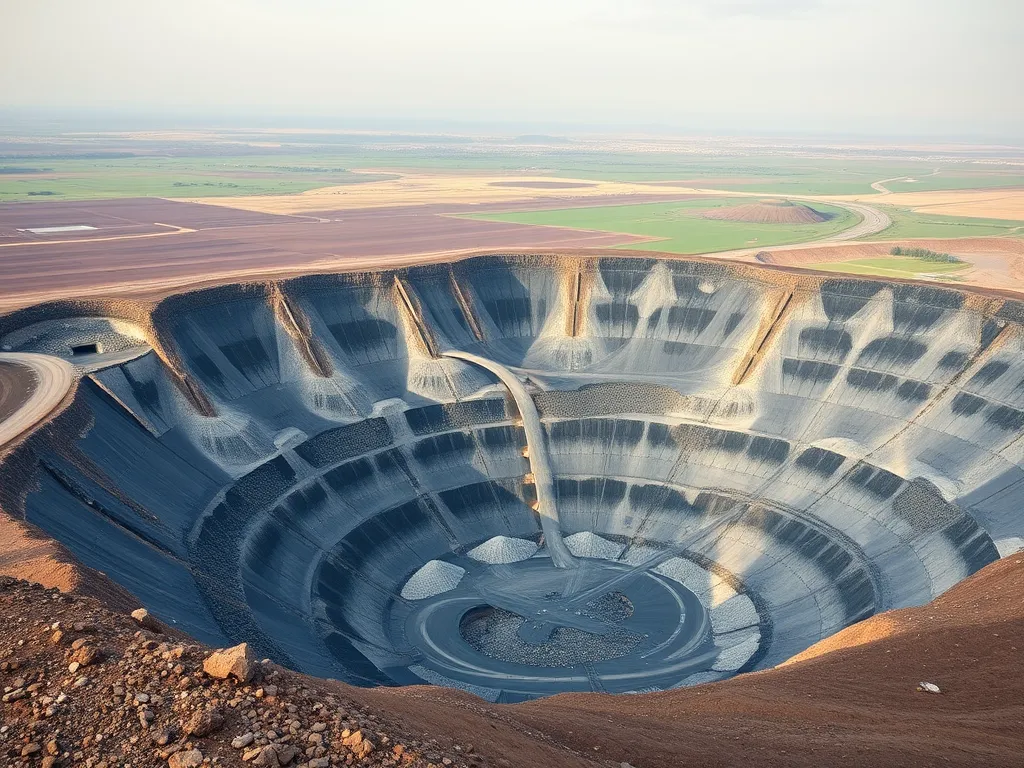
Open-pit mines extract rock asphalt with 5:1 waste-to-product ratios. Syria’s Dead Sea mines use hand tools to limit damage. Major deposits exist in Switzerland, Albania, and Oklahoma. These sources cost 15-20% more than refinery bitumen but offer unique performance traits.
With raw sources mapped, the next step is securing reliable suppliers. Let’s explore how pros vet aggregate sellers and bitumen partners.
Asphalt Material Procurement Strategies
Effective raw materials sourcing for asphalt requires strategic planning across multiple procurement phases. From vetting suppliers to managing contracts, each step directly impacts project budgets and pavement quality.
Supplier Qualification for Aggregate Providers
Aggregate suppliers must meet strict technical benchmarks for asphalt material procurement. Producers verify rock types like granite or limestone through Los Angeles Abrasion tests (ASTM C131) and soundness testing (ASTM C88). Top providers maintain stockpiles with ≤2% moisture content and offer 24/7 delivery to asphalt plants within 50-mile radii. Many now supply 30-40% recycled asphalt pavement (RAP) to support sustainable asphalt sourcing.
Bitumen Supplier Evaluation Criteria
Bitumen procurement demands rigorous asphalt raw material procurement checks. Refineries undergo audits for PG binder consistency, with viscosity tested at 135°C (275°F) and penetration grades verified weekly. Suppliers handling natural asphalt deposits like Trinidad’s Lake Asphalt must prove extraction methods preserve purity levels above 99%. Contracts often mandate 90-day reserve inventories to buffer crude oil price swings affecting asphalt supply chains.
Contract Management in Asphalt Sourcing
Procurement of raw materials for asphalt uses hybrid contracts blending fixed-price agreements for 60-70% volumes with spot-market flexibility. Clauses enforce penalties for gradation deviations exceeding ±3% from AASHTO M323 specs. Leading firms negotiate bulk discounts of 8-12% for annual commitments above 50,000 tons while requiring suppliers to handle 90% of transportation costs via dedicated asphalt tankers or aggregate trucks.
With procurement frameworks established, operational risks emerge from unpredictable factors in the asphalt supply chain—a reality demanding constant monitoring.
Also See: Common Testing Errors in Asphalt Assessments
Critical Factors in Asphalt Supply Chain
Material availability and logistics shape asphalt production costs and timelines. Three key challenges impact how companies source asphalt raw materials effectively.
Crude Oil Price Volatility
Bitumen costs swing with crude oil markets—every $10/barrel change alters asphalt binder prices by 15-20%. WTI and Brent Crude benchmarks directly affect procurement budgets. Supply chain planners hedge risks through fixed-price contracts and alternative bitumen sources like natural asphalt deposits.
Regional Aggregate Availability Challenges
Over 75% of U.S. quarries produce granite, limestone, or gravel for asphalt mixes. Geographic gaps force haulers to transport aggregates 150+ miles in states like Florida and Nevada. Recycled asphalt pavement (RAP) now supplies 15-30% of aggregate needs in urban areas, reducing reliance on virgin materials.
Transportation Infrastructure for Material Delivery
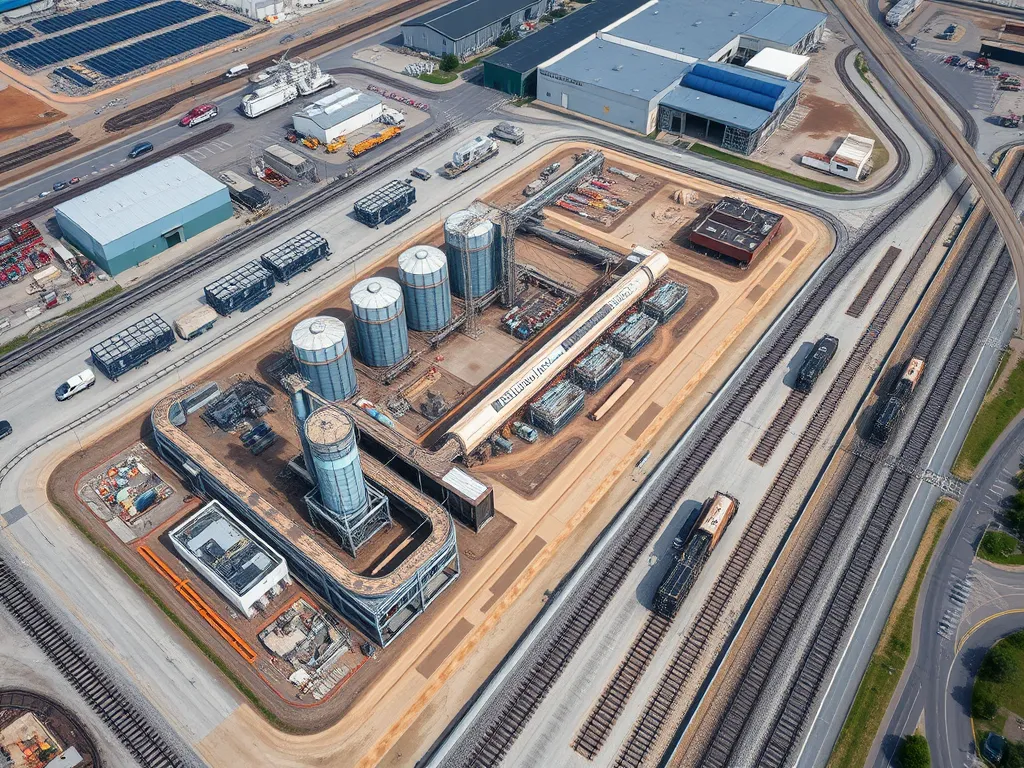
Hauling heavy materials costs $0.25-$0.50 per ton-mile. Barge transport saves 40% vs trucks but requires navigable waterways. Rail sidings at asphalt plants cut delivery costs for aggregates by 18%. Just-in-time delivery falters during infrastructure failures—a single closed bridge can delay 20+ loads daily.
Managing these variables requires real-time data tracking from mine to mixing plant. Next, we’ll examine how quality control protocols verify materials meet strict engineering standards during sourcing.
Quality Control in Asphalt Material Sourcing
Maintaining strict quality checks during raw materials sourcing for asphalt ensures long-lasting pavements. Testing begins at quarries, refineries, and recycling facilities to verify material properties before use.
Testing Protocols for Aggregate Gradation
Aggregates make up 90-95% of asphalt mixes by weight. Sieve analysis (ASTM C136) measures particle size distribution. Labs use gradation charts to confirm materials meet specs for angularity, shape, and texture. Failing to match target gradation risks weak pavements prone to rutting or cracking. RAP (Reclaimed Asphalt Pavement) requires extra testing—contaminants like clay must stay below 1%.
Bitumen Performance Grade Verification
Bitumen suppliers test binders under simulated climate conditions. The Performance Grading (PG) system (e.g., PG 64-22) rates viscosity at high and low temps. Dynamic Shear Rheometer tests (AASHTO T315) check rut resistance. Bending Beam Rheometer tests (AASHTO T313) verify cracking resistance at -12°F to -34°F. Refineries adjust crude blends to meet PG specs—heavier crudes often yield stiffer binders.
Compliance With ASTM and AASHTO Standards
Asphalt material procurement follows 40+ standards to ensure consistency. Key requirements include:
- Aggregate soundness (ASTM C88 limits weight loss to <12% after sulfate exposure)
- Bitumen purity (ASHTO T44 ensures <0.5% water content)
- RAP quality (AASHTO R30 caps recycled binder replacement at 25%)
Third-party audits track supplier adherence, with non-compliant materials rejected at batch plants.
Rigorous asphalt raw materials procurement prevents failures—but material quality alone doesn’t guarantee sustainability. Next, we examine how sourcing choices impact ecosystems and communities.
Environmental Considerations
Balancing resource needs with ecological responsibility shapes modern asphalt production. Sourcing practices now prioritize minimizing harm while meeting construction demands.
Impact Of Bitumen Extraction Processes
Bitumen extraction from oil sands or fracking operations releases 12% more CO₂ per barrel than conventional crude refining. In situ extraction methods—steam injection to separate bitumen—consume 3.5 barrels of water per barrel of output. Regions like Alberta’s Athabasca Basin face challenges managing tailings ponds containing residual hydrocarbons. Newer solvent-based extraction cuts water use by 30%, but adoption remains limited to 18% of North American operations.
Aggregate Quarrying and Land Use
Over 5,000 active quarries in the U.S. supply 2.5 billion tons of aggregates yearly. Open-pit mining alters topography, displaces wildlife, and generates particulate matter exceeding 50 µg/m³ near sites. The National Stone, Sand & Gravel Association reports 80% of members restore mined land for parks or wetlands. Still, 12,000 acres annually remain permanently altered—equivalent to 9,000 football fields.
Benefits Of Incorporating Recycled Materials
Using recycled asphalt pavement (RAP) and roofing shingles (RAS) cuts virgin material needs by 40%. Key advantages:
- 94 million tons of RAP reused yearly in U.S. road projects
- Cost reductions up to $3.50 per ton versus new aggregates
- 21% lower CO₂ emissions during reprocessing
States like California mandate 15-30% recycled content in mixes, driving asphalt material procurement toward circular economy models.
These ecological strategies set the stage for examining how supply chains adapt to evolving regulations and market shifts.
Frequently Asked Questions (FAQ)
What Are the Benefits Of Using Recycled Materials in Asphalt?
Incorporating recycled materials like Reclaimed Asphalt Pavement (RAP) and Recycled Asphalt Shingles (RAS) leads to significant environmental and economic benefits. It reduces the need for virgin materials by up to 40%, lowers costs by approximately $3.50 per ton compared to new aggregates, and results in 21% lower CO₂ emissions during reprocessing. States like California even mandate a minimum percentage of recycled content in asphalt mixtures, promoting sustainability in road construction.
How Does Transportation Infrastructure Affect Asphalt Material Sourcing?
The state of transportation infrastructure significantly impacts the logistics of sourcing asphalt raw materials. If critical transport routes, such as bridges or highways, are closed or in disrepair, it can lead to delays in material deliveries. Hauling costs also fluctuate based on transport modes; barge transport can be more economical than trucking, but relies on navigable waterways. Efficient rail sidings and proper planning of delivery schedules help mitigate transportation challenges.
How Do Crude Oil Price Volatility and Asphalt Costs Relate?
Crude oil prices are directly linked to asphalt costs. For every $10 per barrel fluctuation in crude oil prices, asphalt binder costs can change by 15-20%. This volatility necessitates strategic procurement approaches, including fixed-price contracts and diversifying sources to manage budgetary impacts. Understanding global oil supply chains and having contingency plans allows companies to better navigate such price fluctuations.
What Quality Control Measures Are Used for Asphalt Raw Materials?
Quality control in asphalt sourcing involves several rigorous testing protocols. For aggregates, procedures like sieve analysis (ASTM C136) are used to assess gradation, while bitumen is evaluated through Performance Grading systems (e.g., PG 64-22) and various temperature resistance tests. Compliance with recognized standards such as ASTM and AASHTO ensures that materials meet necessary performance specifications for durability and safety.
What Types Of Rock Are Commonly Used in Asphalt Aggregates?
The most common types of rock used in asphalt aggregates include granite, limestone, and gravel. Each type serves different purposes based on its properties: granite is favored for heavy-traffic roads due to its high pressure resistance, limestone helps with compaction due to its angular shapes, and gravel is often used for cost-effective solutions in rural areas. The choice of aggregate significantly influences the overall performance of asphalt mixes.
What Are the Geographic Considerations in Asphalt Material Sourcing?
Geographic factors play a substantial role in asphalt material sourcing. The proximity of aggregate sources can greatly affect transportation costs and logistics—quarries located within 50 miles of construction sites can reduce hauling expenses significantly. Additionally, regional availability of certain types of aggregates can create challenges, necessitating more extensive hauling in areas where specific materials are scarce.
Closing Thoughts
Sourcing raw materials for asphalt production is a complex yet vital process. From extracting bitumen through crude oil refining to selecting the right aggregates like granite, limestone, and gravel, each component plays a crucial role in the quality of asphalt. The strategic procurement of these materials involves evaluating suppliers and maintaining rigorous quality control standards, which ensure performance and compliance with industry regulations.
Environmental factors also shape sourcing strategies. Balancing efficient material extraction with sustainability practices, such as using recycled asphalt products (RAP and RAS), highlights a commitment to eco-friendly construction. This mindset not only conserves resources but also improves overall project efficiency.
For more information on raw materials sourcing for asphalt and related topics, check out Asphalt Calculator USA.
Additional Resources for You:
- Huang, Y. H. (2004). Pavement Analysis and Design (2nd ed.). Upper Saddle River, NJ: Pearson/Prentice Hall.
- How asphalt cement is made – material, used, processing, components, dimensions, product, industry, machine
- What is Asphalt Made Of? Components and Processes
- Sustainable Materials in Road Construction – BioPowder
- RockAsphalt – rockasphalt.com