Raw Materials for Asphalt Production
Published on: March 29, 2026 | Last Updated: April 14, 2025
Written By: George Voss
Raw materials for asphalt production combine bitumen (a sticky petroleum binder) and aggregates like crushed stone, sand, or gravel. These elements make up 90-95% of asphalt mixes, with additives such as polymers or recycled materials boosting performance. Suppliers source bitumen from oil refineries and aggregates from local quarries, following strict ASTM D946 or AASHTO M20 quality standards. Costs fluctuate based on crude oil prices and regional availability, but using recycled asphalt pavement (RAP) can cut material expenses by 20-30%. Environmental impacts are reduced through recycling programs that reuse up to 100 million tons of RAP annually in the U.S.
This article details each component’s role in creating durable pavement. We’ll examine how bitumen is refined from crude oil, why polymer modifiers extend road life, and how RAP lowers project costs. Learn about aggregate gradation for strength, emulsifiers in asphalt mixtures, and sustainable sourcing practices. Get practical insights for comparing suppliers and meeting environmental regulations.
Contents
- Primary Components Of Asphalt Material
- Key Chemicals Used in Asphalt Production
- Role Of Crude Oil in Asphalt Production
- Asphalt Concrete Composition
- Recycled Materials in Asphalt Production
- Environmental Impact Of Asphalt Raw Materials
- Frequently Asked Questions (FAQ)
- Closing Thoughts
- Additional Resources for You:
Primary Components Of Asphalt Material
Asphalt mixes rely three main elements: bitumen, aggregates, additives. Each plays a distinct role in creating durable pavements that withstand traffic loads weather extremes.
Bitumen: The Binding Agent
Bitumen, a sticky black petroleum derivative, binds aggregates. It makes up 4-7% asphalt mixes. This semi-solid material becomes fluid heated, allowing even coating aggregates before hardening into a cohesive layer. Performance grades (PG) classify bitumen based temperature ranges like PG 64-22, indicating suitability climates -22°F 64°F.
Sources of Bitumen in Asphalt Production
Most bitumen comes petroleum refining. Vacuum distillation separates heavy fractions crude petroleum into asphalt cement. Natural deposits like Trinidad’s Lake Asphalt supply 3% global needs. Recycled materials—Reclaimed Asphalt Pavement (RAP) Shingles (RAS)—contribute up 30% bitumen reused new mixes.
Aggregates: Structural Foundation
Aggregates form 90-95% asphalt volume. They provide strength, friction, drainage. Specifications require angular shapes maximize interlock, minimal flat particles. Sizes range 0.075mm fine sand 25mm crushed stone. LA Abrasion tests ensure aggregates lose under 40% mass under wear.
Types of Aggregates (Crushed Stone, Sand, Gravel)
Crushed stone—granite limestone—dominates for high PSI ratings (15,000-25,000). Sand fills voids boosts density. Gravel suits rural roads lower traffic. Gradation follows Superpave standards: 19mm surface mixes 37.5mm base layers. Aggregates must test under 1% deleterious materials like clay.
Additives Modifiers
Specialized chemicals adjust asphalt properties. They combat rutting, cracking, aging. Usage rates vary: polymers 3-7%, fibers 0.3%, anti-strip agents 0.5%. These materials add $5-$15 per ton but extend pavement life 8-12 years.
Polymers, Antioxidants, Stabilizers
Styrene-butadiene-styrene (SBS) polymers boost flexibility -40°F. Antioxidants like carbon black slow bitumen aging UV exposure. Hydrated lime stabilizes moisture-sensitive aggregates. Recent trends include nano-silica additives, increasing stiffness 20% reducing thermal cracking 35%.
With core materials covered, next examine key chemicals shaping modern asphalt performance.
Key Chemicals Used in Asphalt Production
Asphalt mixes rely on key chemicals to boost strength and work with ease. These parts shape how the mix holds up to wear, heat, and water.
Asphalt Base Oil and Hydrocarbons
Base oils form the thick glue in asphalt. Made from crude oil, these heavy hydrocarbons (long chains of carbon and hydrogen) give asphalt its sticky feel. Three main types exist:
- Saturates: Waxy parts that harden in cold
- Aromatics: Oily fluids that keep asphalt soft
- Resins: Sticky bits that bond with rocks
Refineries tweak these parts to hit target grades like PG 64-22, which works from -22°F to 64°F.
Polymer Modifiers for Enhanced Durability
Polymers boost strength in high-traffic zones. Common types include:
- SBS (styrene-butadiene-styrene): Adds stretch to stop cracks
- SBR (styrene-butadiene rubber): Improves grip on wet roads
- EVA (ethylene vinyl acetate): Blocks rutting in heat
Adding 3-7% polymer can extend pavement life by up to 20%.
Emulsifiers for Asphalt Emulsions
Emulsifiers let asphalt mix with water for patching and seals. These soap-like agents (0.5-2% of mix) have two ends:
- Head: Bonds with water
- Tail: Bonds with asphalt
Common picks like fatty acids or amine salts cut mixing temps from 300°F to 150°F, saving fuel costs by 30%.
These chemicals set the stage for how crude oil turns into road-grade asphalt. Next, we break down the refining steps that make it happen.
Role Of Crude Oil in Asphalt Production
Crude oil serves as the backbone of asphalt material production. Over 90% of global bitumen – asphalt’s binding agent – comes from petroleum refining. The transformation from black gold to road surfaces requires precise extraction and processing.
From Crude Oil to Bitumen: Extraction &Amp; Distillation
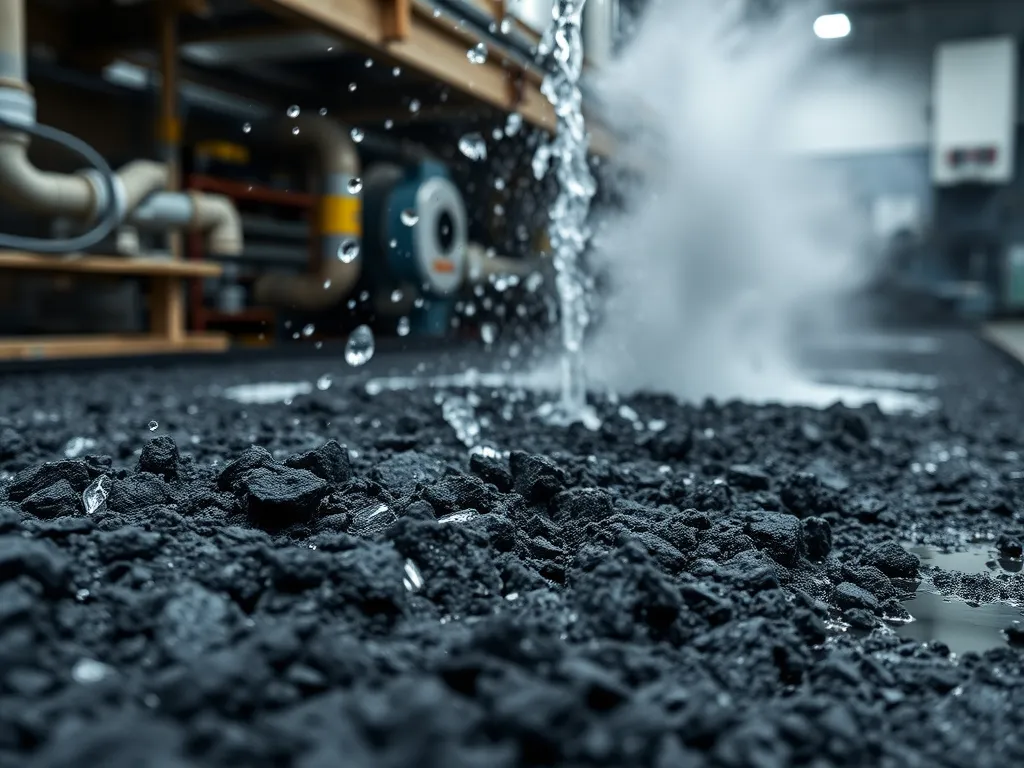
Bitumen emerges during crude oil distillation at 300-400°C. Heavy fractions sink to atmospheric distillation tower bottoms. These residues undergo vacuum distillation, separating lighter hydrocarbons from dense asphalt-grade material. Only 5-10% of each crude oil barrel yields bitumen suitable for roads.
Refining Processes for Asphalt-grade Materials
Post-distillation treatments adjust asphalt raw material properties. Air blowing at 200-300°F oxidizes bitumen, boosting stiffness for high-traffic roads. Polymer modification adds 4-7% SBS (styrene-butadiene-styrene) or crumb rubber to prevent cracking. Solvent deasphalting can extract harder binders for cold climates.
Up next: How these refined asphalt production materials combine with stone and sand to form durable pavement. The science of mix design determines road performance.
Also See: Low Temperature Asphalt Cracking: Causes & Solutions
Asphalt Concrete Composition
Asphalt concrete blends aggregates and bitumen into a structural material for paving. The right mix of asphalt production materials determines pavement strength, weather resistance, and lifespan. Precise ratios and particle sizing form the backbone of high-performance asphalt.
Optimal Bitumen-to-aggregate Ratios
Bitumen typically makes up 4-8% of asphalt concrete by weight, while aggregates account for 92-96%. Heavy-traffic roads use 5-6% bitumen to balance flexibility and rigidity. Residential driveways may require 6.5-7% for crack resistance. Excess bitumen causes rutting; too little leads to raveling.
| Application | Bitumen % | Aggregate % | Max Aggregate Size |
|---|---|---|---|
| Highways | 5.2 | 94.8 | 19 mm |
| Parking Lots | 6.0 | 94.0 | 12.5 mm |
| Driveways | 6.8 | 93.2 | 9.5 mm |
Gradation Of Aggregates for Strength
Aggregate gradation refers to particle size distribution within asphalt materials. Dense-graded mixes (like Superpave) use tightly packed stones from 0.075 mm to 25 mm. Proper gradation reduces voids to 3-5%, boosting load-bearing capacity. Open-graded mixes allow 15-20% voids for drainage but sacrifice strength.
Sieve tests ensure 95% of particles pass the 2.36 mm screen in surface courses. Coarser base layers permit 37.5 mm stones. Angular aggregates interlock better than rounded gravel, increasing shear strength by 20-30%.
Optimizing raw material blends sets the stage for integrating recycled components like RAP and RAS. Next, we explore how reclaimed materials cut costs and environmental impact.
Recycled Materials in Asphalt Production
Asphalt production now integrates recycled components to cut reliance on virgin resources. RAP and RAS stand out as primary sources, transforming waste into functional paving materials. This shift supports cost savings and aligns with global calls for sustainable building practices.
Reclaimed Asphalt Pavement (RAP)
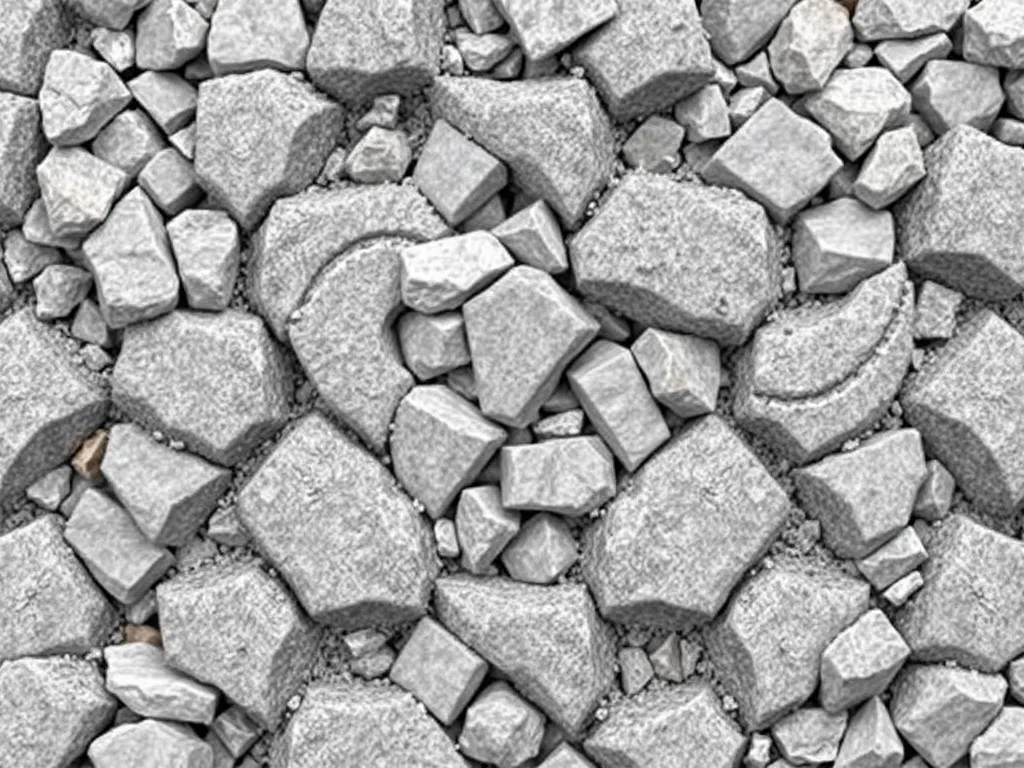
RAP comes from milled roads, parking lots, or driveways. It contains aged bitumen and aggregates that retain structural value. Modern plants blend RAP with virgin asphalt production materials at rates up to 30%, following ASTM D4886 guidelines. High-quality RAP mixes match the performance of new asphalt, saving $3–$5 per ton. Processing involves crushing old pavement, testing for consistency, and adjusting binder ratios to account for aged bitumen stiffness.
Reclaimed Asphalt Shingles (RAS)
RAS originates from discarded roofing shingles, which hold 20–30% asphalt cement. Shingles get ground into granules, replacing 3–5% of virgin bitumen in mixes. Challenges include removing contaminants like nails or wood fibers. Properly processed RAS lowers costs by up to 20% and diverts 11 million tons of annual roofing waste from landfills. Some states mandate RAS use in publicly funded projects to boost circularity.
Focus on sustainability drives this shift toward circular systems in paving. Looking at how sourcing and making asphalt affects our world shows why recycling matters.
Environmental Impact Of Asphalt Raw Materials
Asphalt production relies on raw materials that affect air, land, and water. New methods aim to cut harm while keeping roads strong.
Sustainability in Sourcing and Production
Aggregates make up 90-95% of asphalt by weight. Using local stone cuts transport fuel use. Mines now restore sites post-use, planting trees to aid soil. Warm-mix tech drops mixing temps by 50°F, slashing CO2 by 30%. Some plants use solar power, trimming grid needs by half.
Reducing Carbon Footprint With Recycling
Recycled asphalt makes up 15-30% of new mixes. RAP (reclaimed asphalt pavement) reuses 95% of old roads. RAS (reclaimed shingles) adds waste roof bits. Each ton of RAP saves 0.03 tons of CO2. Bio-binders from plants may soon replace 20% of bitumen. This cuts oil use and costs by up to $15 per ton.
These eco-friendly steps lead to common questions about asphalt basics. Let’s break down key facts next.
Frequently Asked Questions (FAQ)
What Are the Two Main Ingredients in Asphalt?
The two main ingredients in asphalt are bitumen, which acts as the binding agent, and aggregates, which provide the structural framework.
Is Asphalt Made From Crude Oil?
Yes, asphalt is primarily derived from crude oil through refining processes that convert heavy crude fractions into bitumen, the main binding material in asphalt.
How is Bitumen Extracted for Asphalt Production?
Bitumen is extracted during the distillation of crude oil, where heavy fractions are separated and further refined to produce the asphalt cement utilized in pavement construction.
What Percentage Of Asphalt is Recycled Materials?
Recycled materials can make up 15-30% of new asphalt mixes, with Reclaimed Asphalt Pavement (RAP) being a primary source for these recycled components.
What Chemicals Improve Asphalt Durability?
Chemicals such as polymer modifiers (like SBS), antioxidants, and stabilizers are commonly added to enhance the durability and longevity of asphalt products.
Why Are Polymers Used in Asphalt?
Polymers are used in asphalt to improve its flexibility and overall performance, helping to prevent issues such as cracking and rutting, especially in high-traffic conditions.
How Do Recycled Materials Affect the Performance Of Asphalt?
Recycled materials, like RAP and RAS, can improve the performance of asphalt by providing valuable properties from aged bitumen and maintaining structural integrity while reducing costs.
What is the Role Of Additives in Asphalt Production?
Additives are used to modify the properties of asphalt, improving its resistance to aging, cracking, and changes in temperature. They can also enhance the adhesion between bitumen and aggregates.
How Does the Gradation Of Aggregates Affect Asphalt Performance?
The gradation of aggregates is crucial for asphalt performance as it affects the mix’s density, drainage capabilities, and load-bearing capacity. Proper gradation ensures a well-structured base for the pavement.
What Environmental Benefits Come From Using Recycled Asphalt Materials?
Using recycled asphalt materials reduces landfill waste, conserves natural resources, and decreases the carbon footprint associated with asphalt production by reusing existing materials effectively.
Closing Thoughts
Raw materials are the backbone of asphalt production. Bitumen serves as the crucial binding agent, while aggregates create the structural integrity of the asphalt mix. Additionally, the use of additives can significantly enhance performance, ensuring longevity and resilience against harsh conditions.
The transition from crude oil to high-quality asphalt involves meticulous refining processes. This not only guarantees optimal bitumen but also optimizes the cost-effectiveness of asphalt for various applications. Moreover, incorporating recycled materials, such as Reclaimed Asphalt Pavement (RAP), promotes sustainability and reduces environmental impact.
Understanding the components and processes behind asphalt production allows for smarter choices in construction and maintenance. For more information on asphalt and its materials, check out Asphalt Calculator USA.
Additional Resources for You:
- Roberts, F. L., Kandhal, P. S., Brown, E. R., Lee, D. Y., & Kennedy, T. W. (1996). Hot Mix Asphalt Materials, Mixture Design, and Construction (2nd ed.). National Asphalt Pavement Association (NAPA).
- How asphalt cement is made – material, used, processing, components, dimensions, product, industry, machine
- Unveiling the Secrets of Asphalt Paving: From Raw Materials to Smooth Surfaces
- Asphalt Materials and Paving Mixtures Asphalt Materials and …
- What Are The Raw Materials For Asphalt Plant?