Quick Installation Of Asphalt Surfaces: Get Your Project Done Right—fast
Published on: March 28, 2026 | Last Updated: April 14, 2025
Written By: George Voss
Quick installation of asphalt surfaces uses hot-mix asphalt (HMA) to create driveways, roads, or parking lots in 24-72 hours. Unlike concrete, which takes weeks to cure, asphalt hardens as it cools. This method requires precise grading, a compacted aggregate base, and rollers for fast compaction. Costs range $3-$5 per square foot for residential projects. Professionals use infrared heaters or additives like Evotherm to speed curing. DIYers can tackle small patches with bagged cold-mix asphalt but need plate compactors for proper density.
This guide breaks down the process. Learn how to prep the subgrade with gravel layers, calculate materials using our asphalt tonnage calculator, and choose between steel-wheel or vibratory rollers. Discover why PG 64-22 binder works best in most climates and how tack coats prevent cracks. We’ll cover cost-saving strategies, weather-proofing tips for winter paving, and when to hire a pro versus DIY. Maintenance steps like crack sealing within 6 months and infrared patching methods are also included.
Contents
- Introduction to Quick Asphalt Installation
- Preparation for Speedy Asphalt Paving
- Steps for Rapid Asphalt Surface Installation
- Cost Considerations for Quick Asphalt Installation
- How to Speed Up Asphalt Setting
- DIY Vs. Professional Asphalt Installation
- Maintaining Quickly Installed Asphalt Surfaces
- FAQ: Quick Asphalt Installation
- Closing Thoughts
- Useful References for You:
Introduction to Quick Asphalt Installation
Installing pavement rapidly requires materials suited for speed without compromising quality. Asphalt’s unique properties let crews complete projects 2-3 times faster than concrete, making it the top pick for roads, driveways, and parking lots needing timely results.
What Makes Asphalt Ideal for Rapid Installation?
Hot-mix asphalt combines binder bitumen with crushed stone, sand, or recycled materials. Mixed at 300°F, it stays pliable for efficient transport and spreading. Unlike concrete, which needs days to cure, asphalt gains strength within hours through compaction. PG (performance-graded) binders resist cracking in extreme temperatures, while Superpave mix designs optimize durability under heavy loads.
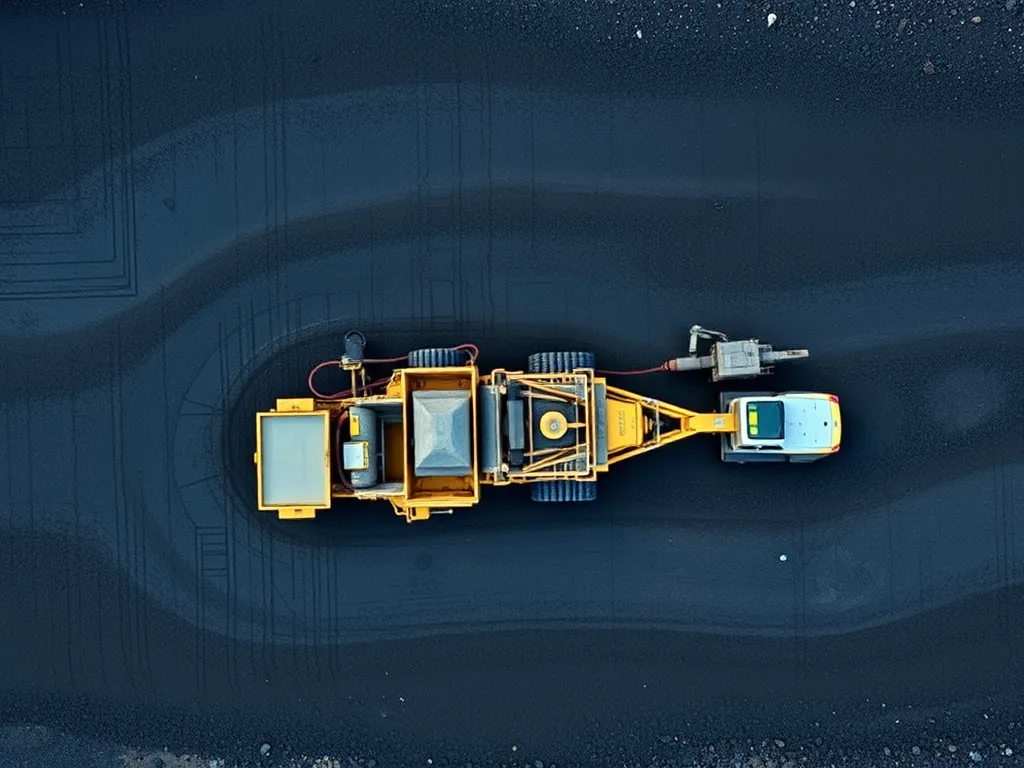
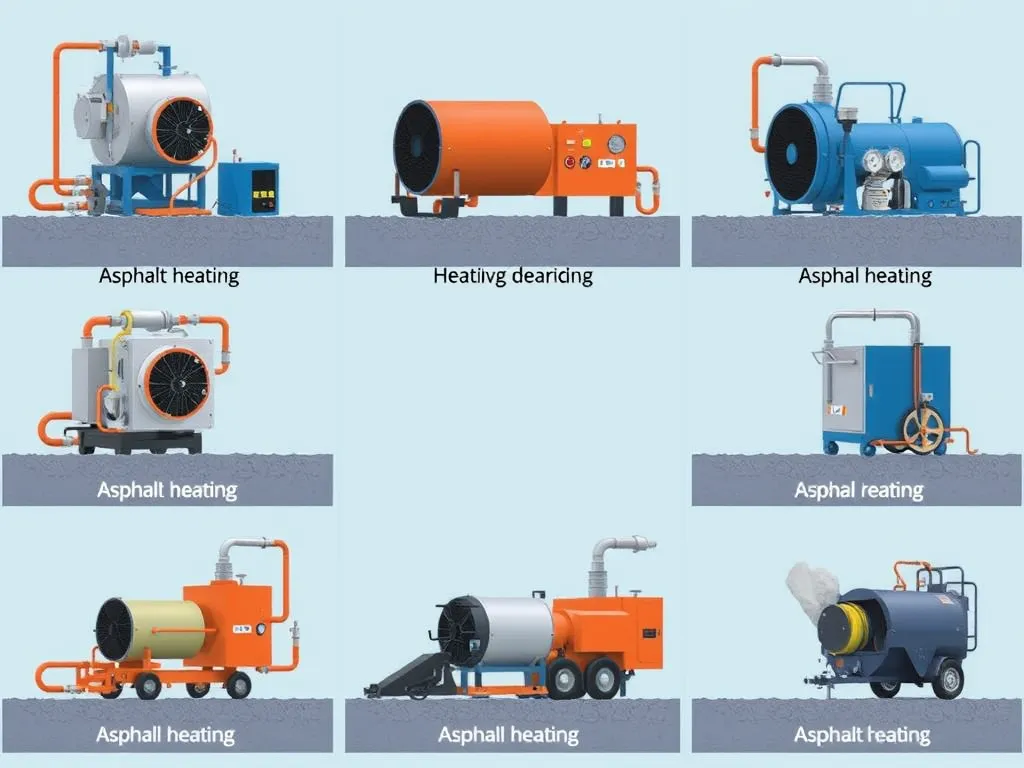
Modern equipment like infrared heaters reheat existing layers for seamless repairs, slashing project timelines. Paving crews can lay 500+ tons daily, covering 10,000 sq ft in under 8 hours. This efficiency minimizes disruptions in high-traffic zones.
Key Benefits Of Fast Asphalt Surfaces
Quick installation cuts labor costs by 30-50% compared to concrete. Projects finish faster, reducing road closure fees or business downtime. Freshly laid pavement withstands traffic in 24-48 hours, versus 7+ days for concrete. Recycled asphalt (RAP) mixes reuse up to 100% of old material, lowering disposal needs and material costs by $15-$25 per ton.
Dense-graded surfaces shed water within 2% slope tolerance, preventing pooling. Properly compacted layers last 15-20 years with minimal upkeep. Infrared patching fixes potholes in 30 minutes, keeping maintenance swift.
Ready to ensure your project stays on track? Proper groundwork sets the stage for speedy results.
Preparation for Speedy Asphalt Paving
Proper groundwork determines how swiftly new pavement gets installed. Efficient prep cuts project timelines by up to 30% while boosting longevity. Let’s break down critical steps.
Essential Tools and Equipment for Rapid Installation
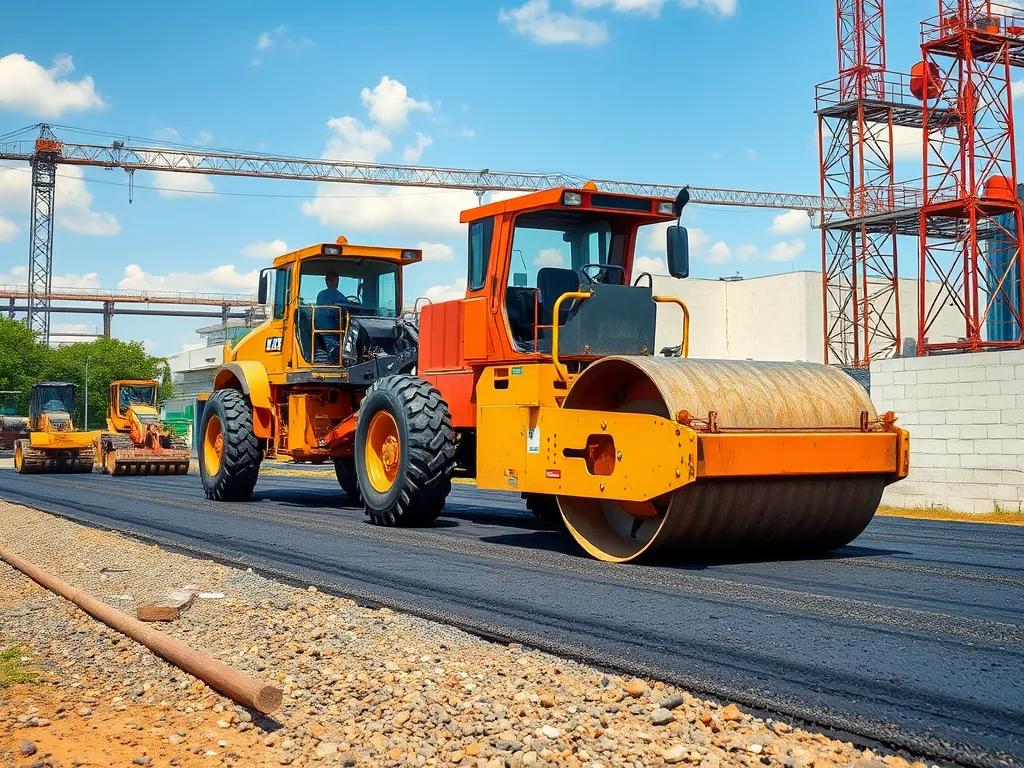
High-output machinery speeds up operations. Tracked pavers lay mix at 25-100 feet per minute. Vibratory rollers (8-12 tons) compact layers in 2-4 passes. Infrared heaters reheat existing edges for seamless joints. Use skid steers with milling heads to remove old surfacing at 500 sq ft/hour.
| Tool | Function | Output |
|---|---|---|
| Material transfer vehicle | Keeps mix hot | Reduces cooling by 50% |
| Laser screed | Levels surface | Cuts manual labor by 70% |
Clearing and Leveling the Installation Area
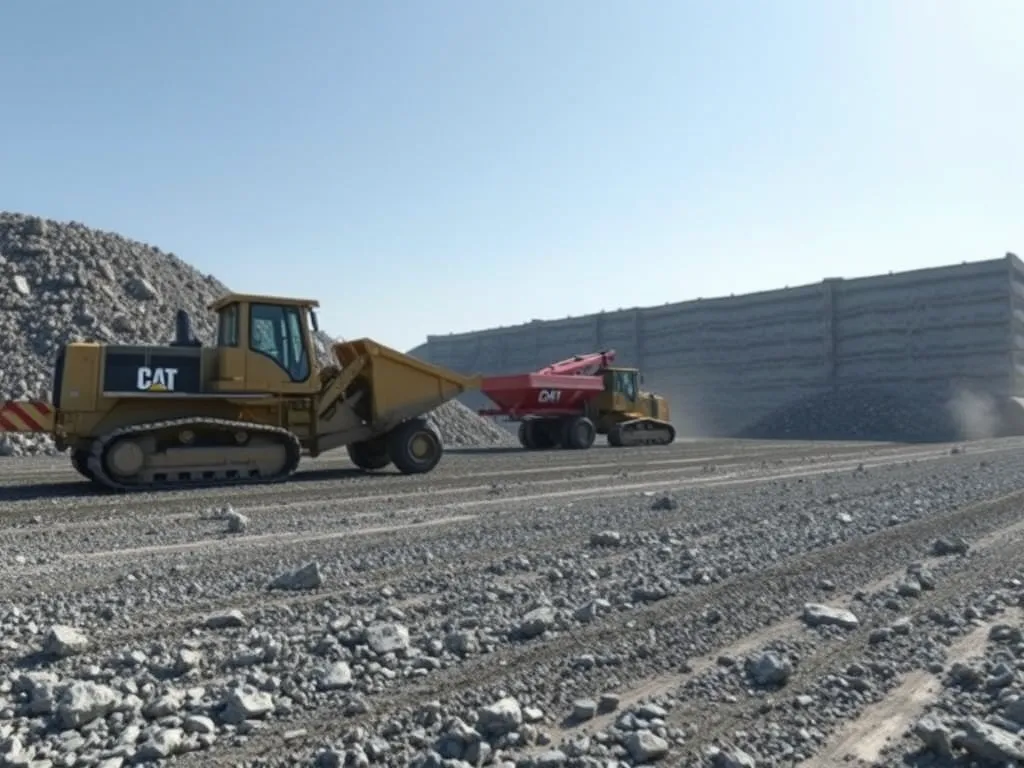
Remove rocks, roots, or debris with graders or bulldozers. Laser-guided systems grade sites within 1/8-inch tolerance. Compact subgrades to 92% density using sheepsfoot rollers. Proper drainage slopes (2% minimum) prevent water pooling under pavement.
Choosing and Compacting Base Materials
Crushed stone (3/4” minus) forms the best sub-base. Spread 6-8 inch layers with tracked spreaders. Compact each layer to 95% Proctor density using vibratory plates. Geotextile fabrics under bases reduce settling risks by 40%. Test compaction with nuclear density gauges for real-time results.
With the site prepped, the next phase focuses on mix placement techniques. Properly heated binders ensure smooth spreading without delays.
Steps for Rapid Asphalt Surface Installation
Fast asphalt surface install needs sharp steps. Work smart to cut time and boost strength. Plan each phase with care.
Calculating Asphalt Quantity (Mention Asphalt Calculator Resource)
Get math right first. Use our Asphalt Calculator tool. Plug in length, width, depth (in inches). Aim for 145 lbs per cubic foot. Wrong counts waste time or leave gaps. Save 10% extra for fixes. Hit exact needs to skip delays.
Laying and Spreading Asphalt Efficiently
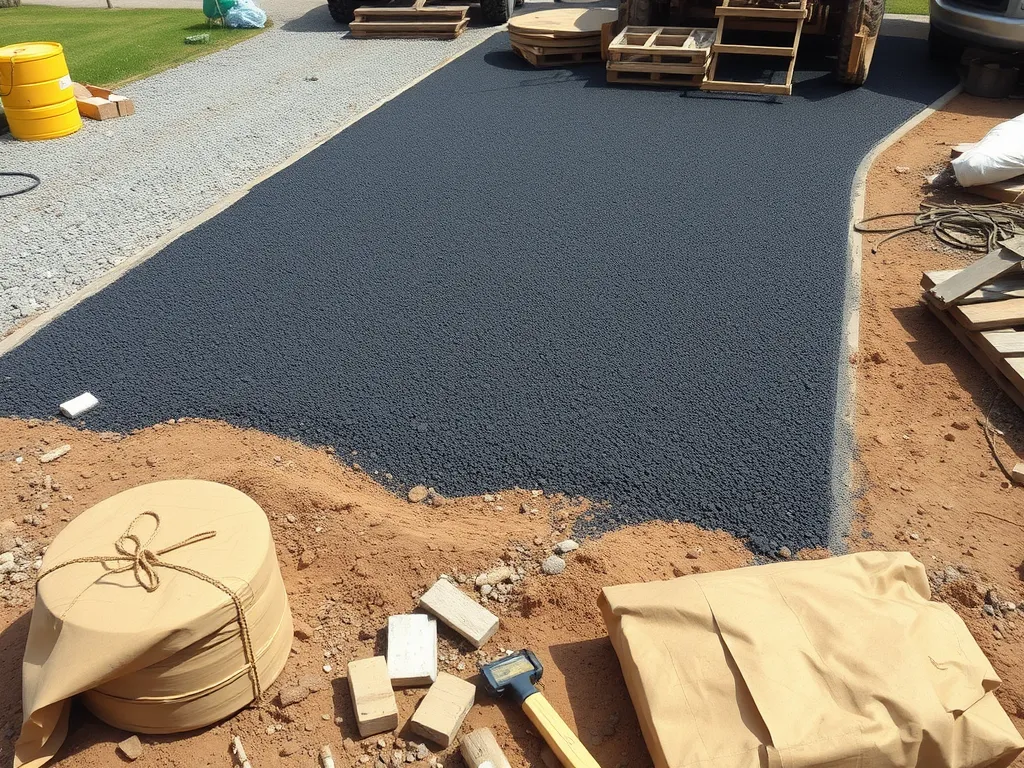
Pour hot mix at 275°F. Use a paver machine for even spread. Keep layers 2-3 inches thick. Team up: one feeds mix, one guides the paver. Watch for bumps. Speed matters but keep edges clean. Cool mix slows work.
Compacting for Durability and Smoothness
Roll fast once poured. Start with steel roller at 300°F. Press down 3-5 times per spot. Switch to pneumatic roller for finish. Check for dips with a straightedge. Firm pack stops cracks. Let temps drop below 185°F? Stop. Redo risks weak spots.
Curing Tips to Accelerate Setting Time
Block rain, sun for 24 hours. Use tarps if needed. Add warm mix asphalt (WMA) to cut cure time by 30%. Fans help in cold zones. Test hardness with a thumb press—no dent means go. Wait 72 hours for cars. Seal after 14 days.
Set for use? Now weigh costs. Smart plans save cash and time.
Also See: Asphalt Energy Efficiency in Construction: Benefits
Cost Considerations for Quick Asphalt Installation
Quick asphalt surfacing saves time but needs smart budget plans. Costs shift based on project size, mix types, and labor needs. Fast work may need more crew or gear, but cuts long-term upkeep fees.
Factors Influencing Fast Asphalt Driveway Costs
Material grade tops the list. PG 64-22 binder mix costs $2-$5 per sq ft. Additives like warm mix asphalt (WMA) add $0.30-$0.70 per sq ft but speed lay times. Base prep matters—6″ crushed stone base adds $1.50-$3 per sq ft. Labor runs $40-$80 per hour. Rentals like vibratory rollers hit $200-$400 daily. Fast-track jobs may need overtime pay or night work fees.
Estimating Expenses for a 20×20 Asphalt Driveway
A 20×20 space (400 sq ft) with 2″ asphalt layer needs ~4.5 tons. At $100-$150 per ton, materials cost $450-$675. Add $600-$1,200 for base work. Labor for fast install adds $800-$1,600. Total ranges $1,850-$3,475. Quick methods cost 10-20% more than standard paving but save 1-2 days. Use an asphalt calculator to tweak depth or size.
Speed meets value when planned right. Next, let’s explore how weather and mix tweaks slash cure times.
How to Speed Up Asphalt Setting
Fast asphalt surfacing needs smart timing and mix tweaks. Two factors play key roles: weather control and material science.
Optimal Weather and Temperature Conditions
Asphalt cures best in dry air with temps between 50°F and 85°F. Cold below 40°F slows curing. Hot over 90°F risks cracks. Use ground warmers in chill. For heat, spray water on fresh mix to cool it. Track forecasts – rain in the first 24 hours ruins bond strength. Night work? Use infrared lamps to hold 60°F on the mat.
Material Additives for Faster Curing
PG binders (like PG 76-22) cut set time by 30% vs standard grades. Warm mix asphalt tech lets crews pave in cooler air. Additives like Evotherm® or Sasobit® lower mix temps to 250°F, speeding roll-out. Rejuvenators boost old binder life for reuse in rapid installs. Cost: additives add 10-15% to material spend but save 2-4 hours per job.
Nail the prep and mix tweaks. Next up: when to DIY vs call pros for fast-track jobs.
DIY Vs. Professional Asphalt Installation
Choosing between self-installed and pro-level asphalt work impacts project speed and quality. Small patches under 100 sq.ft. may suit DIY methods. Larger projects like driveways or parking lots demand contractor-grade tools for rapid asphalt surfacing.
When to Hire a Contractor for Rapid Results
Contractors cut installation time by 60-75% compared to DIY efforts. Commercial crews use thermal profiling to heat mixes to 300°F, ensuring workable material even in cooler climates. Infrared heaters repair base layers in minutes, eliminating 8-12 hour curing waits common with manual methods.
| Factor | DIY | Professional |
|---|---|---|
| Time per 500 sq.ft. | 3-5 days | 6-8 hours |
| Compaction rate | 85-90% density | 96-98% density |
| Cost range | $2-$4/sq.ft. | $4-$8/sq.ft. |
Opt for fast asphalt surface installation with pros when dealing with polymer-modified mixes (PMA) or stone matrix asphalt (SMA). These materials require precise temperatures of 280-320°F and steel-drum rollers weighing 10+ tons – equipment rarely available to homeowners. Contractors also handle aggregate base compaction at 95% Proctor density, preventing cracks that add repair time later.
Fast-track projects demand more than just speed. Proper care starts the moment the asphalt cools to 140°F.
Maintaining Quickly Installed Asphalt Surfaces
Fast asphalt surface installation gains value when paired with smart upkeep. Proper care preserves structural integrity while reducing long-term repair needs.
Sealing and Repairing for Longevity
Sealcoating every 2-3 years shields surfaces from oxidation, UV rays, and fluid spills. Use coal tar or asphalt-based sealants at $0.15-$0.25 per sq.ft. Address cracks within 48 hours using rubberized filler to prevent water seepage. For potholes:
- Clean debris from damaged areas
- Apply tack coat for adhesion
- Compact polymer-modified hot mix asphalt
Rapid-set patching materials achieve full cure in 1-2 hours, letting you reopen lanes faster. Thermal imaging scans detect subsurface voids early, cutting repair costs by 40%.
Environmental Considerations in Asphalt Care
Modern asphalt mixes blend performance with eco-efficiency. Recycle milled material (RAP) at 30% content without losing strength. Porous asphalt systems manage stormwater, slashing runoff by 50-75%. Key green practices:
- Use warm-mix asphalt (250°F vs traditional 300°F) to lower fuel use
- Apply bio-based release agents on equipment
- Choose low-VOC sealants with 90% less fumes
Infrared heaters for repairs cut emissions by 65% compared to full-depth replacements. Solar-powered compaction tools now handle 8-hour shifts on single charges.
Want to tackle common queries about preserving fast asphalt surfaces? The next section breaks down key questions contractors hear weekly.
FAQ: Quick Asphalt Installation
How Long Does It Take to Install Asphalt?
Typically, the installation of asphalt can be completed in a day for smaller projects, while larger areas might take a couple of days. However, once installed, asphalt can be driven on within 24 to 48 hours, a significant advantage over concrete which takes much longer to cure.
What Do You Put Down Before Asphalt?
Before installing asphalt, it is crucial to lay down a solid base, usually consisting of compacted crushed stone. This provides stability and prevents settling. Additionally, a tack coat may be applied to enhance the bond between the base material and the asphalt layer.
How Much Does a 20×20 Asphalt Driveway Cost?
For a 20×20 asphalt driveway, the costs can vary significantly based on various factors such as materials, labor, and local pricing. On average, you can expect to pay between $1,850 and $3,475, depending on your specific requirements and whether the installation is done quickly or traditionally.
How Can I Make My Asphalt Set Faster?
To speed up the setting of asphalt, consider using warm mix asphalt, which can reduce curing time by 30%. Additionally, ensuring optimal weather conditions and using additives can greatly enhance curing efficiency. Covering the fresh asphalt to protect it from rain and excessive sun for the first 24 hours also helps facilitate quicker setting.
Closing Thoughts
Quick installation of asphalt surfaces offers both efficiency and cost-effectiveness, catering to various projects, from driveways to parking lots. By properly preparing the area, using the right tools, and following a streamlined process, you can achieve durable results in less time. Remember to consider optimal weather conditions and make use of material additives to enhance setting speeds.
For accurate calculations and further resources on process optimization, visit Asphalt Calculator USA. Stay informed to ensure your asphalt projects not only look great but also stand the test of time.
Useful References for You:
- Kett, I. (1999). Asphalt Materials and Mix Design Manual. Oxford: Elsevier Science.
- Pavement Installation: The 9-Step Process Asphalt Paving Contractors Use | Bituminous Roadways Blog
- The Basics of Asphalt Paving – Lone Star Paving
- Our 7-Step Asphalt Pavement Installation Process Guide – Surface Solutions Blog
- Exploring Asphalt Services: A Guide to Different Types of Pavement Solutions – Premier Paving Contractor – Pickett’s Paving