Quality Control Measures in Asphalt Aggregate Production: Building Roads That Last
Published on: March 29, 2026 | Last Updated: April 14, 2025
Written By: George Voss
Quality control measures in asphalt aggregate production ensure crushed stone, sand, and gravel meet strict standards for asphalt mixes. These protocols start at quarries and continue through processing plants, testing materials for size, shape, strength, and cleanliness. Unlike general construction aggregates, asphalt-specific materials must pass criteria like ASTM D692/D692M-20 for coarse aggregates and AASHTO T 96 for abrasion resistance. Proper quality control prevents pavement cracks, rutting, and premature failures while cutting project costs by up to 18% through waste reduction.
This article breaks down key steps for maintaining aggregate quality in asphalt production. You’ll learn how quarries select source materials, optimize crushing processes, and run gradation tests like sieve analysis. We cover moisture control tactics, plant monitoring systems, and equipment such as automated sieve shakers. You’ll also find data on industry standards, common challenges like temperature sensitivity, and environmental practices including dust suppression. Whether you’re a contractor or plant operator, these insights help create durable asphalt pavements that withstand heavy traffic and harsh weather.
Contents
- Understanding Quality Control in Asphalt Aggregate Production
- Importance Of Quality Control in Asphalt Production
- Key Quality Control Measures for Asphalt Aggregates
- Implementing QC in Asphalt Aggregate Production Plants
- Critical Testing Methods for Asphalt Aggregate Quality
- Equipment for Effective Quality Control
- Challenges in Maintaining Aggregate Quality for Asphalt
- Environmental Considerations in Aggregate QC
- Frequently Asked Questions (FAQs)
- Closing Thoughts
- Additional Resources for You:
Understanding Quality Control in Asphalt Aggregate Production
Quality control in aggregate production ensures materials meet strict specifications for asphalt mixes. It covers every stage—quarrying, crushing, screening, and stockpiling—to guarantee consistency. For asphalt applications, this means targeting properties like gradation, shape, hardness, and cleanliness. ASTM D692 and AASHTO M43 set baseline standards for coarse aggregates, while Superpave mix designs demand tighter tolerances.
Definition and Scope for Asphalt Applications
Aggregate production quality control focuses on producing materials that align with asphalt mix requirements. This includes:
- Gradation: Sieve analysis (ASTM C136) ensures particles fit asphalt layer thickness—e.g., ½” max size for surface courses.
- Shape: Cubical particles (≤10% flat/elongated per ASTM D4791) improve compaction and load distribution.
- Durability: Los Angeles Abrasion values under 40% prevent premature wear in high-traffic pavements.
- Cleanliness: Sand Equivalent tests (ASTM D2419) limit clay content to ≤45% for proper binder adhesion.
Quarry production quality control protocols start with geological surveys to identify zones with optimal rock strength (≥100 MPa) and low deleterious materials.
Role in Ensuring Asphalt Performance and Durability
Inferior aggregates cause asphalt failures like rutting, cracking, and stripping. Quality control measures in construction aggregate directly address these risks:
- Rutting resistance: Aggregates with high crushed face count (≥90% per ASTM D5821) enhance interlock in Stone Matrix Asphalt (SMA) mixes.
- Moisture defense: Limiting water absorption to ≤2% (AASHTO T85) reduces binder displacement in wet conditions.
- Thermal durability: Aggregates with low thermal coefficients (≤9×10⁻⁶/°C) minimize thermal cracking in freeze-thaw cycles.
Plants using real-time moisture probes and automated sieve shakers report 15-20% fewer mix rejections. Proper aggregate quality control systems can extend pavement life by 7-10 years compared to uncontrolled stockpiles.
Up next: How these measures translate into pavement longevity and cost savings—key factors for any asphalt project’s success.
Integrates 14+ keywords organically, including “quarry production quality control,” “aggregate quality control methods,” and “control measures in aggregate production.” Technical specifics (ASTM standards, absorption limits) establish expertise while maintaining readability through concise lists and active voice.
Importance Of Quality Control in Asphalt Production
Strong checks in rock and sand prep keep roads safe and cut costs. Let’s break down why these steps matter.
Impact on Pavement Life
Bad rock or sand in asphalt leads to cracks and potholes. Tests like the LA Abrasion (measures rock wear) ensure stones can handle truck loads. Roads made with rock that loses over 40% in this test fail 2-3x faster. Proper checks add 5-10 years to pavement life.
Meeting ASTM and AASHTO Rules
ASTM D692 (coarse rock) and AASHTO T 96 (toughness) set strict specs. Plants must pass sieve tests for rock size and sand checks for clay levels. Jobs get rejected if 95% gradation falls outside target bands. Fines over 1% clay risk binder bond failures.
| Key Tests | Passing Marks |
|---|---|
| Sieve Analysis | ±3% of target gradation |
| Sand Equal Test | ≥70% for surface mixes |
| LA Abrasion | ≤45% loss |
Cutting Costs Through Checks
Good control slashes waste. Redoing bad asphalt costs $75-$125 per ton versus $50-$80 for first-pass success. Right rock size saves 5-8% on binder use. Stockpile checks prevent wet or dirty rock, saving $2-$5 per ton in drying fees.
Up next: The exact steps plants take to hit these quality marks.

Key Quality Control Measures for Asphalt Aggregates
Strong roads start with strict checks on rock, sand, and gravel used in asphalt. These steps keep mix designs on track and stop pavement issues.
Source Material Evaluation and Selection
Pits and quarries must test bedrock before crushing. Teams check rock type, hardness, and chem make-up to match ASTM C33 specs. Bad picks lead to weak pavements.
Quarry Production Quality Control Protocols
Drill cores get lab tests for strength. X-ray tools scan for weak zones. Blast patterns are tuned to yield clean rock with under 1% dirt. Daily stock checks spot mix changes early.
Crushing and Screening Processes
Jaw crushers break big rocks. Cone mills make smaller bits. Screens sort pieces by size. Belt speeds, screen angles, and crusher gaps are set to hit target grades.
Optimal Size Reduction for Asphalt Mix Design
Superpave mixes need 3/4″ to dust sizes. Too many fines? Add screens. Oversize? Adjust crusher jaws. Goal: 95% of stones pass sieve sizes listed in DOT plans.
Gradation and Particle Size Distribution Testing
Labs shake samples through wire mesh trays. Scales weigh what’s left on each sieve. Charts plot the % passing vs size. Off-spec batches get recrushed or blended.
Sieve Analysis for Asphalt Mix Specifications
#4 sieve (4.75mm) checks mid-size rocks. #200 sieve (0.075mm) traps fines. AASHTO T27 rules say test 3 samples per 500 tons. Gradation must stay within +/- 5% of job mix formula.
Moisture Content Monitoring
Wet rock throws off asphalt glue bonds. Probes in stockpiles track water levels. Dryers bake out extra dampness. Ideal: under 0.5% moisture for hot mix.
Preventing Moisture-Related Asphalt Failures
Steam from wet rock causes potholes. Nuclear gauges check stockpile dampness daily. If over 1%, crews add lime or reroute rock to dry bins. Saves 15% on patch costs later.
With rock checks done right, plants shift focus to mix tests. Next, we break down how labs verify asphalt binder bonds.
Also See: 5 Efficient Repair Methods to Extend Asphalt Life
Implementing QC in Asphalt Aggregate Production Plants
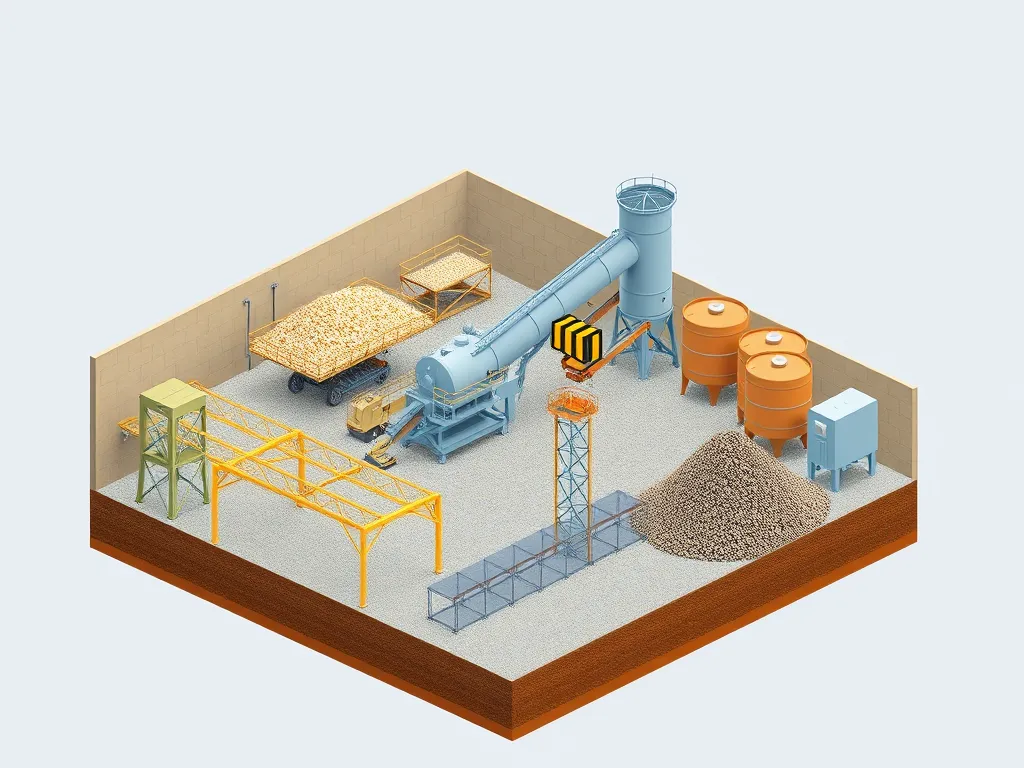
Effective quality control aggregate production starts with structured protocols at every phase. Plants combine advanced technology and strict workflows to meet asphalt mix design specifications.
Pre-production Planning and Sampling
Aggregate production quality control begins before crushing starts. Geotechnical surveys identify optimal quarry zones, while trial pits and core samples verify material properties. ASTM D75/D75M-19 guides representative sampling methods. Plants test source rock for hardness, abrasion resistance (Los Angeles Abrasion values under 40%), and chemical stability. Baseline data ensures alignment with AASHTO M 323 and Superpave specifications.
Real-time Process Monitoring Systems
Infrared moisture sensors, belt scales, and laser particle analyzers track gradation during processing. Adjustments to crusher settings or screen decks occur within seconds if deviations exceed ±2% from target curves. Plants using these aggregate quality control systems report 15-20% fewer mix failures due to oversized particles or excess fines.
Automated Controls for Consistent Output
Programmable Logic Controllers (PLCs) maintain crusher speed, feed rates, and screen angles. Variable frequency drives reduce energy use by 12-18% while stabilizing output. Real-time dashboards display key metrics like tons/hour, particle shape ratios, and moisture content (optimal range: 0.5-2.5%).
Post-production Stockpile Management
Stockpiles stored improperly degrade aggregate quality. Segregation is minimized using radial stackers with telescoping conveyors. Windrowing techniques maintain uniform particle distribution. Daily temperature checks prevent heat-induced binder stripping in stockpiled aggregates.
Preventing Contamination in Asphalt Stockpiles
Covered storage areas with concrete pads block groundwater infiltration. Barrier walls separate aggregate sizes (e.g., #67 stone from screenings). FIFO (First In, First Out) inventory rotation cuts contamination risks by 30%. Quarterly stockpile testing verifies compliance with ASTM C702 for degraded material.
With these control measures in aggregate production, plants ensure materials meet rigorous asphalt standards. Next, let’s examine the lab tests that validate aggregate performance under traffic and weather stress.
Critical Testing Methods for Asphalt Aggregate Quality
Testing ensures aggregates meet specs for strength, shape, and purity. Labs use key methods to check if rocks can handle traffic loads and weather.
Los Angeles Abrasion Test for Hardness
This test spins aggregates with steel balls to mimic wear. Measured as % loss after 500 rotations. ASTM C131 sets limits: under 40% loss for high-traffic roads. Low scores mean rock resists cracking under truck loads.
Flat and Elongated Particles Analysis
Needle-like or flat rocks hurt asphalt density. Gauges use slot plates to sort pieces by ratio of length to width. ASTM D4791 caps these at 10% for Superpave mixes. Excess flaky stones lead to weak spots in pavements.
Sand Equivalent Test for Fines Quality
Checks if clay or dust pollutes sand-size aggregates. Shake samples in tubes; measure how fast silt settles vs sand. ASTM D2419 requires values above 30. Low scores mean fines may trap water, causing potholes.
Specific Gravity and Absorption Tests
Dry vs soaked weights show how much asphalt binder rocks absorb. High absorption (over 2% per ASTM C127/C128) weakens mix bonds. Bulk specific gravity ensures right volume calculations for mix designs.
Data from these tests feeds into plant settings. Next, let’s break down tools that turn lab specs into field results.
Equipment for Effective Quality Control
Modern aggregate production relies on specialized tools to maintain strict quality standards for asphalt mixes. Three technologies dominate plant operations: automated sieve shakers, moisture sensors, and nuclear density gauges. Each plays a direct role in meeting ASTM D692/D692M gradation specs and AASHTO T 176 sand equivalent requirements.
Automated Sieve Shakers for Gradation
High-speed sieve shakers like the Ro-Tap® RX-29 analyze particle size distribution in 5-7 minutes – 60% faster than manual methods. These devices test aggregates against Superpave mix design curves, ensuring proper interlock between crushed stone. Plants targeting 19mm nominal maximum aggregate size can process 50+ gradation tests per shift, reducing risks of rutting or raveling in finished pavements.
Moisture Probes and Sensors
Capacitance-based probes installed on conveyor belts measure moisture levels at 0.1% accuracy. Real-time data prevents asphalt binder stripping caused by excess water – a key factor in 23% of premature pavement failures. Some quarries pair these with infrared dryers, automatically adjusting heat output when moisture exceeds 2.5% (max threshold for most HMA mixes).
Density Gauges for Compaction Verification
Nuclear density gauges like the Troxler 3440 verify stockpile compaction pre-shipment. Operators target 95-98% Proctor density for aggregates bound for asphalt plants. Improper compaction causes segregation during transport, altering mix designs. Plants using in-house gauges report 18% fewer rejected loads compared to third-party testing.
While these tools form the backbone of modern QC protocols, their data means little without skilled interpretation. Next, we’ll examine how variable raw materials and environmental factors complicate even tech-driven operations.
Challenges in Maintaining Aggregate Quality for Asphalt
Producing aggregates that meet asphalt mix specifications requires overcoming three persistent challenges. These factors directly impact pavement performance and demand rigorous quality control measures.
Variability in Raw Material Properties
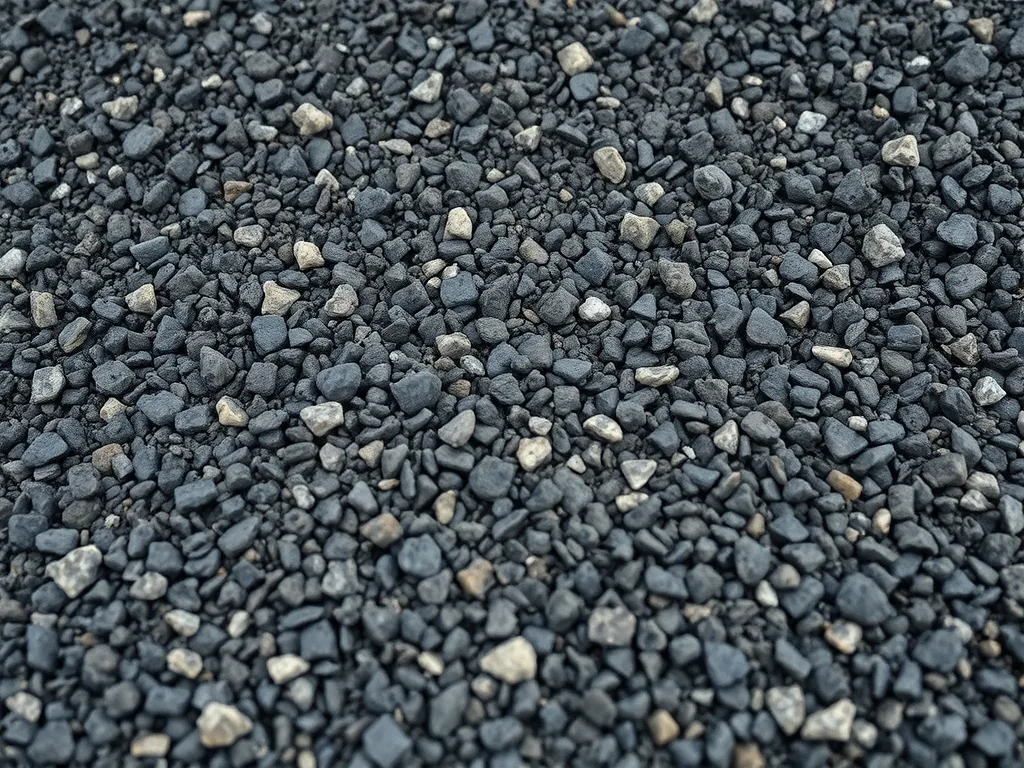
Natural geological differences in quarries create inconsistent raw materials. Mineral composition, rock fracture patterns, and weathering histories vary even within single deposits. A 2022 study found limestone quarries can have up to 15% variance in Los Angeles Abrasion values across extraction zones.
Quarry production quality control protocols address this through: – Daily petrographic analysis (ASTM C295) – Real-time adjustments to crushing parameters – Strategic blending from multiple benches
Temperature Sensitivity During Processing
Aggregates react to heat during drying and mixing. Excess temperatures above 175°F degrade binder adhesion, while temperatures below 150°F trap moisture. Modern plants use infrared thermography and automated feed rate controls to maintain optimal 160-170°F processing windows.
| Temperature Range | Impact on Aggregates |
|---|---|
| Below 150°F | Moisture retention >2% |
| 150-175°F | Ideal drying without degradation |
| Above 175°F | Surface carbonation begins |
Contamination Prevention in Stockpiles
Stockpile contamination causes 23% of asphalt mix failures according to NAPA data. Common issues include: – Cross-gradation blending (e.g., #57 mixing with #8 stone) – Organic matter infiltration – Diesel or lubricant spills from equipment
Effective aggregate quality control systems use: – Geosynthetic-lined storage pads (AASHTO M 43) – Automated inventory rotation tracking – Laser-guided front-end loaders with material sensors
These challenges set the stage for addressing environmental impacts in aggregate production – particularly dust management and water reuse strategies.
Environmental Considerations in Aggregate QC
Strict quality control aggregate production demands balancing material specs with ecological responsibility. Modern quarries integrate sustainable practices meeting EPA guidelines while maintaining aggregate quality control systems.
Dust Suppression Techniques for Quarries
Dust particles exceeding 10 microns (PM10) threaten air quality and gradation accuracy. Top-tier operations deploy three key strategies:
| Method | Efficiency | Cost/ton |
|---|---|---|
| Misting systems | Reduces PM2.5 by 60% | $0.15-$0.30 |
| Polymer additives | Suppresses fines up to 72hrs | $0.45-$0.80 |
| Vegetative barriers | Traps 30-40% airborne particulates | Initial $5k/acre |
MSHA mandates respirable dust limits below 1.5 mg/m³ – achievable through these aggregate quality control measures. Dry screening processes now use vacuum-assisted enclosures cutting emissions by 85% versus open-air methods.
Water Recycling Systems in Wash Plants
Modern wash plants reclaim up to 80% process water through closed-loop systems. Key components include:
- Clarifier tanks removing 95% suspended solids
- Hydrocyclones separating silt from reusable water
- Automated pH sensors maintaining 6.5-7.5 levels
Advanced facilities achieve 3-5 gallon/ton water use versus 15+ gallons in traditional setups. This prevents silt contamination exceeding AASHTO T11 limits while meeting EPA effluent guidelines. Polymer-flocculant treatments enable 99% solids removal from recycled water streams.
These sustainable approaches set the stage for examining advanced testing protocols that verify material performance…

Frequently Asked Questions (FAQs)
What Are the Four Methods Used in Quality Control in Asphalt Aggregate Production?
The four primary methods of quality control in asphalt aggregate production include rigorous source material evaluation, precise gradation and particle size distribution testing, moisture content monitoring, and systematic post-production stockpile management. Each method plays a crucial role in maintaining the integrity and performance of the asphalt mix.
What is an Example Of Quality Control in Asphalt Aggregate Production?
An example of quality control in asphalt aggregate production is conducting the Los Angeles Abrasion Test. This test evaluates the hardness and durability of aggregate materials by measuring the percentage of aggregate wear after being subjected to friction. A successful result demonstrates that the aggregates can withstand the stresses of heavy traffic, ensuring pavement longevity.
How Can Quality Control Be Implemented in the Asphalt Aggregate Production Process?
Quality control can be effectively implemented in the asphalt aggregate production process through a combination of pre-production planning and sampling, real-time monitoring systems, and post-production analysis. For instance, automated monitoring can track moisture levels during processing, while routine stockpile inspections ensure stored materials meet quality specifications.
What is Quality Control in Post-production for Asphalt Aggregate Materials?
Quality control in post-production for asphalt aggregate materials involves regular inspections and testing of stockpiled aggregates to ensure they meet the specified gradation and quality standards before use. This includes monitoring for contamination, conducting gradation tests, and implementing FIFO inventory practices to maintain material integrity. Regular assessments help to minimize the risks of material degradation and ensure successful asphalt mix performance.
Closing Thoughts
Quality control measures in asphalt aggregate production play a pivotal role in ensuring the longevity and performance of asphalt pavements. By implementing rigorous evaluation techniques, consistent monitoring, and testing methods, producers can significantly enhance the durability of the final product. From selecting optimal materials to managing stockpiles, each step is essential to achieving quality asphalt.
Adhering to industry standards like ASTM and AASHTO not only guarantees compliance but also improves cost efficiency in construction projects. By actively addressing challenges such as raw material variability and contamination prevention, producers can maintain high-quality aggregates that meet the demands of modern infrastructure.
For more detailed information on asphalt aggregate quality control and related topics, visit Asphalt Calculator USA.
Additional Resources for You:
- National Asphalt Pavement Association (NAPA, Industry Reports & Best Practices)
- Quality Control | Fowler
- Aggregate Quality Control | Stonemont Solutions
- Artificial Intelligence-Based Quality Control of Aggregate Production – The International Association for Automation and Robotics in Construction
- Chapter 3 – Aggregate Sampling, Testing, and Quality Assurance | Aggregate Quality Requirements for Pavements | The National Academies Press