Quality Control in Warm Mix Asphalt Production
Published on: March 28, 2026 | Last Updated: April 14, 2025
Written By: George Voss
Quality control in warm mix asphalt production ensures durable roads while cutting energy use. This process uses additives or foaming technology to mix asphalt at 20-40°F lower temperatures than traditional hot mix. Lower heat reduces fuel costs and greenhouse gases without sacrificing pavement strength. Producers test materials, monitor mixing, and verify compaction to meet specs like AASHTO M 332 and ASTM D3666.
This article breaks down warm mix asphalt production from start to finish. Learn how temperature controls prevent cracking. Explore lab tests for binder quality and field checks for density. Understand why moisture sensitivity matters and how WMA cuts CO2 emissions by 30% compared to hot mix.
Contents
- Understanding Warm Mix Asphalt (WMA)
- Warm Mix Asphalt Production Process
- Importance Of Quality Control in WMA Production
- Key Quality Control Measures in WMA Production
- How to Check Asphalt Quality in WMA Production
- Challenges in Warm Mix Asphalt Quality Control
- Environmental Considerations in WMA Production
- FAQ: Quality Control in Warm Mix Asphalt
- Closing Thoughts
- Additional Resources for You:
Understanding Warm Mix Asphalt (WMA)
Warm Mix Asphalt (WMA) uses advanced technologies to produce durable paving materials at lower temperatures than traditional methods. This approach cuts energy use by 20-35% while maintaining performance standards. Its growing adoption in road construction demands rigorous quality control to balance efficiency with structural integrity.
Definition and Composition Of Warm Mix Asphalt
WMA combines aggregates (crushed stone, sand), asphalt binder (PG 64-22 or PG 70-28), and specialized additives. These additives—like organic waxes (Sasobit), chemical surfactants (Evotherm), or water-based foaming agents—lower mixing temperatures to 230-320°F, compared to HMA’s 300-350°F range. Foaming technology injects small water doses into hot binder, creating a foam that coats aggregates evenly at reduced heat.
- Key components: 95% aggregates, 5% binder + additives
- Common additives: Zeolites (Advera), fatty acid amides
Key Differences Between WMA and Traditional Hot Mix Asphalt
Temperature management defines WMA quality control. While HMA relies on high heat (300°F+) for proper binder-aggregate bonding, WMA achieves similar results at 230-275°F through additive-driven viscosity reduction. This 30-100°F drop demands precise monitoring to prevent incomplete coating or premature cooling.
- Energy use: WMA plants consume 15-20% less fuel
- Emissions: 30-50% lower CO₂ and fumes versus HMA
- Curing time: WMA compacted within 15-30 minutes post-laydown
Quality assurance in warm mix asphalt production requires stricter additive dosage controls and real-time temperature tracking. Infrared thermometers and plant sensors verify mix consistency, ensuring binder remains workable despite lower heat levels. Compaction must occur faster due to accelerated cooling rates—a critical factor in achieving target 92-96% density.
Next, we’ll break down the WMA production process step-by-step, highlighting where quality control measures intersect with material handling and mixing operations.
Warm Mix Asphalt Production Process
Producing durable warm mix asphalt demands precise execution at every stage. Lower temperatures set WMA apart from traditional methods, making each step vital for pavement performance.
Steps in WMA Production
Three phases define warm mix asphalt creation. Each requires strict quality control warm mix asphalt protocols to meet AASHTO or ASTM standards.
Aggregate Preparation and Drying
Aggregates are heated to 230-280°F, 30-100°F lower than hot mix asphalt. Moisture content stays below 0.5% to prevent binder stripping. Laser gradation analyzers verify particle size distribution matches Job Mix Formulas within ±2% tolerance.
Mixing with Additives or Foaming Technology
Two methods dominate: chemical additives (wax-based Sasobit or amine-based Evotherm) or water-based foaming. Foaming injects 1-3% water into 300°F binder, expanding volume by 10x for better coating. Mixers run at 225-275°F – 50°F cooler than HMA – cutting fuel use by 20%.
Temperature Control During Production
Thermocouples track mix temps every 15 minutes. WMA leaves the plant at 215-275°F, versus 300-350°F for HMA. Even a 15°F drop can raise air voids by 1%, risking moisture damage if unchecked.
Role Of Additives in WMA Quality
Additives directly impact warm asphalt mix quality assurance. Organic waxes lower binder viscosity by 30% at 266°F, easing compaction. Chemical surfactants reduce surface tension, boosting aggregate coating at lower temps. Dosage accuracy matters – a 0.2% variance in additive content can alter mix stiffness by 15%.
Proper additive integration cuts thermal segregation risks during hauling. Field studies show WMA with zeolites maintains workability for 90 minutes versus 45 minutes for HMA.
Mastering production variables lays the groundwork for evaluating pavement longevity. Next, we explore how rigorous checks prevent failures before trucks leave the plant.

Importance Of Quality Control in WMA Production
Effective quality control defines success in warm mix asphalt projects. It bridges production practices to real-world performance while aligning with environmental goals.
Ensuring Pavement Durability
Warm mix asphalt production at 250-275°F demands precise binder-aggregate adhesion checks. Poor adhesion risks premature cracking or rutting. Quality control measures like Hamburg wheel tracking tests (target rut depth <0.2" after 20,000 cycles) and tensile strength ratio evaluations (minimum 80%) prevent moisture damage. PG 64-22 binders, common in WMA, require viscosity tests at 135°C to verify workability.
Minimizing Material Waste
Strict process monitoring cuts material waste by 15-20%. Infrared thermography spots temperature deviations early, preventing batch rejections. Properly coated aggregates reduce RAP (reclaimed asphalt pavement) waste—plants achieving 30% RAP incorporation save $18-$25 per ton. Real-time feed rate adjustments keep aggregate-to-binder ratios within 5% tolerance.
Meeting Industry Specifications
AASHTO M 332 and ASTM D3666 set benchmarks for WMA gradation, density, and compaction. Aggregate gradation must stay within ±3% of target curves. Density targets (92-96% of maximum theoretical) are verified through nuclear gauges or cores. Third-party audits check mix designs against state DOT requirements, avoiding $5,000-$10,000 in penalties per non-compliant load.
With these priorities established, the next step examines the specific tests and checks that maintain WMA standards.
Also See: Common Issues With Asphalt Roofs and Solutions
Key Quality Control Measures in WMA Production
Effective quality control ensures warm mix asphalt meets performance standards while cutting energy use by 20-35% versus traditional mixes. Rigorous checks at every production phase prevent costly rework.
Material Testing and Verification
Verifying raw materials prevents defects in the final product. Each batch undergoes stringent testing before entering the mix.
Aggregate Gradation Analysis
Proper particle size distribution impacts stability. Sieve tests per ASTM D692/AASHTO T27 confirm compliance with specs like 95-100% passing the ¾” sieve. Deviations exceeding ±3% trigger mix redesign.
Binder Quality Assessment
Binders undergo PG grading to verify performance under specific temperature conditions. Tests using dynamic shear rheometers (DSR) check viscosity at WMA’s lower production temps (250-275°F). Additives like Evotherm must maintain 1.5-3.0 kPa shear resistance.
Production Process Monitoring
Real-time tracking during mixing prevents errors that compromise pavement integrity.
Temperature Consistency Checks
Infrared sensors monitor mix temps every 30 seconds. Variations beyond ±15°F from target cause uneven compaction. Plants using foaming technology maintain 280-300°F water injection temps for optimal bubble formation.
Mixing Efficiency Evaluation
Mixers must achieve 95% coating of aggregates within 45 seconds. Probes collect samples to check for “striping” – visible uncoated spots indicating poor binder dispersion.
Final Product Testing
Post-production validation confirms readiness for paving. Critical metrics include:
Air Void Content Measurement
Core samples tested per ASTM D3203 must show 3-5% air voids. Higher values increase moisture damage risk; lower ones cause rutting. Labs use Corelok systems for precise readings within ±0.3%.
Density and Compaction Testing
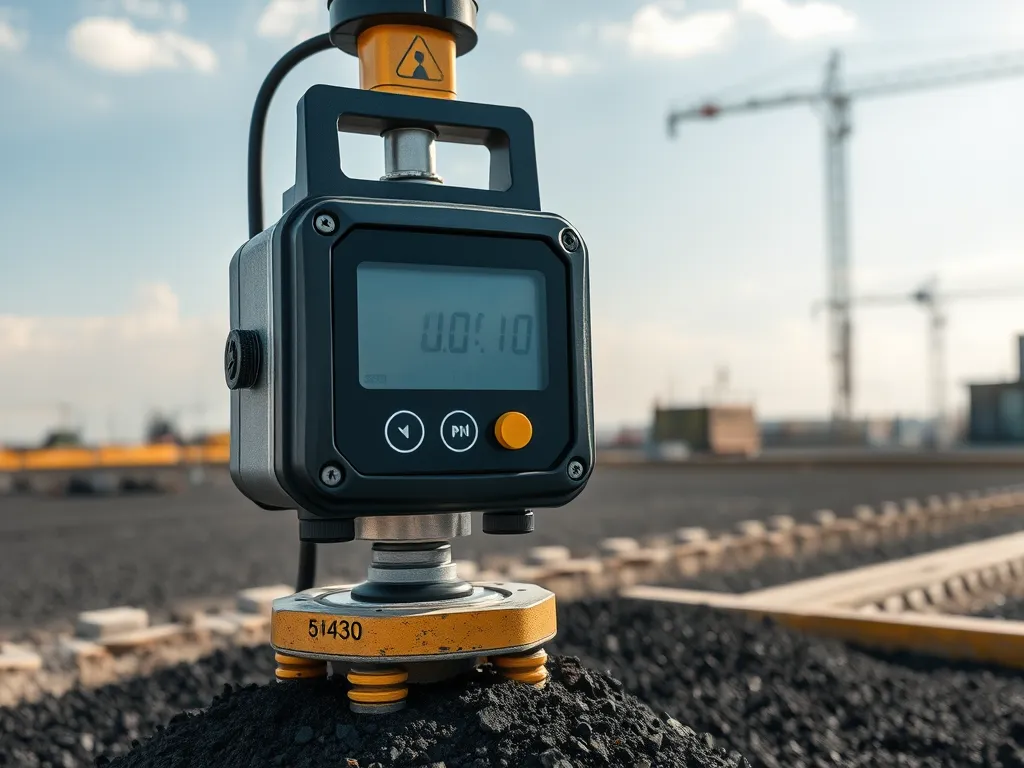
Nuclear density gauges verify in-place density reaches 92-95% of maximum theoretical density (Gmm). Projects failing to hit 92% require rerolling or removal.
With these checks completed, focus shifts to maintaining standards during placement – the next critical phase in delivering long-lasting pavements.
How to Check Asphalt Quality in WMA Production
Verifying performance standards requires rigorous checks at every stage. Both lab tests and field evaluations work together to confirm warm mix asphalt meets project requirements.
Laboratory Testing Protocols
Labs run multiple tests on WMA samples before mix deployment. Volumetric analysis measures air void content (target 3-5%) using AASHTO T 166 standards. Marshall stability tests assess load-bearing capacity, while PG binder grading confirms viscosity at lower temps. Dynamic modulus evaluations predict long-term rut resistance under traffic. Labs also perform moisture susceptibility tests per AASHTO T 283, ensuring retained stability stays above 80% after freeze-thaw cycles.
Field Quality Assurance Methods
On-site teams monitor placement and compaction to catch issues early. Real-time data collection ensures mix consistency from plant to pavement.
In-Place Density Measurements
Nuclear density gauges or non-nuclear devices measure compacted mat density. Target 92-95% of maximum theoretical density (Gmm) for optimal durability. Core samples extracted at 1,500-foot intervals undergo lab verification. Low density below 90% triggers roller pattern adjustments or mix temp reviews.
Surface Texture Evaluations
Laser profilometers or sand patch tests quantify macrotexture depth (MTD). Ideal MTD ranges from 0.5-1.2 mm for safe skid resistance. Excessively smooth surfaces below 0.4 mm may need corrective milling, while textures above 1.5 mm increase tire wear. Automated systems like Circular Track Meters map friction numbers across lanes.
These checks form the backbone of warm mix asphalt production quality assurance. Next, explore common hurdles faced when maintaining spec compliance across varying job site conditions.
Challenges in Warm Mix Asphalt Quality Control
Maintaining consistent standards in warm mix asphalt production demands navigating three persistent hurdles. Each requires targeted strategies to protect pavement integrity.
Moisture Sensitivity Risks
Lower production temperatures (230-275°F) in WMA leave 2-4% residual moisture in aggregates. This weakens binder-aggregate bonds, increasing rutting risk by 15-20% compared to hot mix. Modified Lottman tests (AASHTO T 283) measure stripping potential, with agencies requiring ≥80% tensile strength retention.
| Factor | WMA | HMA |
|---|---|---|
| Optimal Mix Temp | 230-275°F | 300-330°F |
| Stripping Resistance | 75-85% | 85-95% |
Anti-stripping additives like liquid amines or hydrated lime boost adhesion. Dosages range from 0.3-1.5% by binder weight, adding $1.50-$4.50 per ton.
Temperature-dependent Compaction Issues
WMA cools 25% faster than hot mix, shrinking the compaction window to 8-12 minutes. Density drops 1-2% for every 25°F below optimal laydown temps. Pneumatic rollers must complete initial passes within 5 minutes at 225-250°F.
| WMA Technology | Target Compaction Temp |
|---|---|
| Chemical Additives | 215-230°F |
| Foamed Asphalt | 200-220°F |
Infrared thermography tracks mat cooling rates. Projects report 1.5% higher air voids when temps dip below 190°F during rolling.
Long-term Performance Monitoring
With WMA adoption starting in the 2000s, agencies track 10-15 year data through programs like FHWA’s LTTP. Early mixes showed 12% higher raveling rates, prompting revised PG binder grades. Current specs require PG 64-22 or PG 70-22 binders in freeze-thaw zones.
Embedded strain gauges and falling weight deflectometers measure rut depth progression. Best-performing WMAs show ≤0.15 inches of rutting after 5 years when air voids stay below 6%.
Addressing these challenges sharpens WMA’s edge. Next, we examine how production choices impact environmental outcomes.

Environmental Considerations in WMA Production
Quality control in warm mix asphalt production directly impacts environmental outcomes. Tight process monitoring ensures reduced resource use while maintaining pavement performance. Let’s explore how energy efficiency gains emission cuts tie into robust warm mix asphalt quality control protocols.
Energy Efficiency Benefits
WMA production operates 30-50°F cooler than traditional hot mix methods. Lower temperatures cut fuel consumption by 20-35% during drying heating phases. Quality control systems verify optimal mixing temperatures through infrared sensors belt probes. This prevents energy waste from overheating while ensuring proper binder coating on aggregates.
Emissions Reduction Advantages
Cooler production slashes greenhouse gas emissions by 15-30%. Strict warm mix asphalt production quality assurance checks track volatile organic compounds (VOCs) carbon dioxide levels. For instance, foaming technology—used in 68% of U.S. WMA projects—releases 50% fewer particulates when monitored with real-time emission sensors. Regular binder testing ensures additives like Sasobit or Evotherm perform without increasing NOx outputs.
With ecological gains secured through precise quality control, the next focus turns to overcoming technical hurdles in field implementation. Let’s examine common challenges faced during placement long-term monitoring of warm mix asphalt.
FAQ: Quality Control in Warm Mix Asphalt
Why is Quality Control Critical for WMA Production?
Quality control is essential in warm mix asphalt (WMA) production to ensure that the asphalt meets the required performance standards for durability and longevity. By effectively managing the production process, quality control minimizes the risks of premature pavement failures and helps maintain the structural integrity of roads, ultimately leading to safer and more sustainable paving solutions.
How is Asphalt Quality Verified During WMA Production?
Asphalt quality is verified during WMA production through a combination of rigorous material testing, process monitoring, and final product testing. This includes checking aggregate gradation, binder quality, temperature consistency during mixing, and conducting field assessments for density and compaction to ensure that all specifications are met.
What Are the Key Steps in WMA Production Quality Assurance?
The key steps in WMA production quality assurance involve several critical measures, including:
- Material Testing: Ensuring raw materials meet quality standards through rigorous testing before they enter the mix.
- Process Monitoring: Continuously monitoring production parameters such as temperature and mixing efficiency to maintain quality.
- Final Product Testing: Conducting tests on the finished asphalt to confirm that it meets specified criteria for air void content, density, and other performance measures.
What Limitations Affect Warm Mix Asphalt Quality?
Several limitations can affect warm mix asphalt quality, including:
- Moisture Sensitivity: Excess moisture in aggregates can weaken the binder-aggregate bond.
- Temperature Variability: Maintaining optimal mixing and compaction temperatures is challenging, as WMA cools faster than traditional hot mix.
- Long-term Performance Variability: Limited historical data on WMA performance can complicate predictions about long-term durability and maintenance needs.
Closing Thoughts
Quality control in warm mix asphalt (WMA) production is vital for ensuring durable, efficient, and environmentally friendly pavements. By focusing on reliable material testing, process monitoring, and final product assessments, contractors can achieve optimal outcomes. These quality measures help meet strict industry standards while minimizing waste and reducing emissions.
Adopting the best practices discussed can lead to long-lasting infrastructure that benefits both the environment and the economy. Remember, an effective quality control strategy not only bolsters the integrity of the asphalt mix but also enhances the overall performance of the pavement over its lifespan.
For more insights and tools related to asphalt production, check out Asphalt Calculator USA.
Additional Resources for You:
- National Asphalt Pavement Association (NAPA, Industry Reports & Best Practices)
- Warm mix asphalt: an overview – ScienceDirect
- Development of Quality Control Procedures for Hot-Mix …
- » Warm Mix Asphalt (WMA)
- A Comparative Review of Hot and Warm Mix Asphalt Technologies from Environmental and Economic Perspectives: Towards a Sustainable Asphalt Pavement – PMC