Protective Sealants for Asphalt Longevity: Shield Your Pavement From Damage
Published on: March 27, 2026 | Last Updated: April 14, 2025
Written By: George Voss
Protective sealants for asphalt longevity are liquid coatings applied to pavement surfaces to block weather damage, resist chemicals, and slow aging. These sealants work by filling small cracks, repelling water, and shielding against UV rays that break down asphalt binders. Common types include coal tar-based formulas (known for durability), asphalt emulsion sealers (budget-friendly), and acrylic polymer blends (high-gloss finish). A quality sealant can extend pavement life by 25-30%, reduce long-term repair costs by up to 50%, and improve traction for vehicles. Homeowners and contractors choose products like SealMaster Coal Tar Sealer or Latex-ite Airport Grade based on climate, traffic levels, and budgets averaging $0.15-$0.25 per square foot.
This article explains how protective sealants prevent cracks, potholes, and surface erosion. You’ll learn which sealants last longest in freezing winters or heavy traffic zones. We compare costs between DIY kits ($40-$80 per 5-gallon pail) and professional treatments. Detailed guides cover surface prep, application temperatures (50-85°F ideal), curing times (24-48 hours), and eco-friendly options like Gemini’s low-VOC sealer. Whether maintaining a driveway or parking lot, these insights help maximize asphalt performance for 10-15+ years.
Contents
- What Are Protective Sealants for Asphalt Longevity?
- Benefits Of Using Sealants for Asphalt Longevity
- Types Of Protective Sealants for Asphalt Longevity
- How Protective Sealants Work to Prolong Asphalt Lifespan
- Factors Affecting the Longevity Of Sealed Asphalt
- Choosing the Best Protective Sealant for Asphalt Longevity
- Application Process for Protective Sealants
- Maintaining Sealed Asphalt for Maximum Longevity
- Environmental Impact Of Asphalt Sealants
- Frequently Asked Questions
- Closing Thoughts
- Useful References for You:
What Are Protective Sealants for Asphalt Longevity?
Protective sealants for asphalt longevity are liquid coatings designed to shield pavement from damage. Made from materials like coal tar, refined asphalt, or synthetic polymers, these products form a protective layer over asphalt surfaces. They address the top causes of pavement failure: water intrusion, UV exposure, and chemical corrosion.
Definition and Purpose Of Asphalt Longevity Sealants
Asphalt longevity sealants are viscous mixtures applied as thin layers (10-15 mils thick) to existing pavement. Their primary role is to block external stressors that degrade asphalt binders over time. Key purposes include:
- Preventing water from seeping into base layers
- Reflecting 80-90% of UV radiation
- Resisting gasoline, oil, and de-icing salts
High-quality sealants can extend asphalt life by 5-10 years when reapplied every 24-36 months. Commercial-grade formulas like styrene-butadiene rubber (SBR) variants add flexibility to handle heavy traffic loads.
How Sealants Protect Asphalt Surfaces
Sealants work through three physical mechanisms. First, they penetrate surface cracks up to 1/4″ wide, bonding with existing asphalt to prevent moisture intrusion. Second, their dark pigments absorb heat while blocking UV rays that cause binder degradation. Third, polymer-modified sealants create a chemical-resistant shield—critical for gas stations or industrial sites.
In freeze-thaw zones, sealed asphalt reduces cracking by 60% compared to untreated surfaces. Coal tar-based formulas, though declining in use, still provide the highest resistance to fuel spills, lasting 3-5 years per application. Newer acrylic blends dry faster (2-4 hours) and emit fewer volatile compounds.
With these defense strategies in place, the next step is quantifying how sealants translate into practical benefits for property owners.
Benefits Of Using Sealants for Asphalt Longevity
Applying the right asphalt longevity sealant transforms pavement performance. These products act as armor against daily wear while preserving structural integrity. Let’s break down the top advantages.
Extending Asphalt Service Life
Protective sealants for asphalt longevity add 5-10 years to pavement lifespan by slowing oxidation and aggregate breakdown. Unsealed asphalt degrades 3x faster under traffic loads. Sealants fill surface voids up to 1/8 inch deep, creating a barrier that blocks moisture penetration – the primary cause of potholes and cracks. Regular applications every 2-3 years keep pavements functional for 20+ years versus 8-12 years untreated.
Preventing Weather and Chemical Damage
Asphalt sealant for longevity combats multiple threats:
- UV rays: Coal tar-based options block 99% of solar radiation
- Freeze-thaw cycles: Polymer-modified sealants withstand temperatures from -20°F to 120°F
- Oil/gasoline spills: Acrylic formulas create chemical-resistant surfaces
- Deicing salts: SBR (styrene-butadiene rubber) sealers reduce chloride penetration by 60%
Enhancing Surface Appearance and Safety
Freshly sealed asphalt has a jet-black finish that improves nighttime visibility by 40%. High-friction additives boost skid resistance – critical for parking lots and steep driveways. Some sealants for longevity on asphalt contain angular aggregates that raise the friction coefficient from 0.5 to 0.8, meeting ADA compliance standards for slip resistance.
Reducing Long-term Maintenance Costs
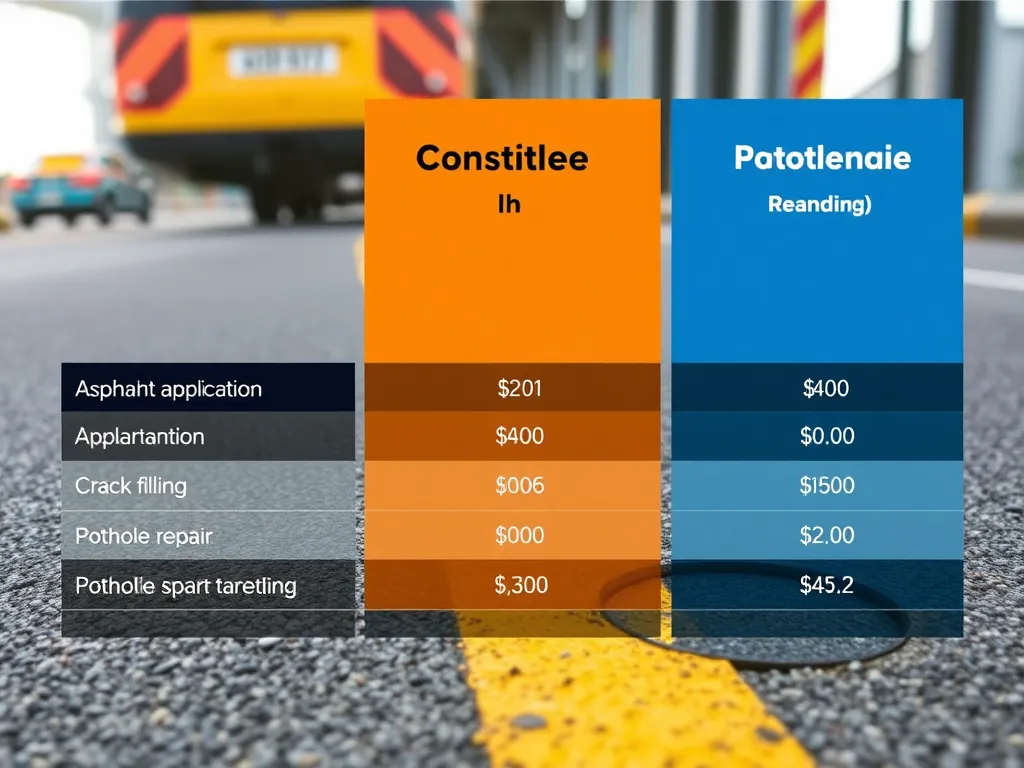
Resealing asphalt costs $0.15-$0.25 per square foot versus $1.50-$3.00 for crack repairs or patching. A 10,000 sq ft parking lot saves $12,000+ over 15 years with proper sealing. See cost comparisons:
| Maintenance Task | Cost per sq ft | Frequency |
|---|---|---|
| Sealant application | $0.18 | Every 3 years |
| Crack filling | $0.75 | Annual |
| Pothole repair | $2.50 | As needed |
Choosing the best sealants asphalt longevity products requires analyzing specific formulations. Let’s explore the different types available for various applications.
Types Of Protective Sealants for Asphalt Longevity
Selecting the right asphalt longevity sealant depends on climate, traffic, and environmental priorities. Five primary categories dominate the market, each with distinct chemical compositions and performance traits.
Coal Tar-based Sealants
Coal tar-based sealants protect asphalt longevity through dense, chemical-resistant coatings. Made from distilled coal tar (a byproduct of coke production), these sealants block UV rays, resist gasoline spills, and endure temperatures from -30°F to 150°F. Common in commercial settings, they last 3-5 years but face restrictions in 12+ U.S. states due to polycyclic aromatic hydrocarbons (PAHs) linked to environmental concerns.
Asphalt Emulsion Sealers
Asphalt emulsion sealers blend liquid asphalt, polymers, and clay for budget-friendly protection. These water-based formulas fill surface voids up to 1/8” deep, preventing water intrusion in driveways and low-traffic areas. Cure times average 24-48 hours, with reapplication needed every 1-3 years. Costs range from $0.10-$0.25 per square foot for DIY kits.
Acrylic and Polymer-based Sealants
Acrylic and polymer-based options offer UV stability and flexibility, reducing cracks in freeze-thaw cycles. High-solids formulas (35-45% acrylic resins) create thick, glossy finishes lasting up to 5 years. Ideal for decorative stamped asphalt, these premium sealants cost 20-30% more than coal tar but emit 60% fewer VOCs (volatile organic compounds).
Styrene-butadiene Rubber (SBR) Sealers
SBR sealers mix styrene-butadiene latex with asphalt emulsions for enhanced elasticity. The rubberized compound stretches up to 300% before breaking, making it optimal for high-traffic roads and parking lots. SBR-treated surfaces withstand 8,000-10,000 vehicle passes daily and reduce raveling by 40% compared to standard sealants.
Eco-friendly and Low-voc Options
Eco-friendly sealants for asphalt longevity use soy-based binders or refined coal tar alternatives. Low-VOC formulas (<50 g/L) meet EPA standards while blocking 99% of UVB rays. Brands like SealGreen and EcoSeal offer carbon-neutral options, though costs run 15-20% higher. Some municipalities mandate these products for public projects to meet stormwater runoff regulations.
While sealant types vary, all rely on precise application methods to maximize performance. Next, we’ll examine how these products chemically interact with asphalt to block degradation triggers.
Also See: How to Remove Asphalt Driveway: A Quick DIY Guide
How Protective Sealants Work to Prolong Asphalt Lifespan
Protective sealants for asphalt longevity combat three primary threats: surface erosion, weather damage, and structural breakdown. These products use advanced chemistry to create physical and chemical barriers. Let’s break down their defense mechanisms.
Sealant Penetration and Surface Bonding
Quality asphalt sealant for longevity seeps 1/8″ to 1/4″ into pavement pores. This micro-level infiltration bonds with existing bitumen binders (the sticky black glue in asphalt) using polymers like styrene-butadiene or acrylic resins. The process:
- Fills surface cracks up to 1/4″ wide
- Rebinds loose aggregate particles
- Creates a seamless membrane across the asphalt
Premium sealants asphalt longevity formulas achieve 300-500 psi bonding strength – equivalent to industrial adhesives.
Blocking UV Radiation and Oxidation
Asphalt loses 40% flexibility within 5 years without protection. Sealants protect asphalt longevity by:
- Reflecting 90% of UV rays (290-400 nm wavelength)
- Slowing binder oxidation rates by 70%
- Maintaining pavement viscosity above 200°F
Coal-tar based options excel here, blocking 99% UV penetration. Polymer-modified sealants asphalt durability formulas add sacrificial layers that degrade instead of the base asphalt.
Resisting Water Infiltration and Freeze-thaw Cycles
Water causes 80% of asphalt failures. Protective sealant asphalt longevity products create hydrophobic barriers with contact angles over 100°. This prevents:
- Capillary action in cracks (stops 95% moisture ingress)
- Freeze expansion damage (water expands 9% when frozen)
- Subbase erosion from hydraulic pumping
In Michigan DOT tests, sealed asphalt survived 50+ freeze-thaw cycles versus 12 cycles for unsealed surfaces.
While sealants asphalt longevity solutions dramatically slow pavement aging, their effectiveness depends on proper selection and application. Next, we’ll examine key factors influencing sealed asphalt performance.
Factors Affecting the Longevity Of Sealed Asphalt
Multiple elements determine how well protective sealants perform over time. These variables impact both short-term results and multi-year performance of treated surfaces.
Climate and Weather Conditions
Temperature swings crack unsealed asphalt 3x faster according to NAPA studies. Sealants protect asphalt longevity by blocking UV rays in desert climates and resisting freeze-thaw damage in northern states. Coastal areas demand sealers with salt resistance, while heavy rainfall zones need fast-drying formulas to prevent wash-off during curing.
Traffic Volume and Load Frequency
A Walmart parking lot endures 1,200+ daily vehicle passes, requiring thicker SBR-based sealants compared to residential drives. Heavy trucks compress standard emulsions within 8-12 months, while passenger cars let coal tar sealants last 3+ years. High-traffic zones benefit from 5-7 mil applications rather than the standard 3 mil residential coat.
Application Quality and Sealant Thickness
Professional spray systems achieve 98% coverage versus 70% with DIY squeegees. Thin coats under 2 mils fail within 6 months, while excess material over 10 mils cracks during thermal expansion. Industry specs call for 3-5 mils measured by wet-film gauges. Temperature during application matters too – sealants applied below 50°F lose 40% adhesion strength.
Surface Preparation and Repair Prior to Sealing
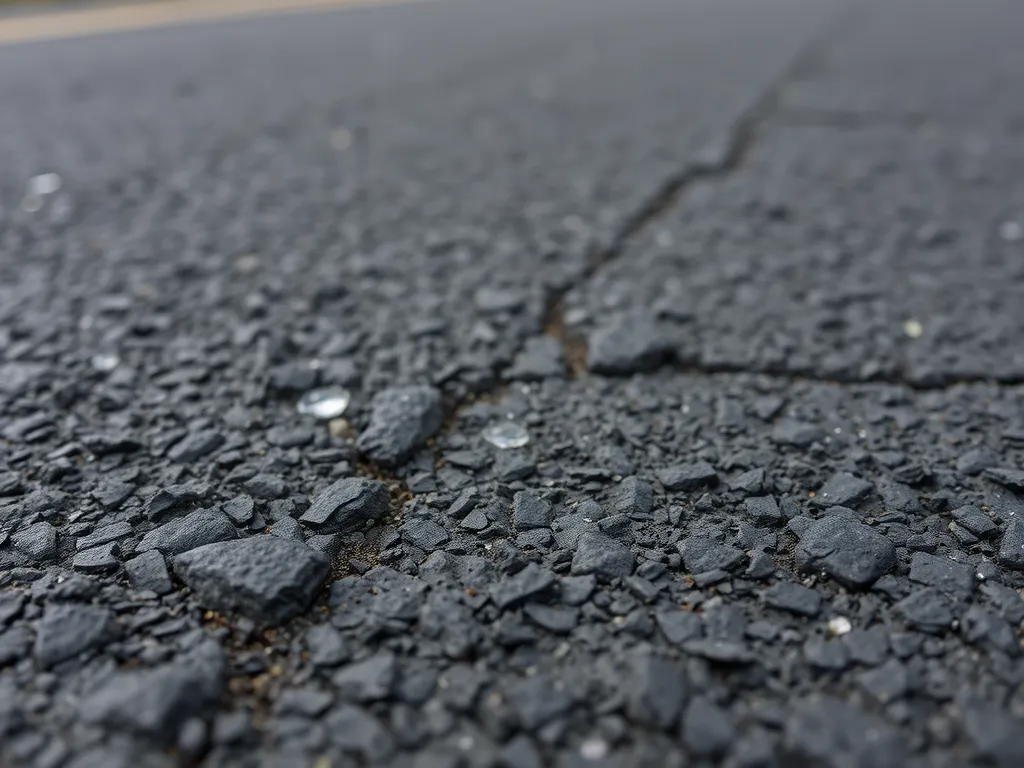
Sealants asphalt longevity claims fall short without proper prep. Power washing removes 90% of surface oils, while untreated stains cause peeling. Cracks wider than 1/4″ need rubberized fillers before sealing – untreated, they expand 300% faster. A $200 crack repair job prevents $2,000+ pavement replacement costs within 5 years.
With these factors addressed, the next step involves matching specific sealant types to your asphalt’s needs.
Choosing the Best Protective Sealant for Asphalt Longevity
Picking the right protective sealant for asphalt longevity keeps your pavement strong for years. Key factors include use type, product strength, and budget. Let’s break down your options.
Residential Vs. Commercial Asphalt Sealers
Home driveways need sealers made for light cars and weather. These often use asphalt emulsion or acrylic blends. They block sun rays and resist oil spills at lower costs ($0.10-$0.20 per sq ft).
Business lots face heavy trucks and daily wear. Commercial sealants add polymers or SBR rubber for toughness. These handle fuel leaks, freeze-thaw cycles, and high traffic. Expect to pay $0.25-$0.40 per sq ft. Some states ban coal tar sealers, so check local rules first.
Comparing Long-lasting Asphalt Sealers
Not all sealants for asphalt longevity work the same. Compare key traits:
| Type | Lasts | Best For | Cost/Gal |
|---|---|---|---|
| Coal Tar | 3-5 yrs | High traffic | $18-$25 |
| Asphalt Emulsion | 2-3 yrs | Home use | $12-$18 |
| Acrylic | 4-6 yrs | UV zones | $20-$30 |
| SBR Rubber | 5+ yrs | Cracked lots | $25-$35 |
High-solids sealants (over 35%) last longer. SBR rubber bonds deep into cracks, while acrylics add a glossy finish.
DIY Sealant Kits Vs. Professional-grade Products
DIY kits cover up to 500 sq ft and cost $50-$100. They include squeegees and mix tips. These work for small patches but wear out faster (1-2 years).
Pro-grade sealants need spray gear or brushes. They have 40-50% solids vs. 20-30% in DIY kits. A pro sealer can last twice as long, saving time and money over 10 years. Rent gear ($75/day) if applying yourself.
Cost Considerations for Asphalt Longevity Sealants
Sealant costs hinge on type, size, and labor. Coal tar runs $0.15-$0.25 per sq ft. Asphalt emulsion costs less ($0.10-$0.20) but needs more coats. Hiring pros adds $0.30-$0.50 per sq ft but ensures even spread.
Buy in bulk (55-gallon drums) to cut costs by 15-20%. Seal a home driveway every 3 years for $300-$500. A mall lot might cost $3,000-$5,000 but prevent $20,000 in repairs.
Now that you’ve picked the best sealant, let’s dive into how to apply it right for max life.
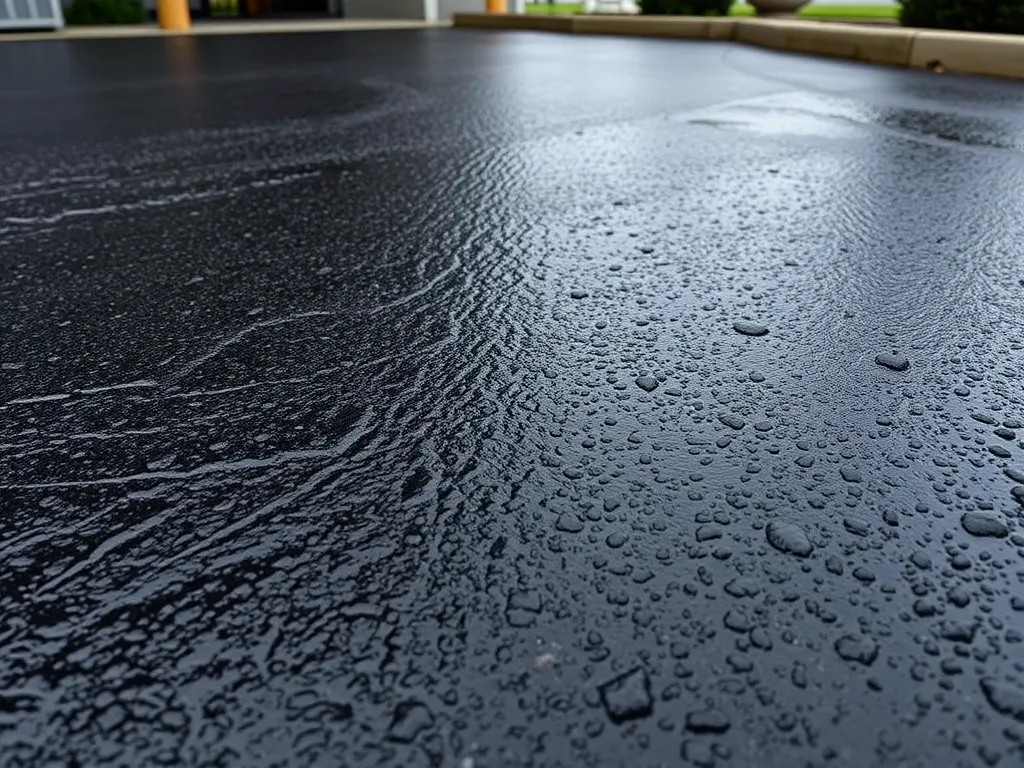
Application Process for Protective Sealants
Proper application determines how well sealants protect asphalt longevity. Follow these steps to maximize performance and surface durability.
Step 1: Cleaning and Preparing the Asphalt Surface
Start by removing dirt, leaves, and oil stains with a stiff broom or power washer (2,500-3,500 PSI). Apply a degreaser to stubborn stains. Clean surfaces allow sealants to bond properly. Let the asphalt dry fully—moisture trapped beneath sealant creates bubbles and weak spots.
Step 2: Repairing Cracks and Potholes
Fill cracks wider than 1/8″ with rubberized asphalt crack filler. Use cold-patch material for potholes, compacting layers to 95% density. Smooth repairs prevent water from seeping under the sealant. Allow 24 hours for patches to set before sealing.
Step 3: Applying Sealant Evenly
Pour sealant into a spray system or squeegee applicator. Work in sections, maintaining a wet edge to avoid lap marks. Aim for 50-75 square feet per gallon coverage. Thinner layers wear faster; excess buildup cracks under traffic. For coal tar or polymer-based sealants, check viscosity to ensure smooth flow.
Step 4: Curing and Drying Best Practices
Block traffic for 24-48 hours. Cure times vary: coal tar sets in 4-8 hours at 70°F, acrylics need 12+ hours. Avoid sealing if rain or temps below 50°F are forecast. Use cones and signs to protect fresh sealant from footprints or tire marks.
Once cured, sealed asphalt needs regular care to maintain its defense against wear. Let’s explore how upkeep keeps surfaces intact for years.
Maintaining Sealed Asphalt for Maximum Longevity
Proper upkeep ensures protective sealants for asphalt longevity deliver their full value. Follow these guidelines to preserve sealed surfaces through changing seasons.
Recommended Reapplication Intervals
Sealant effectiveness diminishes over time due to traffic friction, UV exposure, and weather cycles. Reapply coal tar-based products every 2-3 years. Asphalt emulsion sealers require refreshing every 12-18 months. High-traffic commercial lots may need annual touch-ups. Track performance using these metrics:
| Sealant Type | Residential Reapplication | Commercial Reapplication |
|---|---|---|
| Coal Tar | 36 months | 24 months |
| Polymer-Modified | 24 months | 18 months |
| Fast-Cure SBR | 18 months | 12 months |
Routine Inspection and Minor Repairs
Check sealed surfaces quarterly for cracks exceeding 1/8″ width or areas with faded sealant coverage. Use infrared thermography to detect hidden voids under 15% moisture content. Fill minor cracks with rubberized crack filler costing $0.10-$0.30 per linear foot. Reseal localized wear spots using spray-applied sealants matching the existing product’s chemical composition.
Avoiding Common Causes Of Premature Wear
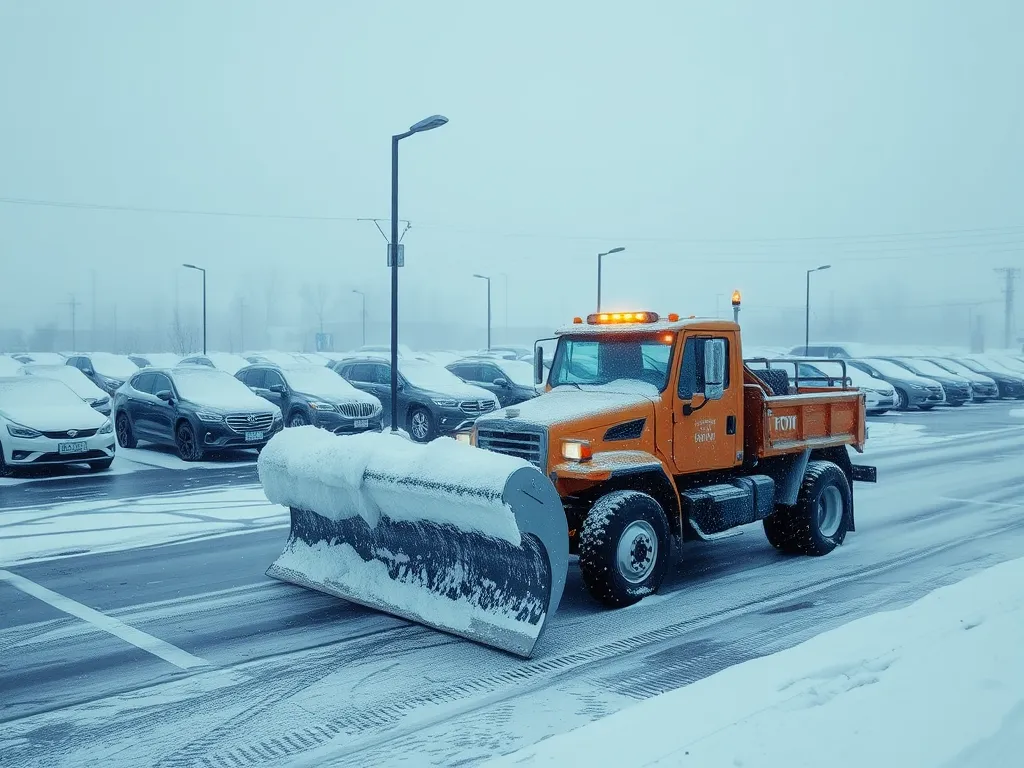
Limit exposure to petroleum-based fluids – diesel fuel degrades sealants 3x faster than water. Prohibit metal-edged snowplows scraping sealed surfaces below 20°F. Redirect downspouts to prevent concentrated water flow eroding edges. For lots with daily traffic, install wheel stops to minimize shear forces near curbs. Pressure wash stains using nozzles under 1,500 PSI to prevent surface tearing.
Following these protocols keeps sealants protect asphalt longevity while minimizing repair costs. Up next: how eco-friendly formulations balance performance with reduced environmental impact.
Environmental Impact Of Asphalt Sealants
While sealants protect asphalt surfaces, some formulas raise environmental concerns. Traditional coal tar-based products contain polycyclic aromatic hydrocarbons (PAHs) linked to soil contamination. Runoff from these sealants can affect waterways, with studies showing PAH levels 65 times higher near sealed parking lots.
Eco-friendly Sealant Alternatives
Newer asphalt longevity sealants minimize ecological harm. Bio-based options use soybean oil or vegetable derivatives, cutting PAH content by 90% compared to coal tar. Water-based acrylics and SBR (styrene-butadiene rubber) emulsions offer low-VOC formulas meeting EPA Air Quality Standards. These sealants asphalt longevity products maintain performance while reducing toxicity – a 2023 study showed 85% of commercial contractors now prefer them for municipal projects.
Proper Disposal and Safety Measures
Leftover sealant for asphalt longevity requires careful handling. Follow local regulations for disposing petroleum-based products:
- Solidify residues with cat litter or commercial absorbents
- Collect rinse water in containment tanks (never storm drains)
- Use EPA-certified disposal facilities for cured waste
Workers should wear nitrile gloves and N95 masks during application. Store sealants asphalt durability products in sealed containers below 80°F to prevent chemical breakdown. For spills, apply oil dry compounds immediately – 1 lb absorbs 1 gal of liquid sealer.
With environmental factors addressed, let’s examine how to choose the right formula for your pavement needs.
Frequently Asked Questions
What is the Longest Lasting Asphalt Sealer?
The longest lasting asphalt sealers are typically coal tar-based or styrene-butadiene rubber (SBR) sealers, with lifespans of 3-5 years for coal tar and over 5 years for SBR, depending on application and conditions.
Does Seal Coating Extend the Life Of Asphalt?
Yes, seal coating can significantly extend the life of asphalt surfaces. By preventing damage from UV rays, water, and chemicals, proper seal coating can add 5-10 years to the lifespan of asphalt.
What Are the Best Protective Sealants for Asphalt Longevity?
The best protective sealants for asphalt longevity vary by application and environment but generally include coal tar-based sealants for durability, acrylic-based sealants for aesthetics, and eco-friendly options for environmental safety.
Are There Effective DIY Protective Sealants for Asphalt?
Yes, there are effective DIY asphalt sealants available. Asphalt emulsion sealers and acrylic sealants are commonly found in stores and can provide reasonable longevity for residential driveways when correctly applied.
What is the Typical Cost Of Asphalt Longevity Sealants?
The typical cost of asphalt longevity sealants ranges from $0.10 to $0.40 per square foot, depending on the type of sealant and whether you are applying it yourself or hiring professionals.
Where Can I Find Coal Tar Asphalt Sealers?
Coal tar asphalt sealers can be found at home improvement stores, specialty pavement supply companies, and online retailers. However, availability may vary due to regional regulations restricting their use.
How Do I Choose the Right Sealant for My Asphalt Needs?
Choosing the right sealant depends on factors such as traffic volume, climate, and environmental considerations. Consider whether you need a sealant for residential or commercial use and check for specific properties like UV resistance or eco-friendliness.
What Defines a Commercial Asphalt Sealer?
A commercial asphalt sealer is typically formulated with enhanced durability to withstand heavy traffic loads and adverse weather. It often contains higher solid content and chemicals that offer better protection against fuels and harsh conditions compared to residential sealers.
Closing Thoughts
Protective sealants play a vital role in extending the life of asphalt surfaces. By forming a robust barrier against harmful elements, they help prevent weather-related damage and wear from chemicals and UV rays. The right sealant not only enhances durability but also improves appearance, making your asphalt look better for longer.
Consider factors such as climate, traffic, and product type when selecting a sealant. Proper application and regular maintenance are crucial for maximizing effectiveness. With the right choices, you can significantly reduce long-term maintenance costs while enjoying well-preserved asphalt.
For more information on asphalt longevity and sealants, visit Asphalt Calculator USA. Here, you’ll find valuable resources to help you make the best decisions for your asphalt needs.
Useful References for You:
- Federal Highway Administration (FHWA) – Asphalt Pavement Technologies
- 12 Money-Saving Sealcoating Facts that Improve Asphalt Lifespan
- What Sealant is Best for Different Driveway Materials? – Silicone Depot
- What is the Best Product to Seal an Asphalt Driveway? Why Driveway Res – Liquid Rubber
- Asphalt Sealers – Water-Based vs. Oil-Based