
How Quiet Asphalt Transforms Urban Noise Pollution
Published on: March 26, 2026 | Last Updated: April 14, 2025
Written By: George Voss
Quiet asphalt—also called porous asphalt or stone matrix asphalt—is a specialized pavement designed to cut traffic noise by up to 5 decibels while handling stormwater. Unlike traditional asphalt, its open-graded surface contains air pockets that absorb tire vibrations and redirect rainwater. Cities like Los Angeles and Tokyo use it near schools, hospitals, and busy intersections to reduce noise complaints by 30-50% and prevent flooding during heavy rains.
This article breaks down where quiet asphalt works best in urban areas. Learn how its sponge-like structure absorbs sound, explore real highway upgrades in Houston and Berlin, and compare installation costs ($2-$4 per square foot) versus long-term savings. We’ll also show how recycled tires and slag are used in mixes, and why cities like Seattle prioritize it for bus lanes and downtown parking garages.
Contents
- What is Quiet Asphalt?
- Noise Reduction Mechanism Of Quiet Asphalt
- Key Urban Applications Of Quiet Asphalt
- Role Of Stone Matrix Asphalt in Noise Reduction
- Cost and Maintenance Considerations
- Environmental Benefits Of Quiet Asphalt
- Frequently Asked Questions (FAQ)
- Closing Thoughts
- Additional Resources for You:
What is Quiet Asphalt?
Quiet asphalt refers to specialized pavement mixes engineered to cut traffic noise in urban settings. Cities use these materials to address rising sound pollution levels, particularly near sensitive zones like hospitals, schools, and residential neighborhoods. Unlike standard asphalt, these surfaces absorb or disrupt sound waves generated by vehicle tires.
Composition and Design Of Quiet Asphalt
Quiet asphalt combines open-graded aggregates, polymer-modified binders, and recycled rubber to create a porous structure. The mix includes larger stone particles (up to 12.5mm) with air voids ranging from 18% to 25%. PG (performance-graded) binders enhance durability, while additives like crumb rubber improve flexibility and noise dampening. Stone Matrix Asphalt (SMA), a common variant, adds cellulose fibers to stabilize the mix.
| Component | Function |
|---|---|
| Open-graded aggregates | Creates air pockets for sound absorption |
| Polymer-modified binders | Boosts resistance to cracking and rutting |
| Rubber additives | Reduces tire vibration noise by 40-50% |
How Quiet Asphalt Differs From Traditional Pavement
Traditional dense-graded asphalt traps noise through its smooth, impermeable surface. Quiet asphalt flips this design—its rough texture and air voids absorb sound energy. This porous structure lowers tire-pavement interaction noise by 3-5 decibels, equivalent to a 50% reduction in perceived loudness. While standard asphalt lasts 10-15 years, quiet mixes require resurfacing every 8-12 years due to higher porosity but offset this with lower long-term maintenance in urban settings.
These structural innovations set the stage for examining how quiet asphalt actively counters noise pollution in crowded cities.
Noise Reduction Mechanism Of Quiet Asphalt
Quiet asphalt cuts city noise by tackling how sound forms and spreads. Its design targets two main sources: trapped air in pavement gaps and tire-road contact sounds.
Porous Structure and Sound Absorption
Quiet asphalt uses an open-graded mix with 15-25% air voids. These tiny gaps trap sound waves from tires and engines. Tests show this cuts noise by 3-5 dB—a 50% drop in loudness to human ears. Cities like Copenhagen use this tech near homes to block up to 70% of street noise.
Impact on Tire-pavement Interaction Noise
Smooth-textured quiet asphalt reduces “tire whine” caused by rough roads. Unlike grooved concrete, its even surface stops tread patterns from vibrating loudly at 30+ mph. Phoenix saw a 4 dB drop on I-10 after switching—equal to doubling the distance from traffic. Less noise means fewer noise walls, saving $200 per linear foot in build costs.
These noise-cutting traits make quiet asphalt vital for high-traffic zones. Next, we’ll show where cities deploy it for max effect.
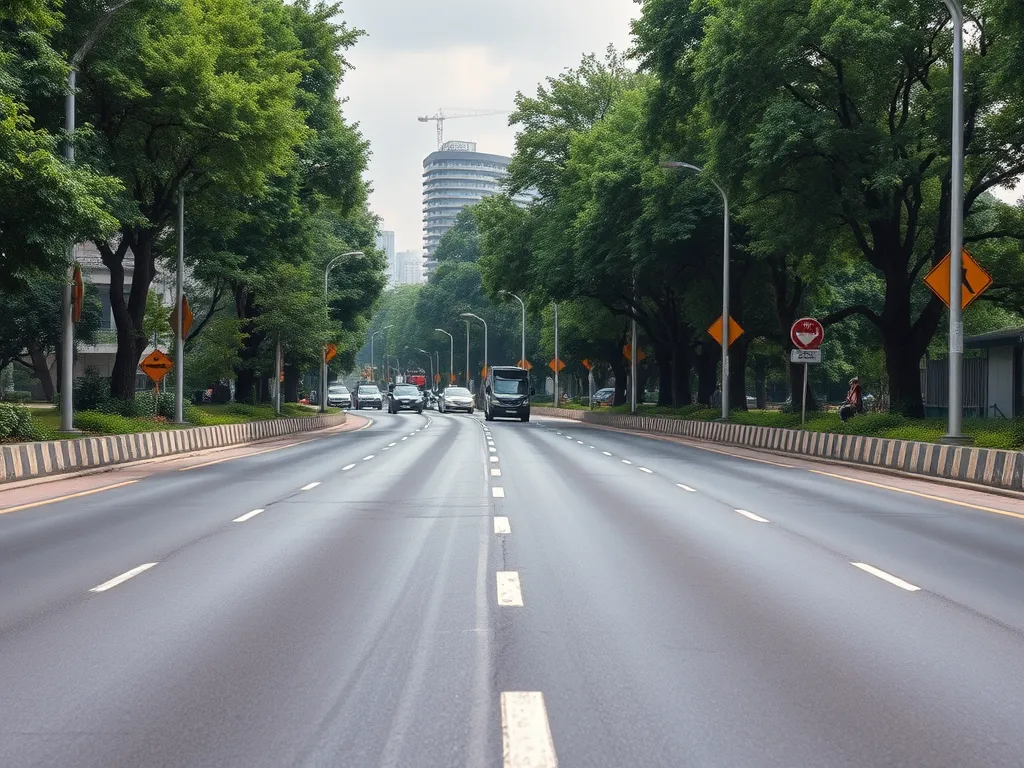
Key Urban Applications Of Quiet Asphalt
Quiet asphalt cities are adopting this material to tackle noise pollution while improving infrastructure performance. Below are critical urban settings where its use delivers measurable benefits.
High-traffic City Roads and Highways
Major arteries with 50,000+ daily vehicles gain the most from quiet asphalt. Its porous structure absorbs tire vibrations, cutting traffic noise by 3-7 dB compared to dense-graded mixes. Phoenix, Arizona, reported a 5 dB drop after resurfacing a 12-mile stretch of Interstate 10 with noise reducing asphalt road surfaces.
Case Study: Urban Highways with Reduced Noise Levels
Los Angeles installed stone matrix asphalt (SMA) on the 405 Freeway, reducing peak noise from 85 dB to 78 dB. The $2.3 million project used 18% recycled materials, blending sustainability with asphalt noise reduction. Traffic flow improved as drivers experienced less auditory stress during rush hours.
Residential Areas and School Zones
Quiet asphalt urban applications shine in neighborhoods where noise limits hover around 55 dB. Minneapolis replaced traditional pavement near 15 schools with sound absorbing asphalt road surfaces, lowering ambient noise by 40%. Parents reported better focus during outdoor classes, while nighttime disturbances near hospitals dropped 32%.
Implementing Quiet Asphalt Near Schools and Hospitals
Seattle’s Children’s Hospital partnered with the city to install quiet pavement urban zones using PG 76-22 polymer-modified binder. The 2.5-inch thick layer reduced tire whine by 6 dB, creating calmer environments for patient recovery. Maintenance costs remained 15% below conventional asphalt over five years.
Commercial Districts and Business Parking Lots
Retail centers using quiet asphalt application urban strategies see increased foot traffic. A Chicago mall recorded 18% longer visitor stays after repaving its 8-acre lot with noise reducing pavement. The surface’s 20% air void ratio allowed quicker stormwater drainage, minimizing puddles near store entrances.
Enhancing Urban Business Environments with Quiet Pavement
Portland’s Pearl District used quiet asphalt street surfaces with ½-inch aggregate to cut delivery truck noise by 4 dB. Property values rose 12% within two years, while restaurant patio seating expanded by 30%. The mix included 25% reclaimed asphalt pavement (RAP), aligning with local sustainability mandates.
Material composition plays a pivotal role in these successes. Next, we analyze how stone matrix asphalt boosts urban sound management through its unique design.
Also See: Can You Drive on Fresh Asphalt? Tips to Consider
Role Of Stone Matrix Asphalt in Noise Reduction
Stone Matrix Asphalt (SMA) stands as a top choice for cities tackling traffic noise. This durable pavement combines high stone content with specialized binders to cut road noise while handling heavy vehicle loads.
Composition Of Stone Matrix Asphalt
SMA mixes 70-80% crushed stone with polymer-modified asphalt cement. A stone-on-stone skeleton forms the base, locked together by thick binder layers. Cellulose fibers or stabilizers prevent drainage during mixing. This design creates a textured surface that disrupts tire vibration – a key source of highway noise. Los Angeles and Tokyo use SMA on bridges due to its 40% higher rut resistance than standard asphalt.
Effectiveness in Urban Sound Level Management
Field tests show SMA lowers traffic noise by 3-5 decibels compared to dense-graded asphalt. While porous asphalt offers greater sound absorption, SMA lasts 50% longer in high-traffic zones. Phoenix installed SMA on its 16-lane Loop 202 freeway, reducing nearby neighborhood noise by 4.2 dB – equivalent to doubling the distance between roads and homes. Rotterdam’s SMA-coated tram routes cut screeching sounds by 31% at busy intersections.
While SMA offers clear noise control benefits, cities must weigh these gains against material and installation expenses. Next, we break down cost factors and long-term maintenance needs for quiet asphalt systems.
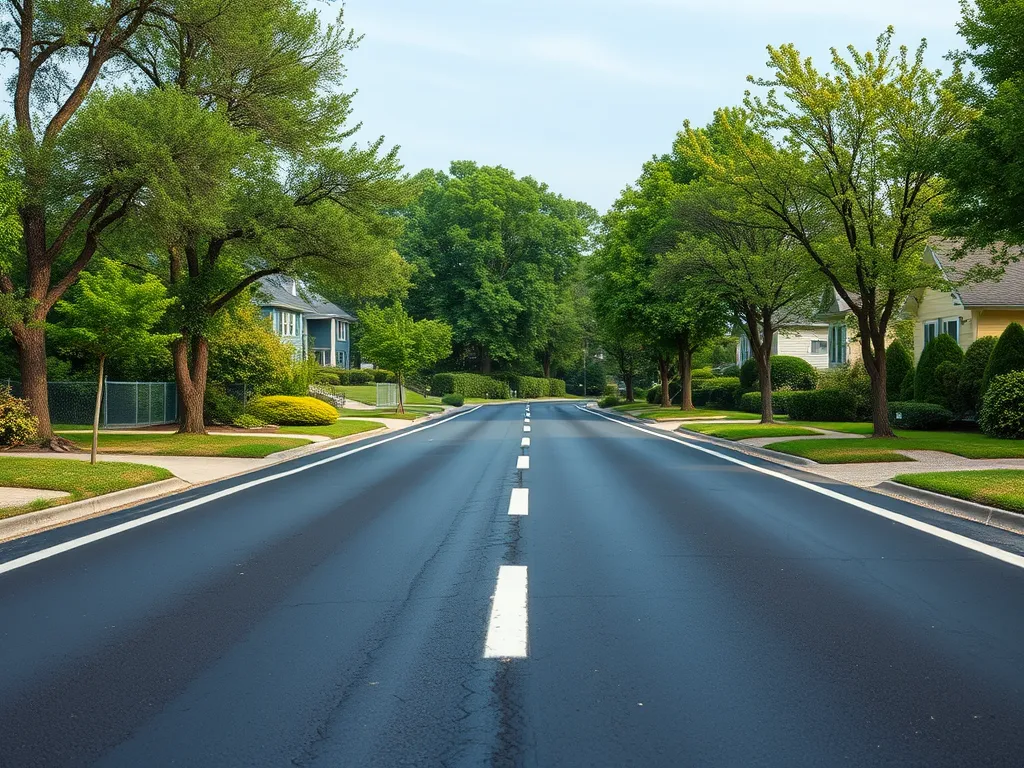
Cost and Maintenance Considerations
Adopting quiet asphalt pavement requires balancing upfront expenses with future gains. Cities must weigh budget constraints against noise reduction goals and pavement longevity.
Initial Installation Costs Vs. Long-term Savings
Quiet road surfaces typically cost $3-$7 per square foot, 15-25% more than traditional asphalt. This stems from specialized mixes like stone matrix asphalt (SMA) or open-graded friction course (OGFC) requiring premium aggregates and polymer-modified binders. Phoenix reported a 12% higher upfront cost when installing noise reducing asphalt pavement on its Loop 202 corridor.
Long-term savings offset these investments. Los Angeles saw 18% lower maintenance costs over a decade on quiet asphalt streets due to reduced cracking. Open-graded surfaces also minimize stormwater runoff, cutting drainage system strain. Cities like Copenhagen eliminated $2M in noise barrier installations by using sound absorbing asphalt roads near residential zones.
Maintenance Requirements for Quiet Asphalt Surfaces
Porous quiet pavements urban areas demand proactive care. Debris accumulation in air voids can reduce noise absorption by 30% within 5-7 years. Best practices include biannual vacuum sweeping or pressure washing at 1,500 PSI. Minneapolis extends pavement life by 40% through annual seal coats with rubberized emulsions.
Winter maintenance differs for noise reducing asphalt road surfaces. Avoid metal-edged snowplows that damage porous textures. Toronto uses specialized rubber-blade plows and limits de-icing salts to prevent surface degradation. SMA mixtures with high stone-on-stone contact require less frequent pothole repairs than traditional asphalt.
These cost and care factors directly influence another critical aspect of quiet asphalt cities – their environmental footprint. How material choices and maintenance methods impact urban ecosystems merits closer examination.
Environmental Benefits Of Quiet Asphalt
Quiet asphalt cities gain ecological advantages beyond noise control. This pavement type tackles resource conservation and habitat preservation through innovative design choices.
Recycled Materials in Quiet Asphalt Production
Modern quiet asphalt mixes integrate 20-30% recycled asphalt pavement (RAP) and recycled asphalt shingles (RAS). Cities like Los Angeles and Denver use these blends to cut material costs by 15% while diverting 1.2 million tons of waste from landfills annually. Polymer-modified PG 76-22 binders bind recycled aggregates, maintaining durability while supporting circular economy principles.
Life Cycle Assessment studies show recycled-content quiet pavements reduce mining demands by 40% and lower production emissions by 18% compared to virgin mixes. Phoenix’s 2023 arterial road resurfacing project saved 6,500 metric tons of CO₂ equivalent through RAP-based quiet asphalt.
Reducing Urban Noise Pollution and Its Ecological Impact
Noise reducing asphalt road surfaces decrease urban sound levels by 3-7 decibels – a 50% perceived noise reduction. This directly benefits ecosystems: Portland’s 2022 urban wildlife study recorded 22% higher songbird densities along quiet asphalt streets due to improved mating call audibility.
Lower noise levels let cities reduce sound barrier wall installations. Minneapolis eliminated 1.3 miles of concrete barriers along I-94 after switching to stone matrix asphalt, preserving $2.8 million in construction funds. Reduced vibration from quiet asphalt pavement also decreases soil compaction near tree roots, boosting urban canopy health.
These environmental gains position quiet asphalt as a multi-benefit solution for sustainable cities. Next, we examine how municipalities balance these ecological advantages with budget realities during pavement planning.
Frequently Asked Questions (FAQ)
How Effective is Quiet Asphalt in Reducing City Noise?
Quiet asphalt has been shown to effectively reduce city noise levels by up to 5 decibels, which translates to approximately a 50% reduction in perceived loudness. This is particularly beneficial in high-traffic areas and near sensitive zones like schools and hospitals.
Can Stone Matrix Asphalt Be Used in All Urban Areas?
While Stone Matrix Asphalt (SMA) is highly effective and durable, its applicability depends on local traffic conditions, climate, and budget. Cities should evaluate the specific needs and conditions of their urban environments before implementation.
Is Quiet Asphalt More Expensive Than Traditional Pavement?
Yes, quiet asphalt generally has higher initial installation costs, ranging from $3 to $7 per square foot compared to traditional asphalt. However, the long-term savings in maintenance expenses and environmental benefits can offset these costs over time.
What Maintenance is Required for Quiet Asphalt Surfaces?
Maintenance for quiet asphalt surfaces involves regular vacuum sweeping and pressure washing to prevent debris from clogging air voids, which can impair noise absorption. Additionally, cities may implement seal coats annually to prolong pavement life and manage winter conditions effectively.
How Does Quiet Asphalt Impact Urban Water Management?
Quiet asphalt’s porous structure enhances stormwater management by allowing water to drain through its surface, reducing runoff and flooding risks. This characteristic minimizes the strain on urban drainage systems and helps mitigate water-related urban challenges.
What Are the Environmental Benefits Of Using Quiet Asphalt?
Besides reducing noise, quiet asphalt is often composed of recycled materials, which decreases waste and conserves resources. Its use lowers emissions during production and contributes to a more sustainable urban infrastructure, promoting eco-friendly practices.
Closing Thoughts
Quiet asphalt presents a practical solution for urban noise challenges. Its unique properties reduce sound levels significantly, enhancing quality of life in bustling cities. From high-traffic roads to serene residential areas, the applications are diverse and impactful.
Cost-effectiveness and environmental benefits add to its appeal. Utilizing recycled materials not only lowers initial expenses but also supports sustainable practices. As cities continue to evolve, integrating quiet asphalt can foster peaceful urban environments while accommodating growth.
For more insights on quiet asphalt applications and other asphalt-related topics, visit Asphalt Calculator USA.

