Porous Asphalt Benefits: Key Advantages for Sustainable Pavement Solutions
Published on: March 25, 2026 | Last Updated: April 14, 2025
Written By: George Voss
Porous asphalt is a pavement material designed with interconnected voids that let water drain through its surface. Unlike traditional asphalt, which channels stormwater into drains, this permeable system reduces runoff by 50-70% while filtering pollutants. It supports groundwater recharge, lasts 20+ years with proper maintenance, and cuts long-term costs by up to 35% compared to conventional paving.
This article breaks down how porous asphalt outperforms standard pavements. Learn about its unique structure, installation best practices, and environmental perks like cooling urban heat islands. We’ll compare costs, analyze lifespan data, and explore ideal applications from driveways to playgrounds.
Contents
- What is Porous Asphalt?
- Core Benefits Of Porous Asphalt
- Porous Asphalt Vs. Traditional Asphalt
- Installation and Maintenance Guidelines
- Environmental and Supplementary Benefits
- Common Applications Of Porous Asphalt
- Addressing Common Concerns
- Disadvantages Of Porous Asphalt
- Frequently Asked Questions (FAQ)
- Closing Thoughts
- Useful References for You:
What is Porous Asphalt?
Porous asphalt is a permeable pavement designed to let water pass through its surface. Unlike traditional asphalt, it uses an open-graded mix with fewer fine particles. This creates voids that allow stormwater to drain directly into the ground below.
Definition and Structural Composition
The material combines coarse aggregates (like crushed stone), asphalt binder, and 16-20% air voids. PG (Performance Grade) binders—engineered for temperature resistance—ensure stability. Superpave mix designs optimize aggregate size and binder content for strength. A 12-36-inch stone reservoir beneath the asphalt layer stores water temporarily before it infiltrates soil.
How Porous Asphalt Works for Drainage
Rainwater flows through the porous surface into the stone bed, which acts as a holding tank. From there, it slowly percolates into the subsoil at rates up to 5 gallons per minute per square foot. This bypasses storm drains, cutting runoff by 50-90%. The system filters pollutants like oil and sediment, improving water quality.
This drainage capability forms the foundation for its broader benefits. Let’s explore why this material outperforms traditional pavement in sustainability and cost-efficiency.
Core Benefits Of Porous Asphalt
Porous asphalt offers clear perks for roads, lots, and paths. Let’s break down its top strengths.
Efficient Drainage &Amp; Stormwater Management
Porous asphalt drains fast. Its open grid lets rain seep through at 5-7 inches per hour. This cuts flood risks and eases strain on storm drains. Water filters through the pavement, trapping oils and grit. This keeps streams clean and meets EPA rules for runoff control.
Enhanced Road Durability and Reduced Cracking
Made with rough stone and PG binders (asphalt graded for heat/cold), porous asphalt bends without breaking. Ice and thaw cycles cause fewer cracks. Tests show it lasts 15-20 years—5+ years longer than dense asphalt in freeze zones.
Cost-effective Long-term Savings
Upfront costs run $2-$4 per sq. ft.—like regular asphalt. But it saves cash over time. Cities report 25-30% lower stormwater fees due to less pipe work. No need for pricey retention ponds adds to savings.
Reduced Maintenance Needs Compared to Traditional Asphalt
Porous asphalt needs less upkeep. Its gaps stop potholes by letting water escape. Just vacuum-sweep debris 1-2 times yearly. Skip sealcoating—a $0.15-$0.25 per sq. ft. cost every 3-5 years for dense pavements.
Now let’s see how porous asphalt compares to regular pavement in build, cost, and weather handling.
Porous Asphalt Vs. Traditional Asphalt
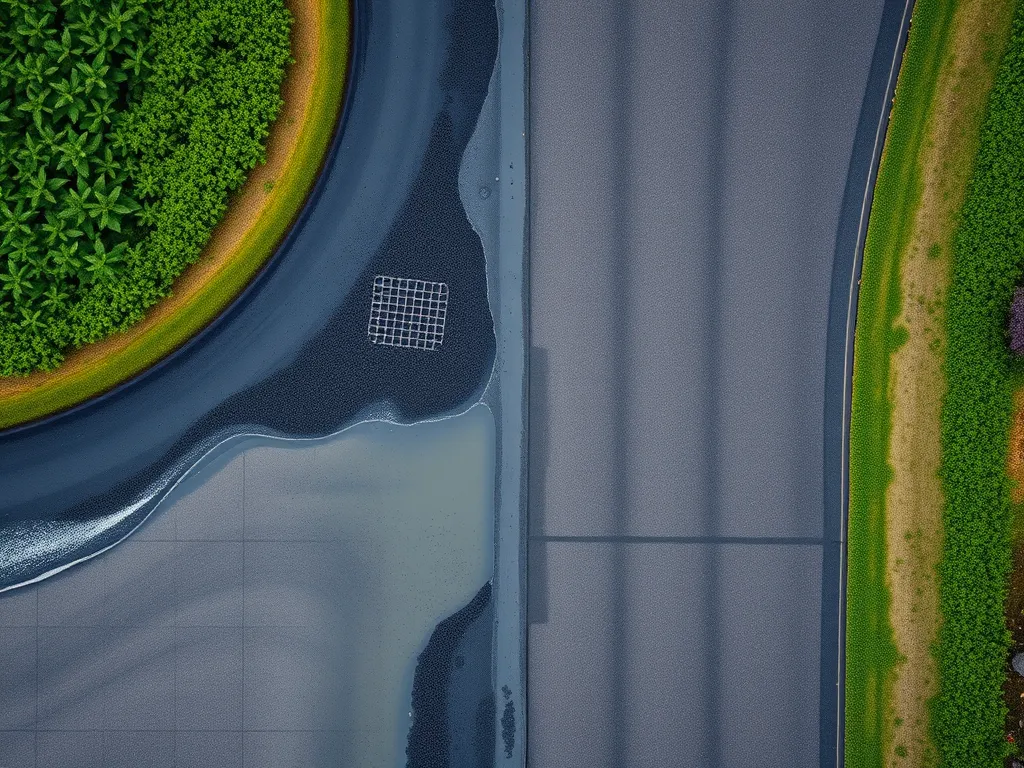
Distinct variations in design, function, and financial impact position porous asphalt as a strong rival to traditional pavements. Knowing how both stack up aids in making smart picks for roads, lots, or walkways.
Key Structural Differences
Porous asphalt contains a mix of big aggregates (up to ½ inch) with minimal sand, forming 16-22% voids. This allows water to pass through. Traditional asphalt packs small stones tightly, blocking drainage. A PG 64-22 binder binds porous layers, while traditional pavements rely on thicker, solid coats without voids.
Performance in Extreme Weather Conditions
Rainstorms? Porous asphalt drains 5 inches of water hourly, stopping floods. Snow melts filter down, cutting ice formation. In freezing zones, voids stop water from freezing and cracking surfaces. Traditional pavements pool water, leading to hydroplaning risks or frost heave harm. Both handle high temps, but porous types stay cooler by 10-15°F via air pockets.
Initial Cost Comparison and Long-term Value
Installing porous asphalt costs $3-$5 per sq.ft., 15-25% pricier than traditional. But savings start fast: no curbs, drains, or retention ponds trim site work. Over 15-20 years, porous cuts upkeep costs by 20-30%—no crack fills for water harm. Tax breaks for stormwater compliance (like LID credits) add fiscal perks. Traditional pavements need costly fixes for potholes or drainage fails.
Looking at how to put this material in place? Upcoming tips on installation will show ways to boost its lasting power.
Also See: How to Finance an Asphalt Driveway: Smart Tips
Installation and Maintenance Guidelines
Porous asphalt offers clear perks, but its perks depend on how it’s built and cared for. Follow these steps to lock in its benefits.
Proper Installation Techniques for Optimal Performance
Install starts with a strong base. Use 18-36 inches of crushed stone under the asphalt. This layer stores stormwater. Mix open-graded rocks (1/2″ to 3/4″ size) with PG binder (a type of sticky glue). Lay the asphalt 4-6 inches thick. Slope the surface 2-5% to guide water flow. Pack it with rubber-tired rollers—steel rollers crush the gaps that make it porous.
| Key Step | Spec |
|---|---|
| Base Layer | 18-36″ crushed stone |
| Aggregate Size | 1/2″ to 3/4″ |
| Slope | 2-5% grade |
| Lift Thickness | 4-6 inches |
Routine Maintenance Best Practices
Keep pores clear for top function. Vacuum sweep every 3 months ($0.10-$0.30 per sq ft). Pressure wash yearly to blast out grit. Check for silt every 6 months—if 40% of pores clog, plan to patch or replace. Fix small cracks fast with porous fill mix to stop bigger splits.
Proper care cuts long-term costs by up to 35% vs. regular asphalt. It also keeps stormwater flow strong, which ties to its eco perks. Next, let’s break down how these steps boost green gains.
Environmental and Supplementary Benefits
Porous asphalt does more than handle water. It tackles big eco issues cities face today.
Stormwater Management &Amp; Pollution Reduction
Porous asphalt cuts storm runoff by 50-70% vs solid pavement. Water flows through its 16-20% air voids into stone beds below. This filters oil, metals, and toxins like zinc or lead. A study by the EPA shows it removes 80-95% of total suspended solids. Less runoff means fewer floods and cleaner rivers.
Mitigating Urban Heat Island Effect
Blacktop soaks up heat, raising city temps by 5-10°F. Porous asphalt stays cooler. Its open gaps let air and moisture flow, cutting surface heat by 20-30°F. Tests in Phoenix, AZ, show midday temps of 110°F on solid asphalt vs 85°F on porous. Cooler streets mean lower AC bills for nearby buildings.
Supporting Groundwater Recharge
Each square foot of porous asphalt lets 4-6 gallons of water soak into soil hourly. That’s 50x more than regular pavement. In drought zones like California, this refills aquifers fast. A 1-acre lot with porous asphalt sends 1M gallons yearly back to groundwater—enough for 10 homes.
With these green perks, porous asphalt proves its worth beyond roads. Next, see where it works best—from driveways to parks.
Common Applications Of Porous Asphalt
Porous asphalt works well in many places. Its mix of rocks and sticky binder lets water flow through it. This makes it ideal for areas where water control matters.
Residential Driveways and Parking Lots
Home driveways and lots gain from porous asphalt. It stops puddles and cuts flood risks. Rain soaks into the ground, not the street. A 4-inch layer can drain 5 inches of rain per hour. Costs run $3-$5 per sq.ft., close to regular asphalt. Less ice forms in winter, boosting safety.
| Feature | Porous Asphalt | Regular Asphalt |
|---|---|---|
| Cost (per sq.ft.) | $3 – $5 | $2 – $4 |
| Lifespan | 20+ years | 15-20 years |
| Maintenance | Annual vacuuming | Sealcoating every 3-5 years |
Low-traffic Roads and Recreational Pathways
Quiet roads and paths use porous asphalt well. Bike trails, park walks, and alleys stay dry and crack-free. The open gaps handle light cars and trucks. In tests, these roads last 25% longer in wet zones. Freeze-thaw cycles cause less harm, as water drains fast.
Playgrounds and Public Spaces
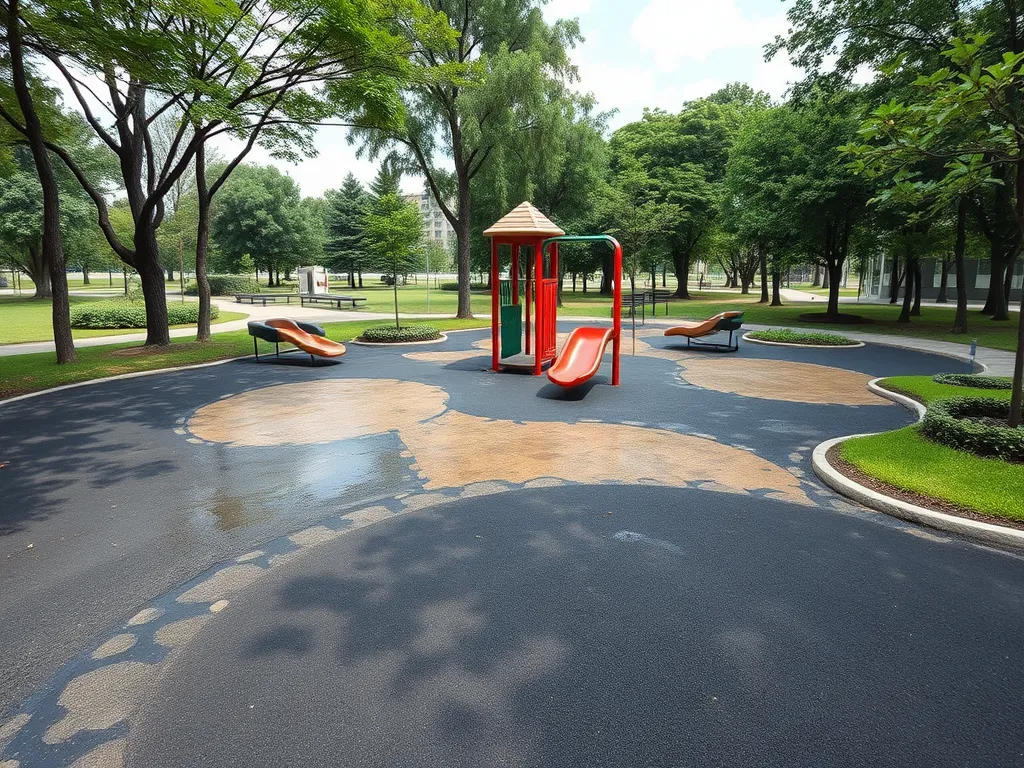
Parks and schools pick porous asphalt for safety. No standing water means fewer slips. Surface temps stay 10-15°F cooler than solid pavement in summer. It meets ADA rules for smooth access. Cities like Philadelphia use it to recharge groundwater and cool urban spots.
Porous asphalt fits many needs, but its use depends on site needs. Next, we tackle common questions about its limits and costs.
Addressing Common Concerns
While porous asphalt offers clear environmental and functional perks, project planners often raise practical questions. Let’s tackle three frequent concerns head-on.
How Long Does Porous Asphalt Last?
Properly installed porous asphalt lasts 20-25 years—matching or exceeding traditional pavement. Its open-graded surface resists cracking caused by freeze-thaw cycles. Maintenance matters: annual vacuum sweeping prevents clogs, while avoiding sealcoating preserves permeability. States like Maryland report 22-year lifespans for parking lots using PG 64-22 binders and angular aggregates.
Is Porous Asphalt More Expensive Initially?
Upfront costs run 15-30% higher than conventional asphalt—$3-$7 per sq. ft. versus $2-$5. The gap narrows when factoring in stormwater infrastructure savings. A 2022 study showed porous lots reduced runoff management costs by 40-60% versus traditional designs. Long-term savings kick in through fewer pothole repairs and delayed drainage system upgrades.
Climate and Usage Limitations
Porous asphalt thrives in most regions except extreme freeze-thaw zones. Modified binders like PG 58-28 improve cold-weather performance. Weight restrictions apply: avoid areas with constant heavy truck traffic above 8,000 ADT (annual daily trips). Ideal uses include parking stalls, residential streets, and bike paths. Coastal states like Florida favor it for hurricane-ready drainage, while Midwest projects often pair it with geotextile subbase layers.
While these factors require consideration, they rarely outweigh porous asphalt’s core strengths. Next, we’ll examine specific scenarios where drawbacks might influence material selection.
Disadvantages Of Porous Asphalt
Porous asphalt has clear perks but also some limits. Knowing these helps plan projects well.
Higher Upfront Costs
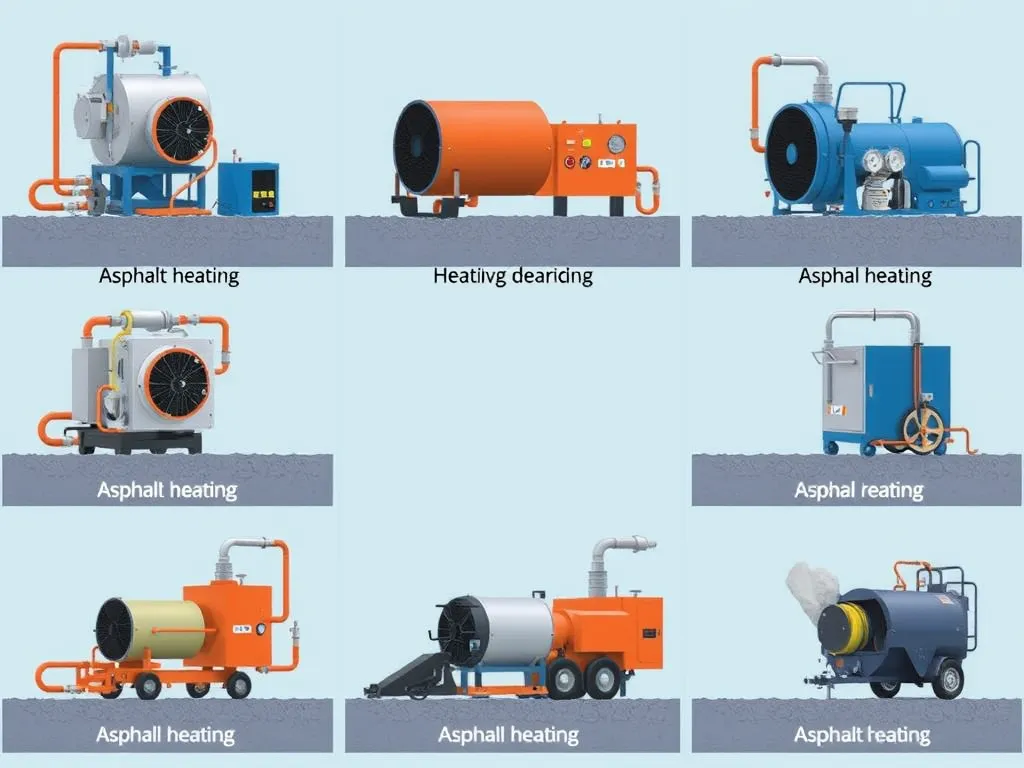
Porous asphalt costs 20-30% more to install than standard asphalt. Open-graded rocks and polymer binders boost material prices. Trained crews and gear like infrared heaters add labor fees. These costs drop long-term by cutting storm drain needs.
Specialized Maintenance Requirements
Clogged pores hurt drainage. Vacuum sweep every 3-6 months to clear grit. Pressure wash if voids fill with sand or silt. Few crews know how to fix porous layers without blocking gaps. Yearly checks prevent costly repairs.
Unsuitability for Heavy Traffic Areas
Constant trucks or cars pack down voids, killing permeability. Use it for driveways, lots, or paths with under 500 PSI loads. High-traffic zones like ports need dense asphalt mixes.
These factors shape where and how to use porous asphalt. Next, we answer top questions on lifespan, climate fit, and cost.
Frequently Asked Questions (FAQ)
What Are the Primary Benefits Of Porous Asphalt?
The primary benefits of porous asphalt include efficient drainage that reduces stormwater runoff, enhanced durability that minimizes cracking over time, significant long-term cost savings by decreasing maintenance needs and infrastructure costs, and environmental advantages such as improved water quality and support for groundwater recharge.
How Does Porous Asphalt Compare to Permeable Pavers?
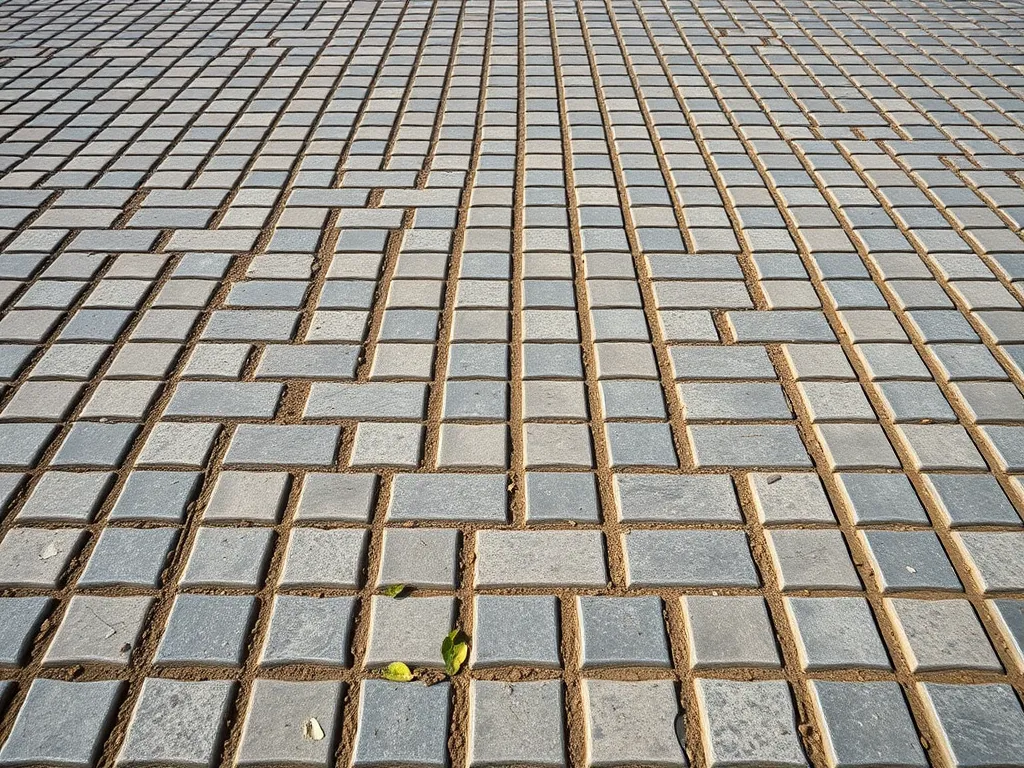
While both porous asphalt and permeable pavers allow water to infiltrate through their surfaces, porous asphalt typically offers a smoother surface and can handle heavier loads, making it suitable for roads and parking lots. Permeable pavers, on the other hand, often provide more design flexibility and aesthetic options for residential and recreational areas. The choice between the two depends on specific project needs and traffic loads.
Can Porous Asphalt Be Used in Freezing Climates?
Yes, porous asphalt can be used in freezing climates, though it requires specific design considerations. Using modified binders designed for cold weather and ensuring proper installation can enhance its performance. While it is generally suitable for cold regions, careful attention must be paid to avoid heavy traffic loads that could compact the material and reduce its permeability.
Closing Thoughts
Porous asphalt represents a forward-thinking solution for sustainable pavement. Its unique structure enables efficient drainage, mitigating stormwater issues while reducing the urban heat island effect. The durability and cost-effective nature make it an appealing choice for various applications, from residential driveways to recreational pathways.
While there are initial cost considerations and maintenance requirements, the long-term benefits often outweigh these factors. With proper installation and routine care, porous asphalt can be a smart investment for environmentally-conscious projects.
For more information on porous asphalt and other asphalt solutions, check out Asphalt Calculator USA.