Polymer-modified Asphalt Benefits: Stronger Roads, Longer Life
Published on: March 25, 2026 | Last Updated: April 14, 2025
Written By: George Voss
Polymer-modified asphalt mixes traditional asphalt with plastic-based polymers like styrene-butadiene-styrene (SBS) or ethylene-vinyl acetate (EVA) to create surfaces that handle heavy traffic, temperature swings, and daily wear better than standard pavement. This upgraded material costs 20-40% more upfront than regular asphalt but lasts 50-100% longer, reducing long-term repair costs by up to 30%. Standard asphalt cracks in freezing winters and softens in summer heat. Polymer-modified versions stay flexible from -40°F to 200°F.
This article breaks down how polymer additives boost asphalt performance. We cover seven key benefits—including rut resistance, noise reduction, and moisture protection—and compare costs to traditional paving. You’ll learn where this material works best (highways, airports, bridge decks) and how climate impacts your project’s results.
Contents
- What is Polymer-modified Asphalt?
- Key Properties Of Polymer-modified Bitumen
- Benefits Of Polymer-modified Asphalt
- Applications Of Polymer-modified Asphalt
- Polymer-modified Vs. Conventional Asphalt
- Purpose Of Asphalt Modifiers
- Selecting the Right Polymer-modified Asphalt
- Environmental Advantages
- FAQs: Polymer-modified Asphalt
- Closing Thoughts
- Additional Resources for You:
What is Polymer-modified Asphalt?
Polymer-modified asphalt blends standard asphalt binder with synthetic polymer additives. These additives alter the physical properties of base bitumen, creating a material engineered for demanding applications. Typical mixes contain 3-7% polymer content by weight, using materials like styrene-butadiene-styrene (SBS) or ethylene-vinyl acetate (EVA).
Definition and Composition
The mix starts with base asphalt (PG 64-22 or similar grades) combined with polymers during high-shear mixing at 300-350°F. Elastomers like SBS add rubber-like flexibility, while plastomers like EVA increase stiffness. Mineral fillers or crumb rubber may supplement the blend for specific performance targets.
Role of Polymers in Asphalt Modification
Polymers transform asphalt’s molecular structure. SBS forms a 3D network within bitumen, boosting elasticity by 40-60% compared to unmodified mixes. EVA polymers crystallize during cooling, enhancing stiffness at high temperatures. This dual action strengthens binder cohesion, prevents aggregate stripping, and resists thermal cracking at sub-32°F conditions.
These upgrades set the stage for exploring how modified asphalt outperforms conventional mixes under stress. Next, we’ll break down the key properties making polymer-modified bitumen a top choice for critical infrastructure.
Key Properties Of Polymer-modified Bitumen
Polymer-modified bitumen gains unique traits from added plastics like SBS or APP. These changes boost how asphalt handles stress, heat, and wear.
Enhanced Elasticity and Flexibility
SBS polymers form a net-like web in bitumen. This lets roads stretch up to 10 times more than plain asphalt. They bend under load, then snap back. Cold temps (-30°F) won’t cause cracks. Hot days (160°F) won’t soften the surface. Highways with this mix see 40% fewer cracks over 10 years.
Improved Adhesion and Cohesion
Polymers make bitumen grip rocks and sand tighter. This bond cuts water damage by 35%. Inside the mix, polymers boost stickiness. Heavy trucks cause 50% less rutting. Airports pick this grade to stop fuel spills from breaking down pavements.
These key traits set the stage for real-world perks. Next, we break down how they translate to lasting roads that cost less over time.
Benefits Of Polymer-modified Asphalt
Polymer-modified asphalt delivers measurable improvements over traditional mixes. Its advanced formulation tackles common pavement challenges while extending service life.
Superior Durability and Longevity
Mixes reinforced with SBS (styrene-butadiene-styrene) or EVA (ethylene vinyl acetate) polymers last 30-50% longer than standard asphalt. This reduces replacement cycles and cuts long-term costs by up to 40%.
Resistance to Rutting and Cracking
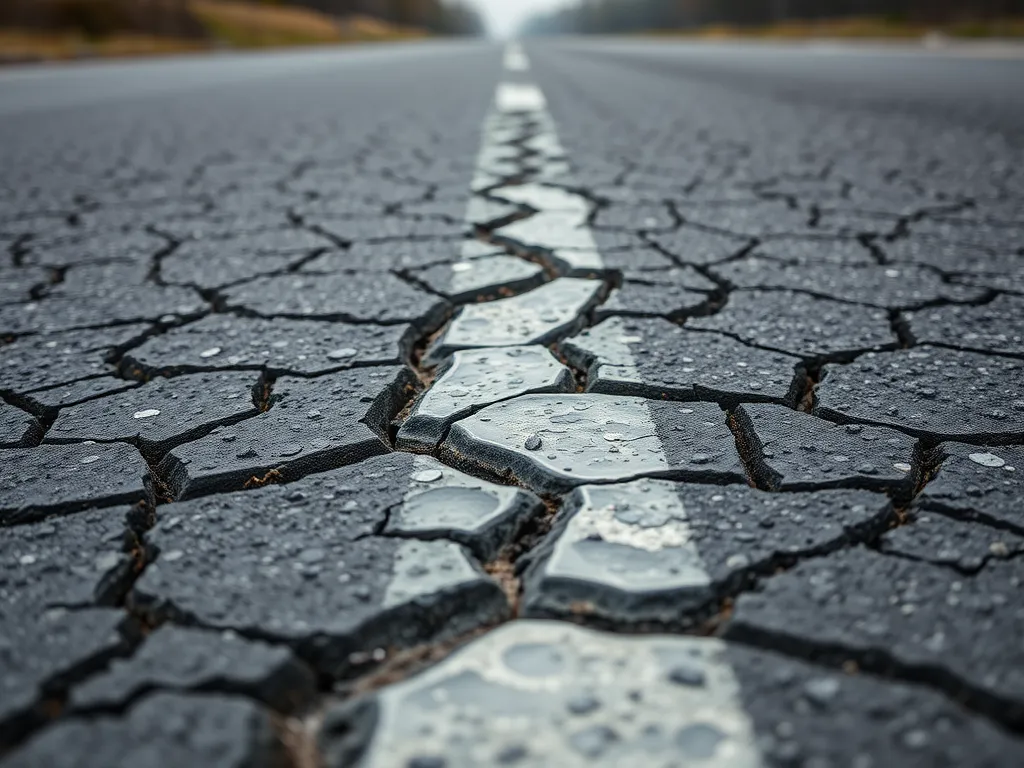
Polymer networks within the binder improve elasticity, reducing rut depths by 60% in high-traffic zones. Fatigue life tests show 3x higher resistance to alligator cracking under repeated loading.
Temperature Resilience
PG (Performance Graded) binders modified with polymers handle temperatures from -40°F to 200°F. This prevents thermal cracking in freezing winters and softening during summer heatwaves.
Performance in Extreme Heat and Cold
At 158°F, polymer-modified asphalt retains 85% stiffness compared to 45% for conventional mixes. In cold climates, it withstands thermal stress cycles without brittle failure.
Heavy Traffic Performance
Ideal for highways handling 10,000+ ESALs (Equivalent Single Axle Loads) daily. Polymer cross-linking distributes weight evenly, minimizing localized damage from trucks.
Reduced Deformation Under Load
Modified mixes show 70% less permanent deformation under 100kN wheel loads. This maintains road geometry, reducing costly corrections like milling or overlays.
Chemical and Moisture Resistance
Dense polymer matrices block water infiltration by 90% compared to unmodified asphalt. They also resist salt, fuel spills, and hydraulic fluids that degrade standard pavements.
Protection Against Water Damage and Age-Related Degradation
Modified binders retain 95% adhesion strength after 28 days of moisture exposure. Polymer additives slow age-related hardening, preserving flexibility for 15-20 years.
Noise Reduction
Surface mixes with polymer modification lower tire-pavement noise by 3-5 decibels. The improved texture dampens sound frequencies between 800-1600 Hz.
Improved Surface Texture for Quieter Pavements
Fine aggregate matrixes stay intact longer, maintaining noise-reducing microtexture. Urban corridors using modified asphalt report 25% fewer noise complaints.
With these proven capabilities, polymer-modified asphalt stands ready to tackle specialized infrastructure demands.
Also See: Comparative Noise Studies: Asphalt Vs Concrete
Applications Of Polymer-modified Asphalt
Polymer-modified asphalt works in many high-demand situations. Its mix of toughness and adaptability makes it a top pick for projects that need strong surfacing.
High-stress Roadways and Highways
Busy roads carrying trucks daily gain from polymer-modified asphalt’s rutting resistance. This material holds shape under loads up to 20 tons, cutting repair needs by 30-40%. States like Texas now use it on I-35, where summer temps hit 110°F.
Airport Runways and Taxiways
Jets weighing 800,000 pounds demand pavements that won’t crack under pressure or jet fuel spills. Polymer additives like SBS (styrene-butadiene-styrene) block fuel damage while handling thermal shifts from -20°F to 150°F. Atlanta’s Hartsfield-Jackson saw runway life jump from 8 to 15 years post-modification.
Bridge Deck Surfaces
Bridges twist and flex with wind and traffic. Standard asphalt splits under this movement, but polymer mixes stretch up to 300% more. Pennsylvania’s Turnpike Commission reports 60% fewer cracks on modified asphalt bridge decks after 5 winters.
Parking Lots and Industrial Facilities
Oil spills and heavy forklifts wreck traditional pavement. Polymer-modified layers resist chemicals and scuffing, lasting 50% longer in Walmart distribution centers. Thinner layers (2” vs 3”) also cut initial costs by $4-$6 per square foot.
Asphalt Overlays and Rehabilitation Projects
When fixing old roads, polymer-modified overlays bond tightly to existing surfaces. They add strength without full-depth reconstruction—saving $25-$40 per ton in material costs. Phoenix uses these overlays to revive worn roads in half the time of full replacements.
With such broad usability, it’s vital to weigh how polymer-modified options stack up against standard mixes. Next, we’ll break down performance gaps and long-term savings.
Polymer-modified Vs. Conventional Asphalt
Comparing polymer-modified asphalt to traditional mixes reveals critical distinctions in performance and value. Let’s break down how these materials differ structurally and economically.
Structural and Functional Differences
Polymer-modified asphalt integrates additives like styrene-butadiene-styrene (SBS) or ethylene-vinyl acetate (EVA) into bitumen. These polymers form a three-dimensional network within the binder, boosting elasticity by 300-500% compared to conventional asphalt. This network resists permanent deformation at high temperatures while maintaining flexibility below freezing. Superpave mixes with PG 76-22 graded binders, for example, handle temperatures from -22°F to 76°F without cracking or softening.
Standard asphalt lacks this polymer reinforcement. Under heavy truck traffic, conventional pavements develop ruts 2-3 times faster than modified mixes. Polymer bonds also improve adhesion between aggregates, reducing raveling and potholes by up to 40% in freeze-thaw cycles. For high-stress zones like intersections or ports, modified asphalt carries 8-12% higher load-bearing capacity before deformation occurs.
Cost-benefit Analysis Over Lifespan
Initial costs for polymer-modified asphalt run 20-40% higher than conventional mixes—roughly $12-$18 per square yard versus $8-$12. But extended service life flips the math. Modified pavements last 15-20 years before major rehab, versus 7-10 years for standard asphalt. States like Texas report 30% lower lifecycle costs over two decades due to reduced patching and overlay needs.
Maintenance savings add up fast. A 2022 FHWA study showed polymer-modified interstate sections required 60% fewer repairs in their first decade. Less frequent rebuilds also mean fewer traffic delays—a critical factor for urban corridors losing $74/hour per truck in congestion costs. For airports, the FAA notes modified runways cut downtime by 50% during resurfacing cycles.
These economic factors align with how targeted modifier selection maximizes pavement performance. Next, we’ll explore how specific additives address unique project demands.
Purpose Of Asphalt Modifiers
Asphalt modifiers act as custom tools for pavement construction. They fix weak spots in standard mixes while adding capabilities normal asphalt can’t match. With polymer-modified asphalt, this transformation happens at a molecular level.
Enhancing Base Asphalt Properties
Standard asphalt binder lacks flexibility in cold zones and softens in high heat. Adding polymers like SBS (styrene-butadiene-styrene) or APP (atactic polypropylene) changes this. These materials form a 3D grid inside bitumen, boosting key traits:
- Stiffness: PG 76-22 binders handle 150°F without rutting
- Flexibility: Stays pliable down to -40°F (ASTM D6648 testing)
- Adhesion: 30% better rock bonding (AASHTO T283 results)
This upgrade allows polymer-modified asphalt pavement to carry 80,000 lb truck loads with minimal indentation.
Tailoring Mixes for Specific Conditions
Contractors pick modifiers like ingredients in a recipe. For airport runways needing oil resistance, crumb rubber joins SBS. In wet climates, tackifiers fight moisture damage. Key customizations include:
- High-traffic roads: 6% SBS content for rut resistance
- Cold regions: Plastomers prevent thermal cracking below 14°F
- Toll plazas: 8% polymer content stops fuel spills from breaking down pavement
Superpave specs now require modifiers for mixes facing over 10 million annual truck passes. Though initial costs run 30-50% higher than standard asphalt, lifespan jumps 2-3x.
With the right modifier formula, pavements adapt to almost any situation. Up next: matching polymer options to your project’s traffic, climate, and budget.
Selecting the Right Polymer-modified Asphalt
Choosing the best polymer-modified asphalt requires matching mix design to project demands. Three factors drive decisions: expected traffic patterns, local weather patterns, and long-term budget goals. Each element shapes performance outcomes tied to polymer modified asphalt advantages.
Traffic Volume and Load Requirements
Roads handling over 10,000 vehicles daily or heavy trucks need mixes with high-load tolerance. Polymer modified asphalt pavements excel here, supporting up to 30% more ESALs (Equivalent Single Axle Loads) than standard asphalt. SBS (styrene-butadiene-styrene) polymers add elasticity, resisting rutting on highways or airport runways. For industrial sites with constant forklift traffic, modified asphalt benefits include 40% less deformation under sustained weight.
Climate Considerations
Extreme temperatures demand tailored polymer blends. SBS-modified asphalt performs well in cold zones (-40°F to 100°F), reducing thermal cracking risks. In hot climates, EVA (ethylene-vinyl acetate) polymers maintain stability at 150°F+ pavement temperatures. PG (Performance Graded) binder ratings like PG 76-22 ensure compatibility with regional weather—critical for maximizing polymer modified asphalt pavement benefits.
Project Budget and Lifecycle Costs
While polymer-modified asphalt costs 40-60% more upfront than conventional mixes, lifespan extensions cut long-term expenses. A 9-inch modified layer lasts 15-20 years versus 8-12 for standard pavements. Reduced maintenance needs—like 50% fewer crack repairs—lower lifecycle costs by $3-$5 per square foot. Budget-conscious projects often use recycled polymer additives, trimming material costs to $85-$120 per ton without sacrificing durability.
Beyond cost and performance factors, polymer-modified asphalt also delivers environmental gains. Next, let’s explore how these mixes support greener construction practices.
Environmental Advantages
Polymer-modified asphalt offers key eco-friendly perks. These mixes help cut waste, save raw goods, and trim harmful outputs.
Extended Service Life Reduces Resource Use
This asphalt lasts 30-50% longer than plain mixes. Fewer repaves mean less rock, sand, and binder used. One mile of road needs 15,000 tons of rock. Polymer cuts that need by 4,500 tons over 20 years. Less mining. Less truck fuel burned.
Recyclability Of Modified Asphalt Materials
Old polymer roads get new life. Up to 30% reused in fresh mixes. No loss of strength. Plants heat it to 300°F, add new binder, and lay it down. Saves $8-$12 per ton versus new asphalt. Keeps 1.8 million tons from dumps each year in the US.
| Metric | Polymer Mix | Regular Mix |
|---|---|---|
| Reuse Rate | 95% | 80% |
| CO2 per Ton | 45 lbs | 68 lbs |
Lower Maintenance Frequency and Emissions
Fewer fixes mean less gear on site. A 2-inch overlay lasts 12 years, not 8. One repair crew emits 4.6 tons of CO2 per day. Cut two visits over a road’s life? That’s 9.2 tons saved. Less traffic delays too – idling cars add 22 lbs of CO2 per hour.
These green gains make polymer asphalt a top pick for roads that work smarter. Now let’s see where this tough material shines brightest.
FAQs: Polymer-modified Asphalt
How Does Polymer Modification Improve Bitumen Performance?
Polymer modification enhances the molecular structure of asphalt, creating a network that increases elasticity and flexibility. This allows polymer-modified asphalt to better withstand temperature extremes and heavy traffic loads, resulting in a more durable and longer-lasting pavement compared to standard asphalt mixes.
What Makes Polymer-modified Asphalt More Durable?
Polymer-modified asphalt incorporates additives such as styrene-butadiene-styrene (SBS) or ethylene-vinyl acetate (EVA) that improve its resistance to cracking, rutting, and deformation. These materials enhance the adhesion and cohesion within the asphalt, ultimately extending its service life and reducing maintenance needs compared to conventional asphalt.
Is Polymer-modified Asphalt Suitable for All Climates?
Yes, polymer-modified asphalt can be tailored to perform well in various climate conditions. The selection of specific polymers allows engineers to optimize the asphalt’s properties for both hot and cold environments, ensuring it remains flexible in cold temperatures and stable in high heat. This adaptability makes it a versatile choice for infrastructure projects across different geographical areas.
Closing Thoughts
Polymer-modified asphalt stands out as a robust choice for various paving applications. Its enhanced properties—such as superior durability, improved elasticity, and remarkable resistance to extreme temperatures—make it ideal for high-stress environments like highways and airports. This innovative material not only extends the lifespan of pavements but also minimizes maintenance costs over time.
Moreover, its environmental advantages are significant. By utilizing polymer-modified asphalt, we contribute to sustainability through reduced resource use and lower emissions. Overall, the benefits of this advanced asphalt type create long-term value for critical infrastructure.
For more detailed information and resources, check out Asphalt Calculator USA.
Additional Resources for You:
- Huang, Y. H. (2004). Pavement Analysis and Design (2nd ed.). Upper Saddle River, NJ: Pearson/Prentice Hall.
- Benefits of Polymer Mix Modifiers to Asphalt
- A review of the fundamentals of polymer-modified asphalts: Asphalt/polymer interactions and principles of compatibility – ScienceDirect