Permeable Asphalt Environmental Benefits: A Sustainable Solution
Published on: March 23, 2026 | Last Updated: April 14, 2025
Written By: George Voss
Permeable asphalt is a pavement that lets stormwater soak through its surface, reducing runoff and filtering pollutants. Unlike traditional asphalt, which seals water out with dense layers, permeable asphalt uses open-graded aggregates and polymer-modified binders to create gaps for water drainage. This design slashes flooding risks, removes up to 80% of contaminants from water, and cools urban areas by reflecting less heat than conventional pavements. Cities from Seattle to Miami use it to ease strain on drainage systems while meeting EPA stormwater regulations.
This article breaks down how permeable asphalt works, its top environmental advantages, and where it performs best. Learn how it stacks up against traditional pavement in heavy rain and freezing temperatures. We’ll also explore cost comparisons, maintenance tips, and real-world applications from parking lots to residential driveways.
Contents
- What is Permeable Asphalt?
- How Permeable Asphalt Works
- Key Environmental Benefits Of Permeable Asphalt
- Permeable Asphalt Vs. Traditional Asphalt
- Pros and Cons Of Permeable Asphalt
- Applications Of Permeable Asphalt
- Installation and Maintenance Of Permeable Asphalt
- Cost Considerations for Permeable Asphalt
- FAQs About Permeable Asphalt Environmental Benefits
- Closing Thoughts
- Additional Resources for You:
What is Permeable Asphalt?
Permeable asphalt is a paving mix made with large stones, bitumen (a thick black binder), and gaps. These gaps, called voids, take up 16-20% of the mix. This open build lets rain pass through the surface instead of pooling or running off.
Definition and Composition
The mix uses less fine stone than standard asphalt. Bigger stones create voids that hold water. Bitumen coats the stones but leaves space for flow. This design cuts storm runoff by 50-75% in paved zones like lots or driveways.
How It Differs From Traditional Asphalt
Normal asphalt packs small stones and more bitumen into a tight, solid layer. Water can’t seep through, so it floods drains or streets. Permeable types keep gaps open, acting like a drain to move water to soil below. It also filters oil, dirt, and metals from runoff before it hits streams.
This build not only stops floods but sets up how the whole system works. Next, we’ll see how water moves through each layer.
How Permeable Asphalt Works
Permeable asphalt lets rain pass through its surface. This cuts flood risks and keeps water clean. Its design blends strength with eco-smart features.
Water Infiltration and Subsurface Drainage
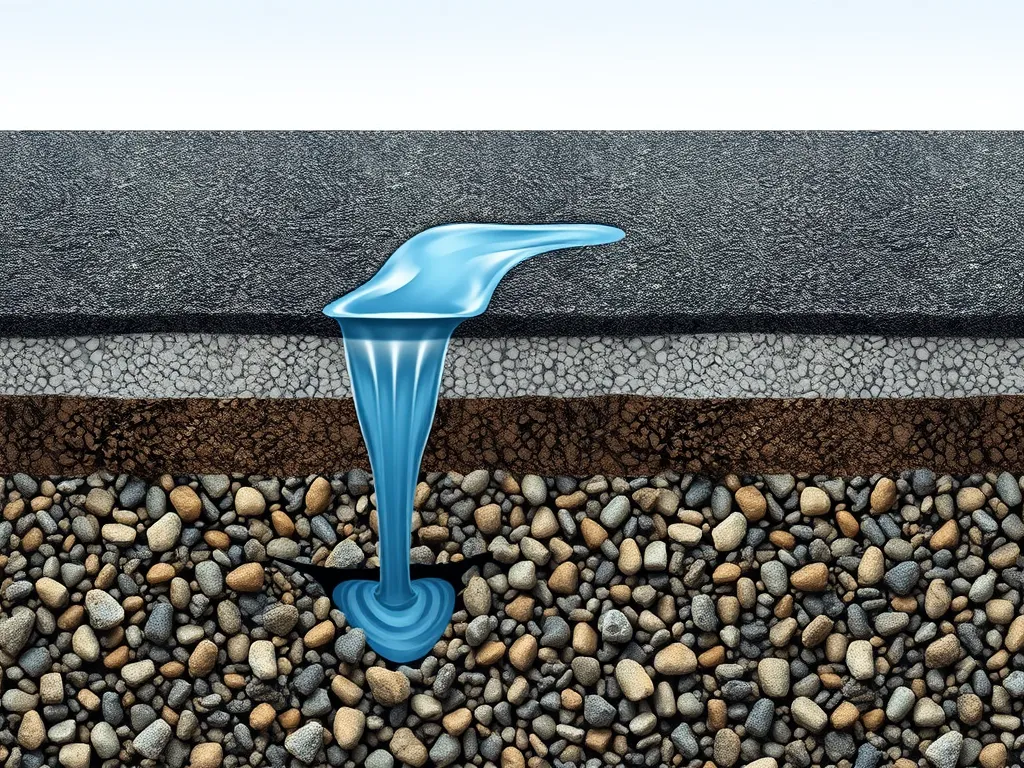
Rain flows through tiny gaps in the pavement. These gaps take in 100 to 500 gallons per minute per square yard. Water then moves to layers below ground.
A base of crushed stone holds the water. Pipes or gravel beds guide it to soil or drains. This cuts runoff by 50-75% versus solid pavement. Less strain on sewers means fewer overflows.
Structure Of Permeable Asphalt Pavement
Permeable asphalt has three key layers. The top layer uses large stone bits (3/8” size) stuck with bitumen. Open spaces here make up 16-20% of the mix.
Below sits a choker layer with smaller stones. It stops the base layer from shifting. The base holds 1.5” crushed stone, giving space for water storage. This setup filters oil, metals, and dirt from the water.
These systems set the stage for lower flood risks and cleaner streams. Next, we’ll break down how these features translate into real-world eco gains.
Key Environmental Benefits Of Permeable Asphalt
Permeable asphalt offers distinct impacts on natural systems. Its design allows water and air to pass through, creating a pavement solution that works with natural cycles rather than against them.
Stormwater Management and Reduced Flooding
Traditional pavements shed rainfall rapidly, but porous asphalt absorbs up to 80% of stormwater. This capacity transforms how cities handle intense rainstorms.
Minimized Surface Runoff
With a void structure of 16-20%, permeable asphalt traps 50-70% more water than solid pavements. Storms that once caused flash floods now soak into subsurface layers at 100-400 inches per hour. Parking lots using this material cut runoff volumes by half.
Alleviating Strain on Urban Drainage Systems
By holding up to 5,000 gallons per 10,000 sq. ft. during storms, porous asphalt lowers demands on aging pipes. Cities like Philadelphia report 30% fewer combined sewer overflows after adopting this pavement.
Improved Water Quality
Water filtering through permeable layers undergoes natural scrubbing. Pollutants bind to aggregates or break down before reaching groundwater.
Filtration of Pollutants and Contaminants
| Pollutant | Removal Rate |
|---|---|
| Motor oil | 85-95% |
| Heavy metals | 70-80% |
| Nitrogen | 40-60% |
This filtration meets EPA Phase II stormwater rules, avoiding fines up to $37,500 per violation.
Mitigation Of Urban Heat Island Effect
Dark pavements absorb solar radiation, but permeable options stay cooler. Open pores allow heat to dissipate instead of trapping it.
Temperature Regulation in Pavement Surfaces
On 90°F days, traditional asphalt hits 150°F. Permeable versions stay below 115°F due to airflow and moisture evaporation. This 35°F difference lowers ambient air temps in parking lots by 6-10°F.
Enhanced Air Quality
Hydrocarbons from asphalt production contribute to smog. Permeable mixes cut these impacts through material innovation.
Reduction of Hydrocarbon Emissions
Warm-mix permeable asphalt requires 50°F lower production temps than standard hot-mix. This drops VOC output by 30% and cuts fuel use by 20%. PG 76-22 polymer-modified binders further limit oxidization-related emissions.
With impacts spanning water systems, air quality, and urban climates, porous asphalt proves its value. Next, we’ll contrast its performance against traditional pavements in high-stress situations.
Also See: Asphalt Maintenance Schedules for Longevity: Key Tips
Permeable Asphalt Vs. Traditional Asphalt
Permeable asphalt’s design and performance differ sharply from traditional asphalt. These differences shape their environmental footprints and structural capabilities.
Environmental Impact Comparison
Permeable asphalt reduces surface runoff by 70-80% compared to traditional asphalt. Its open-graded structure allows water to pass through at rates up to 5 gallons per square foot per minute. This cuts flood risks and prevents overloading storm drains during 2-inch rainfall events.
Traditional asphalt sheds water, carrying pollutants like motor oil and heavy metals into waterways. Permeable systems filter 90% of suspended solids and 45% of phosphorus through subsurface layers. This protects aquatic ecosystems while meeting EPA stormwater regulations.
Urban heat island effects drop by 8-12°F with permeable asphalt. Its lighter color and air pockets reflect solar radiation better than dark, dense traditional pavements. Lower surface temps also slow bitumen aging, cutting hydrocarbon emissions by 20-30% over 15 years.
Durability in Heavy-duty Applications
Permeable asphalt withstands axle loads up to 12,000 pounds when built with 4-6 inches of compacted aggregate base. Its stone bed acts as a load distributor, preventing rutting in parking lots handling daily truck traffic. Properly maintained surfaces last 15-20 years – matching traditional asphalt lifespan in moderate climates.
Freeze-thaw resistance improves with 18-22% void spaces in permeable mixes. Water drains quickly, reducing ice formation. Testing shows 30% less cracking after 50 freeze cycles versus standard asphalt. This durability minimizes material waste from frequent repairs.
While permeable asphalt offers clear environmental and structural advantages, evaluating its pros and cons ensures it meets specific project needs.
Pros and Cons Of Permeable Asphalt
Weighing the pros and cons of permeable asphalt helps make smart choices for eco-friendly projects. Let’s break down key factors.
Advantages Of Permeable Asphalt Pavement
This pavement type offers clear perks for both the planet and project budgets.
LEED Certification Opportunities
Permeable asphalt boosts LEED scores by meeting green building goals. Projects earn points in stormwater control, heat island cuts, and recycled content use. LEED Silver or Gold status often follows, raising property value by 5-10%.
Long-Term Cost Savings
Permeable asphalt cuts costs over time. It slashes stormwater fees by up to 60% in cities with strict runoff rules. Roads last 20+ years with 25-40% less repair spend vs. traditional asphalt.
Disadvantages Of Permeable Asphalt
While eco-friendly, this material has limits to note.
Maintenance Requirements
Clogged pores hurt performance. Teams must vacuum-sweep lots every 6 months. Pressure wash spots with oil stains to keep flow rates at 300-600 inches per hour.
Initial Installation Costs
Permeable asphalt costs $7-$10 per sq. ft. upfront—double traditional asphalt’s $3-$5. Special gear for 12-18-inch stone beds adds to the price.
Next, we’ll explore where this green tech works best—from parking lots to home driveways.
Applications Of Permeable Asphalt
Permeable asphalt’s design makes it ideal for projects requiring stormwater management without sacrificing durability. Its porous structure works best in settings where water infiltration directly impacts environmental outcomes.
Parking Lots and Low-traffic Areas
Parking lots generate significant runoff from rain and snowmelt. Permeable asphalt pavement reduces this by letting water seep through at rates up to 5 gallons per square foot per minute. Commercial sites with porous asphalt parking lots cut stormwater runoff by 50-75% compared to traditional surfaces. This lowers flood risks and meets municipal stormwater regulations. Benefits include:
- Filtration of 80-95% of Total Suspended Solids (TSS) like oil residues and sediment
- Reduced need for retention ponds, saving 15-30% of land space
- Lower surface temperatures by 10-15°F, countering urban heat islands
Low-traffic zones like church lots or school drop-off lanes also gain from permeable asphalt benefits. These areas face less wear, extending pavement life to 20+ years with proper care.
Residential Driveways and Walkways
Homeowners adopting permeable asphalt driveways reduce localized flooding while boosting groundwater recharge. A standard 800 sq.ft. driveway can manage 4,000 gallons of water during a 1-inch rain event. Key porous paving environmental benefits for residences:
- 30-50% lower long-term costs by avoiding drainage infrastructure
- Elimination of puddles and ice sheets, improving safety
- Prevention of 60-90% of pollutants like motor oil from entering soil
Permeable asphalt’s open-graded surface also resists cracking in freeze-thaw cycles. Installers recommend a 4-6 inch aggregate base layer to enhance stability in colder climates.
Selecting the right application ensures permeable asphalt delivers environmental and functional returns. Next, proper installation techniques determine how well these systems perform over decades.
Installation and Maintenance Of Permeable Asphalt
Permeable asphalt works best when built right. Proper setup keeps its green perks strong over time.
Key Steps in Porous Pavement Installation
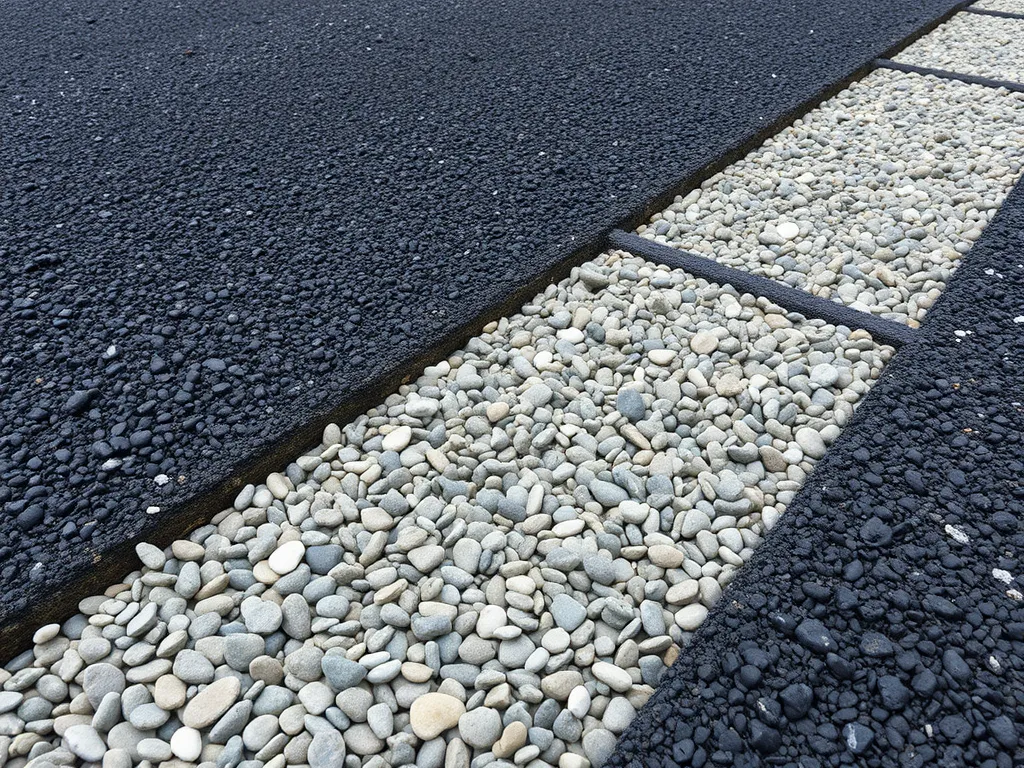
First, crews dig 18-24 inches deep. They add 3 layers: a stone base (1-2 inch rocks), smaller stones, then the asphalt mix. The mix uses open-graded rocks (like 3/8 inch stone) and a polymer glue (PG 64-22 binder). This creates 18-22% void space for water flow. Rollers press it once – too much packing blocks pores.
| Step | Material | Purpose |
|---|---|---|
| Base Layer | #57 Stone | Store storm water |
| Mid Layer | #2 Stone | Filter debris |
| Surface | Permeable Mix | Let water through |
Essential Maintenance Practices
Clean pores keep the eco gains. Vacuum sweep every 3-6 months. Pressure wash yearly to clear silt. Check for cracks fast – fill with pervious sealant. In winter, use wet salt (brine) to stop ice without clogging gaps.
| Task | Frequency | Impact on Green Benefits |
|---|---|---|
| Sweeping | 2x/year | Keeps 90%+ flow rate |
| Washing | 1x/year | Removes oil, grit |
| Sealing | As needed | Stops erosion |
Done right, this care saves up to 40% in repair costs vs. standard roads. Less fixes mean less new materials mined or shipped – a win for air and land.
Smart upkeep boosts the porous asphalt benefits. Now, let’s see how costs stack up over 10+ years.
Cost Considerations for Permeable Asphalt
Permeable pavement systems balance higher upfront expenses with multi-layered financial perks tied to eco-friendly performance. Lifecycle cost studies reveal how strategic investments yield returns through lowered infrastructure demands, regulatory flexibility, & sustained functionality.
Initial Investment Vs. Long-term Savings
Permeable asphalt costs $3-$5 per sq.ft. installed—surpassing traditional mixes by 20-30%. This premium stems from specialized stone beds, open-graded layers, & precise engineering for water flow. Yet projects recover expenses over time:
Stormwater infrastructure needs drop 30-50% since porous systems manage 8-12 inches of rainfall hourly. Municipalities save $15-$30 per linear foot by downsizing drains. Property owners cut $1,200-$4,800 yearly in detention pond upkeep. Over 20 years, lifecycle costs dip 18-22% versus impervious surfaces.
LEED-certified builds using permeable pavement gain up to 6 points toward certification. This unlocks tax rebates up to $2.70 per sq.ft. in states like California & New York.
Regulatory Compliance Cost Reductions
Permeable asphalt meets EPA MS4 stormwater mandates under the Clean Water Act, sidestepping $5,000-$10,000 daily fines for non-compliance. Cities like Philadelphia credit builders $0.87 per sq.ft. for porous pavement under stormwater fee programs.
Developers bypass costly retention basins needing 2-5% of site space. Integrating drainage into pavement trims site prep budgets by 15-40%. In Chesapeake Bay watersheds, projects using permeable surfaces qualify for 25% matching grants through the Stormwater BMP Revolving Fund.
While costs shape decisions, performance under extreme conditions often raises questions. Up next: testing porous pavement’s limits in heavy rain & freeze zones.
FAQs About Permeable Asphalt Environmental Benefits
How Does Permeable Asphalt Improve Water Quality?
Permeable asphalt enhances water quality by filtering pollutants as rainwater passes through its porous structure. Contaminants such as oil, heavy metals, and sediment are trapped in the pavement’s aggregate layers, significantly reducing the amount of harmful substances that enter groundwater and surface waters. Studies show that permeable asphalt can remove up to 90% of suspended solids and a significant percentage of nitrogen and phosphorus, meeting regulatory standards for stormwater management.
Is Permeable Asphalt Suitable for Heavy Rainfall Areas?
Yes, permeable asphalt is designed to manage heavy rainfall effectively. Its open structure allows for rapid infiltration of water, reducing surface runoff significantly. It can handle intense rain events by absorbing large volumes of stormwater—up to 5,000 gallons per 10,000 square feet during heavy storms—thus mitigating the flood risk in areas with heavy precipitation.
Can Permeable Asphalt Withstand Freeze-thaw Cycles?
Absolutely. Permeable asphalt demonstrates resilience against freeze-thaw cycles due to its porous structure, which allows water to drain quickly, reducing the risk of ice formation. Tests have shown that permeable asphalt experiences 30% less cracking after multiple freeze cycles compared to traditional asphalt, enhancing its durability in colder climates and ensuring longevity.
Closing Thoughts
Permeable asphalt stands out as a vital solution for modern environmental challenges. Its ability to manage stormwater effectively, reduce flooding, and enhance urban water quality is transformative. Incorporating this innovative material in our infrastructure not only contributes to ecological balance but also offers long-term cost advantages while promoting sustainability.
While there are initial installation costs and maintenance considerations, the benefits far outweigh these drawbacks. By mitigating the urban heat island effect and improving air quality, permeable asphalt paves the way for healthier urban spaces. Moreover, its applications in various settings, from parking lots to residential driveways, showcase its versatility.
For more information on permeable asphalt and other asphalt solutions, check out Asphalt Calculator USA.
Additional Resources for You:
- American Association of State Highway and Transportation Officials (AASHTO). (2008). Mechanistic-Empirical Pavement Design Guide (MEPDG). Washington, DC: AASHTO.
- Use of Permeable Pavements – Federal Highway Administration
- 9 Benefits of Permeable Pavement | TRUEGRID Pavers
- Permeable Pavement: The Pros and Cons You Need to Know
- Soak Up the Rain: Permeable Pavement | US EPA