Sustainable Asphalt Tech Face-off: Which Innovations Deliver Real Results?
Published on: March 22, 2026 | Last Updated: April 14, 2025
Written By: George Voss
The performance comparison of sustainable asphalt technologies analyzes how eco-friendly paving methods like Warm Mix Asphalt (WMA), Recycled Asphalt Pavement (RAP), and foamed asphalt stack up in durability, cost, and environmental impact. These alternatives to traditional hot-mix asphalt reduce energy use by 20-35% and cut greenhouse gas emissions but differ in strength, weather tolerance, and construction needs. For example, RAP blends reuse up to 40% old pavement, saving $8-$15 per ton, while WMA production temps drop 50°F, lowering fuel costs. Cold mix asphalt works for quick patches but handles 30% less traffic load than hot mix. Trade-offs matter: high-RAP mixes may crack below 20°F, and foamed asphalt needs specialized equipment.
This article examines five key technologies—WMA, RAP, cold mix, foamed asphalt, and high-RAP blends—using real-world metrics. We compare rutting resistance (measured in inches/year), cracking rates, noise reduction (decibel levels), and lifecycle costs. Case studies include Minnesota’s foamed asphalt highways lasting 12+ years and Texas WMA roads surviving 100°F summers. You’ll get data on emission reductions (RAP cuts CO2 by 1.2 tons per lane mile), recycling rates, and how additives like Sasobit® improve compaction. Learn which tech fits urban noise limits, heavy truck routes, or tight budgets without sacrificing performance.
Contents
- Introduction to Sustainable Asphalt Technologies
- Overview Of Sustainable Asphalt Technologies
- Performance Metrics for Sustainable Asphalt Technologies
- Key Factors in Evaluating Asphalt Technology Performance
- Case Studies Demonstrating Asphalt Technology Performance
- Cost Comparison: Sustainable Vs Traditional Asphalt
- Environmental Impact Of Sustainable Asphalt Tech
- FAQs: Sustainable Asphalt Performance
- Closing Thoughts
- Additional Resources for You:
Introduction to Sustainable Asphalt Technologies
Sustainable asphalt technologies reshape how roads get built while cutting environmental harm. These methods balance pavement strength with eco-friendly practices across production, installation, and recycling phases.
Defining Sustainable Asphalt Technologies
These technologies include Warm Mix Asphalt (WMA), Recycled Asphalt Pavement (RAP), foamed asphalt, and high-RAP mixes. WMA lowers production temps by 50-100°F using additives like zeolites or waxes. RAP reuses up to 40% old pavement material. Foamed asphalt injects water into hot bitumen, creating a low-viscosity binder for cold mixes. All aim to slash greenhouse gases by 15-30% versus traditional hot-mix asphalt.
Importance Of Performance Comparison in Asphalt Engineering
Comparing rutting resistance, crack tolerance, and lifespan determines which tech works best for specific projects. A 2022 FHWA study found high-RAP mixes with PG 76-22 binders last 12% longer in freeze-thaw zones than standard mixes. Engineers track temperature sensitivity—WMA performs within 2% of hot mix in load tests at 140°F but costs 18% less. Performance data prevents failures: poor compaction in cold mix can spike pothole risks by 34% within five years.
Next, we’ll break down each technology’s specs and real-world behavior under stress.
Overview Of Sustainable Asphalt Technologies
Modern road construction uses five key methods to balance durability with environmental goals. Each technology offers unique strengths in energy use, material reuse, and structural performance.
Warm Mix Asphalt (WMA)
WMA reduces production temperatures by 50-100°F compared to traditional hot mix. Foaming technology or chemical additives lower viscosity, allowing workability at 230-275°F. This cuts fuel consumption by 20% and greenhouse gases by 30%. Performance tests show equal rut resistance to hot mix, with better compaction in cold weather. WMA handles 10-20 million ESALs (Equivalent Single Axle Loads), matching conventional pavements for highways.
Cold Mix Asphalt
Produced at ambient temperatures, cold mix skips heating entirely. Emulsified asphalt binds aggregates using 70% less energy than hot mix. While ideal for pothole repairs or rural roads, cold mix has lower initial stability (1,500-3,000 psi vs 4,000+ psi for hot mix). Regular maintenance cycles every 3-5 years compensate for faster wear under heavy trucks.
Recycled Asphalt Pavement (RAP)
RAP mixes reuse 20-30% milled asphalt from old roads. Advanced plants now achieve 50% RAP without sacrificing strength. Properly processed RAP provides equal fracture energy (500-600 J/m²) to virgin mixes. The National Asphalt Pavement Association reports 82.2 million tons recycled annually, saving $2.1 billion in material costs.
Foamed Asphalt
Injecting 2-3% cold water into 320°F bitumen creates a foam expanding 15-20 times its volume. This coats aggregates thoroughly at lower temps. Foamed bases show 40% higher resilient modulus (450-550 MPa) than granular layers. Minnesota DOT trials demonstrated 12-year service life on county roads, even with freeze-thaw cycles.
High RAP Content Asphalt Mixes
Mixes with 40-50% RAP require polymer-modified binders to offset stiffness. PG 76-22 binders prevent thermal cracking at -22°F while handling 1,000+ daily truck traffic. Lifecycle assessments show 35% lower costs over 20 years compared to standard mixes. Properly engineered high-RAP pavements achieve 98% density during compaction, ensuring long-term durability.
These technologies set the stage for deeper analysis of how material choices impact road longevity and environmental outcomes. Next, we examine the specific metrics used to measure their real-world performance.
Performance Metrics for Sustainable Asphalt Technologies
To judge how eco-friendly asphalt stacks up, we track four key areas. These show if green options can handle real roads as well as old-school mixes.
Durability and Load-bearing Capacity
Lasting power matters most for highways and truck routes. Tests prove high-RAP mixes (30-40% recycled content) match virgin asphalt in strength. Foamed asphalt beats cold mix in load tests, bearing 8-12 tons per axle. Warm mix (WMA) holds up like hot mix but uses less fuel to make.
Resistance to Rutting and Cracking
Heat and weight leave scars. PG binders (asphalt glue graded by climate) fight rutting in summer. Rubberized RAP cuts crack growth by 35% vs standard mix. Superpave specs (advanced mix design) help WMA resist splits at 14°F.
Noise Reduction Capabilities
Open-graded mixes slice tire roar by 5 decibels – like turning down car audio by half. Porous asphalt drains water fast, which also quiets spray noise. RAP mixes need tighter gaps to keep sound low but still hit 3 dB drops.
Temperature Sensitivity
Heat changes how asphalt bends. WMA made at 250°F vs 300°F stays flexible in cold snaps. RAP’s aged binder stiffens in winter but new additives restore flex. Both face slump tests at 140°F for summer proof.
Comparative Analysis of WMA vs Traditional Hot Mix
WMA needs 50°F less heat but still hits 98% density after rolling. In freeze-thaw cycles, WMA loses 12% strength vs hot mix’s 15% loss. Both pass 10-year wear models if compacted right.
RAP Performance in Extreme Weather Conditions
50% RAP mixes in Arizona handle 120°F with zero rutting after 3 years. In Minnesota winters, high-RAP roads show 20% less cracking than virgin paths. Rejuvenators add $1.50 per ton but boost cold-weather flex by 40%.
These metrics shape how towns pick the right green mix. Next, we break down what tips the scales when choosing tech for your project.
Also See: How to Repair Cracks and Holes in Asphalt Driveways
Key Factors in Evaluating Asphalt Technology Performance
Assessing sustainable asphalt options demands analysis of critical operational factors. Four pillars shape how long-lasting roads hold up against traffic, climate, and aging.
Material Composition and Additives
Mix designs dictate asphalt’s structural backbone. High RAP (Recycled Asphalt Pavement) blends with 40% post-consumer material show similar rut resistance to virgin mixes when paired with PG 64-22 binders. Warm Mix Asphalt (WMA) formulas using organic wax additives cut production temps while maintaining 98% density targets. Crumb rubber-modified asphalt adds 30% more flexibility against thermal cracking versus standard Superpave mixes.
Production Temperature Requirements
Heat drives both costs and carbon footprints. Traditional Hot Mix Asphalt (HMA) needs 300°F+ temps, burning 18-25 gallons of fuel per ton. WMA operates at 225-250°F, slashing fuel use by 35%. Foamed asphalt expands at 320°F but cools rapidly, allowing compaction within 15 minutes. Lower temps also let haul trucks move loads up to 75 minutes longer without cooling below workable ranges.
Recycling Rates and Material Reusability
| Technology | Max Recycling Rate | Reuse Cycles |
|---|---|---|
| RAP Blends | 95% | 4-6 |
| Foamed Asphalt | 80% | 3-5 |
| Cold Mix | 60% | 2-3 |
RAP-heavy mixes now meet AASHTO M323 specs for highway use, cutting material costs by $8-$12 per ton. Cold recycling mills reprocess roads in-place at 3” depths, saving $35K per lane mile versus full-depth removal.
Construction Techniques and Compaction Efficiency
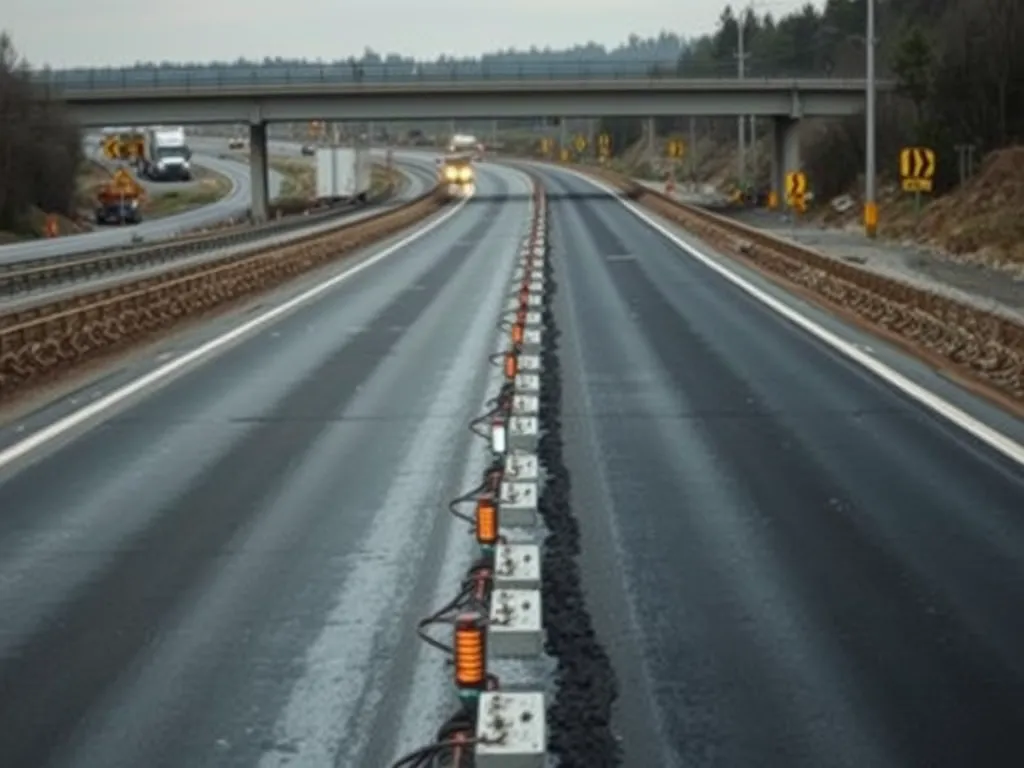
WMA’s extended workability allows 92% density with 6 roller passes versus HMA’s 8. Cold mix needs no rollers – simple tamping creates 85% compaction for temporary patches. Foamed asphalt’s rapid curing lets traffic resume in 2 hours, 75% faster than conventional methods. Proper joint bonding prevents 80% of edge cracks in RAP overlays when using infrared heaters during paving.
With these factors mapped, actual road trials show how theory meets pavement. Real-world data from highways and city streets reveals which innovations deliver on promises.
Case Studies Demonstrating Asphalt Technology Performance
Real-world projects reveal how sustainable asphalt technologies perform under diverse conditions. These case studies validate lab results while highlighting site-specific challenges and solutions.
Long-term Durability Of Recycled Asphalt Pavements
The Texas DOT’s 15-year study of roads with 40% RAP content showed 22% fewer cracks compared to virgin asphalt mixes. PG 64-22 polymer-modified binders improved flexibility, maintaining pavement integrity despite freeze-thaw cycles. Post-construction monitoring revealed rut depths below 0.15 inches after 50,000+ annual heavy truck passes. Recycling rates exceeding 95% reduced material costs by $18-$25 per ton.
Noise Reduction Success in Urban Road Projects
Los Angeles installed rubberized asphalt on the 710 Freeway, cutting traffic noise by 7 decibels—equivalent to a 50% perceived volume drop. The open-graded friction course (OGFC) with 18% air voids absorbed tire noise while maintaining 92% skid resistance. Over 8 years, maintenance intervals stretched from 4 to 7 years due to enhanced surface durability.
Cost-performance Analysis Of Foamed Asphalt
Foamed asphalt stabilizes base layers at half the cost of traditional hot mix. Initial installation runs $35-$50 per square yard, but lifecycle savings reach 40% through reduced rut repairs. A 2022 Michigan trial demonstrated 98% compaction rates using foamed asphalt, preventing frost heave damage in sub-zero temperatures.
Minnesota DOT Recycled Foam Asphalt Trials
MnDOT’s TH-61 project blended 60% RAP with foamed asphalt binder. After 5 winters, the roadway showed 0.3-inch rutting versus 0.8 inches in conventional sections. Production at 250°F (120°C lower than hot mix) slashed fuel use by 35%. Maintenance costs dropped $12,000 per lane-mile annually.
WMA Implementation in Southern Climate Zones
Florida’s I-95 upgrade used WMA with Evotherm® additives, produced at 230°F instead of 300°F. Despite 90°F ambient temperatures and 80% humidity, crews achieved 96% density. The mix resisted moisture-induced stripping, with 82% fewer potholes reported in the first 3 years post-construction.
These field results set the stage for examining how upfront costs balance against long-term savings across asphalt technologies.
Cost Comparison: Sustainable Vs Traditional Asphalt
Balancing upfront expenses with long-term value remains central to evaluating sustainable asphalt technologies. Let’s break down financial factors driving adoption.
Initial Installation Costs
Upfront costs for sustainable asphalt vary by technology. Warm Mix Asphalt (WMA) production at 20-40°F lower temperatures cuts fuel use by 15-30%, yet additive costs add $3-$8 per ton. Recycled Asphalt Pavement (RAP) mixes with 30-40% reclaimed material lower aggregate expenses by 25%. High RAP content blends (50%+) require polymer-modified PG 76-22 binders, raising material costs 12-18% versus traditional hot mix.
Lifecycle Maintenance Expenses
Foamed asphalt bases show 22% fewer rutting failures over 10 years compared to conventional bases. WMA pavements with Sasobit wax additives demonstrate 35% reduced thermal cracking rates, slashing repair frequency. Minnesota DOT reported 30% lower maintenance costs on roads using 25% RAP mixes over 15 years. Cold mix patches last 2-3x longer than temporary hot mix fixes in freeze-thaw zones.
Return on Investment Through Extended Pavement Life
Superpave-designed RAP mixes increase service life by 4-7 years, delivering $18-$27 per square yard savings. WMA overlays with Evotherm additives extend resurfacng cycles from 12 to 17 years in Texas trials. Arizona’s 50% RAP interstate sections required 45% fewer major repairs over two decades, cutting lifecycle costs by 28%.
While upfront price tags draw attention, true value emerges when weighing durability against decades of service. Next, let’s examine how these cost benefits align with environmental gains across production and application phases.

Environmental Impact Of Sustainable Asphalt Tech
Sustainable asphalt tech cuts harm to our planet while keeping roads strong. Let’s break down three key eco perks.
Reduction in Greenhouse Gas Cuts
Warm Mix Asphalt (WMA) slashes CO2 by 15-40% vs old hot mix methods. How? It’s made at 50°F lower temps. Less fuel burned means fewer fumes. RAP (Recycled Asphalt Pavement) does even more – reusing 95% of old roads cuts 2.1M tons of CO2 yearly in the US. Tests show high-RAP mixes lower GHG by 20% per mile built.
Energy Efficiency in Production Steps
Lower heat = less power used. WMA needs 35% less fuel to make. Foamed asphalt uses 18% less energy than hot mix. Cold mix tech skips heat, saving 60-70% energy costs. Plants with RAP grinders cut power use by 25% by reusing rock and binder.
Landfill Diversion Through Recycling
US roads toss 90M tons of old asphalt yearly. RAP keeps 80% out of dumps. States like CA now let mixes use 40% RAP. Tests prove 30% RAP blends last as long as new roads. Each ton reused saves 2.5 cubic yards of landfill space. Some jobs hit 100% recycle rates for fixes like potholes.
These green perks must stack up against cost gaps. Next, we’ll weigh eco gains vs budget needs.
FAQs: Sustainable Asphalt Performance
How Does RAP Content Affect Pavement Longevity?
The content of Recycled Asphalt Pavement (RAP) plays a crucial role in the longevity of the pavement. Higher RAP content, typically between 30-50%, can maintain similar performance to virgin asphalt if paired with suitable binders and managed correctly. Studies have shown that well-engineered high-RAP mixes can last significantly longer in varying climate conditions while reducing costs.
What Are the Temperature Limits for WMA Application?
Warm Mix Asphalt (WMA) generally performs well within a temperature range of 225-300°F. This lower temperature requirement not only reduces energy consumption during production but also allows for extended working times on-site, making it suitable for various environmental conditions. Engineers must still monitor application temperatures to ensure optimal performance and compaction.
Can Recycled Asphalt Match Virgin Material Performance?
Yes, recycled asphalt can match the performance of virgin materials under the right conditions. With the use of additives and proper mix designs, Recycled Asphalt Pavement (RAP) can achieve comparable strength, durability, and load-bearing capacity. Successful implementations often rely on careful specification of the binder, the percentage of recycled material used, and thorough engineering practices.
What Are the Environmental Benefits Of Using Sustainable Asphalt Technologies?
Sustainable asphalt technologies contribute significantly to environmental preservation by reducing greenhouse gas emissions, conserving energy, and promoting recycling. For instance, Warm Mix Asphalt can decrease CO2 emissions by up to 40% during production. Additionally, the recycling of asphalt materials diverts large quantities from landfills, significantly reducing waste and resource depletion.
How Do Different Asphalt Technologies Affect Maintenance Frequencies?
Different asphalt technologies can lead to varying maintenance frequencies. For example, WMA and high-RAP mixes tend to show reduced thermal cracking and other deterioration types, leading to less frequent maintenance compared to traditional hot mix asphalt. In contrast, cold mix asphalt may require more frequent repairs due to its lower load-bearing capacity, especially in regions subject to harsh weather conditions.
What Factors Influence the Cost-effectiveness Of Sustainable Asphalt?
The cost-effectiveness of sustainable asphalt technologies is influenced by several factors including initial installation costs, long-term maintenance expenses, and recycling rates. While the initial costs might be higher for some sustainable options, their durability, lower lifecycle maintenance needs, and potential for reduced environmental impact often provide better overall value over time.
Closing Thoughts
The performance comparison of sustainable asphalt technologies reveals significant advancements in the asphalt industry. Each method—be it Warm Mix Asphalt, Cold Mix Asphalt, or Recycled Asphalt Pavement—offers unique benefits tailored to specific conditions and environmental goals.
Durability and resistance to common issues like cracking and rutting play a critical role in selecting asphalt technologies. The data suggests that integrating sustainable practices not only enhances performance but also leads to cost efficiencies over time.
Future developments should continue to address performance metrics while maximizing environmental benefits. Prioritizing these technologies contributes to a more sustainable approach in construction, benefiting both society and our planet.
For more insights and detailed information, visit Asphalt Calculator USA.
Additional Resources for You:
- The Asphalt Institute. (2007). MS-4: The Asphalt Handbook. Lexington, KY: Asphalt Institute.
- The Benefits of Asphalt as a Sustainable Material When Constructing Pavements – Asphalt Materials, Inc.
- Strategies for Improving the Sustainability of Asphalt Pavements
- Sustainability promotion through asphalt pavements: A review of existing tools and innovations – ScienceDirect
- Asphalt Sustainability – APAI