
How Asphalt Roads Get Built: The Paving Process Explained
Published on: March 22, 2026 | Last Updated: April 14, 2025
Written By: George Voss
The asphalt road paving process involves transforming raw materials into smooth, durable surfaces through five key stages: site preparation, base installation, asphalt layering, compaction, and finishing. Crews use Hot Mix Asphalt (HMA) heated to 300-350°F for flexibility, paired with aggregates like crushed stone or sand for strength. Pavers spread the mix while rollers compress it to 92-98% density, creating roads that handle 20+ years of traffic when built correctly. This method differs from concrete paving through faster installation (1,000+ tons placed daily) and immediate traffic use after cooling.
This guide breaks down each phase of asphalt road construction. You’ll learn how crews grade land, build stable bases with crushed stone, and layer asphalt for maximum durability. We detail paving techniques like Recycled Asphalt Pavement (RAP) reuse and infrared repairs. Explore equipment like material transfer vehicles that prevent mix cooling and steel-drum rollers that eliminate air pockets. We also cover environmental practices, including recycling 95% of old asphalt in U.S. projects. Whether planning a driveway or highway, these insights ensure you grasp modern asphalt road engineering.
Contents
Overview Of Asphalt Road Paving
Paving asphalt roads turns raw mix into smooth, hard surfaces. This process uses layers of rock, sand, and sticky binder (bitumen) heated to 300°F. Crews spread the hot mix, roll it tight, and let it cool. Each step must meet strict specs for long road life.
Importance Of Proper Asphalt Paving
Good paving keeps roads safe and cuts repair costs. If layers lack density or bond, cracks form in 2-3 years. Proper steps stop water from seeping into base layers, which causes 80% of road failures. Smooth roads also boost fuel efficiency by 4-7% for vehicles.
Key Components Of a Durable Asphalt Road
Three elements define quality asphalt roads:
- Subgrade – Compacted soil that holds 90% of road weight
- Base layers – Crushed stone (6-8 inches thick) for drainage
- Asphalt mix – PG 64-22 binder + 3/4″ aggregates resist heat cracks
Compaction matters most. Roads need 92-96% density to handle trucks. Superpave mixes (developed in 1993) now set the standard for grading materials based on traffic loads.
Next, we break down each phase of the asphalt road paving process, from dirt work to final roll.
Step-by-step Asphalt Road Paving Process
The asphalt road paving process combines engineering precision with material science. Each phase directly impacts road durability, safety, and lifespan.
1. Site Preparation &Amp; Subgrade Construction
A stable foundation prevents premature road failure. Proper preparation ensures uniform load distribution across all layers.
Clearing and Grading the Surface
Remove debris, vegetation, and unstable soil. Grade the area to a 2% slope for drainage using motor graders. Laser-guided systems achieve +/- 0.1-inch accuracy.
Compacting Subgrade Soil for Stability
Compact soil to 95% Proctor density using padfoot or smooth drum rollers. Moisture content must stay within ±2% of optimum to prevent settling.
2. Sub-base &Amp; Base Layer Installation
These layers handle 70% of traffic loads. Materials vary by climate and traffic volume.
Installing Aggregate Sub-Base Material
Spread 6-8 inches of crushed stone (1.5-3” angular aggregate) with front loaders. Ensure CBR values exceed 80 for heavy traffic areas.
Compacting Base Layers for Load Distribution
Compact in 4” lifts using vibratory rollers (10-12 passes). Target 98% density to minimize voids. Check with nuclear density gauges.
3. Asphalt Layer Installation
Hot Mix Asphalt (HMA) remains standard for permanent roads. Temperature control dictates success.
Hot Mix Asphalt Application Process
Asphalt pavers lay mix at 275-325°F. Screeds auto-level thickness within 1/8-inch tolerance. Maintain 2-4” layer depth depending on road class.
Controlling Temperature During Placement
Material transfer vehicles keep HMA above 250°F. Cold spots below 225°F cause poor bonding. Infrared thermometers monitor batch plants to paver.
4. Compaction &Amp; Surface Finishing
Proper density prevents water infiltration and rutting. Target 92-96% of Marshall density.
Roller Types for Asphalt Density
- Breakdown rollers: 10-ton steel drums for initial compaction
- Intermediate rollers: Pneumatic tires adjust contact pressure
- Finish rollers: Static steel drums eliminate roller marks
Achieving Smooth Surface Texture
Use vibratory screeds with heated plates. Check with 12-foot straightedges – gaps under 3/16” meet DOT specs.
5. Post-paving Treatments
Final steps protect the asphalt road construction investment.
Curing Time Management
Allow 24-72 hours before traffic. Cooler than 50°F? Extend curing. Measure surface temps with infrared guns.
Sealcoating for Longevity
Apply coal tar emulsion at 0.25 gal/sq yd after 6-12 months. Recoat every 3-5 years. Reduces oxidation by 60%.
With the paving process complete, road longevity now depends on maintenance strategies. Next, we’ll examine advanced asphalt paving techniques that enhance performance in extreme conditions.
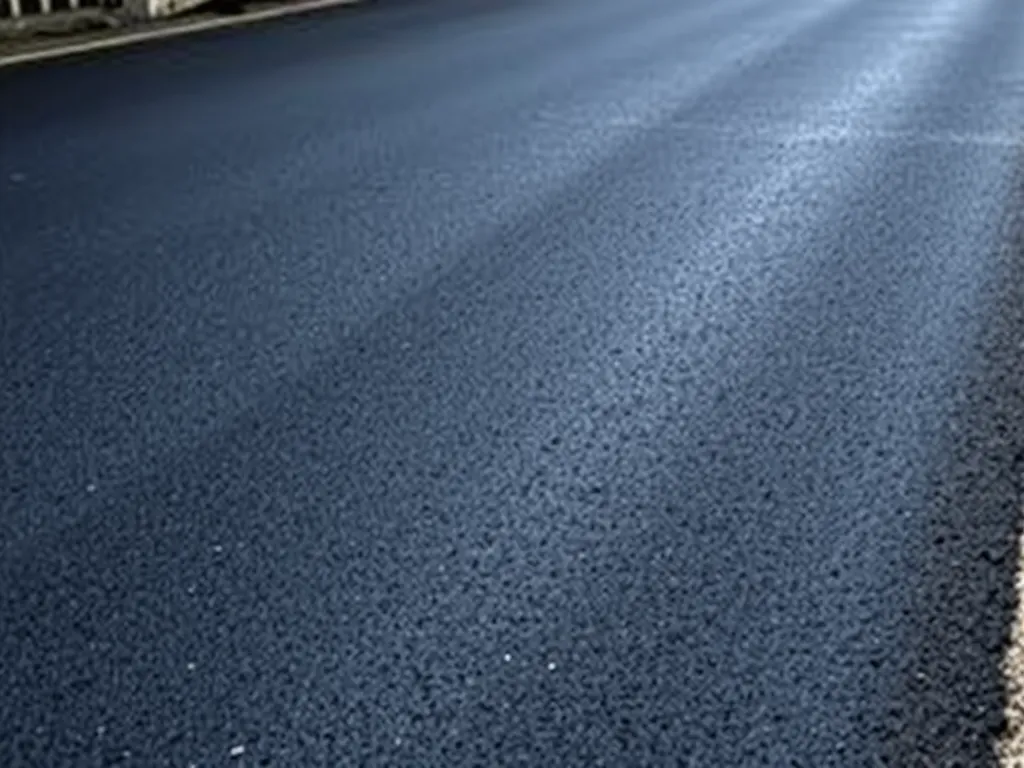
Asphalt Paving Techniques & Methods
Modern road builders use specialized methods to match project needs. Choices depend on climate, traffic volume, and repair goals. Let’s explore four key approaches used across the asphalt road paving process.
Hot Mix Asphalt (HMA) Paving
HMA remains the go-to method for high-traffic roads. Produced at 300-350°F, this mix combines aggregates with PG binders (performance-graded asphalt cement). The Superpave system ensures precise material selection based on local weather extremes. Paver screeds spread HMA at 2-4″ depths while maintaining 275°F+ temps for workability. Crews compact layers within 12 minutes to achieve 92-96% density.
| Type | Temp Range | Cure Time | Cost Per Ton |
|---|---|---|---|
| HMA | 300-350°F | 24 hrs | $90-$120 |
| Cold Mix | Ambient | 3-7 days | $45-$75 |
Cold Mix Asphalt for Temporary Repairs
This method uses emulsified asphalt that cures without heat. Cold mix handles potholes and utility cuts when HMA plants shut down. The blend contains softer PG 58-28 binder and 3/4″ aggregates. Though less durable, it prevents water intrusion until permanent fixes. Crews apply 2″ layers with shovels, achieving 85% compaction through traffic compression.
Recycled Asphalt Pavement (RAP) Process
RAP turns old roads into new surfaces. Milling machines grind existing asphalt into 1-3″ chunks. Up to 30% RAP gets blended into fresh HMA mixes using rejuvenators like soybean oil. Federal Highway Administration data shows RAP cuts material costs by 22% while maintaining Marshall Stability values above 1,800 lbs. Over 82 million tons get recycled annually.
Overlay Techniques for Road Restoration
Thin 1.5-2″ overlays restore ride quality without full reconstruction. Crews first apply tack coat (0.05 gal/sy) to existing pavement. Infrared heaters bond new layers to old surfaces at 325°F. For roads with base failures, full-depth reclamation mixes pulverized asphalt into the subgrade. Properly executed overlays extend road life 10-15 years at 40% lower cost than total rebuilds.
With these methods established, let’s examine the machinery that makes precise asphalt road construction possible.
Also See: Government Regulations on Asphalt Sustainability
Essential Equipment in Asphalt Road Construction
Building a long-lasting road requires specialized tools that handle hot mix asphalt (HMA) with precision. From laying fresh material to fixing worn surfaces, four key machines drive quality results in asphalt road construction.
Asphalt Pavers and Screeds
Tracked or wheeled asphalt pavers distribute HMA at 275-300°F across the roadbed. Vibratory screeds attached to pavers level the mix to exact depths, from 2 inches for surface layers to 6 inches for base courses. Modern pavers adjust mat thickness on-the-go using GPS-guided controls, a vital feature for complex highway paving projects.
Drum/wheel Rollers for Compaction
Density matters. Vibratory drum rollers with 10-15-ton weights compact base layers in 4-6 passes. Pneumatic tire rollers finish surface layers, using 7-9 tires to knead the mix without cracking aggregate. Proper compaction hits 92-95% density—miss this, and roads face rutting within months.
Material Transfer Vehicles
Material transfer vehicles (MTVs) keep HMA hot during the paving process. These units store up to 15 tons of mix, remixing it to prevent segregation. By feeding pavers nonstop, MTVs eliminate cold joints and boost paving speeds by 30% on large sites like interstate highways.
Infrared Asphalt Heaters
Infrared heaters fix potholes or prep surfaces for overlays. They heat existing asphalt to 300-350°F in minutes, reactivating binders for strong bonds. This method slashes material waste by 80% compared to full-depth repairs, making it a go-to choice for city maintenance crews.
With the right gear in play, crews can tackle everything from fresh asphalt paving to sustainable recycling. Up next: how these tools support greener construction practices.
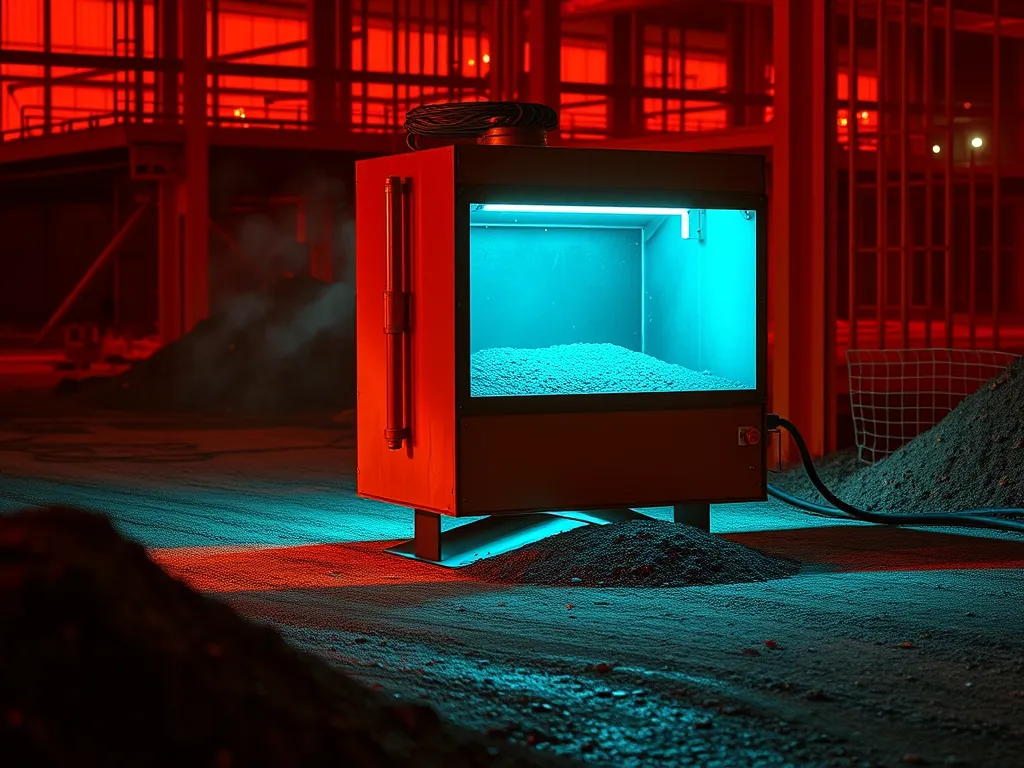
Environmental Considerations in Asphalt Paving
Modern asphalt road construction balances durability with eco-friendly practices. The paving process now integrates methods to reduce waste and lower environmental impact while maintaining structural integrity.
Recycling Asphalt Materials
Recycled Asphalt Pavement (RAP) reuse is standard in 94% of U.S. road projects. Crushed RAP mixes with fresh asphalt binder at ratios up to 40%, cutting material costs by $2-$5 per ton. Cold milling machines remove 3-5 inches of old pavement during road repairs, processing 500-800 tons of material daily for reuse. This method keeps 100 million tons of waste from landfills yearly.
| RAP Usage | Benefits |
|---|---|
| 20-30% RAP Mix | Maintains PG 64-22 binder performance |
| 40%+ RAP Mix | Requires rejuvenators for viscosity control |
Infrared heaters now fuse recycled layers with new asphalt, creating seamless joints. This asphalt paving technique extends road life by 7-10 years compared to traditional patching.
Emission Reduction Strategies
Warm-mix asphalt (WMA) technologies lower production temps to 250-275°F from 300-325°F, cutting fuel use by 20%. Foaming systems inject water into liquid asphalt, expanding binder volume while reducing fume emissions by 30-50%. Plants using WMA report 15% lower CO₂ output per ton of mix.
Paving crews employ Tier 4 Final diesel engines in rollers and pavers, slashing particulate matter by 90%. Electric compactors and transfer vehicles eliminate exhaust at the job site. Real-time monitoring systems track VOC levels, ensuring compliance with EPA thresholds of 0.1% HAPs by weight.
These innovations in asphalt road construction set the stage for exploring equipment that makes such precision possible. Next, we’ll examine the machinery driving modern paving efficiency.
FAQs: Asphalt Road Paving Process
What Materials Form the Base Layer Under Asphalt?
The base layer typically consists of crushed stone or gravel, providing stability and support. It is essential that the materials used have suitable drainage properties and sufficient strength to hold the weight of the roadway and traffic.
How Many Layers Are Used in Asphalt Roads?
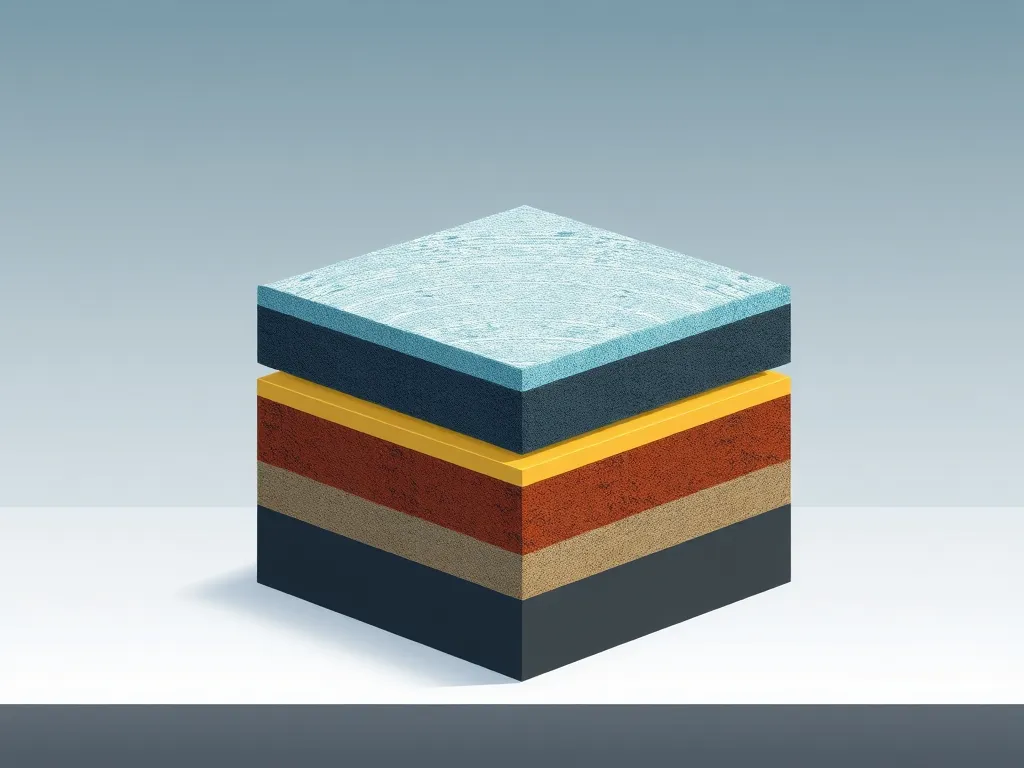
Asphalt roads generally consist of three main layers: the subgrade, the base layer, and the surface layer. Each layer serves a specific purpose and contributes to the overall durability and performance of the road.
What’s the Difference Between Overlay and Full-depth Paving?
Overlay paving involves applying a new asphalt layer on top of an existing road surface to restore ride quality and extend its lifespan. Full-depth paving, on the other hand, involves removing the old pavement and reconstructing the entire road structure from the base up.
Closing Thoughts
The paving process for asphalt roads involves meticulous attention to detail at each step. Proper preparation, installation, and finishing are vital for creating durable and resilient road surfaces. Understanding the key components, techniques, and environmental considerations enhances both the quality and longevity of asphalt roads.
Regular maintenance practices ensure that these roads perform well over time, reducing costs and extending service life. By following best practices, road construction projects can achieve remarkable results, serving communities effectively for years to come.
For more information on the asphalt paving process, visit Asphalt Calculator USA.
Additional Resources for You:
- Roberts, F. L., Kandhal, P. S., Brown, E. R., Lee, D. Y., & Kennedy, T. W. (1996). Hot Mix Asphalt Materials, Mixture Design, and Construction (2nd ed.). National Asphalt Pavement Association (NAPA).
- The 7-Step Process Of Asphalt Pavement Installation | DCPLM
- The Basics of Asphalt Paving – Lone Star Paving
- The Residential Asphalt Paving Process in 5 Steps – JR Paving & Construction Co., Inc.
- Asphalt Paving: The Process of Laying Asphalt

