Patching Techniques Comparison: Choosing the Right Asphalt Repair Method
Published on: March 22, 2026 | Last Updated: April 14, 2025
Written By: George Voss
Patching techniques comparison evaluates different asphalt repair methods to determine the best solution for cracks, potholes, or surface damage. These methods differ in materials, application processes, costs, and lifespan. Climate, traffic volume, and damage size dictate which technique works best. Common options include cold mix asphalt, hot mix asphalt, infrared repair, spray injection, and polymer-modified overlays. Each method balances immediate fixes with long-term performance, affecting project timelines and budgets.
This article breaks down five asphalt patching techniques used in road maintenance. We compare durability (2-15+ year lifespans), material costs ($2-$15 per square foot), weather limits, and cure times (10 minutes to 24 hours). Explore energy efficiency data—infrared repair uses 40% less energy than hot mix. Learn how to match methods to winter conditions or highways handling 30,000+ daily vehicles. Get actionable insights to optimize your asphalt repairs.
Contents
- Introduction to Asphalt Patching Techniques
- Common Asphalt Patching Methods
- Key Comparison Factors for Asphalt Patching Techniques
- Cost Analysis Of Asphalt Patching Methods
- Environmental Considerations in Asphalt Patching
- Implementation Strategies for Asphalt Repairs
- Frequently Asked Questions (FAQs)
- Closing Thoughts
- Additional Resources for You:
Introduction to Asphalt Patching Techniques
Asphalt patching techniques restore damaged pavement by filling cracks, potholes, or degraded areas. Five primary methods dominate the industry: cold mix asphalt, hot mix asphalt, infrared repair, spray injection, and polymer-modified overlays. Each technique serves distinct purposes based on material composition, application temperature, and curing processes. For example, PG binders (performance-graded asphalt cement) in hot mix require heating to 300°F, while cold mix uses emulsified asphalt for ambient-temperature placement.
Why Comparing Methods Matters for Asphalt Maintenance
Selecting the right patching strategy affects project costs, repair longevity, and surface performance. A 2022 NAPA study found improper method selection increases annual maintenance costs by 18-22%. Cold mix saves 30% upfront but lasts just 2 years in freeze-thaw zones, while infrared repairs in high-traffic areas endure 5+ years. Weather matters too—spray injection works in wet conditions, unlike hot mix needing dry surfaces above 50°F. Comparing techniques prevents wasted budgets and repeat repairs.
Up next: A detailed breakdown of common patching techniques and their best-use scenarios.
Common Asphalt Patching Methods
Five primary patching techniques dominate asphalt repair. Each serves distinct needs based on damage type, weather, and traffic demands. Let’s break them down.
Cold Mix Asphalt Patching
Description and Typical Applications
Cold mix combines aggregates with emulsified asphalt for ready-to-use repairs. Applied at ambient temperatures, it’s ideal for temporary fixes in winter or emergency pothole repairs. Commonly used on low-traffic roads, driveways, and parking lots.
Pros and Cons for Asphalt Surfaces
Pros: Works in sub-40°F weather, costs $0.50-$2 per pound, requires no heating. Cons: Lasts 3-6 months, prone to raveling, needs frequent rework.
Hot Mix Asphalt Patching
Description and Typical Applications
Hot mix uses heated aggregates and PG 64-22 binder for permanent repairs. Applied at 300°F, it bonds tightly with existing pavement. Best for highways, high-traffic roads, and structural damage exceeding 2” depth.
Pros and Cons for Asphalt Surfaces
Pros: Lasts 5-8 years, withstands heavy loads, seamless finish. Cons: Needs temps above 50°F, costs $40-$80 per ton, requires compaction equipment.
Infrared Asphalt Repair
Description and Typical Applications
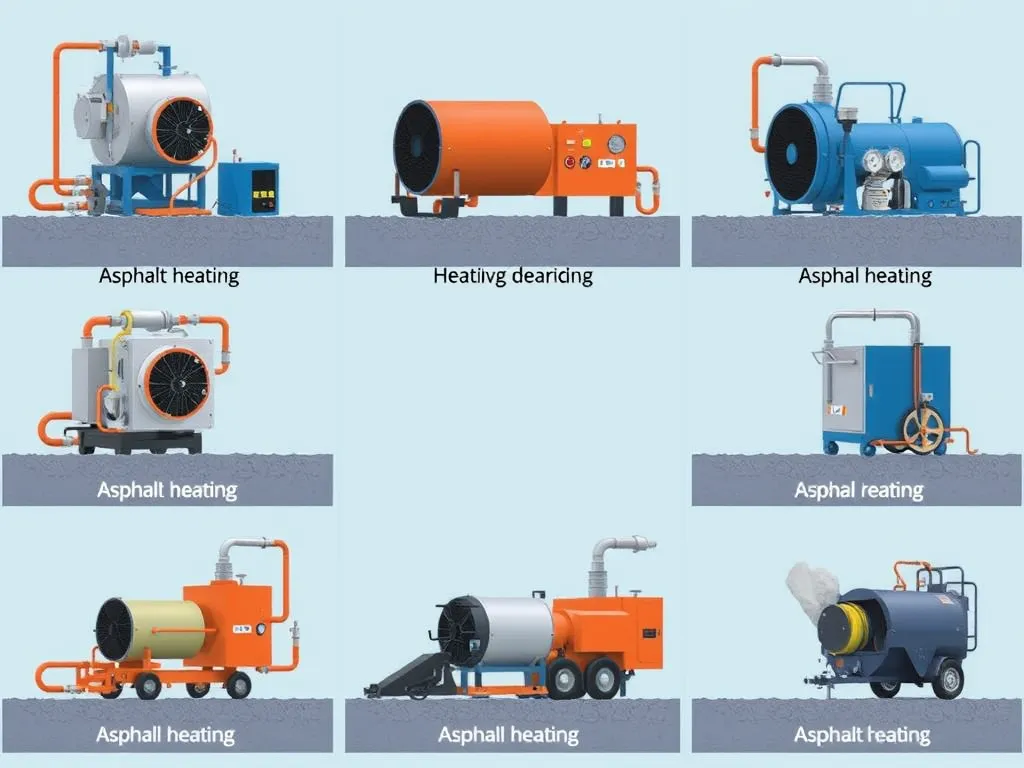
Infrared heaters soften damaged asphalt, blending new material into old layers. Used for utility cuts, alligator cracks, and shallow potholes up to 4 sq ft. Common in municipal repairs and residential streets.
Pros and Cons for Asphalt Surfaces
Pros: Eliminates seams, cures in 20 minutes, reuses 100% existing material. Cons: Limited to small areas, equipment costs $25k-$50k, ineffective below 40°F.
Spray Injection Patching
Description and Typical Applications
This method blasts aggregate and emulsion into voids using pressurized air. Tack coat ensures adhesion. Suited for deep potholes, edge repairs, and high-speed road fixes needing rapid turnaround.
Pros and Cons for Asphalt Surfaces
Pros: Repairs take 5 minutes, handles wet conditions, lasts 3-5 years. Cons: Requires specialized rigs, costs $100-$150 per hole, leaves rough texture.
Polymer-modified Asphalt Overlays
Description and Typical Applications
Polymer-modified mixes add SBS or latex to asphalt binders, enhancing flexibility. Applied as 1.5”-3” layers over cracked surfaces. Used on bridges, airport runways, and roads with thermal cracking.
Pros and Cons for Asphalt Surfaces
Pros: Resists cracking at -20°F, lasts 10+ years, reduces reflective cracks. Cons: Costs 30% more than standard mixes, needs skilled application.
With these methods outlined, evaluating their durability and cost becomes critical for informed decisions.
Key Comparison Factors for Asphalt Patching Techniques
Selecting the best approach for asphalt repair demands weighing critical performance metrics. Four core factors determine which patching technique delivers optimal results for your project.
Durability and Expected Lifespan on Asphalt
Infrared repairs bond existing pavement layers at 300-350°F, creating seamless patches lasting 5-8 years. Hot mix asphalt (HMA) with PG 64-22 binder typically lasts 3-5 years but requires full-depth compaction. Cold mix temporary fixes rarely exceed 6-12 months due to lower density and binder quality. Spray injection methods using polymer-modified emulsions bridge cracks better, extending service life to 2-4 years.
Material Costs and Budget Considerations
Cold mix asphalt costs $0.50-$1.25 per pound for small repairs but needs frequent reapplication. Hot mix runs $120-$150 per ton plus $75+/hour for reheating equipment. Infrared technology demands $8,000-$12,000 trailer setups but processes 10-15 sq.ft per minute. Polymer overlays carry the highest price tag at $3.50-$5.00 per sq.ft due to advanced additives.
Weather Limitations and Seasonal Suitability
Hot mix requires ambient temps above 50°F and dry surfaces – limiting use to late spring through early fall. Cold mix works down to 20°F but won’t adhere properly above 85°F. Infrared repairs need at least 40°F pavement temps for thermal bonding. Spray injection excels in wet conditions where other methods fail, bonding to water-filled potholes.
Traffic Impact and Cure Time Differences
Infrared patches reopen to traffic in 15-30 minutes – critical for high-volume roads. Hot mix needs 2-4 hours cooling before allowing vehicles, while cold mix requires 24-48 hours to set without compaction. Spray injection reaches 90% strength in 20 minutes using rapid-set polymers. Extended lane closures add $1,500-$3,000 daily in traffic control costs for slower-curing methods.
With these performance benchmarks established, let’s examine how upfront expenses stack against long-term value across different repair approaches.
Also See: Global Trends in Asphalt Innovation
Cost Analysis Of Asphalt Patching Methods
Breaking down costs helps pick the best fix for your budget. Let’s compare prices, upkeep needs, and value over time.
Initial Installation Cost Comparison
Cold mix asphalt costs $1.50-$3 per square foot. Hot mix runs $3-$5. Infrared repair hits $4-$7 due to gear needs. Spray injection sits at $4-$6. Polymer overlays top the list at $6-$8. Low-cost options work for small fixes. Big jobs need pricier, longer-lasting methods.
- Cold mix: Budget pick for temps below 50°F
- Hot mix: Needs 275°F layering temps
- Infrared: Blends new/old layers with 30% RAP
Long-term Maintenance Requirements
Cold mix patches often crack in 6 months. Hot mix lasts 2-4 years but needs seal coats. Infrared bonds better, cutting repeat fixes by 40%. Spray injection edges last 3-5 years with 15% higher upfront cost. Polymer overlays go 5-8 years but demand yearly checks.
- Year 1: Cold mix needs 2-3 touch-ups
- Year 3: Hot mix requires crack filling
- Year 5: Infrared shows 80% less raveling
Cost Efficiency Vs. Repair Longevity
Spray injection costs 60% less than full digs over 5 years. Infrared beats cold mix by 3:1 in lifespan per dollar. Hot mix saves $0.30/sq ft vs polymer but needs 2x more work hours. Use this cheat sheet:
- Short-term: Cold mix ($1.50/sq ft, 6-month life)
- Mid-range: Spray injection ($4/sq ft, 3-year life)
- Long-term: Polymer overlays ($8/sq ft, 8-year life)
High-traffic zones favor hot mix or infrared. Low-use areas work with cold patches. Next, we’ll explore how eco-friendly choices like RAP mixes cut costs and carbon.
Environmental Considerations in Asphalt Patching
Repair strategies impact more than surface quality. Selecting methods with lower environmental burdens reduces ecological footprints while meeting performance needs.
Recycled Material Usage in Modern Techniques
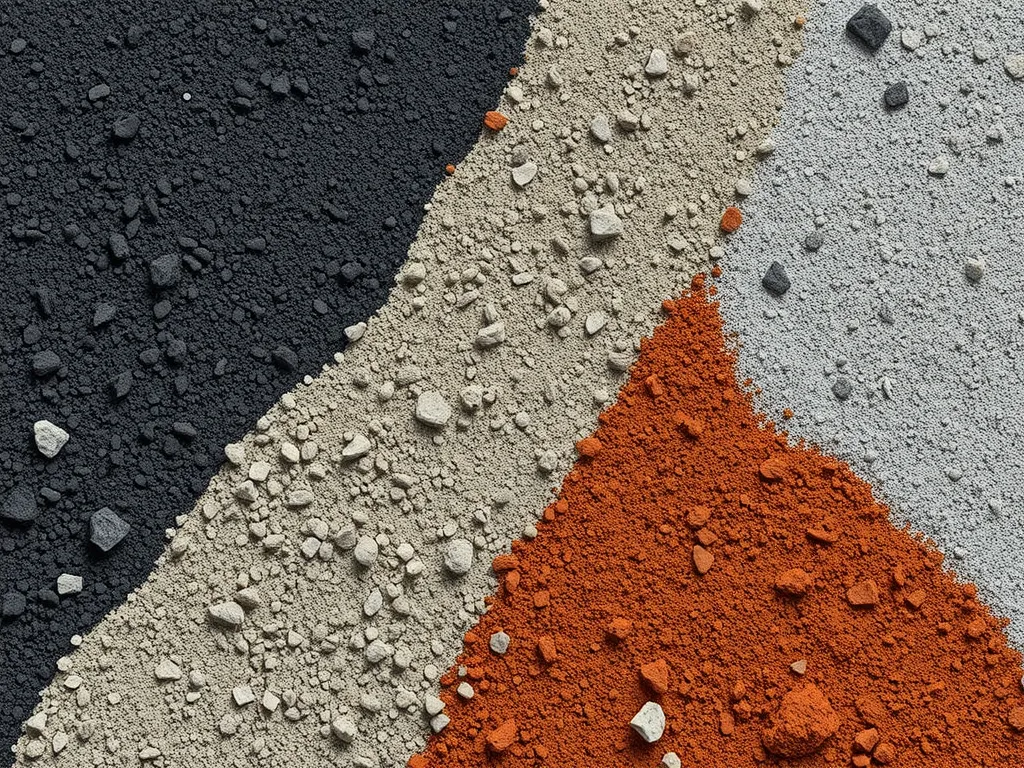
Reclaimed Asphalt Pavement (RAP) forms the backbone of sustainable patching. Cold mix blends integrate 30-50% RAP, diverting 3.2 million tons from landfills yearly. Infrared repairs reuse 95% of existing pavement through thermal reactivation. Spray injection trails with 15-25% recycled content due to emulsion requirements.
| Method | RAP Content | CO2 Reduction |
|---|---|---|
| Cold Mix | 30-50% | 22% |
| Infrared | 90-100% | 41% |
| Hot Mix | 10-20% | 9% |
Energy Efficiency Across Repair Methods
Hot mix production consumes 1.8 million BTU per ton at 300°F heating temperatures. Infrared equipment operates at 50% lower energy inputs by targeting specific repair zones. Cold mix requires zero heating – its ambient-temperature installation uses 80% less fuel than traditional hot processes.
Eco-friendly Alternatives for Sustainable Repair
Bio-based binders from soybean oil cut VOC emissions by 60% compared to petroleum bitumen. Permeable patching systems like porous cold mixes manage stormwater runoff, reducing municipal treatment loads. Full-depth reclamation blends 100% recycled materials but works only for base-layer repairs below surface courses.
Balancing ecological priorities with functional demands shapes effective patch strategy comparisons. Up next: tactical implementation plans linking these factors to site-specific repair needs.
Implementation Strategies for Asphalt Repairs
Smart patch work needs more than picking a method. It calls for plans that fit site needs, wear patterns, and local rules. We break down three key plans for best results.
Matching Techniques to Damage Severity
Pick patch types by how bad the harm is. Small cracks (under 1/4 inch) need seal coats. Alligator cracks or raveling may need infrared fixes to melt and fuse old mats. For deep holes or base fails, full-depth cuts with hot mix work best. Spray-inject patching tackles voids up to 6 inches deep. Always check subgrade health first—weak bases doom surface fixes.
Optimizing Methods for Traffic Volume
Road use shapes patch choices. High-traffic zones (over 10,000 ESALs daily) demand hot mix with polymer glue for fast set-up—ready for cars in 30 mins. Low-use lots can use cold mix, which takes 2-4 hours to cure. For mid-level traffic, infrared mends bond well and handle 5,000+ tire passes per day. Always check load specs: PG 64-22 binders handle standard cars, while PG 76-28 suits truck routes.
Winter-specific Asphalt Patching Approaches
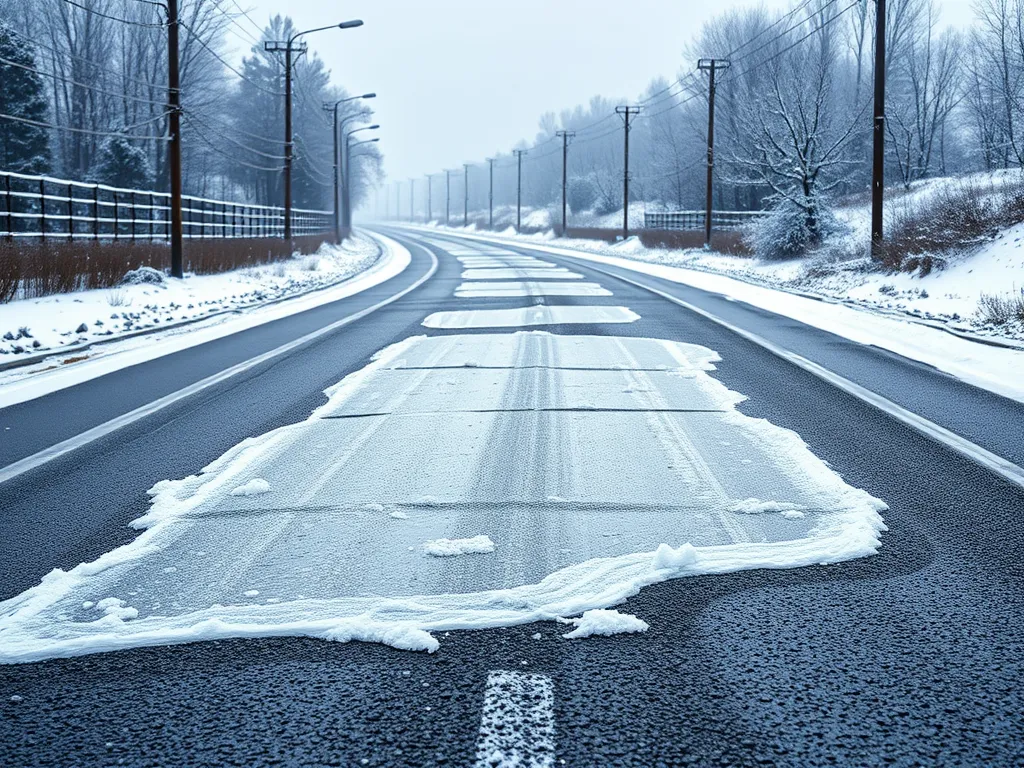
Cold temps limit hot mix use below 40°F. Winter fixes lean on cold mixes with additives like kerosene or anti-strip agents. Spray-inject patching works down to 20°F if binders get pre-heated. For snow zones, use polymer-modified emulsions ($18-$25 per sq yd) that stick in wet spots. Note: Winter patches last 3-6 months—plan spring re-dos for long-term holds.
These plans set the stage for smart patch picks. Next, we break down how each method stacks up in key areas like cost, life span, and eco-impact.
Frequently Asked Questions (FAQs)
What Factors Should I Consider When Choosing an Asphalt Patching Method?
When selecting an asphalt patching method, consider factors such as the type and severity of the damage, expected traffic volume, local climate conditions, budget constraints, and the desired longevity of the repair. Additionally, evaluate the availability of materials and equipment for the selected method.
How Do I Determine the Best Patch Type for My Specific Project?
Assess the extent of the damage. For minor cracks, sealing may suffice, while deeper potholes or structural damage may require hot mix or full-depth repairs. Understanding traffic patterns and seasonal considerations will also help refine your choice.
Can Different Patching Techniques Be Combined for Better Results?
Yes, combining techniques can yield optimal results. For instance, you might use spray injection for immediate repairs in high-traffic areas while planning for a more permanent solution with hot mix asphalt later. This approach can balance short-term needs with long-term durability.
What Are the Best Practices for Maintaining Asphalt Repairs?
Routine maintenance such as crack sealing, regular inspections, and timely touch-ups can significantly extend the lifespan of repairs. Avoiding heavy traffic on freshly patched areas until fully cured improves adhesion and durability.
What is the Environmental Impact Of Different Patching Techniques?
The environmental impact varies by method; for example, infrared and cold mix techniques can utilize recycled materials and consume less energy. Understanding the amount of reclaimed asphalt used and energy consumption will help you choose a more sustainable approach.
Closing Thoughts
Choosing the right asphalt patching technique is crucial for maintaining the longevity of your surfaces. Each method has unique strengths and weaknesses depending on the specific needs of your project. Cold mix, hot mix, infrared repair, spray injection, and polymer-modified overlays all offer distinct advantages that can cater to various applications and conditions.
Cost considerations, durability, and the environment play significant roles in decision-making. For instance, while hot mix offers great durability, cold mix may be more budget-friendly for quick fixes. Always weigh these factors against your project requirements and local conditions.
For more information and resources on asphalt repair options, check out Asphalt Calculator USA. This site provides valuable insights that can aid in making informed decisions for your asphalt maintenance needs.
Additional Resources for You:
- The Asphalt Institute (Technical Resources & Standards)
- 9 Comparing Patching Methods For Different Wall Materials That Pros Swear By – Journeyman HQ
- Windows Patch Management: Best Practices For 2024
- Patch Cadence & Patch Management Best Practices – SecurityScorecard
- Patching Process – an overview | ScienceDirect Topics