Understanding Particulate Matter From Asphalt Use
Published on: March 21, 2026 | Last Updated: April 14, 2025
Written By: George Voss
Particulate matter from asphalt use refers to airborne particles released during road construction, asphalt production, and vehicle tire wear. These particles range from visible dust (PM10) to microscopic specks (PM2.5), containing bitumen binders and crushed rock fragments. Unlike tailpipe emissions, asphalt-derived particles often carry polycyclic aromatic hydrocarbons (PAHs) linked to respiratory issues. The EPA tracks these emissions under Clean Air Act guidelines, with urban paving projects required to meet PM2.5 limits of 12 μg/m³ annual average.
This article explains how asphalt operations generate particulate pollution and their health impacts on workers and nearby communities. We’ll analyze emission hotspots like drum mix plants and milling machines, review OSHA’s 5 mg/m³ dust exposure limits for crews, and compare control methods. Data includes recent studies showing baghouse filters capture 90% of production emissions and water spray systems reducing road site dust by 40-60%.
Contents
Asphalt use creates fine particles that enter air. These come from three main paths: making asphalt, building roads, and cars driving on paved surfaces.
Asphalt Production and Manufacturing Processes
Hot mix plants cook rocks, sand, and bitumen at 300°F. This heat lets out fumes and tiny bits called PM2.5. PG binders (asphalt glue) add to the mix of particles in plant air.
Emissions during asphalt mixing and heating
High temps break down bitumen, releasing vapors. Dryers for rock also kick up dust. A typical plant makes 5-10 pounds of PM per ton of mix. EPA rules force plants to trap 95% of these particles with filters.
Road Construction and Maintenance Activities
Paving crews stir up dust at work sites. Milling old roads grinds pavement into powder. Each mile of road work can send 500 pounds of PM10 (dust you can see) into nearby areas.
Dust generation during asphalt paving and milling
Rotary mills chew up old roads, creating clouds of grit. Pavers spread hot mix that gives off fumes. Without water sprays, one paver emits 15 grams of PM per minute. Wind spreads these particles up to 1,000 feet from the site.
Vehicle-induced Asphalt Wear
Cars and trucks grind pavement as they move. Tire friction shaves off tiny asphalt bits. Heavy traffic zones show 30% higher PM levels near roads.
Tire abrasion on asphalt surfaces
Each tire pass scrapes 0.01 grams of pavement. Over time, this adds up. A busy highway (50,000 cars/day) sheds 50 pounds of PM10 each year. Rough roads speed up this wear by 2x compared to smooth ones.
These emission paths show why PM from asphalt needs care. Next, we look at how these particles affect health and nature.
Health and Environmental Impacts Of Asphalt Particulate Matter
Asphalt-related particulate matter poses dual threats to human health and ecosystems. Fine particles from production, construction, and road wear infiltrate lungs, water systems, and soil, creating cascading effects that demand urgent attention.
Respiratory Risks From Asphalt Dust Inhalation
PM2.5 (particles under 2.5 micrometers) from asphalt operations penetrate deep into lung tissue. Short-term exposure triggers coughing and wheezing, while repeated contact worsens conditions like bronchitis. Workers and nearby residents face elevated risks compared to the general population.
Worker exposure in asphalt plants
Plant employees encounter asphalt dust concentrations reaching 1.8 mg/m³ during peak production – 3x higher than outdoor ambient levels. NIOSH reports link prolonged exposure to reduced lung function across 12% of asphalt workers. Proper PPE like N95 respirators becomes non-negotiable for crews handling hot mix asphalt.
Community Health Concerns Near Production Facilities
Residents within 500 meters of asphalt plants show 22% higher asthma rates, per CDC data. Children and elderly populations prove most vulnerable to emissions containing benzopyrenes and crystalline silica. These facilities release 250-300 tons of particulate emissions annually, creating persistent air quality challenges.
Long-term effects of low-level particulate exposure
Chronic contact with asphalt-related PM2.5 correlates to 15% increased cardiovascular mortality risk over 10 years. A 2023 Johns Hopkins study found residents near asphalt roads develop COPD at rates 8% above national averages. Urban areas with dense traffic networks face compounded effects from tire abrasion particles.
These health challenges demand robust regulatory responses. Next, we examine current standards governing asphalt emissions…
Regulatory Framework for Asphalt Emissions
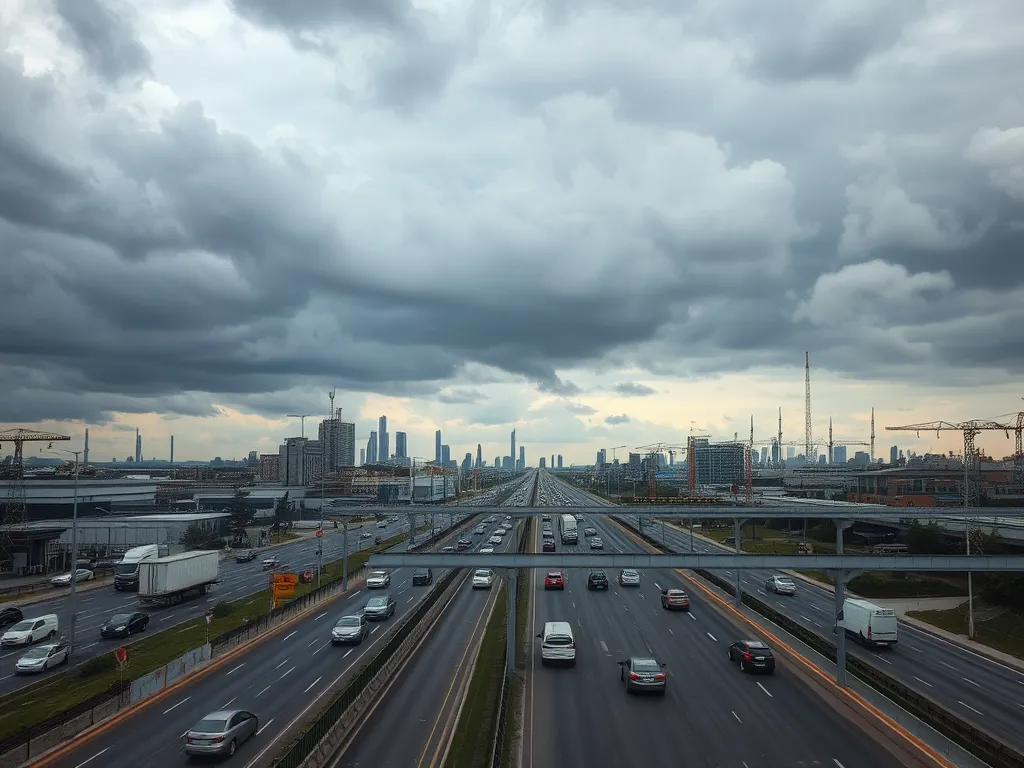
Asphalt-related emissions face strict oversight from federal and workplace safety agencies. These rules target particulate matter at its source while protecting public health and workers.
EPA Standards for Particulate Matter Pollution
The Environmental Protection Agency enforces National Ambient Air Quality Standards (NAAQS) for particulate emissions. Asphalt plants must limit PM2.5 and PM10 – particles under 2.5µm and 10µm in size – known to penetrate lungs.
NAAQS compliance for asphalt facilities
| Pollutant | Annual Limit | 24-Hour Limit |
|---|---|---|
| PM2.5 | 12 µg/m³ | 35 µg/m³ |
| PM10 | 50 µg/m³ | 150 µg/m³ |
Asphalt mix facilities use continuous emission monitors to track stack releases. Plants within 1,000 feet of schools or hospitals face tighter scrutiny due to higher community exposure risks.
Workplace Safety Regulations
The Occupational Safety and Health Administration sets limits for asphalt dust in work environments. Road crews and plant staff face the highest exposure during material handling.
Permissible exposure limits for asphalt dust
Workers can’t breathe more than 5 mg/m³ of asphalt particulates over an 8-hour shift. Hot mix operations often exceed this threshold without controls:
- Paving crews: 3-8 mg/m³ without ventilation
- Plant operators: 6-12 mg/m³ near mixer units
Rotary drum scrubbers and enclosed material chutes cut dust levels by 25-40%. Mandatory respirators (N95 or higher) supplement engineering controls in high-risk zones.
Meeting these standards requires combining technology upgrades with operational changes. Next, we’ll examine practical methods to reduce asphalt particulates at production sites and job sites.
Also See: Grading Vs Rolling: What’s the Difference Explained
Reducing asphalt emissions demands targeted approaches. Modern solutions blend engineering with operational adjustments to tackle particulate matter at its source.
Dust Control Technologies in Asphalt Production
Asphalt plants deploy advanced systems to capture airborne particles. These technologies prevent asphalt dust from entering surrounding air during mixing and heating.
Baghouse filtration systems
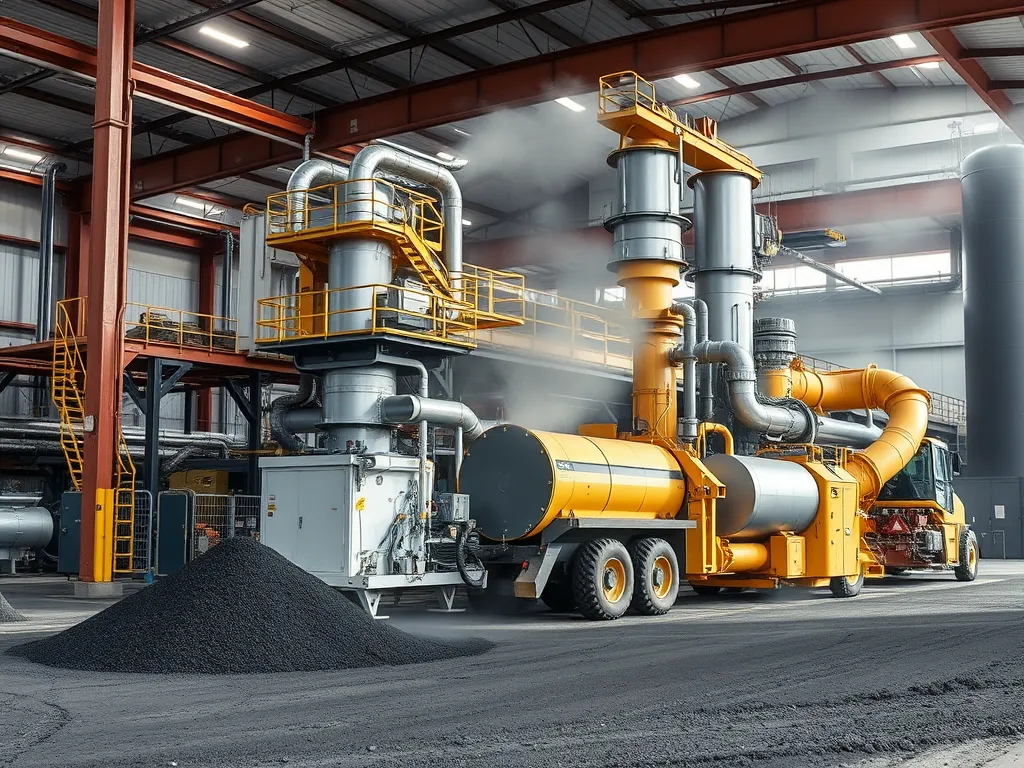
Baghouses act as industrial-scale air purifiers. These systems trap 99% of particulates above 0.5 microns through fabric filter tubes. A typical system processes 50,000 CFM of exhaust air, collecting 2-5 tons of asphalt dust daily. Installation costs range from $500k to $2M based on plant size, but slash particulate emissions by 90-95%.
Best Practices for Road Construction Sites
Field crews apply practical measures to limit asphalt pavement emissions. Effective strategies balance environmental protection with project timelines.
Water suppression techniques
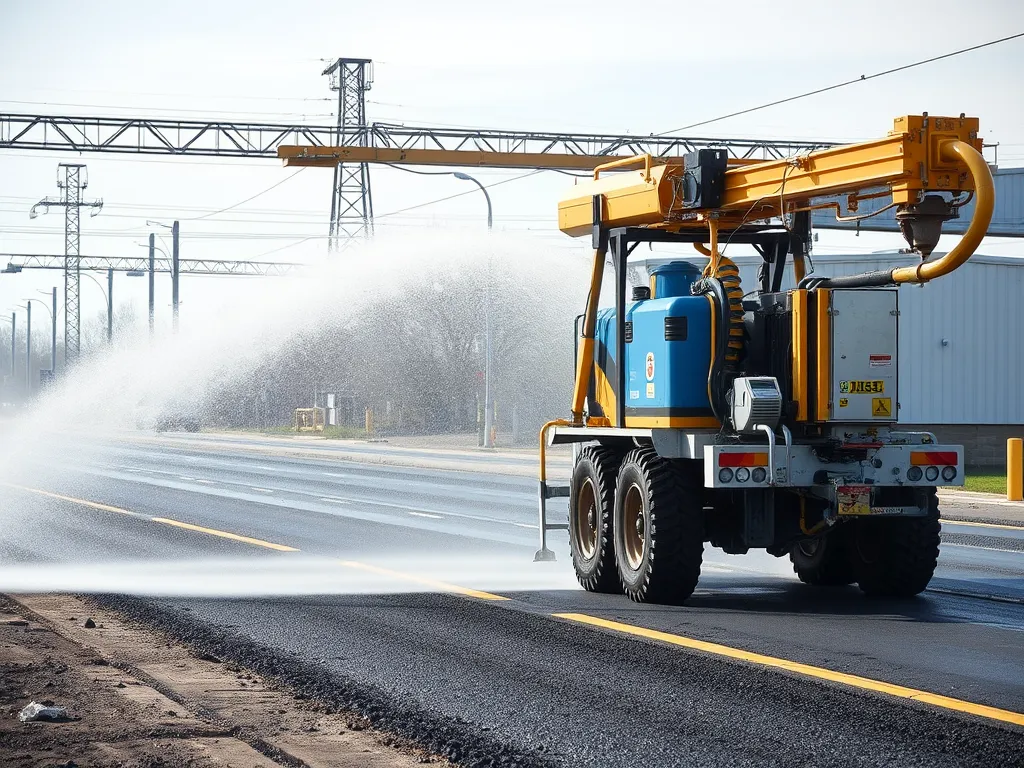
Spraying water during paving and milling cuts dust emissions by 60-70%. Optimal application uses 0.5-1 gallon per square yard. New automated systems adjust spray rates based on temperature and wind speed. Compared to chemical suppressants, water methods reduce costs by $200-$500 per acre while meeting EPA PM10 standards.
These emission controls form part of broader industry efforts. Next, we’ll examine how regulations shape asphalt air pollution management.
FAQs About Asphalt Particulate Emissions
Is It Safe to Live Near an Asphalt Plant?
Living near an asphalt plant may pose health risks due to potential exposure to particulate matter and volatile organic compounds. It’s important to assess local air quality and consult health studies on community impacts before making housing decisions near these facilities.
What Are the Emissions From Asphalt Production?
Asphalt production emits various pollutants, primarily particulate matter (PM10 and PM2.5), volatile organic compounds (VOCs), and polycyclic aromatic hydrocarbons (PAHs). These emissions are released during the heating, mixing, and transportation stages of asphalt production.
Does Asphalt Cause Air Pollution?
Yes, asphalt contributes to air pollution. Emissions generated from asphalt production, road construction, and tire wear can degrade air quality, particularly in urban areas with high traffic volumes and construction activities.
Is Road Construction a Source Of Particulate Matter?
Indeed, road construction is a significant source of particulate matter. Activities such as paving and milling can generate large amounts of dust, contributing to local air pollution and affecting nearby communities.
What Are the Long-term Health Effects Of Exposure to Asphalt Particulate Matter?
Long-term exposure to asphalt particulate matter can lead to serious health conditions, including respiratory diseases, reduced lung function, and increased risk of cardiovascular issues. Chronic inhalation poses particular risks for vulnerable populations like children and the elderly.
How Are Asphalt Emissions Regulated in the United States?
In the United States, asphalt emissions are regulated by the Environmental Protection Agency (EPA) under the National Ambient Air Quality Standards (NAAQS) and by the Occupational Safety and Health Administration (OSHA) for workplace safety. These regulations set limits on acceptable levels of particulate matter and other pollutants from asphalt facilities and ensure worker safety.
What Mitigation Strategies Can Reduce Asphalt-related Emissions?
Mitigation strategies include the implementation of advanced dust control technologies, such as baghouse filtration systems in asphalt plants, and best practices at road construction sites, like using water suppression techniques to minimize dust generation.
Closing Thoughts
Addressing particulate matter from asphalt use is of paramount importance. The emissions arise from various sources, including production, road construction, and daily vehicle operations. Effective management requires a thorough understanding of these emissions and their impact on health and the environment.
Regulatory frameworks like EPA standards and OSHA regulations play a key role in minimizing risks associated with asphalt-related particulate matter. By implementing robust mitigation strategies, such as advanced dust control technologies and best practices on construction sites, we can significantly reduce emissions.
For more in-depth information on asphalt emissions and to explore mitigation options, check out Asphalt Calculator USA. Your engagement in understanding and managing these emissions contributes to healthier communities and a cleaner environment.
Additional Resources for You:
- Research on air pollutants and odour emissions from paving hot-mix asphalt with end-of-life tyre rubber – ScienceDirect
- 3 Ways Asphalt and Concrete Are Affecting the Planet | Aexcel
- Traffic generated non-exhaust particulate emissions from concrete pavement: A mass and particle size study for two-wheelers and small cars – ScienceDirect
- Method 5A – Particulate Matter Asphalt Roofing | US EPA