Government Rules for Asphalt Use: A Contractor’s Guide
Published on: March 21, 2026 | Last Updated: April 14, 2025
Written By: George Voss
Government regulations impacting asphalt use set standards for environmental safety, worker health, and material quality in road projects. Federal rules like 40 CFR Part 60 Subpart UU (emissions from asphalt processing), 40 CFR Part 61 (hazardous air pollutants), and 40 CFR Part 450 (stormwater runoff control) shape how contractors design, produce, and lay asphalt. The EPA and OSHA enforce these rules, requiring permits for asphalt plants, vapor-recovery systems, and erosion prevention plans. Noncompliance risks fines up to $37,500 per violation. Builders adapt by using recycled asphalt (up to 30% cost savings), low-VOC binders, and real-time air monitors.
This guide explains federal asphalt rules, state-specific requirements, and proven compliance tactics. You’ll learn how EPA emissions limits affect plant operations, why stormwater permits add 5-15% to project costs, and which recycled materials meet FHWA specs. Later sections cover chemical safety data sheets (SDS) for asphalt workers, noise control under 29 CFR 1926.52, and green alternatives like warm-mix asphalt.
Contents
Understanding Asphalt and Its Core Applications
Asphalt remains the backbone of modern infrastructure. Over 94% of paved U.S. roads rely on this material. Its widespread adoption stems from unique properties shaped by both engineering needs and government regulations asphalt projects must follow.
Asphalt Basics: Composition and Material Properties
A typical mix contains 95% aggregates (crushed rock, sand, gravel) bound by 5% bitumen. This petroleum-derived glue gives asphalt its flexibility and waterproofing traits. Performance-graded (PG) binders – classified by temperature ranges like PG 64-22 – ensure compliance with ASTM D6373 standards across climate zones.
What type of material is asphalt?
Asphalt qualifies as a viscoelastic composite. Under heat, it flows like liquid. At cooler temps, it acts like a solid. This dual behavior allows roads to withstand traffic loads while adapting to seasonal shifts. Superpave mix designs, mandated by many state DOTs, optimize these properties based on traffic volume and weather data.
What chemicals are in asphalt?
Bitumen contains polycyclic aromatic hydrocarbons (PAHs), sulfur compounds, and trace metals. New low-VOC formulations cut emissions of volatile organic compounds by 30-60% compared to conventional mixes. EPA Method 5B testing verifies compliance with 40 CFR Part 61 limits for PAHs in stack emissions.
Primary Uses Of Asphalt in Road Construction
From interstate highways to airport runways, asphalt’s versatility meets diverse needs. The Federal Highway Administration mandates specific layer thicknesses: 1.5-4″ surface courses over 3-8″ base layers. These specs prevent premature rutting under 80,000-pound truckloads.
What is the use of asphalt in roads?
Asphalt pavements provide structural support, skid resistance (SN 40+), and noise reduction (3-5 dB). Open-graded friction courses, required in wet regions per AASHTO M 323, boost drainage while meeting 40 CFR Part 450 stormwater rules. Warm-mix additives let crews lay roads at 50°F lower temps, slashing fuel use by 20%.
These material properties directly shape compliance strategies for federal asphalt regulations. Next, we break down key EPA mandates controlling production and installation processes.
Key Government Regulations for Asphalt Use
Federal rules shape how asphalt is made, used, and kept safe. These laws aim to cut risks while keeping roads strong.
Federal Asphalt Regulations Overview
Three main rules guide asphalt work nationwide. Each tackles air, health, and water risks tied to paving jobs.
40 CFR Part 60 Subpart UU: Standards for Asphalt Processing
This rule sets limits on plant fumes. Hot mix plants must cap dust (PM) at 0.04 grains/dscf and sulfur (SO₂) at 50 ppm. Baghouses or wet scrubbers are often used to hit these marks.
40 CFR Part 61: Hazardous Air Pollutants and Asphalt Facilities
Focuses on cancer-causing fumes like benzene. Plants must test air yearly and keep HAPs under 0.1 mg/dscm. New plants add burners to break down toxins pre-release.
40 CFR Part 450: Stormwater Management for Asphalt Projects
Requires paved sites to trap 80% of runoff silt. Permits need oil-grit separators or silt fences. Fines hit $56,460/day for leaks into drains.
How Do Government Regulations Influence Asphalt Use?
Rules push up costs but drive greener choices. Plants spend $250K+ on scrubbers to meet Part 60. Part 61 pushes RAP (recycled asphalt pavement) use to 25% in mixes. Stormwater rules add 8-12% to job budgets for drainage layers.
These laws also shape road designs. Permeable asphalt now covers 15% of U.S. parking lots to meet Part 450. States like CA ban coal tar sealants under Part 61, shifting crews to soy-based binders.
Up next: Learn field-tested ways to meet these rules without blowing budgets.
Compliance Strategies for Asphalt Projects
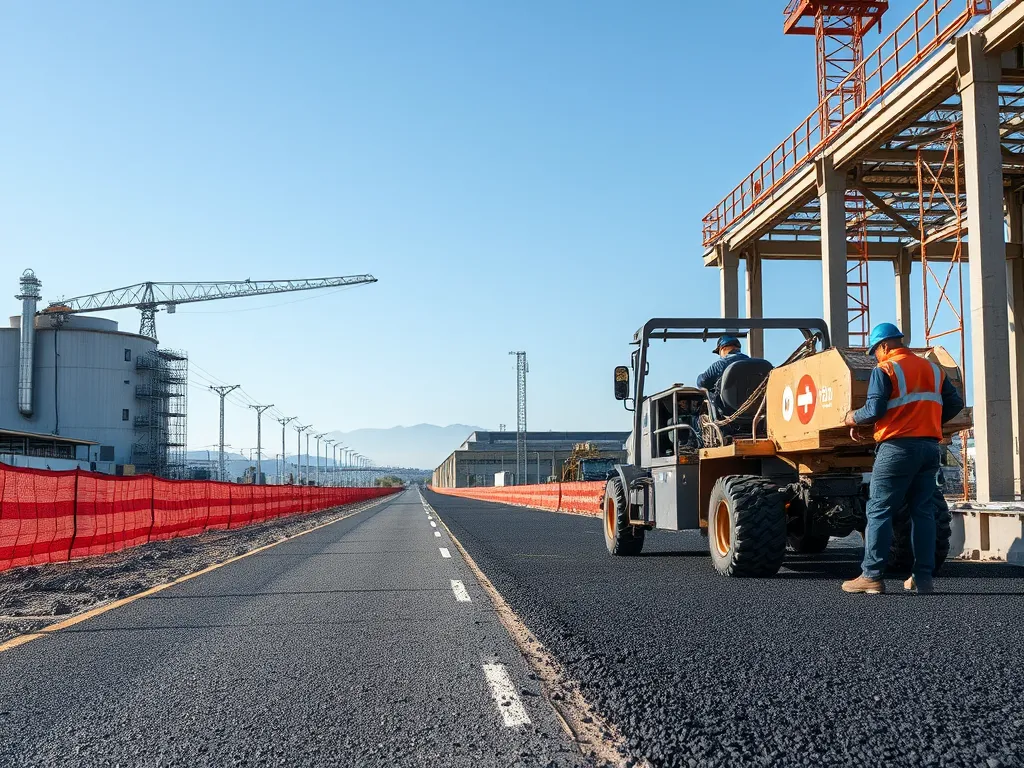
Navigating asphalt regulations requires proactive planning. Contractors must align operations with federal mandates while maintaining project efficiency. Below are actionable methods to meet legal standards without compromising quality.
Implementing 40 CFR Part 60 Subpart UU Requirements
The EPA’s 40 CFR Part 60 Subpart UU targets asphalt processing emissions. It mandates strict controls on particulate matter (PM) from storage tanks, mixing units, and blowing stills. Facilities must install baghouses or wet scrubbers to capture PM below 0.04 grains per dry standard cubic foot.
How does the 40 CFR Part 60 Subpart UU impact asphalt use?
This rule directly affects production costs and equipment choices. Plants now invest in automated emission monitoring systems ($15,000-$50,000 upfront) to track PM2.5 and sulfur dioxide levels. Non-compliance risks fines up to $37,500 daily. However, optimized systems can lower long-term expenses by 12-18% through reduced material waste.
Best Practices for Meeting Asphalt Construction Regulations
Follow these strategies to align with federal and state asphalt use regulations:
- Deploy real-time air quality sensors at job sites to detect benzene or formaldehyde spikes (action threshold: 1 ppm over 8 hours)
- Train crews in SPCC (Spill Prevention, Control, and Countermeasure) protocols for asphalt emulsion spills exceeding 1,320 gallons
- Use warm-mix asphalt (WMA) technologies to cut production temps by 50°F, slashing VOC emissions by 35%
- Maintain 6-month records of asphalt mix formulations, recycling rates (mandatory 20% in 14 states), and disposal logs
Adhering to these asphalt construction regulations ensures smoother inspections. It also positions projects for green building certifications like LEED, which offer tax rebates in 22 states.
Meeting emission standards sets the stage for addressing broader ecological impacts. Next, we examine how asphalt production interacts with federal environmental safeguards.
Also See: Can Fresh Asphalt Damage Tires? Here’s What to Know
Environmental Considerations and Asphalt Regulations
Green codes shape how asphalt gets made and laid. These rules aim to cut harm to air, water, and soil while keeping roads strong.
Environmental Impacts Of Asphalt Production and Use
Hot mix plants send fumes into the air. These fumes hold VOCs (volatile organic compounds) and tiny dust bits. When it rains, oil and grit from roads can wash into streams. Black top roads also soak up sun heat, lifting city temps by 2-5°F.
What are the environmental impacts of asphalt?
Key issues include: fumes from hot mix work, storm flow pollution, and heat isles. The EPA tracks these under 40 CFR Part 61 (air toxics) and Part 450 (rain runoff). Old asphalt dumps can leak PAHs (polycyclic aromatic hydrocarbons) into soil over time.
Mitigation Strategies Under Federal Guidelines
New warm-mix tech drops plant heat by 50°F. This slashes fuel use and fumes. Crews now blend up to 40% RAP (reclaimed asphalt pavement) in mixes, as per EPA reuse codes. Pourous asphalt lets rain seep down, not run off streets. Cool coat paints with high reflectivity cut road heat by 10-15°F.
Air rules push plants to add scrubbers and bag filters. These traps grab 95% of dust and fumes. For storm flow, sites must use silt fences, gravel pads, and oil skimmers. All steps tie back to 40 CFR Part 60 UU and Part 450 standards.
These rules guide how teams plan, build, and fix roads. Up next: smart ways to meet all codes without blowing the budget.
FAQ: Government Regulations and Asphalt Use
What Are the Key Government Regulations Affecting Asphalt?
Key regulations include 40 CFR Part 60 Subpart UU, which sets emission standards for asphalt processing, 40 CFR Part 61 which addresses hazardous air pollutants from asphalt facilities, and 40 CFR Part 450 that regulates stormwater management for asphalt projects. These regulations aim to ensure environmental safety and public health while maintaining the integrity of asphalt used in road construction.
How Do Asphalt Usage Regulations Address Chemical Safety?
Regulations such as 40 CFR Part 61 require asphalt facilities to monitor and control hazardous air pollutants (HAPs), including chemicals like benzene and polycyclic aromatic hydrocarbons (PAHs). These mandates ensure that facilities are tested regularly, and emissions are kept within set limits to safeguard both worker health and the environment.
Closing Thoughts
Government regulations play a pivotal role in shaping how asphalt is used across various projects. From federal standards governing processing to environmental considerations, understanding these rules is vital for compliance and sustainability.
Staying informed about regulations like 40 CFR Part 60 Subpart UU and the associated requirements can streamline project execution while minimizing ecological impacts. Integrating effective compliance strategies ensures safer, more efficient asphalt usage, benefiting both contractors and communities.
For deeper insights into asphalt and compliance strategies, check out Asphalt Calculator USA. Your reliable source for all things asphalt.
Useful References for You:
- The Asphalt Institute (Technical Resources & Standards)
- Asphalt (Bitumen) Fumes – Standards | Occupational Safety and Health Administration
- What’s in Your Asphalt? | FHWA – Department of Transportation
- Index – Reclaimed Asphalt Pavement in Asphalt Mixtures: State of The Practice, April 2011 – FHWA-HRT-11-021
- Environmental impacts of reclaimed asphalt pavement on leaching of metals into groundwater – PMC