Asphalt Crack Filling: Methods, Tools, and Key Choices
Published on: March 21, 2026 | Last Updated: April 14, 2025
Written By: George Voss
Asphalt crack filling seals pavement damage using methods like hot pour (heated rubberized sealant), cold pour (liquid emulsion), or infrared repair (heat-based blending). These techniques differ in materials, tools, and durability—hot pour lasts 3-5 years with melter applicators, while cold pour offers 1-2 years using squeeze bottles. Selecting the right method depends on crack width (hairline to 1+ inches), weather, and traffic to block water intrusion and prevent base failures.
This article covers crack repair from start to finish. Learn why cracks form from freeze-thaw cycles or heavy loads. Compare hot pour’s 350°F application to cold pour’s no-heat process. Explore tools like crack routers, infrared heaters, and eco-friendly sealants. Get step-by-step guides for cleaning, filling, and curing, plus cost comparisons ($0.15-$1.00 per linear foot) and lifespan data for informed decisions.
Contents
- Importance Of Asphalt Crack Repair
- Primary Asphalt Crack Filling Methods
- Asphalt Crack Filling Materials
- Essential Tools for Asphalt Crack Repair
- Surface Preparation Steps
- Crack Filling Application Process
- Pros and Cons Of Different Methods
- Environmental Considerations
- Frequently Asked Questions
- Closing Thoughts
- Additional Resources for You:
Importance Of Asphalt Crack Repair
Timely crack filling preserves pavement integrity and prevents minor flaws from becoming major failures. Proper asphalt crack filling methods extend surface life by 3-5 years, saving $2-$4 per square foot compared to full replacements. Effective solutions block water infiltration—the top cause of base erosion—while resisting freeze-thaw cycles and traffic stresses.
Causes Of Cracks in Asphalt Surfaces
Four primary factors create asphalt cracks. Thermal contraction in cold weather causes transverse cracks (perpendicular to traffic flow). Heavy vehicles generate longitudinal cracks parallel to wheel paths. UV oxidation degrades binders, creating alligator cracks—interlocked segments resembling reptile skin. Poor drainage or vegetation roots trigger block cracks, forming rectangular patterns. Each type demands specific crack filling tools and materials for lasting repairs.
Consequences Of Ignoring Crack Damage
Unsealed cracks expand 2-3 times wider annually, letting water erode 85% of the base layer within two winters. This leads to potholes requiring $50-$300 each to fix. Structural failures from ignored cracks reduce load capacity by 40%, risking vehicle damage and liability claims. Debris-filled cracks also breed weeds, accelerating surface breakdown through root growth.
With risks quantified, let’s examine the primary asphalt crack filling methods and equipment that stop degradation early.
Primary Asphalt Crack Filling Methods
Choose the right fix based on crack size, depth, and site needs. Two main ways exist: hot pour and cold pour. Special cases call for high-tech tools.
Hot Pour Crack Filling
Melted rubber seals cracks 1/4″ to 2″ wide. Hot fill sticks well to walls, blocks water, and lasts 3-5 years. Works best in temps above 50°F.
Equipment Requirements for Hot Pour
- Melter applicators (holds 50-100 gal)
- Oil-jacketed hoses for flow control
- Propane burners (heats to 350°F)
- Squeegee or pour shoe for clean lines
Application Process for Asphalt
- Heat sealant to 325-375°F in melt tank
- Blow out dust with air compressor
- Pour filler 1/4″ below surface level
- Cool 20-30 mins before traffic
Cold Pour Crack Filling
Ready-to-use liquids fill hairline cracks under 1/2″. Sets in 2-4 hours. Costs 25% less than hot pour but lasts 1-3 years.
Cold Application Tools and Techniques
- Pour pots with spouts (1-5 gal capacity)
- Caulk guns for precise bead lines
- Crack squeegees for thin layers
- Sand spreader to prevent tracking
Specialized Methods
For roads with alligator cracks or deep splits. Needs pro gear and skills.
Routing and Resealing
Cut 1″ wide x 1″ deep channel along cracks. Pack with hot rubber. Adds 5+ years to pavement life. Uses crack routers with diamond blades ($3,500-$8,000).
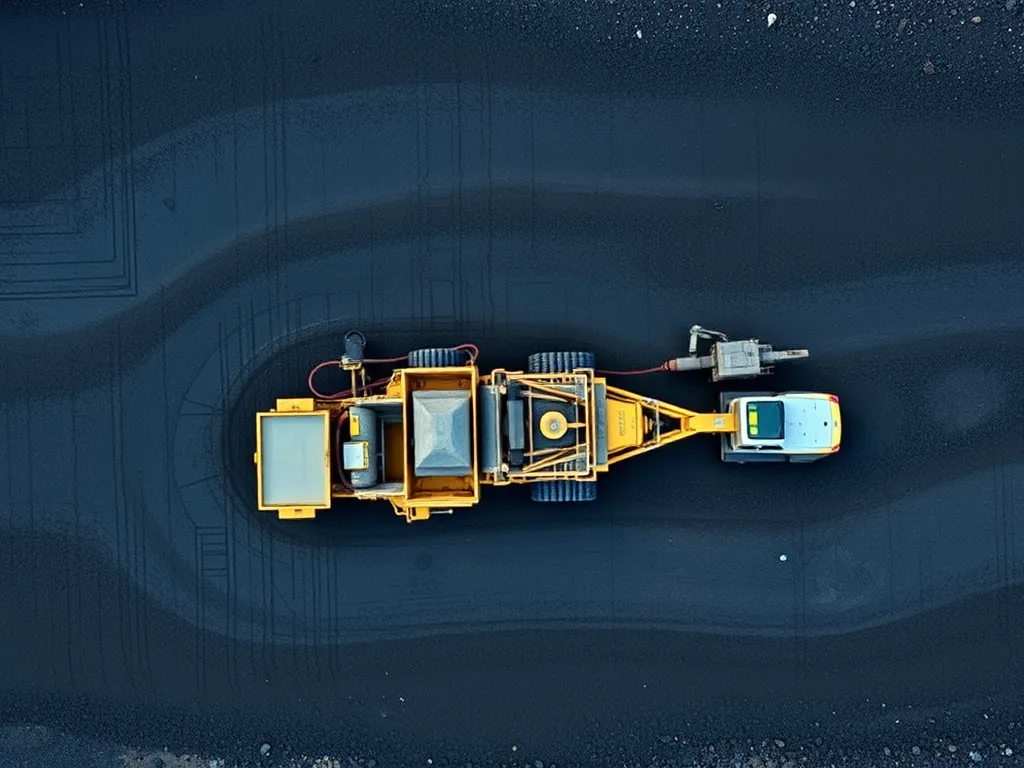
Infrared Asphalt Repair
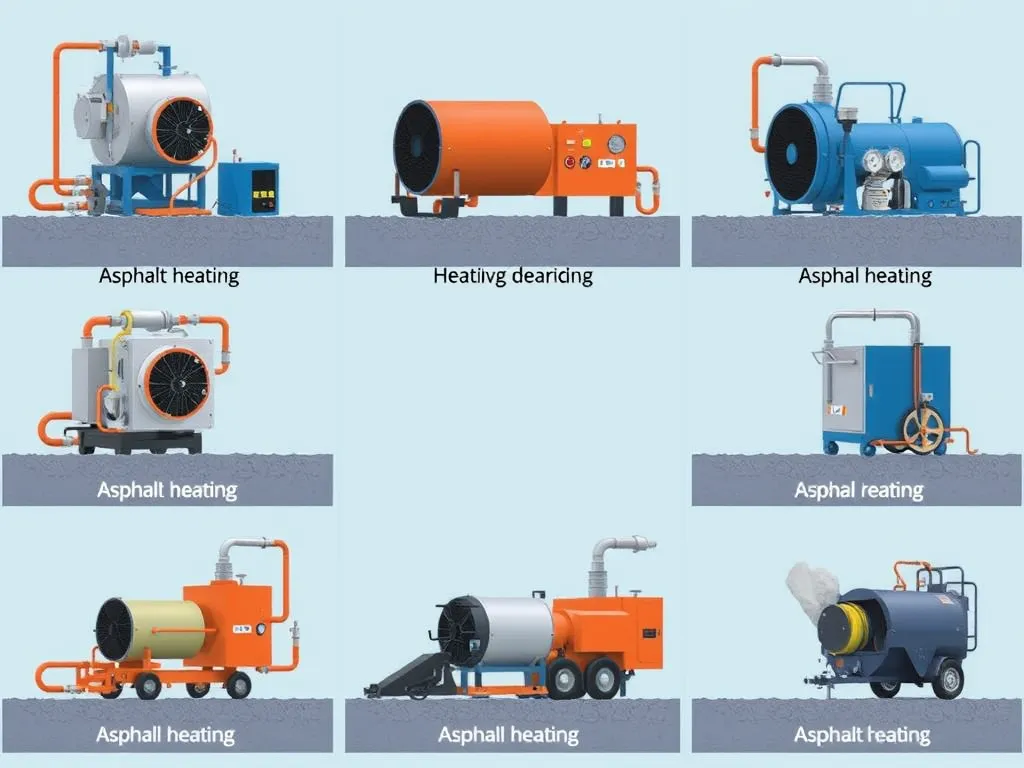
Heats old pavement to 300°F, mixes in new mix. Bonds layers, hides seams. Fixes 50 sq ft per hour. Needs IR heater carts ($15k-$40k).
Pick your method? Next, match it to the right crack filling materials for max hold.
Asphalt Crack Filling Materials
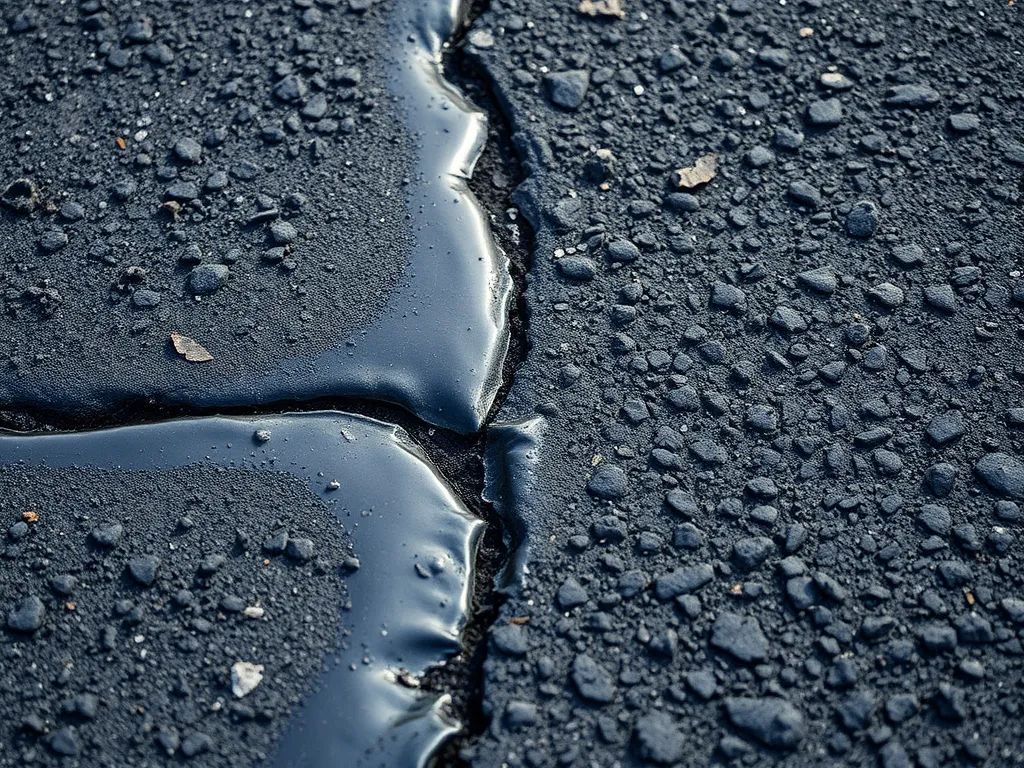
Selecting the right material determines the success of crack filling methods. Four primary options dominate the market, each suited to specific conditions and crack types.
Hot Applied Rubberized Sealants
Hot applied rubberized sealants blend asphalt cement with polymers like styrene-butadiene-styrene (SBS). Heated to 325-375°F in melter applicators, these fillers bond tightly to asphalt. They handle cracks up to 1 inch wide and last 3-5 years. Ideal for high-traffic areas like highways, they resist temperature swings from -20°F to 160°F.
Cold Pour Asphalt Emulsions
Cold pour asphalt emulsions work at ambient temperatures. These water-based mixes contain asphalt particles suspended in liquid. Costing $0.40-$0.60 per linear foot, they cure in 24-48 hours. Best for cracks under ½ inch wide in driveways or parking lots. Limited effectiveness below 50°F or in heavy rain.
Polyurethane-based Fillers
Polyurethane-based fillers offer 500% elongation capacity, accommodating joint movement in bridges or airport runways. Two-part systems require mixing resin with catalyst before application. Priced at $2.50-$4 per linear foot, they last 5-8 years. Requires primer for proper adhesion to asphalt surfaces.
Acrylic Sealers for Surface Cracks
Acrylic sealers form a flexible membrane over hairline cracks (less than ¼ inch wide). Applied at 50°F minimum, they dry in 2-4 hours. Contains UV blockers to prevent asphalt oxidation. Lasts 1-3 years. Often paired with sand for improved traction on walkways.
Proper material selection sets the stage for effective repairs. Next, matching these products with the right crack filling tools ensures precise installation and maximum durability.
Also See: Long-term Benefits Of Proper Asphalt Curing Techniques
Essential Tools for Asphalt Crack Repair
Pick the right gear for each crack fix job. Tools change based on crack size, method, and material type.
Manual Application Tools
Hand tools work best for small cracks (under ½ inch) or cold pour jobs. Low cost and easy to use.
Crack Cleaning Brushes
Stiff wire bristles clear dirt, rocks, and plants from cracks. Use 4-6 inch widths for driveways. Twist brush heads reach tight spots.
Pour Pots and Squeeze Bottles
Pour pots hold 1-5 gallons of cold sealant. Spouts control flow. Squeeze bottles handle thin emulsions for hairline cracks (⅛ inch).
Mechanized Equipment
Machines speed up big jobs or hot pour fixes. Need more skill but last longer.
Melter Applicators for Hot Pour
These melt rubberized fillers at 350-400°F. Tank sizes range 25-100 gallons. Built-in wands spray hot seal fast. Add-ons track crack width for even fills.
Crack Routing Machines
Gas blades cut cracks wider (1-2 inches) before sealing. 6-8 HP motors spin diamond tips. Adjust depth up to 2 inches. Creates clean edges for tight seals.
With tools prepped, focus shifts to surface prep steps for lasting results.
Surface Preparation Steps
Good prep work makes crack fixes last. Skip these steps, and sealants fail fast.
Cleaning and Debris Removal
Clear dirt, leaves, and loose bits from cracks. Use wire brushes, air blowers, or high-pressure jets. Debris blocks sealants from sticking well. For deep cracks, vacuum out sand or gravel. Clean cracks let fillers bond tight to asphalt.
Crack Widening Techniques
Make narrow cracks wider for better filler grip. Use crack routers or saw blades to cut 1-inch wide paths. This creates space for sealants to spread evenly. Wider cracks (over 0.5 inches) need no routing—just clean edges. Proper width stops fill from peeling under car tires.
Drying and Priming Surfaces
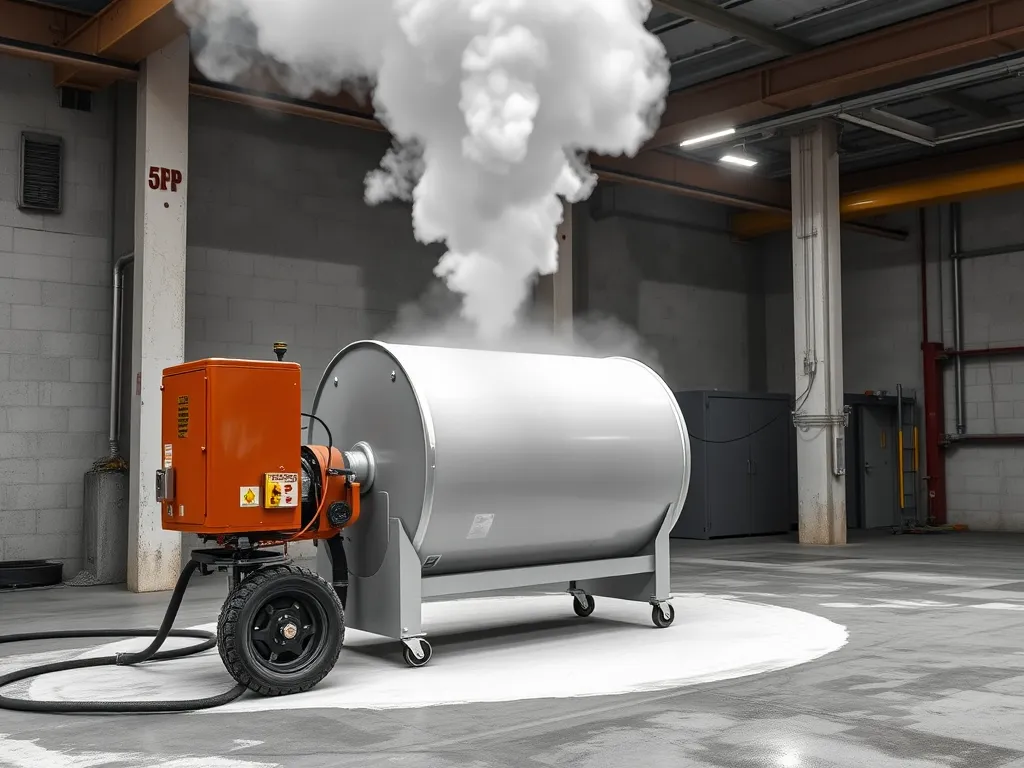
Dry cracks fully before filling. Wet spots make sealants lift. Use propane torches or hot air blowers to speed drying. For cold pour methods, prime cracks with thin sealant first. Priming helps hot rubber stick better in temps below 50°F. Dry, primed cracks lock fillers in place for years.
With surfaces prepped, focus shifts to picking the right tools and fill types. Next, we break down how to apply each method step by step.
Crack Filling Application Process
Proper execution of crack filling methods ensures long-lasting repairs. Follow these steps to maximize effectiveness across various asphalt crack fill methods.
Step 1: Crack Evaluation
Measure crack width and depth using calipers or laser gauges. Identify patterns: linear cracks under 1/2″ wide need different treatment than alligator cracks exceeding 1″. Check for subbase erosion with moisture probes if cracks exceed 3/4″ depth.
Step 2: Material Selection
Choose crack filling materials based on climate and damage type. Hot pour rubberized sealants (PG 64-22 grade) handle -20°F to 140°F temperatures. Cold pour asphalt emulsions work for cracks under 1/4″ in mild weather. Use polyurethane-based fillers for active cracks with movement up to 50% elongation capacity.
Step 3: Precision Pouring
Heat hot pour sealants to 300°F in melter applicators. For cold pour methods, load squeeze bottles with emulsion. Position nozzles 1/2″ above cracks, maintaining steady flow rates. Fill 85-90% of crack depth to allow thermal expansion—overfilling wastes material and causes uneven surfaces.
Step 4: Smoothing and Leveling
Drag V-shaped squeegees across hot fills within 30 seconds of application. Use convex trowels for cold pour materials to create slight crown (1/8″ above surface). Remove excess filler immediately with steel scrapers to prevent tire pickup.
Step 5: Curing and Traffic Management
Hot pour sealants achieve walk-on hardness in 15 minutes at 70°F. Cold materials require 2-hour cure times before light traffic. Place traffic cones for 24 hours on high-volume roads. Monitor surface temperatures—curing slows by 50% below 50°F.
Mastering these crack filling tools and techniques leads to durable repairs. Next, we’ll compare performance metrics between popular asphalt crack fill methods.
Pros and Cons Of Different Methods
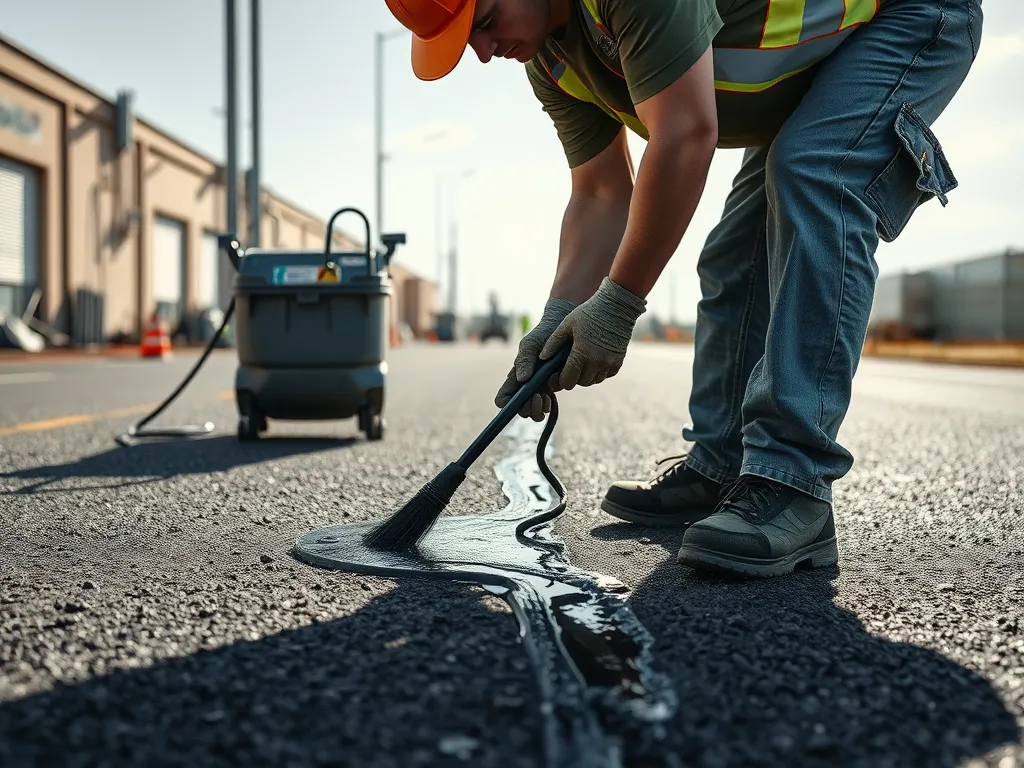
Selecting the right crack filling methods depends on project scale, budget, and desired durability. Each technique balances ease of use with long-term performance.
Hot Pour Vs Cold Pour Comparison
Hot pour crack filling uses heated rubberized sealants applied at 300-400°F. Cold pour methods rely on ready-to-use asphalt emulsions or polyurethane compounds.
| Factor | Hot Pour | Cold Pour |
|---|---|---|
| Cost | $0.50-$1.50/lf (labor + equipment) | $0.25-$0.75/lf (material only) |
| Cure Time | 2-4 hours | 24-48 hours |
| Durability | 5-8 years | 1-3 years |
| Tools Required | Melter applicators, oil-jacketed hoses | Squeeze bottles, pour pots |
Hot pour creates flexible seals resistant to thermal movement. Cold pour works for temporary fixes under ½” width but may shrink or crack faster.
Longevity Of Different Fill Materials
Material choice directly impacts how long crack filling solutions last. Performance varies based on traffic loads and climate conditions.
- Rubberized Asphalt: 5-8 years (best for high-traffic roads)
- Polyurethane: 3-5 years (resists fuel/oil spills)
- Asphalt Emulsion: 1-2 years (ideal for driveways)
- Acrylic Sealers: 2-3 years (surface-level cracks only)
PG (Performance-Graded) binders in hot pour materials enhance weather resistance. Routing cracks before filling adds 2+ years to any method by creating better adhesion.
Durability isn’t the only factor – let’s examine how environmental regulations shape modern crack filling tools and material choices.
Environmental Considerations
Modern crack filling operations balance effectiveness with ecological responsibility. Contractors now prioritize methods that protect surrounding ecosystems while maintaining pavement performance.
Eco-friendly Sealant Options
New bio-based sealants reduce environmental impact without sacrificing durability. Soy-modified rubberized fillers cut petroleum content by 40-60% while matching traditional material flexibility. Water-based acrylic emulsions emit 75% fewer volatile organic compounds (VOCs) than solvent-based alternatives. Some polyurethane formulas incorporate 30% post-industrial recycled plastics, creating crack filling solutions that withstand freeze-thaw cycles down to -20°F.
Premium eco-sealants cost $0.35-$0.50 per linear foot versus $0.25-$0.40 for conventional options. Though pricier, they meet EPA stormwater runoff standards and often qualify for LEED construction credits.
Waste Management Practices
Proper handling prevents contamination during crack filling projects. All unused hot-applied rubber must cool in sealed steel drums for later reuse. Contractors filter and recycle up to 90% of excess cold-pour emulsion through 50-micron screens. Asphalt debris from routing gets crushed into aggregate for pothole patches or new pavement mixes, diverting 2-3 tons per mile from landfills.
Spill containment kits with oil-absorbent booms remain mandatory on job sites. Pressure washers using biodegradable cleaners remove sealant residue without spreading toxins into drainage systems.
These environmental strategies directly influence project success rates and community safety standards. Let’s examine common questions professionals face when implementing these techniques.
Frequently Asked Questions
What Are the Methods Of Crack Injection?
Crack injection methods involve using specialized materials to fill and seal cracks effectively. Common methods include epoxy injection, polyurethane foam injection, and polymer sealants, which cater to specific crack types based on their width, depth, and movement characteristics.
What is the Process Of Crack Filling?
The process of crack filling typically involves evaluating the cracks, selecting the right materials, preparing the surfaces by cleaning and drying, applying the selected filling material, and managing traffic while the filler cures. This ensures effective adhesion and longevity of the repair.
What Are the Different Types Of Crack Sealant?
Different types of crack sealants include hot applied rubberized sealants, cold pour asphalt emulsions, polyurethane-based fillers, and acrylic sealers. Each is designed for specific applications, crack sizes, and environmental conditions.
What Techniques Repair Asphalt Cracks Effectively?
Effective asphalt crack repair techniques include hot pour crack filling, where heated sealants are used, and cold pour methods that utilize ready-to-use emulsions. Specialized methods like routing, resealing, and infrared repair offer high efficiency for deeper or more complex cracks.
Closing Thoughts
Asphalt crack filling is vital for preserving the integrity of your surfaces. Understanding the various methods and tools available—such as hot pour, cold pour, and specialized techniques—ensures you select the best approach for your specific needs. Each method has unique benefits and considerations, allowing for effective repair while taking care of the environment.
Proper preparation and application techniques also play a crucial role in achieving lasting results. By using the right materials and tools, such as crack cleaning brushes and melter applicators, you can extend the life of your asphalt and enhance its appearance.
For more detailed insights and guidance on asphalt crack filling and repair, check out Asphalt Calculator USA. Equip yourself with the knowledge to keep your asphalt surfaces in prime condition.
Additional Resources for You:
- ASTM International (Asphalt & Pavement Standards)
- Asphalt Crack Filling vs. Crack Sealing: What’s the Difference?
- The Difference Between Crack Filling and Crack Sealing
- Crack Sealing Vs. Crack Filling – What’s The Difference? – Garden State Paving & Seal Coating, LLC
- How to Select Crack Filler and Crack Sealer – Pavemade.com