Mastering Asphalt Compaction: Key Methods for Durable Pavement
Published on: March 21, 2026 | Last Updated: April 14, 2025
Written By: George Voss
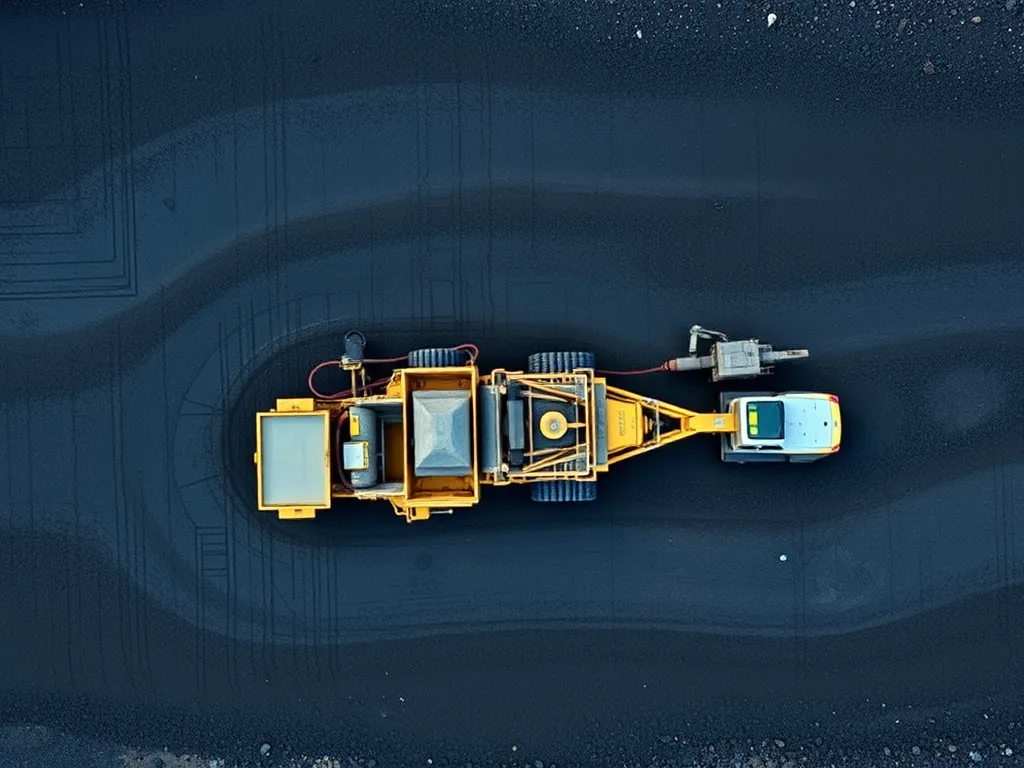
Compaction methods compress asphalt mixtures into dense pavement layers using four main approaches: vibratory (rapid vibrations), static (weight pressure), impact/kneading (pneumatic tire rolling), or hybrid combinations. Each technique affects density differently—vibratory rollers work fastest on thick layers, static rollers create smoother surfaces, and pneumatic rollers adjust tire pressure (40-100 psi) to prevent aggregate crushing. Proper compaction at 275-325°F air temperatures ensures 95% density targets, prevents cracks, and extends road life by 15-20 years. Matching methods to project size, material type, and weather conditions is critical for lasting results.
This guide compares vibratory, static, pneumatic, and hybrid compaction systems. Explore how double-drum rollers achieve 98% density on highways. Learn why plate compactors target edges at 3,000-6,000 lbs of force. We break down nuclear density tests, Proctor standards for soil bases, and cost differences between methods ($75-$200/hour per roller). Get actionable tips to avoid raveling, bleeding, or premature wear in hot-mix asphalt applications.
Contents
- What is Asphalt Compaction?
- Core Compaction Methods for Asphalt
- Equipment Used in Pavement Compaction
- Factors Influencing Asphalt Compaction
- Testing and Quality Control
- Pros and Cons Of Asphalt Compaction Techniques
- Environmental Considerations
- Frequently Asked Questions
- Closing Thoughts
- Additional Resources for You:
What is Asphalt Compaction?
Compaction refers to the process of pressing pavement materials into tight, unified layers. This step removes trapped air voids, bonds mixtures of stone, sand, and bitumen, and forms solid structural bases. Without proper compaction, pavements degrade faster under traffic loads or weather shifts.
Purpose and Importance in Pavement Durability
Effective compaction directly determines how long roads last. It prevents water infiltration, which causes cracks or potholes. Properly compacted layers resist rutting from heavy trucks, reducing repair needs by up to 40%. For every 1% drop in density, pavement strength decreases by 10%.
Key Goals: Density, Stability, and Longevity
Three benchmarks define success: density levels above 95% (per Superpave standards), uniform stability under loads exceeding 8,000 lbs/day, and service life surpassing 15 years. Vibratory rollers, static plates, or pneumatic tires help reach these targets. Density checks using nuclear gauges verify voids stay below 7% to block moisture damage.
Next, we’ll break down the core tools and techniques used to meet these goals in modern paving projects.
Core Compaction Methods for Asphalt
Choosing the right compaction technique determines pavement strength and lifespan. Four primary systems dominate modern asphalt projects, each with distinct mechanics and use cases.
Vibratory Compaction
Vibratory rollers apply rapid oscillations (45-60 Hz) combined with static weight to densify asphalt layers. This method penetrates deeper layers while aligning aggregates for interlocking stability.
Vibratory Rollers for Asphalt Layers
Dual-drum vibratory rollers deliver 8,000-12,000 lbs of centrifugal force at amplitudes of 0.5-1.8 mm. These machines achieve 92-95% density in 2-4 passes on base courses. High-frequency models (50+ Hz) prevent aggregate fracturing in PG 64-22 binder mixes.
Static Compaction
Non-vibrating steel-wheel rollers rely on pure mass (10-20 tons) to compress materials. Best for thin surface layers under 3 inches, static compaction prioritizes smoothness over deep penetration.
Smooth Drum Rollers in Asphalt Paving
Static smooth drum rollers apply 400-600 psi pressure, sealing surface voids during final passes. Operators use them on wearing courses to meet IRI (International Roughness Index) targets below 1.2 m/km.
Impact/kneading Compaction
Pneumatic rollers mimic footpath tamping through timed impacts and tire flexion. The kneading action reshapes aggregates without crushing angular particles critical for load-bearing capacity.
Pneumatic-Tire Rollers for Uniform Density
Nine-wheel pneumatic rollers with 60-100 psi tire pressure eliminate density gradients in SMA (Stone Matrix Asphalt) mixes. Overlapping 1/3 passes ensure 98% uniformity across 4-inch lifts.
Combination Techniques
Hybrid strategies merge vibration, static weight, and kneading in sequenced phases. Contractors pair vibratory breakdown rollers with pneumatic intermediate compactors and static finish rollers.
Hybrid Approaches for Optimal Results
A 2023 NAPA study showed combining vibratory (2 passes) and pneumatic (3 passes) methods boosts mat density by 4% versus single-mode systems. Variable amplitude vibratory rollers (3-5 mm adjustments) adapt to layer thickness shifts during windrow paving.
Selecting the right compaction method directly impacts equipment choices – a decision we’ll analyze next by comparing roller types and operational costs.
Equipment Used in Pavement Compaction
Choosing the right tools determines pavement density, surface quality, and structural integrity. Modern projects rely on specialized machinery designed for specific phases of the compaction process.
Vibratory Rollers
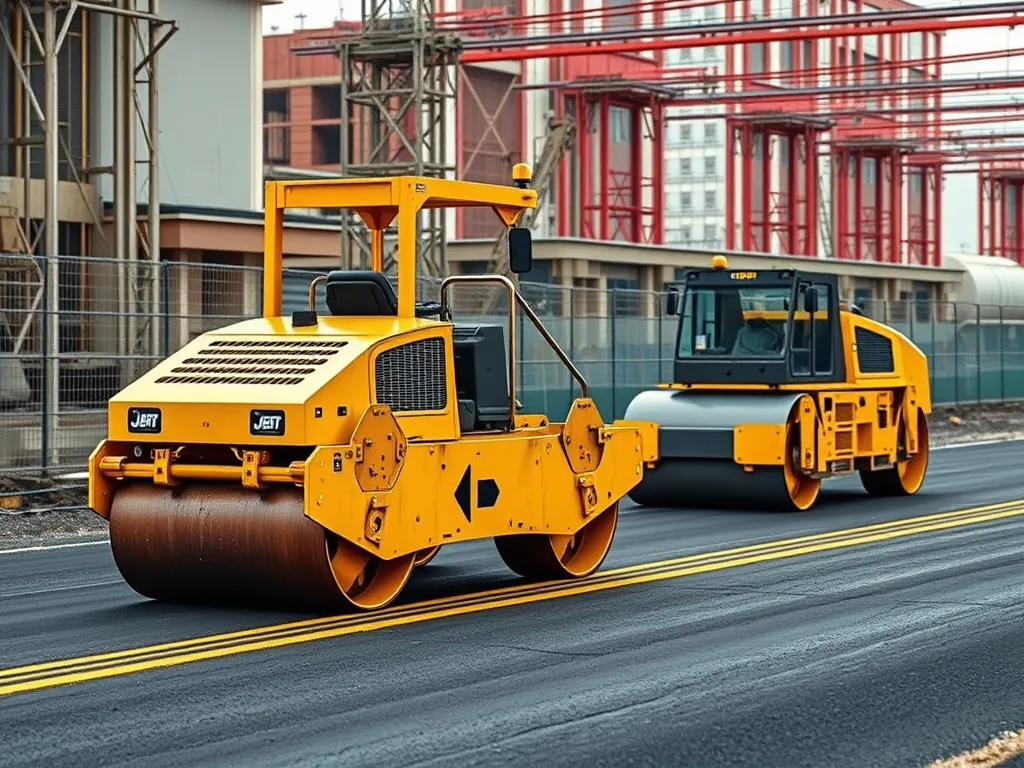
Vibratory rollers use oscillating drums to compact pavement material. Operating between 25-40 Hz frequencies, these machines reduce voids by 5-7% in surface courses. Best for bonding layers, they reach 92-98% density within three passes on hot mix. Newer models include dual vibration modes to switch between granular bases and thin overlays.
Pneumatic Rollers
Pneumatic rollers employ rubber-tired systems to knead pavement into uniform surfaces. Tire pressures set between 60-80 psi prevent stone fracturing while closing surface voids. Commonly used behind vibratory rollers, they boost interlock in intermediate courses. Eight to ten tires distribute weight evenly, minimizing roller marks on polymer-modified mixes.
Plate Compactors for Edges and Small Areas
Plate compactors deliver focused force through vibrating steel bases. Models generating 3,000-5,000 pounds of compaction power tackle curbs, utility cuts, or patches under 4 square yards. Their maneuverability prevents uneven edges in restricted zones. Contractors often pair them with infrared heaters for seamless repairs in cold conditions.
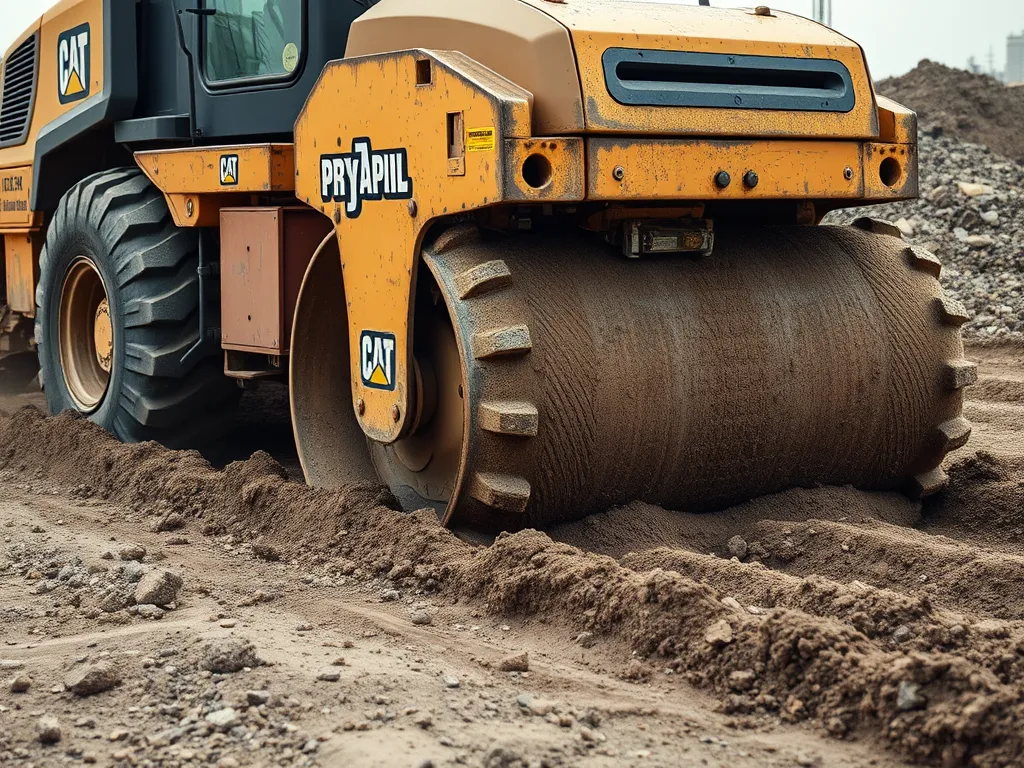
Tamping Rollers for Base Layers
Tamping rollers feature padded drums for base course work. Static weights up to 15 tons drive crushed stone into stable subgrades meeting Proctor density targets. These machines form the foundation for upper pavement layers. Pad shapes vary—cupped designs excel in cohesive soils, while square pads compact granular fill more effectively.
Proper tool selection directly impacts pavement performance—next, we’ll examine how material properties guide equipment choices.
Also See: How to Add Decorative Elements to Asphalt
Factors Influencing Asphalt Compaction
Effective compaction depends on balancing material properties, environmental conditions, and equipment choices. Ignoring these factors leads to premature cracking, rutting, or uneven surfaces.
Material Temperature and Timing
Asphalt mix temperature directly impacts compaction success. Hot mix asphalt (HMA) requires rolling between 275°F and 325°F for proper particle alignment. Below 185°F, bitumen stiffens, reducing density gains. Contractors typically follow the “145-degree rule”: compaction must finish before the mat cools to 185°F to achieve 92-98% density. Thin lifts lose heat 50% faster than 3-inch layers, demanding rapid roller passes.
- Ideal rolling window: 7-15 minutes post-paving
- Cold weather paving: Additives like warm mix asphalt (WMA) extend workability
Layer Thickness and Aggregate Size
Compaction depth correlates with lift thickness and stone dimensions. A 2-inch layer compacted with a 10-ton vibratory roller achieves 95% density faster than a 4-inch layer needing multiple passes. Aggregate gradation matters:
- Fine-graded mixes (⅜” max stone): 2-4 passes with static rollers
- Coarse-graded mixes (¾” stone): 6-8 vibratory roller passes
Base layers using soil compaction methods like Proctor testing ensure stable foundations. For example, 95% modified Proctor density in subgrades prevents asphalt deflection.
Equipment Selection Based on Asphalt Type
Roller choice aligns with mix design and project scale:
- Stone matrix asphalt (SMA): Dual-drum vibratory rollers (9-12 mph)
- Open-graded friction course: Static steel-wheel rollers prevent aggregate crushing
- Porous asphalt: Pneumatic rollers (50-80 psi tire pressure)
Small repairs use plate compactors generating 5,000-8,000 lbs centrifugal force. For cold joints, tandem rollers with 350-400 vibrations per minute improve seam bonding.
Properly managed compaction factors set the stage for rigorous quality checks. Next, we examine testing protocols that verify pavement performance.
Testing and Quality Control
Verifying density ensures pavement strength. Strict testing protocols confirm compaction meets design specs, preventing premature cracking or deformation.
Proctor Test for Soil Subgrade Preparation
The Proctor test measures maximum dry density of soil compacted under controlled moisture. Using standardized hammers (standard: 12,400 ft-lbf/cu.ft; modified: 56,250 ft-lbf/cu.ft), it sets targets for subgrade prep. Contractors use this data with soil compacting equipment like sheepsfoot rollers to stabilize bases before paving. Properly compacted subgrades boost load-bearing capacity by up to 40%.
Nuclear Density Testing for Asphalt Layers
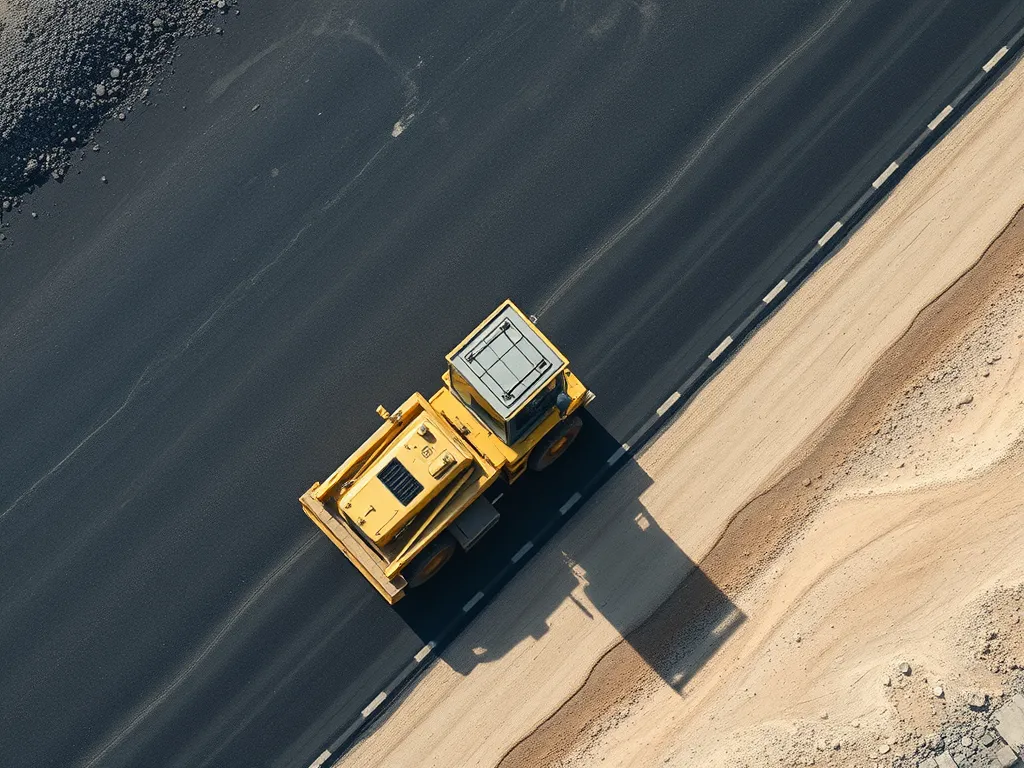
Nuclear density gauges emit gamma rays to measure in-place density without drilling cores. Operators check readings against lab-mixed samples—targets typically range from 92-98% for surface courses. This non-destructive method provides instant feedback, letting crews adjust vibratory roller passes in real time to fix low-density zones.
Understanding 95% Compaction in Specifications
“95% compaction” means achieving 95% of the Proctor test’s max density. This benchmark balances cost with performance—higher values improve durability but require more roller passes. For asphalt, specs often pair this with 3-7% air voids. Falling below 95% risks rutting; exceeding it may cause brittleness.
Selecting the right compaction techniques impacts project budgets and pavement life. Next, we’ll compare the upsides and downsides of common methods.
Pros and Cons Of Asphalt Compaction Techniques
Each method to pack asphalt has trade-offs. Pick based on job size, mix type, and budget.
Vibratory Rollers: Speed Vs. Surface Flaws
Vibratory rollers press asphalt fast using shake force. They cut work time by 30-50% on large sites. But the shake can cause cracks or waves in thin layers. Crews often pair them with static rollers to fix flaws.
Static Rollers: Smooth Finish Vs. Shallow Press
Static rollers use heavy weight for flat tops. They excel on thin lifts (1-2 inches) like driveways. Their wide drums spread force, limiting depth. Thick layers or big stone mixes may need 8-10 passes to hit 95% density.
Pneumatic Rollers: Bend Vs. Budget
Pneumatic rollers have air-filled tires that bend to uneven ground. Adjust tire pressure (50-100 psi) to match the mix. This stops marks and gaps in soft spots. But these rollers cost $150-$200 per hour, 20% more than vibratory types.
Matching gear to soil compaction methods and site needs saves time and cash. Next, we’ll see how these picks affect the world around us.
Environmental Considerations
Asphalt work must balance job needs with care for our planet. New tools and steps cut harm while still meeting specs.
Energy Efficiency in Compaction Equipment
New rollers use less fuel but pack more punch. Tier 4 engines in vibratory rollers slash diesel use by up to 15% versus old models. Hybrid units mix gas power with battery packs, trimming carbon output by a third on long jobs. Smart tech in soil compacting gear auto-adjusts force based on ground feel, wasting less juice.
Noise Reduction Strategies
Compactors can hit 85 dB – like loud traffic. Crews now use pads that dampen drum buzz by 20%. Enclosed cabs block 50% more sound for workers. For soil compaction methods near homes, crews swap night shifts for daytime hours. Some sites use electric plate packers that hum at 72 dB, softer than gas models.
Smart gear picks and timing help crews hit density goals while keeping neighbors happy. Next, let’s tackle common questions crews face when choosing how to compact dirt and asphalt.
Frequently Asked Questions
What Are the Primary Methods Of Asphalt Compaction?
The primary methods of asphalt compaction include vibratory compaction, static compaction, impact/kneading compaction, and combination techniques. Each method employs different mechanics to achieve optimal density and stability of asphalt layers.
How Do the Four Soil Compaction Types Relate to Asphalt Base Layers?
The four soil compaction types (static, dynamic, impact, and kneading) are adapted in asphalt applications to ensure adequate stability and density in base layers. Understanding these methods helps in selecting the right equipment and techniques for effective asphalt compaction.
What Does “95% Compaction” Mean for Asphalt Projects?
“95% compaction” refers to achieving 95% of the maximum density established by Proctor testing for the specific material. This level of compaction is critical for ensuring the durability and longevity of the asphalt pavement.
Which Techniques Prevent Asphalt Raveling?
To prevent asphalt raveling, techniques such as using proper compaction methods, maintaining optimal material temperatures during application, and ensuring appropriate layer thicknesses are crucial. Employing pneumatic rollers can also help achieve uniform density and stability, reducing the risk of raveling.
Closing Thoughts
Asphalt compaction is a vital aspect of paving projects. Every technique, from vibratory to pneumatic rollers, plays a role in enhancing pavement performance. Selecting the appropriate method requires considering factors like material temperature, layer thickness, and equipment capabilities. Each method has its strengths and weaknesses, making careful evaluation crucial.
As you proceed with your asphalt projects, remember the importance of quality control and testing. Ensuring that the compaction meets specified standards significantly contributes to the longevity and durability of the pavement.
For more information on asphalt compaction and related topics, visit Asphalt Calculator USA.
Additional Resources for You:
- National Asphalt Pavement Association (NAPA, Industry Reports & Best Practices)
- Concrete Compaction Methods For Durable Structures | UltraTech Cement
- Soil Compaction: Definition, Importance, Methods, Tests & Factors Affecting it
- Dynamic compaction | Keller Group plc
- What are the Methods of Compaction? – Construction Technology Partners