Mastering Asphalt Maintenance: Solutions for Lasting Pavement
Published on: March 20, 2026 | Last Updated: April 14, 2025
Written By: George Voss
Overcoming challenges in asphalt maintenance means tackling weather damage, budget limits, and material failures through proven strategies and new technologies. Freeze-thaw cycles crack surfaces, potholes grow from untreated cracks, and poor drainage washes out bases – but infrared asphalt repair, polymer-modified mixes, and Recycled Asphalt Pavement (RAP) cut costs by up to 25% while boosting durability. This article breaks down how to spot early damage, choose the right repair method, and use tools like warm mix asphalt to fix roads faster.
We’ll show you how to balance immediate repairs with long-term pavement life. Learn about sealcoating techniques that prevent water intrusion, data-driven budget planning using asphalt calculators, and real cases where cities saved 30% on maintenance costs. Discover why polymer additives extend surface life by 15 years and how low-VOC sealants meet environmental standards without sacrificing performance.
Contents
- Understanding Common Asphalt Maintenance Challenges
- Best Practices for Successful Asphalt Upkeep
- Innovative Solutions to Asphalt Repair Obstacles
- Cost-efficient Plans to Beat Asphalt Care Hurdles
- Essential Tools and Products for Tackling Asphalt Difficulties
- Real-world Case Studies: Solving Asphalt Maintenance Roadblocks
- Environmental Considerations in Asphalt Maintenance Solutions
- Frequently Asked Questions About Asphalt Maintenance Challenges
- Closing Thoughts
- Additional Resources for You:
Understanding Common Asphalt Maintenance Challenges
Asphalt surfaces face constant stress from traffic loads and environmental factors. Recognizing these challenges early prevents minor issues from becoming structural failures.
Identifying Key Signs Of Asphalt Damage
Early detection cuts repair costs by 30-50% compared to full-depth reconstruction. Focus on three primary failure modes:
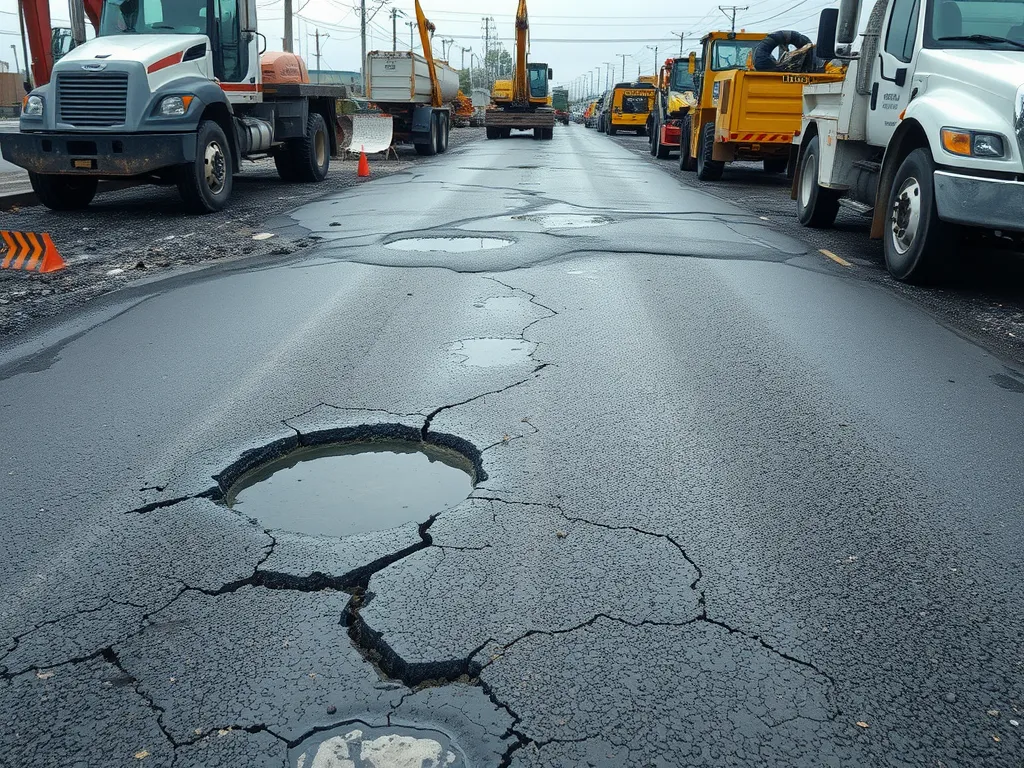
Cracks, Potholes, and Surface Degradation
- Alligator cracks: Interconnected web patterns signaling base failures
- Edge cracks: 1/4″-wide fissures from poor drainage or shoulder erosion
- Potholes: Bowl-shaped voids exceeding 2″ depth requiring immediate patching
Unsealed cracks allow 300+ gallons of water infiltration per linear foot annually – a leading cause of pavement subbase erosion.
Consequences of Delayed Asphalt Repairs
A single untreated crack can expand 3x faster in freeze-thaw regions, doubling repair costs within 18 months. Deferred maintenance reduces pavement life expectancy by 40% in high-traffic areas (8+ years vs. 12-15 years).
Budget Constraints and Resource Allocation
Municipalities allocate 12-18% of transportation budgets to pavement preservation. Strategic planning maximizes ROI through:
Balancing Costs with Long-Term Pavement Performance
- Life-cycle cost analysis (LCCA) comparing $0.25/sq.ft crack sealing vs $2.50/sq.ft overlay
- Pavement condition indexing (PCI) to prioritize repairs scoring below 60/100
- Recycled asphalt pavement (RAP) mixes reducing material costs by 20-35%
Weather-related Asphalt Maintenance Difficulties
Temperature extremes dictate 85% of maintenance scheduling constraints. Northern states face 50+ annual freeze-thaw cycles accelerating pavement deterioration.
Impact of Freeze-Thaw Cycles on Asphalt Integrity
Water expands 9% when frozen, generating 150-300 psi pressure within pavement voids. This repeated stress:
- Reduces asphalt binder adhesion by 40% after 5 cycles
- Creates frost heaves exceeding 3″ vertical displacement
- Shortens effective repair windows to 55°F+ temperatures
While recognizing these asphalt maintenance barriers is vital, targeted solutions exist to combat even the most persistent pavement problems. The next section details field-tested methods for preserving asphalt integrity across varying conditions.
Best Practices for Successful Asphalt Upkeep
Strong asphalt upkeep requires mixing smart planning with proven tactics. Focus on stopping small flaws from growing into costly repairs while maximizing pavement longevity.
Implementing a Proactive Asphalt Maintenance Strategy
Anticipating issues beats fixing failures. A forward-thinking asphalt maintenance strategy cuts long-term costs by up to 50% compared to reactive methods.
Regular Inspections and Quick Problem Identification
Twice-yearly checks spot early warning signs like hairline cracks (under 1/4″) or raveling. Use infrared scans to find hidden voids or moisture. Document findings with GPS mapping for priority repairs.
Preventive Measures to Boost Asphalt Longevity
Invest $0.15-$0.25 per square foot in protection now or pay $1.50+/sq ft later for reconstruction. Key tactics block water intrusion – asphalt’s top enemy.
Sealcoating and Crack Sealing Tactics
| Method | Best Use | Frequency | Cost/Sq Ft |
|---|---|---|---|
| Coal tar sealant | High-traffic zones | 2-3 yrs | $0.18 |
| Asphalt emulsion | Parking lots | 3-4 yrs | $0.14 |
| Rubized crack filler | >1/2″ cracks | As needed | $0.35/lin ft |
Tackling Frequent Asphalt Fixing Hurdles
Poor compaction (under 92% density) causes 60% of premature failures. Fixing subpar jobs demands systematic action.
Step-by-Step Guide to Fixing a Bad Asphalt Job
- Cut out failing sections with a masonry saw (4″ beyond damage)
- Clear debris and dry base with hot air lance
- Apply PG 64-22 binder at 300°F
- Compact fresh mix in 2″ lifts using 8-ton roller
Modern tools now allow lasting fixes in cold conditions down to 40°F. Up next: how new materials slash repair times while boosting durability.
Innovative Solutions to Asphalt Repair Obstacles
New methods tackle old asphalt issues. Mixes and tools now beat cracks, potholes, and wear. These steps cut costs and boost road life.
Advanced Materials for Durable Asphalt Repairs
Strong products make fixes last longer. They handle heavy loads, harsh weather, and daily wear. These blends stop small flaws from growing big.
High-Performance Sealants and Polymer-Modified Asphalt
Top sealants work in hot or cold. They stick fast and block cracks for 5+ years. Costs drop 20% with less repeat fixes. Polymer-blend asphalt (asphalt mixed with plastic-like binders) bends but won’t snap. It stays strong from -40°F to 200°F.
Technology-driven Asphalt Maintenance Solutions
New tools speed up repair jobs. They cut work time, boost safety, and save cash. From heat guns to smart mix, tech changes the game.
Infrared Asphalt Repair for Seamless Patching
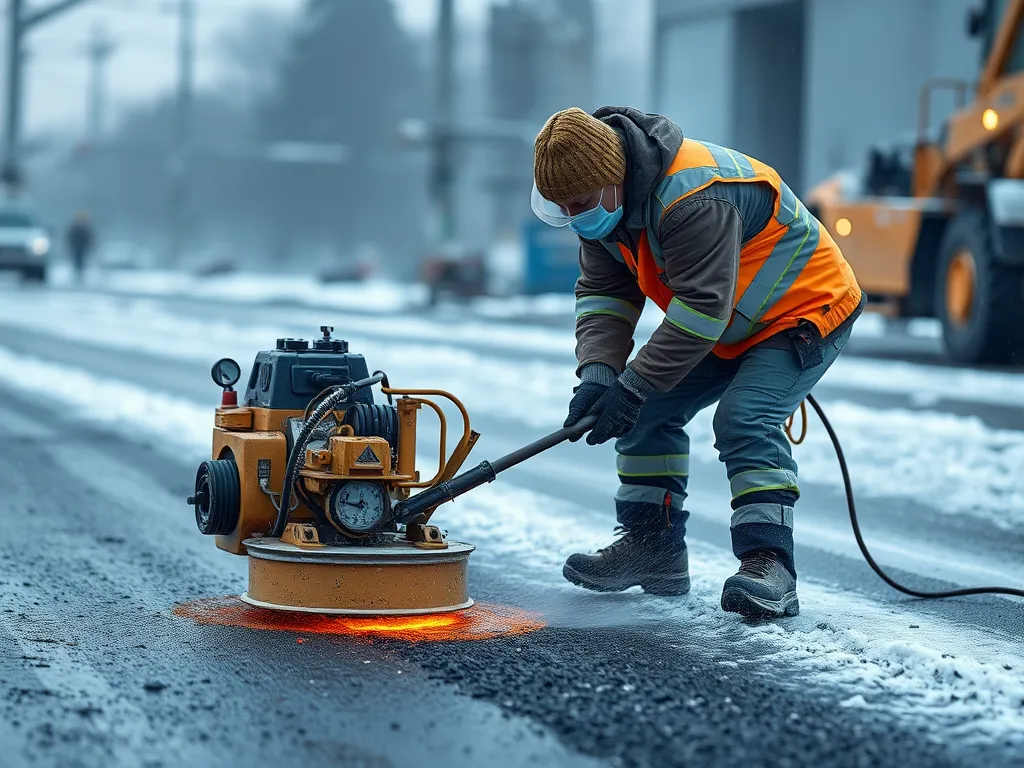
Heat rays fix spots in one hour. They melt old asphalt to bond new mix. No seams mean no new cracks. Works in wet or dry, any season.
Warm Mix Asphalt Technology for Faster Repairs
Warm mix needs less heat to pour. Sets 30% quicker, so roads open fast. Cuts fuel use by half in some cases. Made at 250°F vs 300°F for standard hot mix.
These smart fixes solve asphalt repair challenges while keeping costs low. Next, see how to stretch budgets without skimping on quality.
Also See: How Much to Reseal Asphalt Driveway? Cost Factors
Cost-efficient Plans to Beat Asphalt Care Hurdles
Handling Asphalt Care Funds
Smart fund use starts with clear goals. Focus on fixes that stop small flaws from growing. Track road health with simple checks each season.
Rank Fixes by Damage Level and Use
Not all cracks need quick action. Rate flaws using a 1-3 scale:
| Level | Action | Traffic Impact |
|---|---|---|
| 1 (Minor) | Monitor | Low |
| 2 (Moderate) | Seal within 60 days | Medium |
| 3 (Severe) | Repair within 14 days | High |
Fix high-traffic zones first to cut user delays and legal risks.
Smart Material Use for Lower Costs
New tech like RAP (Recycled Asphalt Pavement) blends 30% reused mix. This cuts costs by $8-$15 per ton. PG binders (asphalt glue grades) last 2x longer in harsh climates.
Use Asphalt Tools for Exact Amounts
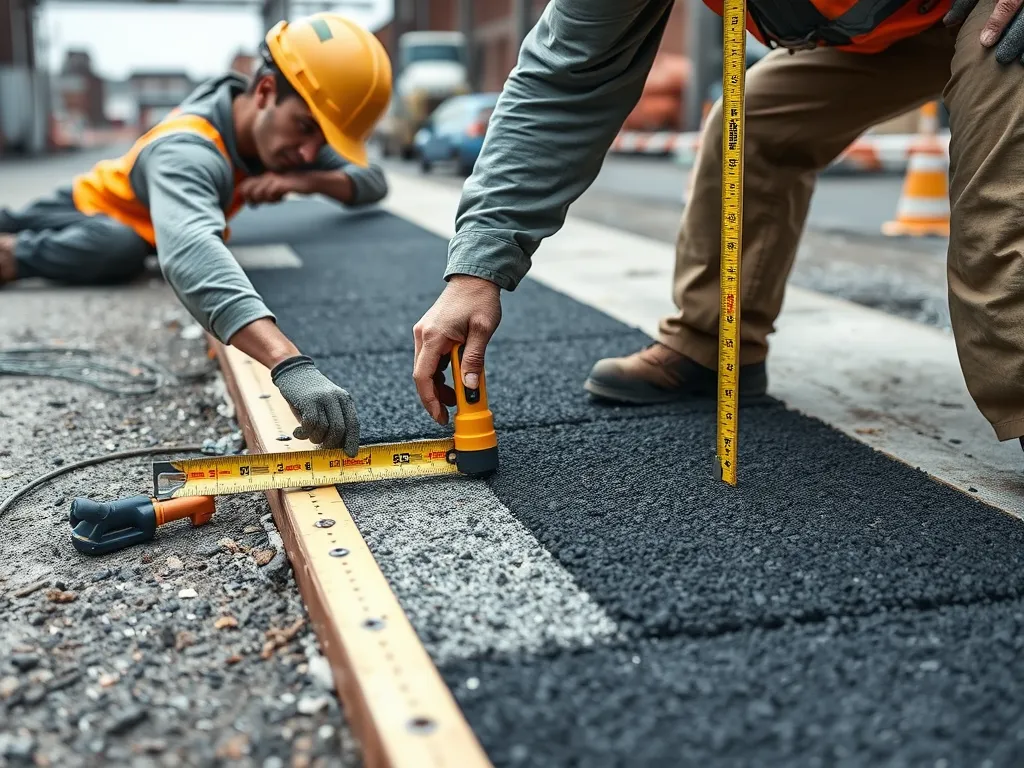
Asphalt tools measure length x width x depth to find mix needs. A 10’x20’x3” patch needs 1.85 tons. Wrong math wastes up to 10% per job. Free online tools slash errors to under 3%.
With funds and materials set, the next step picks gear that speeds work while keeping crews safe.
Essential Tools and Products for Tackling Asphalt Difficulties
Quality tools and materials form the backbone of successful asphalt maintenance. Selecting the right gear directly impacts your ability to solve asphalt maintenance problems efficiently while extending pavement life by 30-50%.
Must-have Equipment for Asphalt Repair Challenges
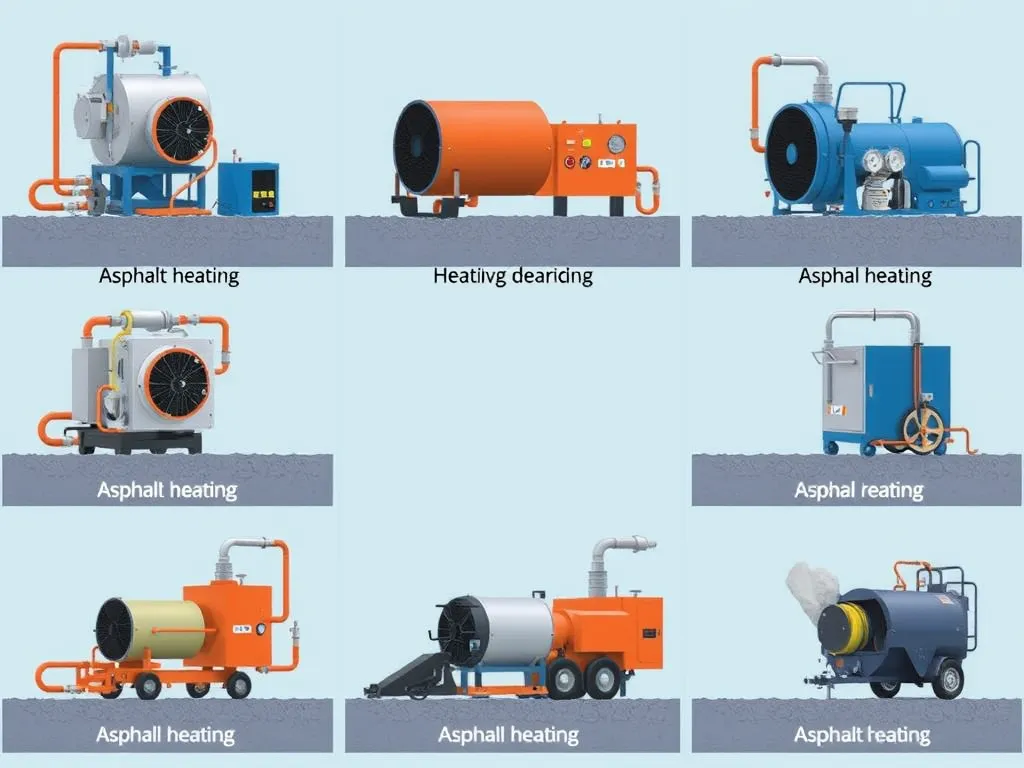
Infrared heaters (reaching 300-350°F) and crack cleaning machines (150-200 PSI) tackle asphalt repair obstacles head-on. Tampers with 1,500-2,000 lb compaction force ensure lasting fixes for potholes. Without these, temporary patches fail within months.
Squeegees vs. Brushes: Choosing the Right Application Tool
Squeegees spread sealant evenly across 500-1,000 sq ft per hour—ideal for parking lots. Brushes reach deep into 1/4″ cracks on roads. Rubber-blade squeegees reduce material waste by 15% compared to stiff bristle brushes.
Selecting Quality Asphalt Maintenance Products
Premium sealcoating mixes (40-50% solids content) outlast budget options 3:1. Polymer-modified crack fillers withstand -20°F to 120°F temperature swings. Cold patch asphalt with 85% aggregate density stays stable under heavy trucks.
Long-Lasting Sealcoating Materials and Their Applications
Coal tar sealants (95% UV resistance) protect high-traffic areas for 3-5 years. Asphalt-based emulsions (quick-drying) suit driveways needing same-day use. Acrylic formulas (100% reflective) enhance visibility on airport runways.
Equipping crews with these solutions transforms asphalt maintenance roadblocks into manageable tasks. Next, we’ll examine how real-world projects apply these tools to conquer complex pavement issues.
Real-world Case Studies: Solving Asphalt Maintenance Roadblocks
These field-tested examples demonstrate practical methods for tackling asphalt repair challenges. Learn how teams adapted strategies to address complex asphalt maintenance barriers under pressure.
Case Study: Managing Large-scale Parking Lot Repairs
A Midwest shopping center faced asphalt maintenance difficulties across its 850-space lot. Crews encountered alligator cracking in 40% of the surface and 22 severe potholes. Initial plans called for full-depth repairs using PG 64-22 binder mix.
Lessons Learned from Unexpected Weather Setbacks
A late spring freeze-thaw cycle ruined freshly laid patches. The team switched to infrared asphalt repair technology, achieving 98% material reuse and cutting labor hours by 35%. Key takeaways:
- Monitor 15-day weather forecasts religiously
- Stockpile polymer-modified asphalt for cold-weather work
- Budget 20% extra time for climate-related delays
Case Study: Solving Chronic Drainage Issues in Roadways
A Pennsylvania township reduced pavement failures by 62% after reengineering problem areas. Standing water had caused repeated base failures along 3.2 miles of roadway. The fix combined three asphalt maintenance solutions:
- 1.5% cross-slope redesign for runoff control
- Trench drains spaced every 85 feet
- Porous asphalt shoulders with 23% void space
This $287,000 project eliminated 92% of drainage-related potholes within 18 months.
These field-proven methods show how adaptive strategies defeat asphalt maintenance barriers. Next, we’ll examine how environmental factors shape modern pavement preservation approaches.
Environmental Considerations in Asphalt Maintenance Solutions
Balancing pavement preservation with ecological responsibility ranks high among modern asphalt maintenance challenges. New methods tackle repair obstacles while cutting environmental footprints.
Eco-friendly Approaches to Asphalt Repair
Green asphalt maintenance solutions reduce resource use without compromising durability. Agencies now prioritize techniques that merge performance with planetary care.
Recycled Asphalt Pavement (RAP) Implementation
RAP reuses 90-100% of existing asphalt materials, slashing landfill waste by 60 million tons annually. Processed through milling and crushing, RAP blends fresh binder to restore roads at 30-50% lower costs. Caltrans reports RAP mixes in 90% of California highway repairs, maintaining PSI ratings above 85 while conserving 350,000 barrels of bitumen yearly.
Reducing Environmental Impact During Maintenance
Every repair phase offers chances to minimize ecological harm. From material choices to application methods, innovation drives progress.
Low-VOC Sealants and Sustainable Material Sourcing
Water-based sealants with under 150 g/L VOC content cut emissions by 65% versus traditional coal-tar products. Pennsylvania’s 2023 roadway projects used bio-based binders from soybean oil, extending sealant life by 3 years. Local aggregate sourcing within 50-mile radii further reduces transport emissions – a key factor in New York City’s 12% carbon cut during 2022 pothole repairs.
These strategies prove eco-conscious methods effectively solve asphalt maintenance problems. Up next: Answers to frequent queries about handling pavement preservation hurdles.
Frequently Asked Questions About Asphalt Maintenance Challenges
What Are the Most Effective Asphalt Maintenance Strategies?
Effective strategies encompass proactive maintenance plans, regular inspections, timely repairs, and the use of high-quality materials. Implementing a combination of these tactics can significantly extend the lifespan of asphalt surfaces and prevent costly repairs.
What Challenges Does the Asphalt Industry Face Today?
The asphalt industry currently faces challenges such as budget constraints, increasing traffic loads, climate change impacts, and the need for sustainable practices. Additionally, there are hurdles related to the availability and quality of materials, along with evolving regulations that manufacturers must comply with.
Is Asphalt Maintenance More Difficult Than Other Materials?
Asphalt maintenance has unique challenges, particularly due to its vulnerability to weather conditions and the stress of heavy traffic. While it may require more frequent attention compared to other materials like concrete, advancements in materials and technology have streamlined the maintenance process.
How Can Professionals Fix Poor-quality Asphalt Work?
To address subpar asphalt work, professionals should first assess the extent of the damage by inspecting for settling or cracking. A systematic approach to repair might include cutting out affected sections, ensuring proper base preparation, and utilizing high-quality asphalt mixtures to re-patch the area effectively.
What Innovative Materials Are Being Used in Asphalt Maintenance?
Current innovative materials include polymer-modified asphalts, high-performance sealants, and recycled asphalt pavement (RAP). These options enhance the durability and longevity of repairs while reducing costs and environmental impact.
How Do Weather Conditions Affect Asphalt Maintenance?
Extreme weather conditions, particularly freeze-thaw cycles, significantly affect asphalt integrity by causing cracks and surface degradation. Maintenance schedules often need to adapt to seasonal changes to ensure optimal repair results.
What Are the Long-term Benefits Of Proactive Asphalt Maintenance?
Proactive asphalt maintenance leads to enhanced surface lifespan, lower long-term costs due to reduced need for extensive repairs, and improved safety for road users. It also minimizes disruptions from unexpected failures, which can save time and resources.
Closing Thoughts
Overcoming challenges in asphalt maintenance requires a combination of proactive strategies, advanced technology, and efficient resource management. Regular inspections and timely repairs are critical for extending the lifespan of asphalt surfaces. By addressing issues like cracks and potholes quickly, stakeholders can avoid more costly repairs later.
Innovation plays a crucial role in modern asphalt maintenance. Utilizing high-performance materials and advanced repair techniques, such as infrared asphalt repair, can enhance durability while saving time and costs. Eco-friendly practices, including the use of recycled asphalt pavement, further lower environmental impact.
Ultimately, success hinges on informed decision-making. Prioritize repairs, optimize budgets, and select quality maintenance products to tackle any asphalt challenge. For further insights and tools to assist in your asphalt maintenance journey, visit Asphalt Calculator USA.
Additional Resources for You:
- ASTM International (Asphalt & Pavement Standards)
- Overcoming Challenges and Quality Work Leads to Award Winning Job | For Construction Pros
- 3 Major Challenges of Running a Successful Pavement Maintenance Business
- Asphalt Road Pavements to Address Climate Change Challenges—An Overview
- 5 Key Issues Facing the Asphalt Industry | For Construction Pros