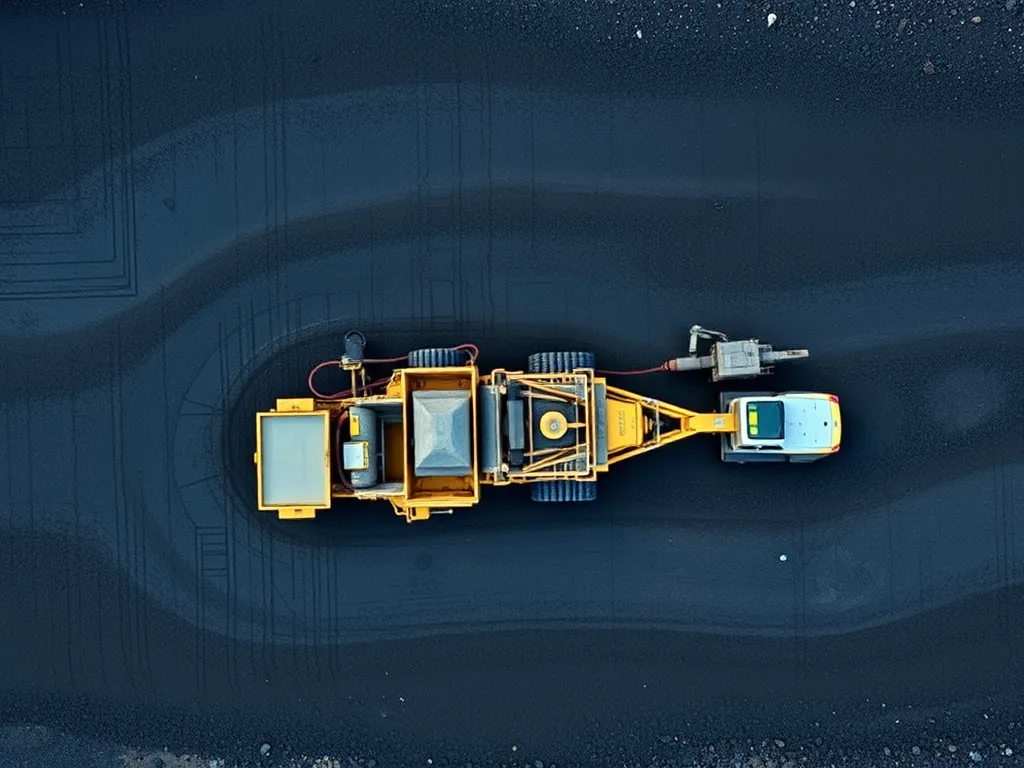
Nighttime Safety Measures With Asphalt
Published on: March 19, 2026 | Last Updated: April 14, 2025
Written By: George Voss
Nighttime safety measures with asphalt use specialized designs and materials to boost road visibility and durability after sunset. The dark gray surface of asphalt reduces headlight glare while creating contrast for white/yellow lane markings. Reflective additives like glass beads or crushed quartz get mixed into the pavement, bouncing light back to drivers. Common techniques include retroreflective coatings that shine under headlights, thermoplastic striping that stays bright for 5-7 years, and porous asphalt that drains water to prevent glare.
This article breaks down how asphalt’s properties improve nighttime safety. We’ll explore light-reflecting mixes, durable marking methods, and work zone protocols for night paving. You’ll learn about temperature requirements for installing asphalt after dark, cost-effective recycled mixes, and solar-powered road lights. We’ll also cover safety gear for crews and answer common questions about moisture limits or prohibited weather conditions.
Contents
- Importance Of Nighttime Asphalt Safety
- Asphalt’s Role in Nighttime Road Safety
- Enhancing Asphalt Visibility for Night Safety
- Nighttime Asphalt Work Precautions
- Cost-effective Night Safety Strategies
- FAQs: Nighttime Asphalt Safety
- Final Recommendations
- FAQs: Nighttime Asphalt Safety
- Closing Thoughts
- Additional Resources for You:
Importance Of Nighttime Asphalt Safety
Night driving accounts for 49% of fatal crashes despite lower traffic volumes. Asphalt’s unique properties address risks amplified by darkness, making it critical for safe nighttime travel.
Why Nighttime Road Safety Demands Asphalt-specific Solutions
Asphalt outperforms concrete in low-light conditions due to light-absorbing qualities. Its dark surface reduces glare from vehicle headlights by 30-40% compared to lighter pavements. Specialized mixes combat challenges like dew formation – a key factor in 22% of night crashes – through porous asphalt designs draining 5,000 gallons per hour.
Reduced Visibility Risks and Asphalt’s Role in Mitigation
Asphalt’s jet-black base enhances retroreflective pavement markings, increasing stripe visibility by 150 feet at 55 mph speeds. Modified mixes with crushed quartz or glass aggregates achieve 75 mcd/m²/lx retroreflection levels without external lighting. Thermoplastic lane lines applied over asphalt maintain 90% reflectivity for 5+ years, critical for aging drivers needing 4x more light than 25-year-olds.
Next, we examine how engineered asphalt materials actively improve visibility after sunset through advanced surface technologies.
Asphalt’s Role in Nighttime Road Safety
Road surfaces built with optimized mixes directly improve visibility while driving after sunset. Specific material choices ensure clear lane definition while withstanding unique evening challenges.
Material Properties Enhancing Nighttime Visibility
Modern asphalt mixes integrate components designed to boost reflectivity under headlights. These innovations reduce glare while helping drivers discern road edges.
Dark Color Contrast for Lane Markings
The deep gray-black hue creates sharp contrast with white or yellow striping. Studies show this improves lane detection by up to 40% compared to lighter pavements. Reflectivity levels exceeding 250 millicandelas per square meter (mcd/m²) meet federal mandates for low-light conditions.
Reflective Aggregate Additives in Asphalt Mixes
Crushed glass, synthetic beads, or light-reflective stones embedded in the surface layer bounce back vehicle headlights. These aggregates maintain 80-90% reflectivity over 5+ years when mixed at 15-20% volume. Projects using PG 76-22 polymer-modified binders show superior aggregate retention.
Durability Under Low-light Conditions
Evening temperature swings demand materials resisting cracking or deformation. Night-specific mixes prioritize flexibility between 20°F (-6°C) to 110°F (43°C) to prevent surface defects.
Resistance to Weather-Related Wear at Night
Superpave designs with high-density gradation combat frost heave while shedding moisture. Modified binders mixed with 1-3% recycled tire rubber reduce ice formation by 30% compared to conventional asphalt. These surfaces maintain friction coefficients above 0.5 even when damp.
Beyond material science, surface treatments further boost visibility. Next, we’ll explore coatings that turn pavement into light-emitting guides.

Enhancing Asphalt Visibility for Night Safety
Creating visible road surfaces under low-light conditions requires specialized treatments. Modern techniques combine material science with smart design to boost nighttime safety while maintaining pavement performance.
High-visibility Asphalt Surfaces
Innovative surface treatments make roads more reflective without compromising durability. These solutions work with standard asphalt mixes while meeting DOT specifications for skid resistance.
Glass Bead-Infused Asphalt Coatings
Sealcoats containing 25-40% glass beads create instant reflectivity. When mixed with polymer-modified emulsions, these coatings reflect headlights up to 500 feet ahead. Projects using PG 76-22 binder grades see 3-5 years of maintained retroreflectivity before recoating.
Retroreflective Pavement Treatments
Thin overlay systems with embedded prismatic reflectors redirect light back to drivers. The Texas DOT’s 2023 pilot project showed 62% fewer nighttime collisions on treated stretches. These micro-surface applications bond tightly to existing asphalt through hydraulic compaction.
Strategic Pavement Marking Techniques
Contrast plays critical roles in nighttime navigation. Properly applied markings improve lane detection by 80% compared to unmarked surfaces, per FHWA studies.
Thermoplastic Striping on Asphalt
Hot-applied thermoplastics with 1.5mm glass beads provide superior night visibility. These 4-6mm thick stripes maintain reflectivity for 2-3 years under traffic. Installation requires surface temps between 50-85°F for optimal bonding.
Preformed Tape Applications
Pressure-sensitive tapes with retroreflective sheeting offer instant results. The Michigan DOT’s 2022 specs call for tapes with ≥250 millicandelas/lux/m² reflectivity. Properly installed using propane torches, these last 5-7 years before replacement.
While these visibility boosters significantly improve safety, their effectiveness depends on proper installation under specific conditions. Next, we’ll examine protocols for implementing night safety measures during paving operations.
Also See: How to Budget for an Asphalt Project: Save Money
Nighttime Asphalt Work Precautions
Night paving demands strict protocols to maintain quality while protecting crews and drivers. Cooler temperatures and limited visibility create unique challenges requiring asphalt-specific solutions.
Essential Safety Protocols for Night Paving
Successful evening asphalt projects rely on precise material handling and environmental controls. Two factors dominate: temperature management and moisture prevention.
Minimum Temperature Requirements for Asphalt Installation
Asphalt mixes require ground temps above 50°F (10°C) for proper compaction. Below this threshold, binders like PG 64-22 harden too quickly, causing premature cracking. Infrared thermometers monitor surface heat, while thermal blankets extend working time by 15-20 minutes per 10°F drop.
Moisture Control During Evening Applications
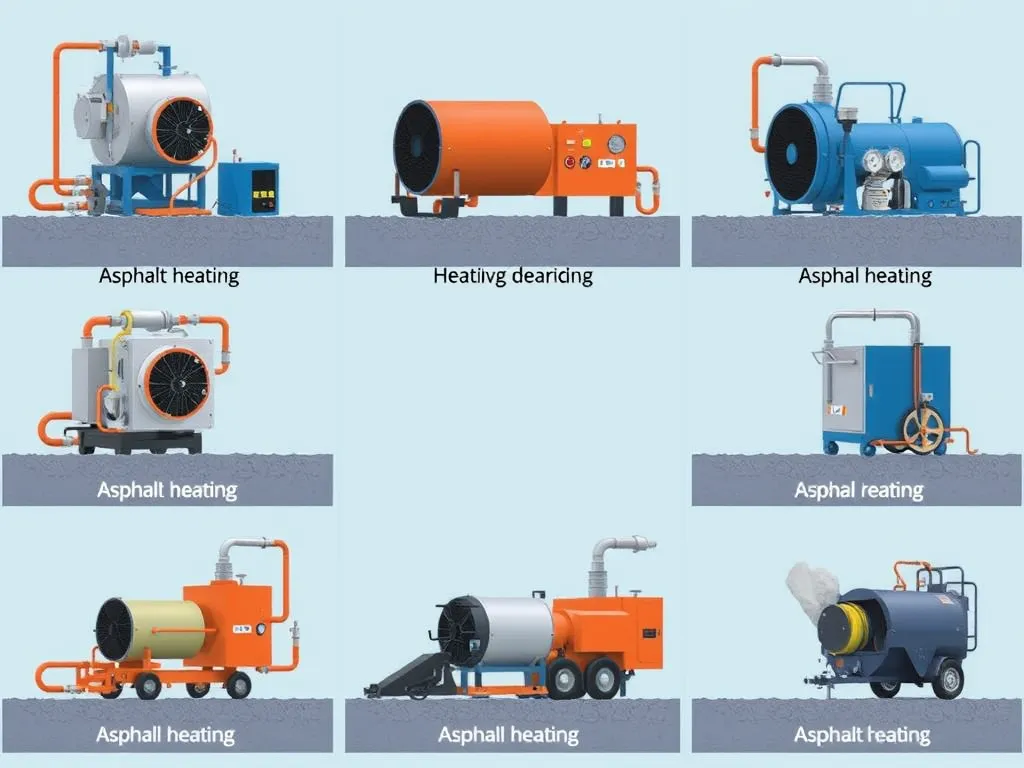
Nighttime humidity above 80% risks moisture entrapment in asphalt layers. Paving crews employ moisture meters to ensure aggregates stay below 2% water content. Diesel-powered hot air lances remove dew from existing pavement, maintaining bond strength between layers.
Worker Safety Measures
Low-light conditions increase accident risks for paving teams. The National Institute for Occupational Safety (NIOSH) reports 63% fewer incidents when combining enhanced PPE with optimized lighting.
High-Visibility PPE for Asphalt Crews
ANSI 107-2020 Class 3 certified gear is mandatory after dusk. Key elements include:
- Lime-yellow retroreflective vests with 360° visibility
- LED-embedded hard hats (50+ lumens)
- Gloves with 1″ wide reflective stripes
Lighting Requirements for Nighttime Paving Zones
Work areas need 50 lux minimum illumination per OSHA standards. Crews deploy:
- Portable light towers (4x 1000W metal halide)
- Low-glare LED bar lights on equipment
- Flashing amber markers at 200′ intervals
With proper safeguards in place, teams can focus on implementing cost-effective visibility enhancements discussed next.
Cost-effective Night Safety Strategies
Smart plans cut costs while boosting night road safety. Use asphalt tweaks that save cash but keep roads safe after dark.
Budget-friendly Asphalt Modifications
Simple changes make roads safer at night without high costs. Focus on recycled goods and smart upkeep.
Recycled Materials in Safety-Enhanced Mixes
Old asphalt (RAP) mixed with new binds saves 15-30% per ton. Add glass beads or quartz to boost reflectivity. These blends meet PG 64-22 specs for night wear.
Long-Term Maintenance Planning
Fix cracks fast with rubberized sealants. Plan slurry seals every 3-5 years. Track road health with laser scans to spot weak zones early.
Eco-friendly Night Visibility Solutions
Green tech lights up roads while saving energy. Solar and LED options slash power use by 40-60%.
Solar-Powered Embedded Asphalt Lights
LED strips set in road edges charge by day. Each unit lasts 5-7 years. Install every 30 feet for clear lane guides at night.
Low-Energy LED Roadway Integration
Thin LED strips glue to asphalt surfaces. Use 2 watts per foot. Pair with motion sensors to brighten when cars approach.
FAQs: Nighttime Asphalt Safety
Common questions about safe night work and road use.
Can You Pave Roads at Night?
Yes, if temps stay above 50°F. Use heated rigs and portable light towers (50,000 lumens min).
What Are the Essential Asphalt Safety Precautions After Dark?
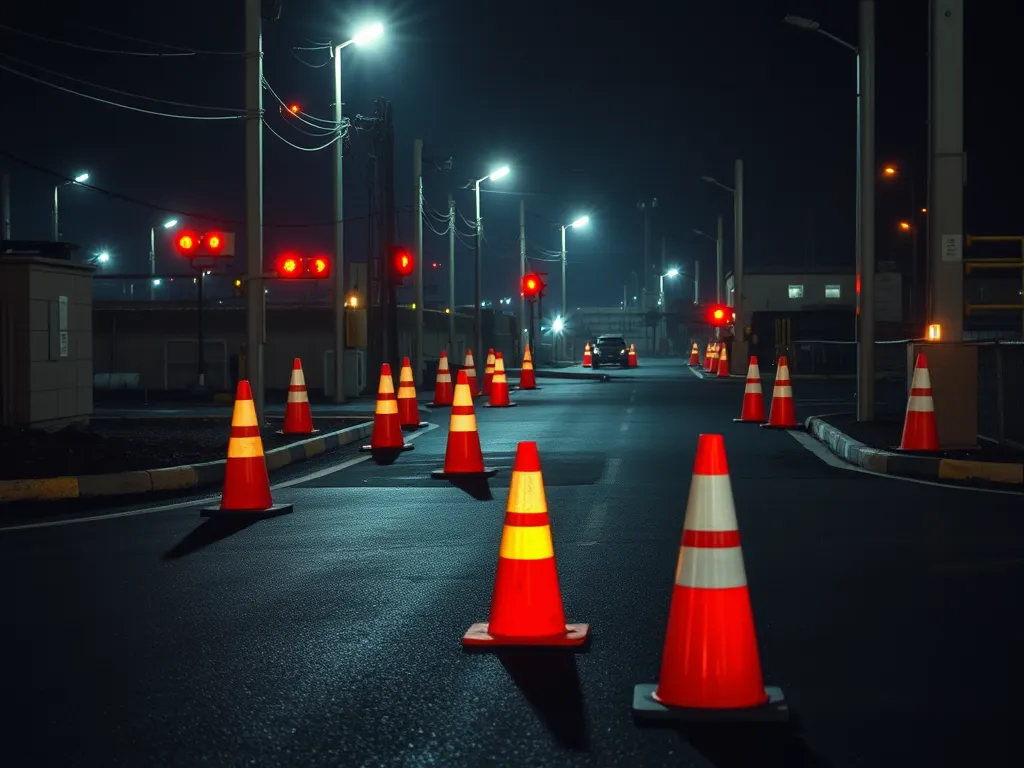
Check all lights work. Mark zones with glow cones. Test surface grip with British Pendulum meters.
What Weather Conditions Prohibit Nighttime Asphalt Work?
Stop work if rain falls or temps drop below 45°F. Frost kills fresh asphalt bonds in minutes.
What PPE is Required for Nighttime Asphalt Operations?
Class 3 vests, hard hats with clip lights, heat-proof gloves. Boots with ankle support and slip-proof soles.
Final Recommendations
Key steps for safe, smart night roads.
Prioritizing Visibility in Asphalt Design
Pick light-gray aggregates. Add retro-reflective chips to surface courses. Use 1.5mm glass beads in line paint.
Balancing Safety and Cost in Night Projects
Mix 20% RAP with new asphalt. Pair solar lights with high-spec binder (PG 76-16). Audit sites yearly to cut repair costs by half.
Next, we’ll break down real-world case studies that put these night safety fixes to the test.
FAQs: Nighttime Asphalt Safety
Common questions about safe night work and road use.
Can You Pave Roads at Night?
Yes, if temperatures stay above 50°F. Use heated rigs and portable light towers (50,000 lumens minimum) for adequate visibility and safety.
What Are the Essential Asphalt Safety Precautions After Dark?
Ensure all lights are operational, mark zones with glow cones, and test surface grip with British Pendulum meters to maintain safety standards.
What Weather Conditions Prohibit Nighttime Asphalt Work?
Work should cease if it starts to rain or if temperatures drop below 45°F, as frost can damage fresh asphalt bonds within minutes.
What PPE is Required for Nighttime Asphalt Operations?
Nighttime operations require Class 3 vests, hard hats equipped with clip lights, heat-proof gloves, and boots that provide ankle support and slip resistance.
Closing Thoughts
Implementing effective nighttime safety measures with asphalt is vital for reducing accidents and ensuring safe travel. The interplay of asphalt properties and innovative techniques enhances visibility, making roads safer after dark. High-visibility mixes and strategic markings stand out, providing clearer guidance for drivers. Worker safety protocols and proper materials further bolster efforts to create a secure environment for nighttime paving.
Budget-friendly modifications, like recycled materials and low-energy lighting solutions, not only promote safety but also protect the environment. Adapting pavement design to address nighttime challenges yields long-term benefits for both communities and construction budgets.
For more information on asphalt solutions and safety measures, visit Asphalt Calculator USA.
Additional Resources for You:
- Yoder, E. J., & Witczak, M. W. (1975). Principles of Pavement Design (2nd ed.). New York, NY: Wiley.
- Road Construction at Night: Pros and Cons – Reliable Contracting Co. Inc.
- Nighttime Visibility – Safety | Federal Highway Administration
- Daytime and nighttime color appearance of pigmented asphalt surface treatments – ScienceDirect
- Nighttime Road Paving Poses Challenges in the Dark | Construction Equipment