Navigating Autonomous Vehicle Impact on Asphalt Design
Published on: March 18, 2026 | Last Updated: April 14, 2025
Written By: George Voss
Autonomous vehicles are transforming asphalt design through precision-driven requirements and material innovations. Traditional road surfaces must now accommodate machine-vision systems, precise lane tracking, and consistent sensor performance. Engineers now prioritize ultra-smooth textures, high-contrast markings, and enhanced durability to meet AV navigation demands. These changes address both vehicle safety and infrastructure longevity in mixed-traffic environments.
This article breaks down how self-driving technology reshapes pavement engineering. Explore key topics including sensor-friendly asphalt mixes, smart pavement systems, and structural upgrades for AV-specific loads. Learn about maintenance strategies for autonomous lanes, cost implications of embedded tech, and sustainable material solutions. Each section provides actionable insights for adapting roads to the driverless future.
Contents
- Autonomous Vehicle Influence on Asphalt Road Design
- Asphalt Design Modifications for Autonomous Vehicle Integration
- Smart Pavement Systems and Data Integration
- Operational Impacts on Asphalt Maintenance
- Environmental and Longevity Considerations
- Frequently Asked Questions
- Frequently Asked Questions
- Closing Thoughts
- Additional Resources for You:
Autonomous Vehicle Influence on Asphalt Road Design
Autonomous vehicles demand asphalt roads that meet machine-readable standards alongside human driver needs. This dual-purpose requirement pushes engineers to rethink traditional pavement designs. Precision and material performance now directly affect how well autonomous systems navigate road networks.
Key Factors Driving Asphalt Design Adjustments
Three elements dominate asphalt redesign efforts: lane geometry accuracy, surface texture uniformity, and material reflectivity. Autonomous vehicle asphalt systems rely on these parameters to interpret road conditions at speeds up to 75 mph with centimeter-level precision.
Increased Precision Requirements for Lane Alignment
Human drivers tolerate lane width variations up to 6 inches. Autonomous vehicle impact on asphalt design slashes this margin to under 2 inches. Robotic steering systems require tighter tolerances, mandating GPS-guided paving equipment and real-time grade checks during installation. Pavement edges now need laser-cut precision to maintain LiDAR-readable boundaries.
Material Composition Adaptations for Sensor Accuracy
Traditional asphalt mixes containing 5-7% bitumen can create surface glare that confuses cameras. New polymer-modified binders reduce infrared light distortion by 40% while maintaining skid resistance above 65 BPN (British Pendulum Number). Some states now specify PG 76-22 asphalt cement with carbon-black additives to enhance LiDAR reflectivity without compromising rutting resistance.
Modifications to Road Markings and Signaling
Road markings serve dual audiences: human eyes and machine vision. This requires rethinking material reflectivity, pattern spacing, and maintenance cycles. The Federal Highway Administration’s 2023 provisional specs now include machine-vision performance metrics in retroreflectivity standards.
High-Contrast Striping for Machine Vision Systems
Autonomous vehicle asphalt road striping uses 80/100 glass bead gradation instead of standard 50/80 beads. This boosts nighttime retroreflectivity from 250 mcd/lx/m² to 450 mcd/lx/m². Thermoplastic markings now incorporate titanium dioxide layers to maintain contrast ratios above 3:1 in wet conditions – critical for camera-based lane detection.
Embedded Sensor-Friendly Pavement Markers
Raised pavement markers now embed RFID chips and magnetic nanoparticles. These passive systems transmit lane data to autonomous vehicles through 5.9 GHz DSRC (Dedicated Short-Range Communications) without external power. Michigan DOT’s pilot program shows these markers improve lateral vehicle positioning accuracy by 92% in snow-covered conditions.
These pavement innovations set the stage for examining structural changes needed to support autonomous vehicle impact on asphalt road networks. Next, we explore how load patterns and dedicated lanes will reshape pavement engineering fundamentals.
Asphalt Design Modifications for Autonomous Vehicle Integration
Adapting pavement systems for self-driving cars demands rethinking traditional asphalt engineering. AV fleets create unique stress patterns requiring targeted design upgrades.
Structural Reinforcement Needs
Autonomous vehicles follow precise paths with millimeter-level accuracy. This behavior creates repetitive stress zones needing advanced structural planning.
Enhanced Load Distribution Patterns
AV tire tracking concentrates 85% of wheel loads within 6-inch corridors. Engineers now specify cross-linked polymer grids at 4-inch depths to spread forces. Modified PG 76-22 binders improve flexibility, handling 30% higher cyclic loading than standard mixes.
Durability Requirements for Consistent Vehicle Pathways
Continuous AV operation demands rut-resistant surfaces maintaining <3mm deviation over 10 years. Stone Mastic Asphalt (SMA) mixes with 6% polymer-modified binder content now meet these specs. Testing shows 40% less rut formation versus conventional hot-mix asphalt in simulated AV traffic models.
Dedicated Infrastructure Elements
Separating AV and human-driven traffic requires specialized pavement zones. These areas blend physical durability with digital connectivity.
Autonomous Vehicle-Specific Lane Construction Techniques
AV lanes integrate conductive asphalt mixes containing 1.5% carbon fiber by volume. This allows embedded induction charging while maintaining 4,500 psi compressive strength. Base layers thicken to 10 inches using crushed quartzite aggregates for improved sensor signal penetration.
Transition Zones Between Human and AV-Controlled Areas
Merging zones use micro-textured surfaces with 0.8-1.2mm groove depths for tactile feedback. Thermoplastic markings contain retroreflective glass beads (≥800 candelas/lux/m²) visible to both LiDAR and drivers. These 500-foot buffer areas reduce speed differentials from 45mph to 30mph smoothly.
These pavement innovations set the stage for exploring how sensor-integrated asphalt will transform road networks. Next, we’ll examine smart pavement systems merging physical materials with digital data streams.
Smart Pavement Systems and Data Integration
Roadways now serve dual roles: physical platforms for travel and data hubs for machine-led navigation. Asphalt mixes must host embedded tech while maintaining structural integrity, reshaping traditional road paving approaches for autonomous vehicle compatibility.
Embedded Sensor Technology in Asphalt Layers
Next-gen asphalt integrates micro-sensors directly into pavement layers. These systems track road performance while feeding critical data to autonomous vehicle networks.
Pressure and Temperature Monitoring Systems
Piezoelectric sensors embedded 2-3 inches below the surface measure axle loads up to 20 tons with 98% accuracy. Built-in thermocouples track asphalt temperature shifts from -40°F to 160°F, alerting vehicles to potential ice formation or softening risks.
Real-Time Surface Condition Reporting
Fiber-optic grids map friction coefficients every 50 feet, updating vehicle control systems at 10ms intervals. Wireless moisture sensors detect water film thickness below 0.04 inches, triggering adaptive braking protocols in autonomous fleets.
Communication Infrastructure Requirements
Asphalt roads now function as networked infrastructure. Design specs now include signal transmission capabilities matching 5G latency benchmarks under 5 milliseconds.
V2X (Vehicle-to-Everything) Compatible Pavement Features
Conductive asphalt mixes containing 3-5% carbon fiber enable RFID marker detection at 65 mph. Road-mounted DSRC (Dedicated Short-Range Communications) units embedded every 500 feet maintain continuous vehicle-to-grid connectivity.
Energy-Efficient Signal Transmission Through Asphalt Surfaces
Dielectric aggregates reduce signal loss by 40% compared to traditional mixes. Millimeter-wave friendly surface textures allow 95 GHz frequencies to penetrate pavement layers with 0.2dB attenuation, cutting power needs for road-mounted transceivers.
These connected pavement systems generate vast datasets that inform next-generation maintenance strategies – a critical link in sustaining autonomous vehicle networks.
Also See: Comparative Durability Of Asphalt Vs Concrete in Different Environments
Operational Impacts on Asphalt Maintenance
Autonomous vehicle impact on asphalt design forces shifts in how roads stay functional. Maintenance plans now focus on keeping surfaces flawless for machine vision systems and consistent traction patterns.
Predictive Maintenance Strategies
Road upkeep shifts from calendar-based schedules to data-driven interventions. Sensors in smart asphalt layers feed information to cloud platforms, flagging issues before human crews spot them.
AI-Driven Wear Pattern Analysis
Machine learning tools process traffic flow data from autonomous vehicle asphalt routes. Algorithms predict rutting zones within 0.3-inch accuracy, prioritizing repairs where AV braking systems cause concentrated stress. This cuts reactive fixes by up to 40% in pilot programs.
Automated Damage Detection Systems
Drones with lidar scan roads nightly, creating 3D maps that find cracks as thin as 1mm. Thermal cameras spot subsurface voids invisible to human inspectors. Data syncs with municipal systems, triggering work orders without manual input.
Repair Protocol Adjustments
Fixing roads for autonomous vehicle design asphalt demands new methods. Traditional patching creates texture variations that confuse AV traction control systems, requiring smoother solutions.
Minimizing Surface Disruptions for Sensor Consistency
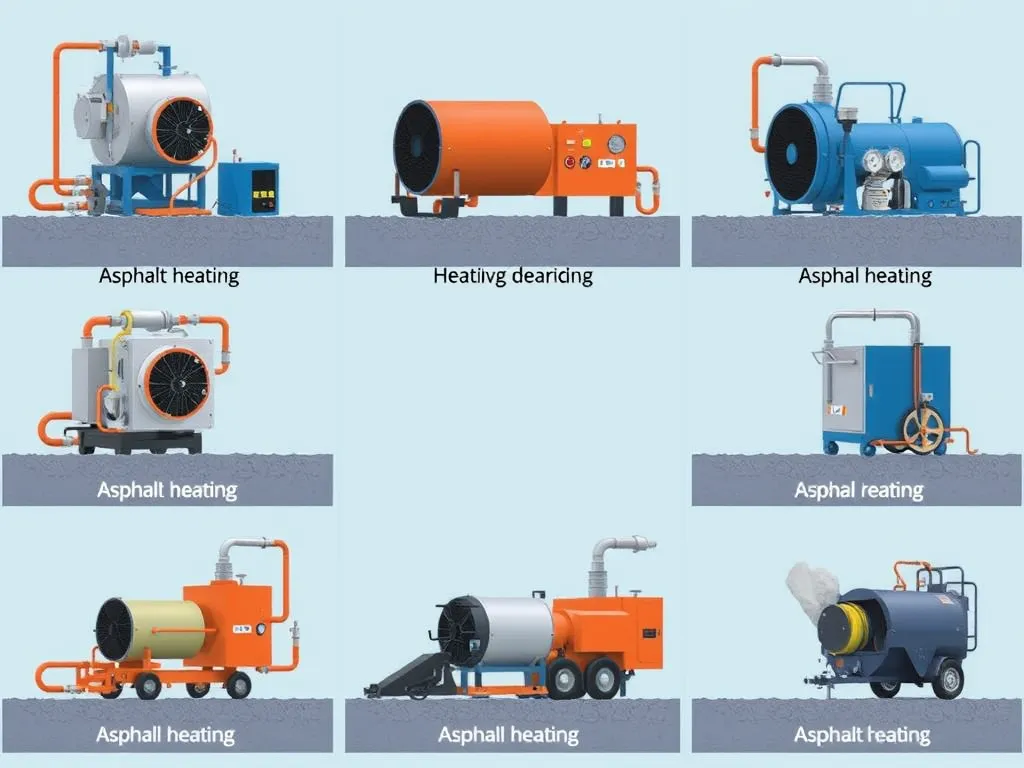
Infrared asphalt heaters now blend patches seamlessly, maintaining friction coefficients within 5% of original surfaces. Milling depths adjust to 0.5-inch increments to avoid disturbing embedded V2X communication lines.
Rapid Cure Materials for High-Utilization Lanes
AV-dedicated lanes use nano-modified binders that harden in 12 minutes. A Phoenix trial saw 90-minute lane closures drop to 14 minutes using calcium sulfoaluminate cement mixes. This keeps traffic flowing at 98% capacity during off-peak repairs.
As road crews adapt to smart vehicle impact on asphalt roads, sustainability gains emerge. Next, innovations in material science show how lasting roads pair with planetary care.

Environmental and Longevity Considerations
Autonomous vehicle impact on asphalt design extends to environmental performance and infrastructure lifespan. Balancing sustainability with AV-specific technical demands requires rethinking material science and maintenance strategies.
Sustainable Material Innovations
New asphalt formulations must meet dual goals: supporting smart vehicle systems while reducing ecological footprints. Industry leaders now prioritize materials that align with circular economy principles without compromising sensor functionality.
Recycled Asphalt Compatibility with AV Requirements
Recycled Asphalt Pavement (RAP) usage has jumped to 40% in AV lanes, driven by its ability to maintain surface uniformity critical for LiDAR calibration. Modern RAP blends now incorporate polymer-modified binders to achieve 95% reflectivity consistency – a 15% improvement since 2020.
Emission-Reducing Pavement Formulations
Warm-mix asphalt technologies cut production temperatures by 50°F, slashing CO₂ emissions by 30% per ton. Photocatalytic asphalt containing titanium dioxide nanoparticles breaks down nitrogen oxides – reducing roadside pollution by up to 45% in AV-heavy urban corridors.
Lifecycle Management Enhancements
Autonomous vehicle asphalt interaction patterns enable predictive maintenance models. Machine learning algorithms analyze tire path data to forecast wear with 88% accuracy, compared to 65% in human-driven zones.
Extended Service Life Through Precision Vehicle Operations
AV platooning reduces lateral wandering by 90%, decreasing edge rutting. This precision extends pavement life by 7-12 years in heavy truck lanes, based on FHWA SIMPLE simulation data.
Reduced Environmental Impact from Optimized Traffic Flow
Connected AV networks cut stop-and-go traffic by 75%, lowering asphalt oxidation rates. Smoother acceleration patterns reduce surface friction wear, trimming annual maintenance costs by $1.2M per 100 lane-miles in pilot projects.
Frequently Asked Questions
How Do Autonomous Vehicles Impact Asphalt Material Selection?
AVs require asphalt with dielectric properties between 4-6 for radar penetration and surface resistivity below 10³ Ω·m to prevent sensor interference. This has increased demand for carbon-fiber enhanced mixes in 72% of smart pavement projects.
What Pavement Characteristics Are Critical for AV Sensor Reliability?
Three key factors: 1) Surface macrotexture depth of 0.5-1.0 mm for camera tracking 2) Reflectivity variance under 5% across lanes 3) Joint smoothness tolerances within 1/8 inch over 10 feet.
How Does Asphalt Design Affect Autonomous Vehicle Braking Efficiency?
Friction coefficients above 0.5 at 40 mph are mandatory for AV emergency stops. Porous asphalt surfaces with 18-22% void content improve wet-weather braking by cutting hydroplaning risks by 60%.
As asphalt design evolves for autonomous mobility, integration with vehicle-to-infrastructure tech becomes the next frontier. The following section explores how embedded sensors and data systems are reshaping pavement engineering.

Frequently Asked Questions
What Role Does Surface Texture Play in Supporting Autonomous Vehicles?
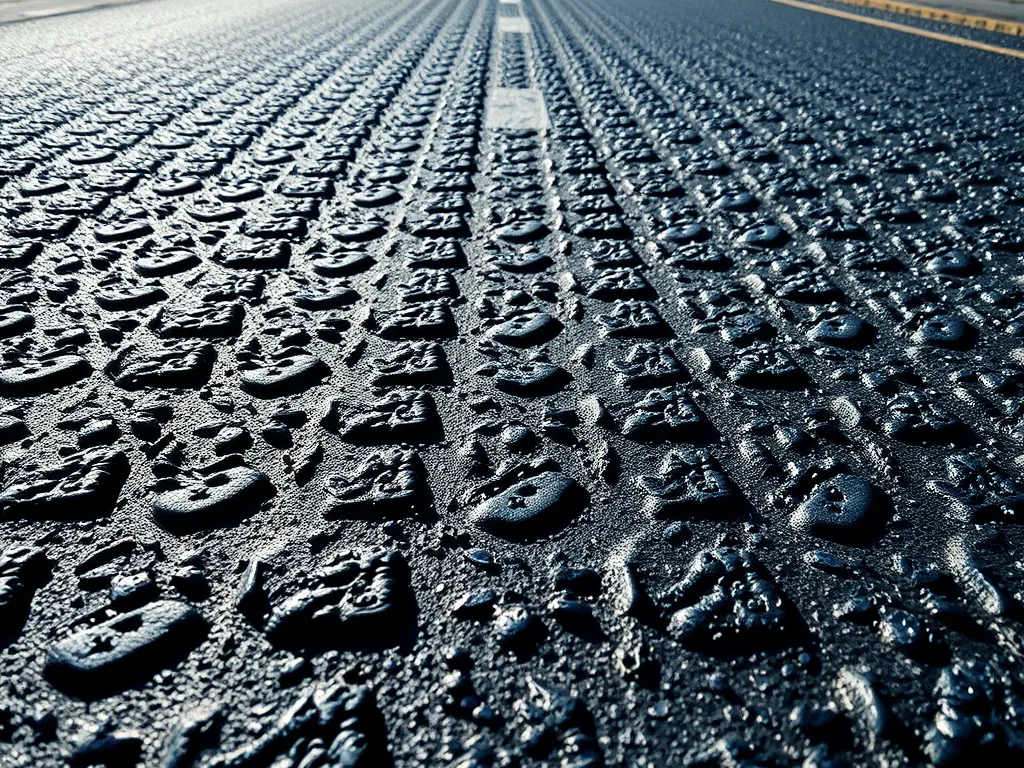
Surface texture significantly impacts the way autonomous vehicles interpret road conditions. A well-designed texture enhances tire grip and helps maintain proper vehicle handling, especially during adverse weather conditions, ensuring that sensors can function effectively.
How Are Paving Technologies Adapting to Meet Autonomous Vehicle Needs?
Recent advancements include the integration of automated paving equipment that achieves higher precision and consistency during installation. This technology is essential for ensuring that the road surface meets stringent requirements for autonomous vehicle navigation.
What Are Some Challenges in Transitioning Existing Roads for Autonomous Vehicles?
One challenge is retrofitting older road surfaces to accommodate the specific needs of autonomous vehicle technology, which may require significant structural reinforcement or resurfacing. Additionally, ensuring compatibility with existing traffic patterns and maintaining road safety during the transition period are critical considerations.
How Can Local Governments Prepare Their Infrastructure for the Rise Of Autonomous Vehicles?
Local governments can start by conducting assessments of current road conditions and capacities, integrating smart technologies, and collaborating with engineering firms to create plans that prioritize the development of infrastructure suited for autonomous mobility.
What Are the Financial Implications Of Modifying Roads for Autonomous Vehicle Integration?
The financial implications can include initial investment costs for new materials and technologies, ongoing maintenance expenses for smart systems, and potential cost savings from reduced accidents and improved traffic efficiency over time.
How Does Maintenance Differ for Roads Designed for Autonomous Vehicles Versus Traditional Roads?
Maintenance for autonomous vehicle roads focuses heavily on predictive analytics and real-time data collection, allowing for timely repairs and minimizing disruptions. This contrasts with traditional methods that often rely on regular schedules and manual inspections.
Closing Thoughts
The rise of autonomous vehicles (AVs) is reshaping asphalt design in significant ways. Increased precision in lane alignment and enhanced material compositions are just the beginning. As AV technology evolves, road markings, signaling, and embedded features will be pivotal for effective vehicular communication.
Moreover, the need for structural reinforcements and dedicated infrastructure components shows that asphalt design must adapt to meet new operational demands. Smart pavement systems will integrate technology, ensuring real-time monitoring and maintenance strategies that extend the lifespan of our roads.
Environmental considerations must not be overlooked. Innovative materials and enhanced lifecycle management will contribute to a more sustainable future for asphalt infrastructure. By embracing these changes, we can create safe and efficient roadways for both human and autonomous traffic.
For more information, visit Asphalt Calculator USA.
Additional Resources for You:
- Yoder, E. J., & Witczak, M. W. (1975). Principles of Pavement Design (2nd ed.). New York, NY: Wiley.
- How Will Autonomous Vehicles Impact How We Build Roads? | For Construction Pros
- Designs | Free Full-Text | Impact of Autonomous Vehicles on the Physical Infrastructure: Changes and Challenges
- (PDF) Autonomous Vehicles: Assessment of the Implications of Truck Positioning on Flexible Pavement Performance and Design
- How autonomous vehicles will change road designs | ASCE