Modern Asphalt Technology: Building Smarter Roads Today
Published on: March 17, 2026 | Last Updated: April 14, 2025
Written By: George Voss
Modern asphalt technology advancements transform road construction through innovative materials and precise engineering. New methods like Warm Mix Asphalt (WMA) cut production temperatures by 50°F—saving fuel and lowering emissions. High-Recycled Asphalt Pavement (RAP) mixes now use 40% recycled content without sacrificing strength. Polymer-modified binders and performance-graded (PG) materials create surfaces lasting 15-20 years. Smart sensors and 3D paving controls ensure millimeter-perfect road surfaces during installation.
This article breaks down six game-changing areas in asphalt tech. Discover rubber-infused pavements that reduce traffic noise by 50%. Compare traditional hot mix with new cold mix formulas that work in sub-40°F weather. Learn how AI predicts pavement cracks years before they form. See porous asphalt systems that drain 500 gallons of water per hour. Explore plant upgrades cutting energy use by 35%. Get cost comparisons showing recycled mixes save $15 per ton versus virgin materials.
Contents
- Latest Innovations in Asphalt Technology
- Evolution Of Asphalt Production and Application
- Emerging Asphalt Material Technologies
- Advanced Asphalt Application Techniques
- Data-driven Asphalt Management
- Sustainable Asphalt Solutions
- Frequently Asked Questions (FAQ)
- Closing Thoughts
- Additional Resources for You:
Latest Innovations in Asphalt Technology
Cutting-edge developments reshape how roads get built and maintained. Four breakthroughs drive modern asphalt technology forward.
Warm Mix Asphalt (WMA) Developments
Warm Mix Asphalt slashes production temps by 50°F versus traditional hot mix. Additives like Sasobit wax or Advera water-based foaming agents enable workable paving at 275°F. Contractors report 20% faster cooling times, allowing same-day traffic openings. Lower emissions cut job site VOC levels by 35%, meeting strict EPA Tier 4 standards.
High-rap and Recycled Asphalt Solutions
Reclaimed Asphalt Pavement (RAP) reuse rates hit record highs with advanced screening and blending tech. Modern plants now handle mixes with 40% RAP content without compromising PG 64-22 binder specs. A 2023 NAPA study shows recycled asphalt cuts material costs by $3.80 per ton while diverting 89 million tons annually from landfills.
| RAP Content | Cost Savings | Emissions Reduction |
|---|---|---|
| 30% | $2.50/ton | 18% CO₂ |
| 40% | $3.80/ton | 27% CO₂ |
Polymer-modified Asphalt Mixes
Styrene-butadiene-styrene (SBS) polymers boost pavement flexibility and rut resistance. Modified binders like PG 76-22 withstand -40°F to 176°F temperature swings. Texas DOT data shows polymer-enhanced overlays last 8-12 years versus 5-7 for standard mixes. New cross-linking agents prevent polymer separation during storage.
Rubberized Asphalt Applications
Crumb rubber from 2,000 scrap tires goes into every lane-mile of rubberized asphalt. California’s AB 338 mandates 5% tire rubber in state-funded projects. Noise tests show 5 dB reductions versus dense-graded mixes. Rubber-modified surfaces last 50% longer in freeze-thaw zones while slashing stormwater spray by 40%.
These material breakthroughs set the stage for smarter production methods. Next, explore how manufacturing processes evolved to meet 21st-century demands.
Evolution Of Asphalt Production and Application
Asphalt technology has transformed from ancient tar pits to precision-engineered pavement systems. Three key phases define this progression.
Historical Advancements in Asphalt Manufacturing
The 1900s introduced drum mixers and viscosity-based grading, replacing manual layering with standardized production. The 1990s Performance-Graded (PG) binder system revolutionized quality control by testing asphalt under specific temperature ranges. Computerized batch plants emerged in 2002, enabling precise mix designs with ±0.5% aggregate tolerance.
Transition to Cold Mix Asphalt Technologies
Cold mix asphalt now operates at 50-80°F instead of 300°F hot-mix temps, cutting energy use by 35%. Additives like emulsifiers and rejuvenators allow year-round application, even in 40°F weather. Over 12 million tons of cold mix now patch U.S. potholes annually, saving $18 per ton versus traditional methods.
Modern High-performance Mix Designs
Superpave specifications dominate modern asphalt technology with three innovations:
- Stone Matrix Asphalt (SMA): 30% stone-on-stone contact resists rutting at 1,500+ vehicles/hour
- Open-Graded Friction Courses (OGFC): 18% air voids reduce hydroplaning risks by 40%
- Balanced Mix Design (BMD): Combines rut resistance (≤5mm deformation) with crack resistance (≥600 cycles)
These mixes now achieve 25-year lifespans under 100 million ESALs (Equivalent Single Axle Loads).
These asphalt technology advancements set the stage for bio-based binders and self-healing pavements now entering testing phases.

Emerging Asphalt Material Technologies
Cutting-edge asphalt technology developments focus on smarter materials. These innovations balance durability with environmental goals. Three breakthroughs redefine pavement performance.
Bio-based Asphalt Binders
Bio-binders replace petroleum-based bitumen with renewable sources. Materials like vegetable oil, lignin, or algae slash carbon footprints by 30-40%. Tests show bio-binders match PG 64-22 performance grades while resisting rutting at 140°F. Minnesota’s I-35 trial reduced emissions by 4.2 tons per mile during production.
Porous Asphalt Pavement Systems
Porous asphalt absorbs 400-600 gallons of stormwater per minute. Its 18-22% void structure channels water to underground recharge systems. Philadelphia’s Green Streets project cut flood events by 63% using 6-inch porous layers. These systems lower urban heat island effects by 7°F compared to traditional pavements.
Fiber-reinforced Asphalt Innovations
Adding glass, basalt, or recycled polyester fibers boosts tensile strength by 40%. Wisconsin’s fiber-modified mixes reduced reflective cracks by 60% on US-12. Fibers let pavements handle 12-ton axle loads with 2-inch thinner designs. Costs run $2-$5 per ton extra but double service life in freeze-thaw zones.
Material science drives modern asphalt technology forward. Next, we examine how application methods keep pace with these advanced mixes.
Also See: Mix Design Techniques for Warm Mix Asphalt
Advanced Asphalt Application Techniques
New methods reshape how crews place pavement. These systems boost precision while slashing project timelines. Let’s explore three cutting-edge approaches transforming road construction.
Intelligent Compaction Systems
GPS-guided rollers now optimize density during installation. Sensors track temperature, stiffness, and compaction levels in real time. Operators receive instant feedback via dashboard displays, adjusting passes to hit 95-98% density targets. This prevents over-compaction, reducing cracking risks by up to 40% compared to traditional rollers.
3D Machine Control in Paving
Pavers equipped with 3D mapping tech follow digital terrain models. Millimeter-grade accuracy eliminates stringlines, cutting setup hours by 75%. Systems sync with material transfer vehicles, maintaining consistent flow rates. One study showed 15% less mix usage on highway projects using 3D controls versus manual methods.
Thin Overlay Installation Methods
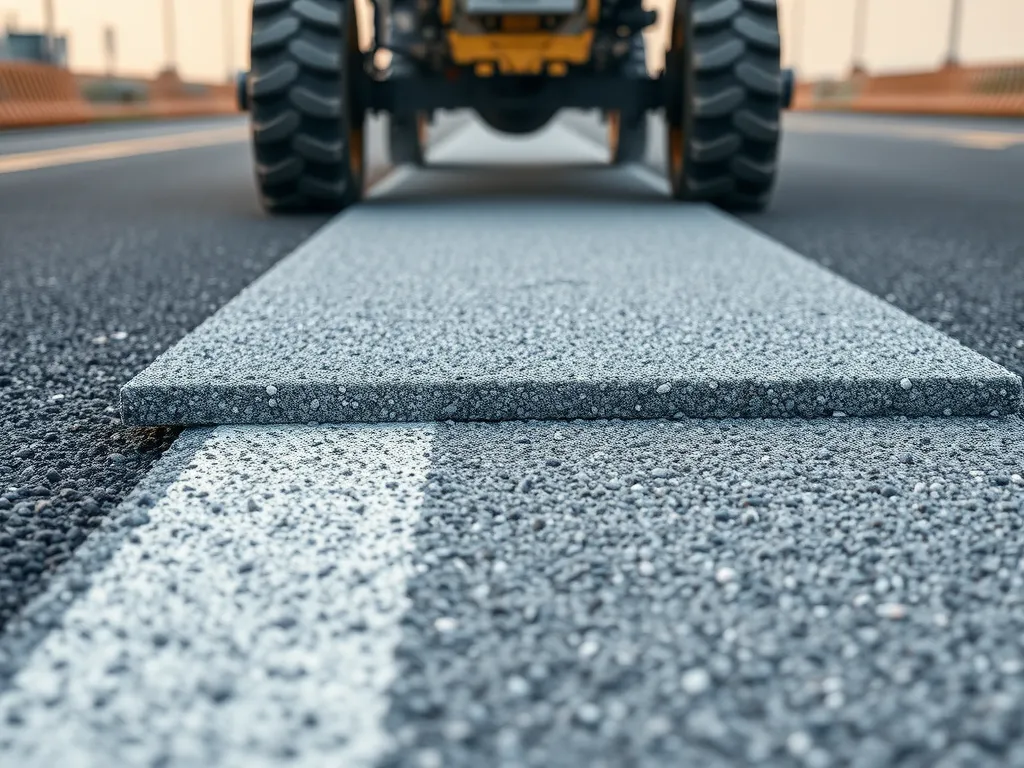
Specialized pavers lay ultra-thin layers as fine as ¾ inches. Polymer-modified mixes bond tightly to existing surfaces, extending road life 8-12 years. Crews complete lane-mile installations in under 4 hours with minimal traffic disruption. Costs range $2.50-$4.00 per square foot, roughly half the price of full-depth replacements.
These precision-driven methods set the stage for smarter road networks. Next, we’ll examine how data analytics further optimize pavement performance.
Data-driven Asphalt Management
Modern asphalt innovations now leverage real-time data to boost performance and cut costs. Sensors, cloud computing, and machine learning transform how we build and maintain roads.
Ai-optimized Production Processes
AI now controls asphalt mix designs using 40+ variables like aggregate gradation and PG binder grades. Systems adjust material ratios mid-production, cutting waste by 12-18%. Plants using these methods achieve 95% mix consistency – up from 78% with manual methods. Superpave specifications integrate with AI tools to predict rutting resistance before pavement hits the road.
Predictive Analytics for Pavement Longevity
Machine learning models process traffic data, weather patterns, and core samples to forecast pavement life within 6% accuracy. Agencies deploy these tools to prioritize repairs, extending service cycles by 3-7 years. Minnesota’s pavement management system reduced rehabilitation costs by $8.2 million annually using predictive decay mapping.
Iot-enabled Road Condition Monitoring
Embedded IoT sensors track strain, temperature, and moisture in real time. Texas DOT’s pilot program uses 2,400 pavement sensors sending 15 data points per minute. This tech spots subsurface cracks 8-10 weeks faster than visual inspections, slashing repair costs by 34%. Thermal sensors also flag icy conditions, triggering automated brine sprays for winter safety.
These data-driven methods set the stage for smarter resource use. Next, we’ll examine how sustainability goals shape material science breakthroughs.
Sustainable Asphalt Solutions
Modern asphalt technology modernization prioritizes eco-conscious methods without sacrificing performance. From binder chemistry to recycling systems, the sector now delivers greener roads with extended service life.
Eco-friendly Additives and Binders
Bio-based binders now replace 30-50% of petroleum bitumen in mixes. Materials like gilsonite, lignin, and soybean oil enhance flexibility while cutting carbon footprints. Warm mix asphalt (WMA) additives—waxes or chemical agents—lower production temps from 300°F to 275°F. This reduces CO2 emissions by 20-35% per ton. Recycled plastics (8-10% mix content) and rubberized binders from tires also gain traction. PG (Performance-Graded) binders like PG 76-22 now meet specific climate needs, outperforming traditional options.
Energy-efficient Production Methods
Drum plant modifications slash energy use by 15-20% versus batch plants. Reclaimed heat capture systems reuse exhaust gases, saving 0.5-1.2 gallons of fuel per ton. Solar-powered asphalt plants and electric rollers emerge, cutting reliance on fossil fuels. A 2023 study showed energy-efficient methods can trim $1.50-$3.00 per ton in production costs.
| Method | Energy (BTU/ton) | CO2 (lbs/ton) |
|---|---|---|
| Traditional Hot Mix | 400,000 | 35 |
| Warm Mix + Reclaim | 290,000 | 22 |
Recycling Technologies in Asphalt Maintenance
RAP (Reclaimed Asphalt Pavement) usage now reaches 40-50% in base layers. Cold recycling techniques reprocess aged pavement on-site, using 2-3% emulsion binders. Full-depth reclamation stabilizes existing roads while reusing 100% of materials. Parallel drum systems allow up to 70% RAP in new mixes. Infrared heaters enable precise patching with 95% material reuse. Annually, over 90 million tons of RAP get recycled—diverting 60 million cubic yards from landfills.
These sustainable methods set the stage for examining how data transforms pavement management.

Frequently Asked Questions (FAQ)
What Are the Latest Technological Breakthroughs in Asphalt?
The latest breakthroughs include advancements in Warm Mix Asphalt, high recycled asphalt content, and the use of polymer-modified and rubberized asphalt mixes, which enhance road performance and sustainability.
How Have Asphalt Formulations Evolved in Recent Decades?
Asphalt formulations have evolved to incorporate better materials such as bio-based binders and polymers, which improve durability and environmental sustainability while meeting modern performance standards.
What Defines Modern High-performance Asphalt?
Modern high-performance asphalt is characterized by its superior flexibility, durability, and resistance to weathering and heavy traffic loads. Features like polymer modification and balanced mix designs are key components.
Which Sustainable Practices Are Transforming the Industry?
Sustainable practices in the asphalt industry include the use of eco-friendly additives, energy-efficient production methods, and advanced recycling technologies that significantly reduce waste and emissions.
How Do Intelligent Compaction Systems Improve Asphalt Installation?
Intelligent compaction systems utilize GPS and sensors to monitor and optimize compaction in real-time, resulting in better density control, increased durability, and reduced cracking risks during the installation process.
What Role Does Data-driven Management Play in Asphalt Maintenance?
Data-driven management enhances asphalt maintenance by utilizing sensors and predictive analytics to monitor pavement conditions, forecast maintenance needs, and optimize repair schedules, thereby extending pavement lifespans and reducing costs.
What Are the Benefits Of Using Porous Asphalt Pavement Systems?
Porous asphalt pavement systems offer significant benefits, including improved stormwater management, reduced flooding, and lower urban heat island effects, making them a sustainable choice for urban infrastructure.
How Does Cold Mix Asphalt Technology Contribute to Energy Efficiency?
Cold mix asphalt technology operates at lower temperatures, reducing energy consumption by approximately 35%, and allows for year-round application, which is more efficient than traditional hot mix methods.
What Types Of Innovations Are Being Made in Asphalt Production Processes?
Innovations in asphalt production processes include the use of AI for optimizing mix designs, energy-efficient manufacturing techniques, and incorporating recycled materials to lower carbon footprints while maintaining performance standards.
What is the Economic Impact Of Recycling Technologies in Asphalt Maintenance?
Recycling technologies not only reduce material costs but also minimize landfill waste, making the process economically advantageous. The use of reclaimed asphalt pavement (RAP) can save substantial amounts per ton while contributing to environmental sustainability.
Closing Thoughts
Modern asphalt technology continues to evolve at a rapid pace, introducing innovative solutions that enhance performance, sustainability, and cost-effectiveness. From Warm Mix Asphalt (WMA) and high-recycled asphalt products to advanced application techniques like 3D machine control, these advancements cater to both the environment and the growing demands of infrastructure.
By embracing cutting-edge materials like bio-based binders and fiber reinforcement, the industry moves towards a more sustainable future. Data-driven approaches, such as AI and predictive analytics, ensure optimal asphalt management and maintenance, extending the life of pavements and reducing costs.
To keep abreast of these developments and learn more about asphalt-related topics, visit Asphalt Calculator USA for helpful insights and resources.
Additional Resources for You:
- Kett, I. (1999). Asphalt Materials and Mix Design Manual. Oxford: Elsevier Science.
- Innovation | Asphalt Pavement Alliance
- Innovations in Asphalt: The Future of Paving Technology | by tripleapavingandsealcoating | Medium
- The advancement of asphalt pavements over the last 50 years – Asphalt magazine
- The Durable Path: Advances in Asphalt Technology