Micro-surfacing Vs Recycling: Key Differences for Asphalt Maintenance
Published on: March 17, 2026 | Last Updated: April 14, 2025
Written By: George Voss
Micro-surfacing applies a thin polymer-modified emulsion layer to protect roads, while recycling reuses existing asphalt through processes like cold milling or hot in-place reprocessing. Micro-surfacing works faster (1-2 hours per lane mile) at $1.50-$3.50 per square foot, ideal for minor cracks or oxidation. Recycling takes longer but rebuilds structural integrity for 15+ years, costing $2-$6 per square foot. Recycling cuts material waste by 95% versus micro-surfacing’s 40% emission reduction during application. Choose micro-surfacing for low-traffic preservation; pick recycling for heavy-use roads needing deep repair.
This article breaks down both methods: materials, equipment, costs, and environmental impacts. Learn which technique fits residential driveways versus highways. Compare lifespan data, weather limits, and real-world project examples. Get answers to 5 FAQs about installation timelines and budget tradeoffs.
Contents
What is Micro-surfacing?
Micro-surfacing serves as a thin protective layer for asphalt pavement. This method extends road life by addressing surface wear before structural damage occurs.
Definition and Purpose Of Micro-surfacing
Micro-surfacing combines polymer-modified asphalt emulsion, crushed aggregates, and additives to create a slurry mix. Applied at 1/4-3/8 inch thickness, it fills cracks, restores skid resistance, and seals minor surface flaws. Unlike asphalt recycling, which rebuilds worn pavement layers, micro-surfacing focuses on preventive maintenance for roads with stable bases.
Materials Used in Micro-surfacing
Three primary components form the slurry:
- Polymer-modified asphalt emulsion (PG 64-22 binder common)
- Crushed granite or limestone aggregates (3/8″ max size, 95% passing #8 sieve)
- Additives like Portland cement or fly ash to control setting time
The emulsion contains 60-70% asphalt content, with mix designs following ISSA A143 standards.
Equipment Required for Micro-surfacing
Specialized machines ensure precise application:
| Equipment | Function |
|---|---|
| Continuous feed mixer | Blends emulsion, aggregates, and additives at 50-100 tons/hour |
| Spreader box | Applies slurry with adjustable width (8-16 ft common) |
| Broom attachment | Textures surface for improved traction |
Bergkamp and Etnyre manufacture most U.S. micro-surfacing rigs, with units costing $250,000-$400,000.
With micro-surfacing materials and methods clarified, let’s analyze how asphalt recycling tackles deeper pavement issues through material reuse.
What is Asphalt Recycling?
Asphalt recycling reuses old pavement to build new roads. It cuts waste while saving cash and raw goods. This method works for roads with deep cracks, base flaws, or full rebuild needs.
Definition and Purpose Of Asphalt Recycling
Asphalt recycling turns old roads into fresh pavement. It uses RAP (reclaimed asphalt pavement) chunks from milled roads. The goal? Fix weak bases, boost load strength, and reuse up to 100% of old mats. It’s picked for highways, city streets, or lots needing deep fixes.
Processes and Techniques in Asphalt Recycling
Three main methods exist. Hot in-place recycling heats roads to 300°F, rakes old mats, blends in new binders like PG 64-22, then repaves. Cold planing mills old layers, mixes chunks with emulsified asphalt or cement, then rolls them. Full-depth recycling grinds base layers, adds lime or fly ash, and compacts for heavy-use zones.
Equipment Used for Asphalt Recycling
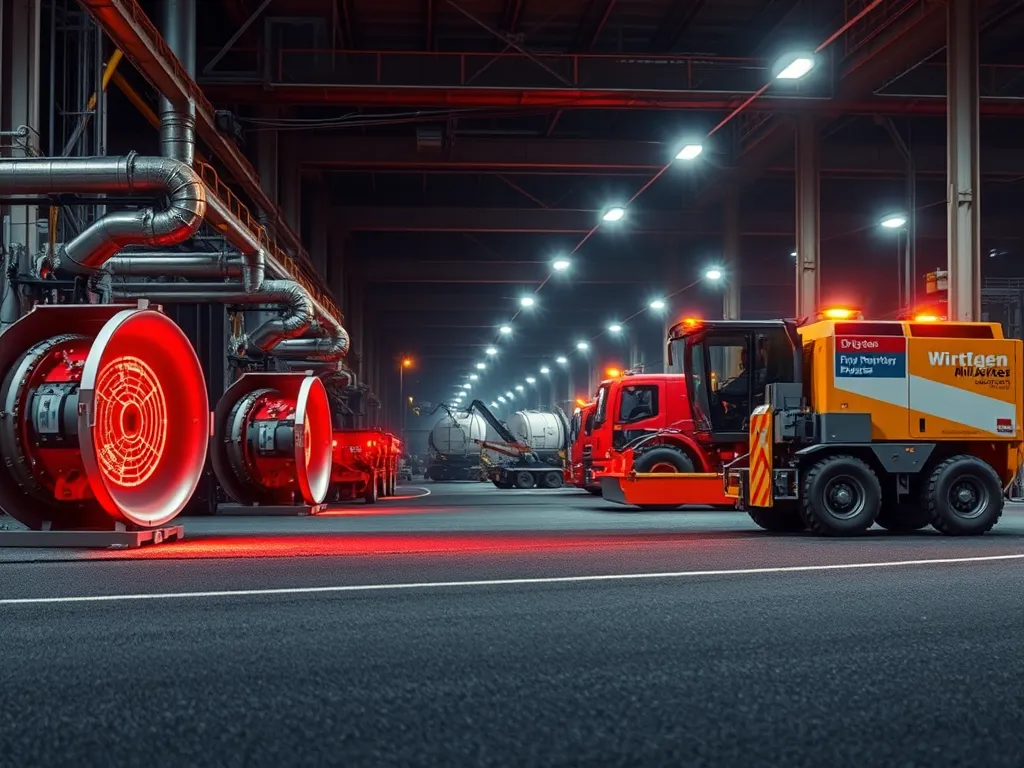
Key tools include Wirtgen milling drums (cuts 0-14” deep), infrared heaters for hot recycling, and Roadtec pavers. Reclaimers like the Caterpillar RM300 blend old mats with new binders at 150-200 tons per hour. Rollers then pack layers to 95% density for long life.
While asphalt recycling builds strong bases, it needs more gear and skill than thin fixes. Next, let’s break down how it stacks up against micro-surfacing in cost, lifespan, and eco-impact.
Pros and Cons Of Micro-surfacing
Weigh the ups and downs of micro-surfacing to see if it fits your road needs.
Advantages Of Micro-surfacing for Asphalt Roads
Quick Use and Less Delay
Micro-surfacing sets fast. Crews lay it in one pass. Roads open in 1-2 hours. This cuts lane closures and driver waits. No long road work that annoys towns or commuters.
Low-Cost Top Care
Costs run $1.50-$3 per sq ft. Full-depth fixes cost 3x more. It saves cash while adding a new wear layer that blocks water and sun harm. Good for roads with mild cracks or worn surfaces.
Disadvantages Of Micro-surfacing
Shorter Life Than Full Fixes
Lasts 5-7 years. Full repairs go 10-15 years. Not a fix for deep cracks or base flaws. Use it when the road base is sound but the top needs a boost.
Needs Dry, Warm Days
Work needs dry roads and temps over 50°F. Wet or cold stops the job. Rain within 24 hours can wash off fresh mix. Best done in spring or summer for best bond.
Next, let’s break down how asphalt recycling holds up in pros and cons.
Also See: Asphalt Type Selection Guide: Choosing the Right One
Pros and Cons Of Asphalt Recycling
Asphalt recycling offers distinct benefits and challenges compared to micro-surfacing. Let’s break down its strengths and limitations to help you evaluate its fit for road maintenance projects.
Advantages Of Recycling Asphalt
Recycled asphalt (RAP) combines environmental stewardship with structural upgrades. Two core benefits set it apart from surface-level treatments like micro-surfacing.
Resource Efficiency and Waste Reduction
Recycling asphalt reuses 90-95% of existing pavement materials, cutting demand for virgin aggregates and bitumen. Every ton of RAP saves 2 cubic yards of landfill space. This process reduces CO2 emissions by 20% compared to new asphalt production, making it greener than micro-surfacing’s polymer-based mixes.
Long-Term Structural Reinforcement
Recycled asphalt stabilizes road bases by integrating aged binder with fresh PG 64-22 or PG 76-22 binders. The result? A 30-40% stronger sublayer than micro-surfacing’s 0.5-inch surface coat. Projects using full-depth recycling often see 15+ year lifespans, outperforming micro-surfacing’s 7-10 year range.
Disadvantages Of Asphalt Recycling
While recycling excels in sustainability, it demands more upfront investment and planning than micro-surfacing.
Higher Initial Equipment Costs
Cold planers and hot-in-place recyclers cost $250,000-$500,000, versus $80,000 for micro-surfacing rigs. Add $50-$75/ton for portable asphalt plants, and recycling setups often hit $150,000+ for small projects. Micro-surfacing requires minimal machinery beyond slurry mixers and spread boxes.
Project Complexity and Labor Requirements
Recycling needs 5-7 crew members for milling, grading, and compaction – double micro-surfacing teams. Temperature-sensitive workflows (280-320°F for hot recycling) add weather delays, while micro-surfacing cures in 1-2 hours at 50°F+. Contaminant removal in RAP (dirt, metals) also extends project timelines by 15-25%.
While asphalt recycling offers clear environmental and structural benefits, weighing these against micro-surfacing’s advantages requires a detailed cost and performance analysis. Next, we’ll compare both methods side-by-side.
Micro-surfacing Vs Recycling: Direct Comparison
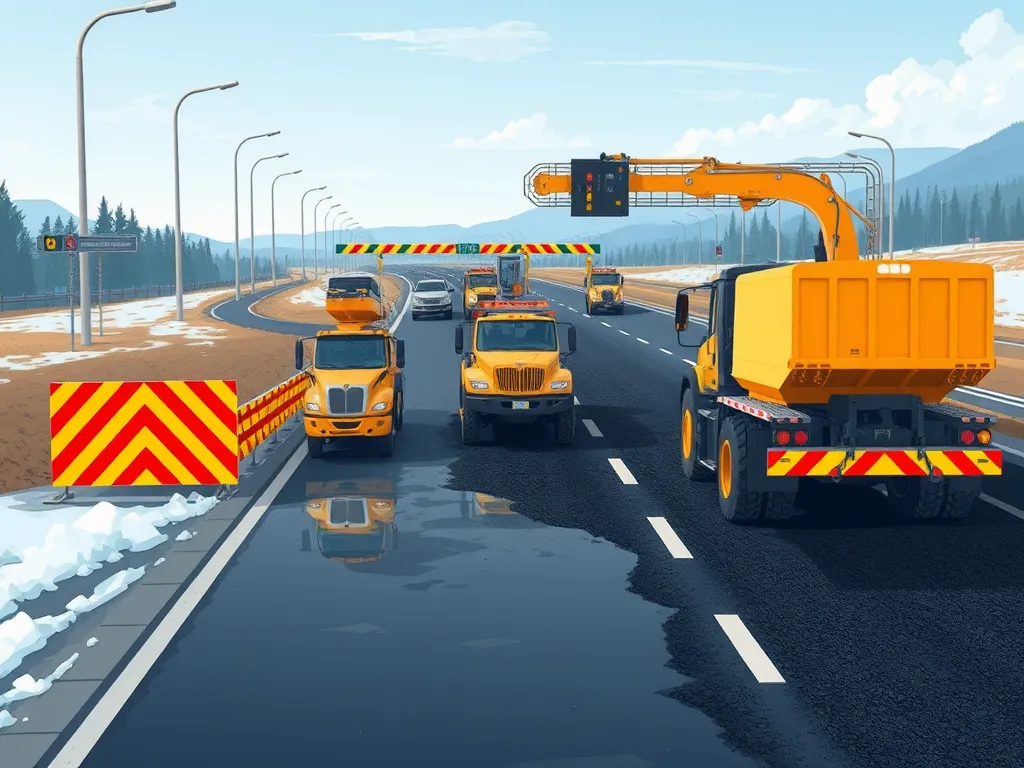
Let’s break down how these two methods stack up in critical areas like cost, durability, and environmental impact.
Cost Comparison: Micro-surfacing Vs Recycling
Budget drives many pavement decisions. Both methods save money compared to full reconstruction, but their pricing structures differ.
Micro-Surfacing Cost Per Square Foot
Micro-surfacing costs $0.50-$2.50 per square foot. Prices depend on emulsion type, aggregate quality (like granite or limestone), and project size. Its thin ¼-inch layer minimizes material use, cutting expenses.
Asphalt Recycling Cost Per Square Foot
Asphalt recycling ranges from $1.50-$4.00 per square foot. Cold-in-place recycling (CIR) sits at the lower end, while hot-in-place (HIR) or full-depth reclamation (FDR) costs more due to heavier equipment like reclaimers and stabilizers.
Durability and Lifespan Comparison
Lifespan depends on traffic loads, climate, and base conditions. Here’s how these methods perform over time.
How Long Does Micro-Surfacing Last?
Micro-surfacing lasts 5-7 years. Polymer-modified emulsions and crushed aggregates resist rutting, but heavy trucks (over 1,000 daily passes) shorten its life. Properly maintained surfaces can hit 10 years.
Life Expectancy of Recycled Asphalt
Recycled asphalt lasts 15-20 years with FDR or HIR. CIR adds 8-12 years. Reusing 90-100% of existing materials preserves structural integrity, especially when paired with cementitious additives for base stabilization.
Suitability for Specific Road Types
Not all roads benefit equally. Surface condition and traffic volume dictate the best approach.
Road Conditions Best for Micro-Surfacing
Micro-surfacing works on roads with minor cracks (<1/4 inch), oxidation, or raveling. Ideal for low-speed routes like residential streets, parking lots, or bike paths. Avoid roads with potholes or base failures.
Road Conditions Best for Recycling
Recycling suits roads with deep cracks, base failures, or uneven settlement. Highways, arterial roads, and industrial zones benefit from its structural upgrades. Requires 2-3 inches of existing asphalt for effective processing.
Environmental Impact Comparison
Both methods reduce waste, but their carbon footprints differ.
Energy Use and Emissions
Micro-surfacing emits 12-18 kg CO2 per ton during mixing and application. Recycling cuts emissions by 30% compared to virgin asphalt, needing 20% less energy for production. HIR’s in-place heating uses 40% less fuel than traditional methods.
Material Reuse and Sustainability
Micro-surfacing incorporates 5-10% recycled asphalt pavement (RAP). Recycling uses 90-100% RAP, reducing aggregate mining by 1.8 tons per ton of asphalt. Both methods lower landfill waste, but recycling offers closed-loop sustainability.
Next, we’ll explore how micro-surfacing performs against other treatments like overlays and sealcoating.
Micro-surfacing Vs Other Asphalt Treatments
While recycling rebuilds asphalt from the base up, micro-surfacing competes with surface-level treatments like overlays and sealcoats. Each method serves distinct purposes across road maintenance budgets, timelines, and traffic needs.
Micro-surfacing Vs Asphalt Overlay
Micro-surfacing and asphalt overlay both restore drivability but differ in depth and cost. Overlays add 1.5-2 inches of fresh asphalt over existing pavement. Micro-surfacing applies a 3/8-inch polymer-modified emulsion mix with crushed aggregates.
Cost Differences and Application Scenarios
Micro-surfacing costs $1.50-$3.00 per square foot versus $2.50-$4.50 for overlays. Choose overlays for roads needing structural reinforcement or rutting deeper than 0.5 inches. Micro-surfacing works best on surfaces with minor cracks (under 1/4 inch wide) or oxidation. Overlays require 24-48 hours curing; micro-surfacing reopens to traffic in 1-2 hours.
Micro-surfacing Vs Sealcoating
Sealcoating is a thin protective layer, while micro-surfacing adds structural depth. Both prevent water intrusion but target different wear levels.
Performance and Longevity Contrasts
Sealcoating lasts 2-4 years and costs $0.15-$0.25 per square foot. Micro-surfacing extends life 5-7 years with superior crack resistance. Sealcoats use coal tar or asphalt-based emulsions – unsuitable for high-traffic roads. Micro-surfacing’s PG (Performance-Graded) binders withstand 10,000+ daily vehicles. It also corrects minor drainage issues with its tapered edges.
Up next: Explore how climate and traffic volume influence the choice between these preservation methods.
Frequently Asked Questions (FAQ)
What is the Purpose Of Asphalt Recycling?
The purpose of asphalt recycling is to repurpose existing asphalt pavement by reclaiming and reusing it to create new asphalt mixtures. This process aims to reduce waste, conserve resources, and enhance the structural capacity of roads by integrating aged materials with new binders.
What Types Of Roads Benefit Most From Asphalt Recycling?
Asphalt recycling is particularly beneficial for roads with significant structural issues, such as deep cracks, base failures, or extensive wear due to heavy traffic. Highways, arterial roads, and industrial zones typically see substantial enhancements in durability and load-bearing capacity from recycling efforts.
How Do Micro-surfacing and Recycling Impact the Environment?
Micro-surfacing has a lower environmental impact due to its use of polymer-modified emulsions, which are more sustainable than traditional materials. However, asphalt recycling offers greater environmental benefits, as it reuses up to 100% of existing asphalt, significantly reducing landfill waste and minimizing the need for virgin materials, thus lowering overall CO2 emissions in road construction.
What Factors Influence the Lifespan Of Micro-surfacing Compared to Recycling?
The lifespan of micro-surfacing is influenced by factors such as traffic volume, climate conditions, and the quality of existing pavement. In contrast, the durability of recycled asphalt is affected by the original asphalt quality, the techniques used in recycling, and the additional materials incorporated into the mix. Generally, recycled asphalt has a longer lifespan due to its structural enhancements.
How Quickly Can Micro-surfacing Be Applied Compared to Asphalt Recycling?
Micro-surfacing can be applied quickly, with roads typically reopening to traffic within 1-2 hours after application. In contrast, asphalt recycling processes can take longer due to the need for additional steps like milling old asphalt, mixing, and compacting, which may result in project durations spanning several days depending on the scope and complexity of the work.
Closing Thoughts
Choosing between micro-surfacing and asphalt recycling requires careful consideration of your specific needs. Micro-surfacing is ideal for quickly restoring surface integrity while minimizing disruption. It provides a cost-effective solution for maintaining roads with moderate damage.
On the other hand, asphalt recycling offers a more extensive repair approach. It strengthens existing pavement and reduces waste, making it environmentally friendly. Although the initial investment in equipment can be higher, the long-term benefits often outweigh the costs.
Ultimately, the decision hinges on factors like road conditions, budget constraints, and desired lifespan. Assess each method against your unique situation.
For detailed insights and calculations on your asphalt projects, visit Asphalt Calculator USA.
Useful References for You:
- Huang, Y. H. (2004). Pavement Analysis and Design (2nd ed.). Upper Saddle River, NJ: Pearson/Prentice Hall.
- Micro Surfacing Asphalt Treatment | RoadResource.org
- Microsurfacing Treatment Types
- Micro-Surfacing – West-Can Seal Coating Inc.
- | AsphaltPro Magazine | How to Micro Surface