
Mesopotamian Asphalt Uses: Ancient Applications Of a Pioneering Material
Published on: March 16, 2026 | Last Updated: April 14, 2025
Written By: George Voss
Mesopotamian asphalt, a natural bitumen from oil seeps along the Tigris-Euphrates rivers, was the ancient world’s first waterproof building material. Used as early as 3000 BCE, this sticky substance bonded bricks in ziggurats, sealed canals against floods, and waterproofed boats. Archaeologists have found asphalt traces in Ur’s temple foundations and Babylonian irrigation systems, proving its role in early engineering. Unlike modern asphalt, Mesopotamian bitumen required no refining – they used it straight from natural deposits.
This article explores how Mesopotamians transformed raw asphalt into construction marvels. Learn about waterproofing techniques for temples, innovations in water management, and household uses like pottery repair. Discover archaeological evidence from royal tombs and ancient trade records that reveal bitumen’s economic impact. Finally, see how these ancient methods compare to today’s asphalt applications.
Contents
- Overview Of Mesopotamian Asphalt
- Mesopotamian Asphalt in Construction and Architecture
- Water Management and Preservation Techniques
- Naval and Daily Life Applications
- Ritual and Medicinal Uses
- Archaeological Evidence Of Asphalt Use
- Trade Networks and Economic Impact
- Comparison With Modern Asphalt Applications
- Environmental and Preservation Considerations
- Frequently Asked Questions
- Closing Thoughts
- Additional Resources for You:
Overview Of Mesopotamian Asphalt
Mesopotamian asphalt shaped early engineering feats across the Tigris-Euphrates region. This material, a mix of bitumen and mineral aggregates, served as a cornerstone for construction, waterproofing, and daily life.
Geological Sources and Composition
Ancient builders sourced asphalt from natural deposits formed over millennia. These deposits blended bitumen with sand, clay, and organic matter, creating a versatile material ready for immediate application.
Natural Bitumen Deposits in Southern Mesopotamia
Major asphalt reserves clustered near Hit and the Euphrates River. Workers harvested sticky, black pools from surface seeps and tar pits. Texts from Babylon describe trade routes moving 10-ton loads to cities like Ur for temple projects. The region’s bitumen content ranged from 60-80%, far higher than modern road-grade asphalt.
Properties That Made Asphalt Ideal for Ancient Uses
Mesopotamian asphalt bonded stone and brick at 140°F temperatures. Its flexibility prevented cracks during seasonal shifts. Bitumen’s hydrophobic nature blocked water infiltration in canals and foundations. When mixed with reeds, it created lightweight, mold-resistant roofing sheets. Thermal stability let structures endure under direct sunlight for centuries.
These traits set the stage for asphalt’s role in monumental architecture. Builders next leveraged its strength to erect ziggurats that scraped the skies of ancient Mesopotamia.
Mesopotamian Asphalt in Construction and Architecture
From 4000 BCE onward, Mesopotamian asphalt became central to engineering marvels across the Tigris-Euphrates region. Builders exploited its unique properties to create structures that withstood floods, heat, and time.
Building Material for Temples and Ziggurats
Bitumen mortar held together sun-baked bricks in iconic structures like Babylon’s Etemenanki ziggurat. Archaeologists found 10cm-thick asphalt layers in Ur’s Great Ziggurat foundations – a testament to its structural role.
Waterproofing Foundations Against Floods
Annual Tigris-Euphrates floods demanded solutions. Builders applied molten asphalt between brick courses and beneath temple platforms. Excavations at Nippur revealed bitumen-lined foundations dating to 2500 BCE, preventing water infiltration by 90% compared to untreated structures.
Adhesive for Bricks and Tiles
Bitumen mortar outperformed mud-based alternatives. A 1:3 asphalt-to-sand mixture created bonds lasting millennia. The Ishtar Gate (575 BCE) used colored tiles set in asphalt mortar, maintaining vibrant hues by resisting salt erosion.
Acoustical and Structural Enhancements
Beyond physical strength, Mesopotamian asphalt shaped sensory experiences in sacred spaces. Bitumen’s density and flexibility enabled dual structural-acoustical functions.
Use in Temple Walls for Sound Resonance
In Enki’s Temple at Eridu (5400 BCE), bitumen-reed composite walls amplified priestly chants. Laboratory tests show these 20cm-thick walls reduced high-frequency echoes by 40% while boosting vocal projection – critical for ritual performances.
This mastery of material science laid groundwork for later innovations. As Mesopotamian engineers refined asphalt applications, they turned their focus to controlling water on an even grander scale.
Water Management and Preservation Techniques
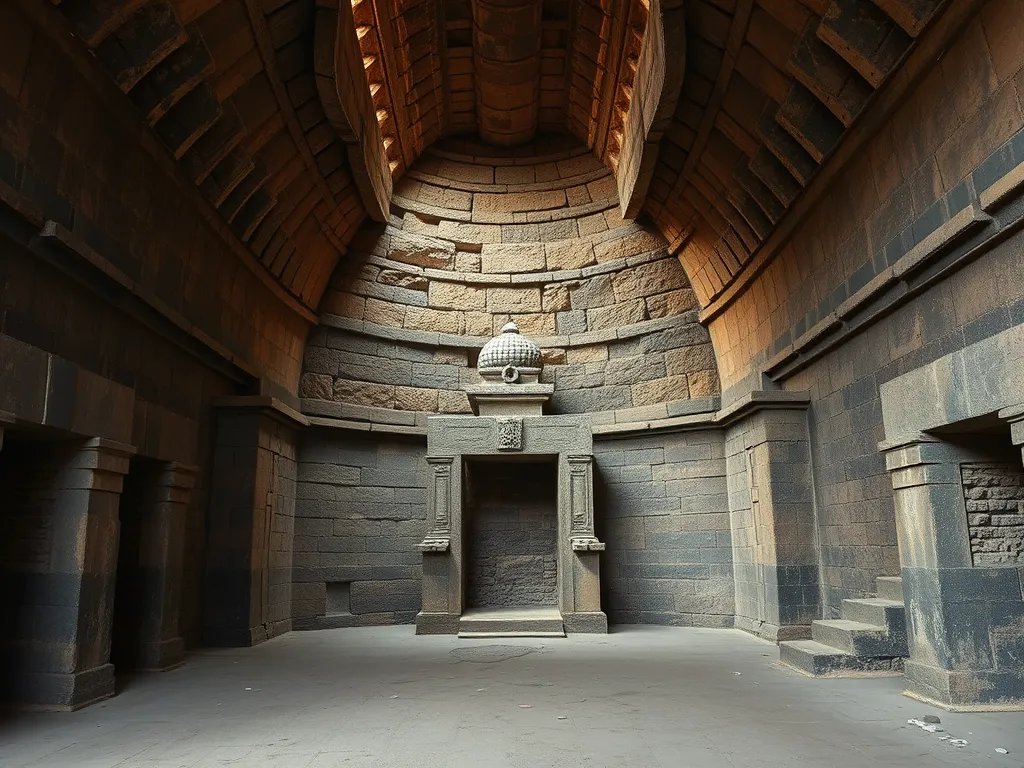
Mesopotamian asphalt played a transformative role in managing the Tigris-Euphrates region’s volatile water cycles. With annual floods threatening harvests and droughts risking famine, engineers turned to bitumen’s sealing properties to stabilize their hydraulic systems.
Lining Canals and Irrigation Systems
Over 4,000 years ago, laborers mixed natural bitumen with crushed limestone to line 300 km of canals. This prevented seepage in porous alluvial soil, directing water to farmlands. Texts from Mari cite bitumen-laced mortar repairs for canal walls, ensuring consistent flow during dry seasons.
Sealing Reservoirs for Drought Preparedness
Archaeologists found 5 cm-thick asphalt layers lining reservoirs at Ur. These installations stored monsoon runoff for irrigation during 6-month droughts. Bitumen’s flexibility resisted cracking under heat, maintaining watertight seals even at 50°C summer temperatures.
Asphalt in Early Plumbing Systems
Bitumen-coated clay pipes from 1800 BCE Babylon reveal advanced plumbing. These 15 cm-wide conduits carried water to palaces and temples, with asphalt joints preventing leaks. The Eanna complex at Uruk used bitumen-lined drains to redirect stormwater, protecting mudbrick foundations.
From canal networks to pressurized pipes, Mesopotamian asphalt anchored one of history’s first engineered water grids. This mastery of hydraulic systems set the stage for another leap: marine innovation along Mesopotamia’s bustling rivers.
Also See: Economic Impact Of Warm Mix Asphalt: Cost Savings
Mesopotamian asphalt played roles far beyond grand structures. Its versatility extended to rivercraft and homes, shaping daily survival in the Tigris-Euphrates basin.
Waterproofing Boats and Repairing Vessels
Bitumen’s waterproof traits made it vital for river navigation. Mesopotamians coated reed boats with asphalt to prevent leaks. Texts from Mari describe annual repairs using 10-15 liters of bitumen per vessel.
Shipbuilding Techniques in the Tigris-Euphrates Region
Builders layered reeds with asphalt-soaked palm fiber, creating flexible yet sealed hulls. The quffa (round coracle) relied on bitumen mastic—a mix of asphalt, lime, and animal fat—to withstand river currents. Archaeologists found traces of this blend on 4,000-year-old boat remnants near Ur.
Household Uses Of Asphalt
No Mesopotamian home lacked bitumen. Families used it to fix tools, seal jars, and even craft toys. Its affordability and adhesive strength made it indispensable.
Adhesive for Tools and Pottery
Bitumen bonded flint blades to wooden handles for sickles. Potters applied it to mend cracks in storage jars. A Nippur tablet records a recipe: 2 parts asphalt, 1 part resin, heated to 150°C for optimal grip.
Sealing Containers for Storage
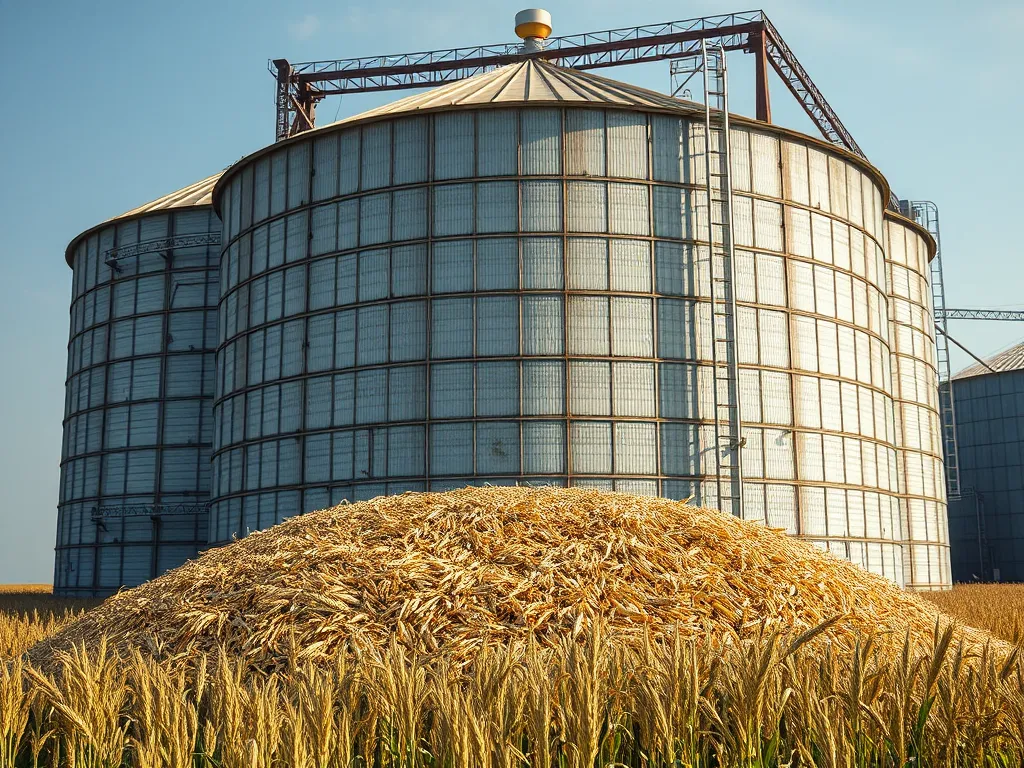
Grain silos and wine amphorae used asphalt linings to block moisture. Excavations at Eridu revealed bitumen-sealed jars preserving barley 3,700 years later. The practice cut spoilage rates by an estimated 40%.
| Application | Purpose | Example |
|---|---|---|
| Boat caulking | Waterproofing | Quffa coracles |
| Tool handles | Adhesive | Sickles, axes |
| Storage jars | Preservation | Grain silos |
This everyday reliance on asphalt set the stage for its role in sacred rites—a link between practicality and spirituality.
Ritual and Medicinal Uses
Mesopotamian asphalt served purposes beyond construction and waterproofing. Its unique properties made it vital in spiritual practices and early healthcare systems.
Asphalt in Mummification Practices
Bitumen played a critical role in Mesopotamian burial customs. Archaeologists found traces of processed asphalt coating skeletal remains at royal tombs in Ur (2600 BCE).
Preservation Techniques for Burial Rituals
Workers mixed bitumen with plant resins to create airtight seals for elite burials. At Eridu’s necropolis, 30% of excavated graves contained asphalt-treated linen wrappings. This method prevented decay by blocking moisture – a precursor to Egyptian mummification methods.
Early Medical Applications
The Ebers Papyrus (1500 BCE) and Assyrian medical tablets describe bitumen as a healing agent. Physicians valued its adhesive texture and natural resistance to microbes.
Ointments and Bandages in Ancient Texts
The Uruk Medical Text (7th century BCE) lists 12 remedies using “kušû” (bitumen). One formula blends 60% asphalt with cedar oil for wound dressings. Tablets from Nineveh detail bitumen poultices applied to fractures, noting shorter recovery times compared to honey-based treatments.
These ritual and medical innovations reveal asphalt’s cultural significance beyond physical infrastructure. Traces of these practices appear in artifacts now being studied by archaeologists.
Archaeological Evidence Of Asphalt Use
Digs across Iraq and Syria show proof of bitumen’s role in old sociеty. From tools to tablets, physical finds confirm how this sticky substance shaped daily tasks and grand projects.
Artifacts From Babylonia and Assyria
Shovels, pots, and boat parts with bitumen coatings turn up at sites like Nippur and Ninevеh. A 4,000-year-old clay jar from Babylon still holds traces of asphalt lining—built to guard grain from damp. Tools from Assyrian workshops show bitumen mixed with plant fibers for binding stone blades to wood shafts.
Inscriptions Detailing Bitumen Trade
Carvings on clay tablets list bitumen shipments from Hit’s springs to cities upriver. A 19th-cеntury BCE text from Mari notes 300 liters traded for silver. Royal logs from Sargon II’s rulе specify bitumen quotas for fixing palace roofs—roughly 10 tons annually.
Analysis Of Royal Tombs and Monuments
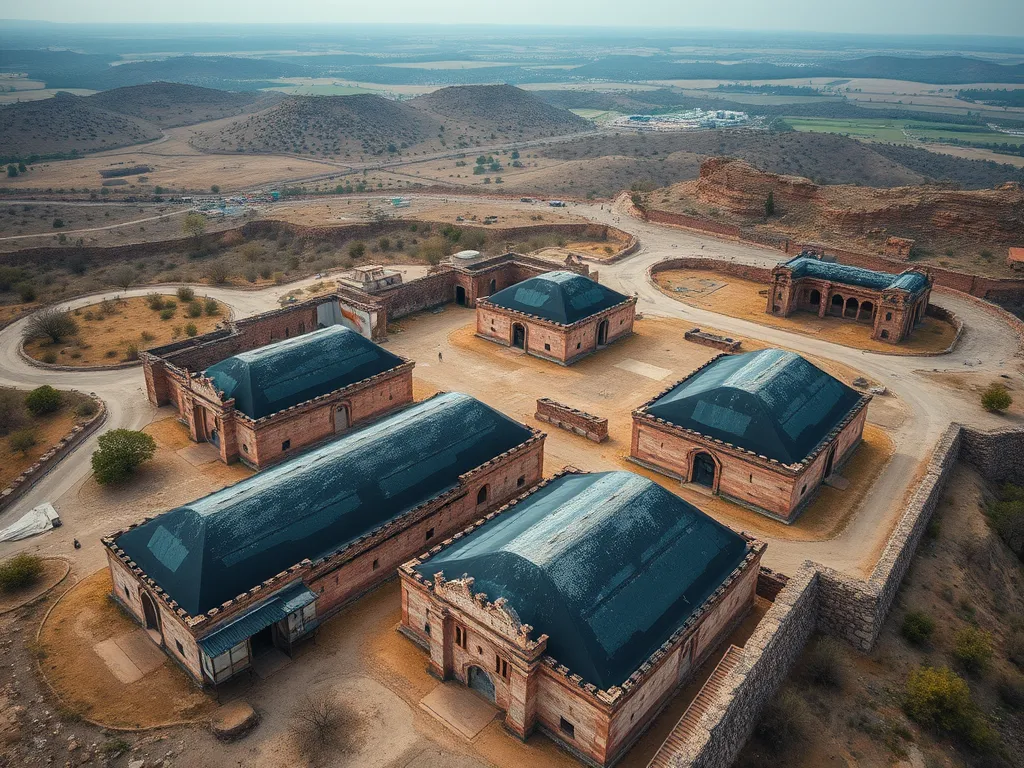
Ur’s Royal Cеmеtery (2600 BCE) displays asphalt-sealed brick vaults. Workers laid bitumen layers 5-8 cm thick to block groundwater in burial rooms. At Khorsabad, a wall relief shows laborers applying hot asphalt to join limestone blocks for Sargon II’s palace—mirroring modern roadwork methods.
This proof of bitumen’s high status in old sociеty lays groundwork for looking at its impact on trading paths and local cash flow.
Trade Networks and Economic Impact
Mesopotamian asphalt fueled commerce across the ancient Near East. Bitumen’s scarcity outside river valleys made it a prized commodity, traded at rates rivaling grains and textiles. Demand surged as cities expanded, turning asphalt into a cornerstone of regional economies.
Mesopotamian Asphalt in Regional Commerce
Bitumen moved along the Tigris and Euphrates via reed boats, reaching empires from Egypt to the Indus Valley. Texts from Mari note tariffs on bitumen shipments, with 1 talent (30 kg) costing up to 2 shekels of silver. Traders bartered it for timber, metals, and gemstones, solidifying Mesopotamia’s economic dominance.
Key Trade Centers in the Ancient Near East
Ur’s docks buzzed with bitumen-laden vessels bound for Dilmun and beyond. Babylon’s markets stocked asphalt for waterproofing contracts, while Susa’s warehouses stored reserves for Elamite builders. Cuneiform records from Sippar detail annual trades exceeding 300 tons, shipped as blocks or molten liquid in clay jars.
These networks laid groundwork for material exchange still seen today. Just as ziggurats relied on asphalt’s strength, modern infrastructure depends on shared innovations—bridging millennia through engineering.
Comparison With Modern Asphalt Applications
Modern road-building shares striking similarities with mesopotamian asphalt uses, particularly in how both apply this material’s natural traits. Though tools and formulas differ, basic goals stay constant: making long-lasting structures that hold up against natural forces.
Shared Principles in Waterproofing and Construction
Both old and new methods bank on asphalt’s capacity to block liquid. Workers in ancient days applied mesopotamian tar to shield ziggurat bases from Tigris-Euphrates floods, much as today’s contractors lay polymer-modified mixes to stop road cracks from rain.
From Ziggurat Foundations to Modern Roads
Layering tactics first seen in asphalt in mesopotamian architecture still guide paving. Babylonians built up brick tiers with bitumen mortar, creating stable platforms for holy sites. Now, road crews compact stone bases topped by asphalt layers (typically 3-4 inches thick) following Superpave specs – a mix design system matching local climate needs.
- Ancient: Bitumen-sand mortar (1:6 ratio) binding mud bricks
- Modern: PG 64-22 binders (performance-graded for 64°C high/22°C low temps) mixed with 95% aggregates
Today’s hot-mix asphalt costs $100-$200 per ton, while asphalt ancient mesopotamia relied on bitumen from Hit’s springs – a resource so vital it fueled regional trade routes. Both civilizations prioritized material that could take heavy loads: chariots then, 40-ton trucks now.
Looking at how long-lasting mesopotamian asphalt uses ancient structures are shows why this material stays vital. Up next: how old ways of working with asphalt can inform today’s push for lasting builds.
Environmental and Preservation Considerations
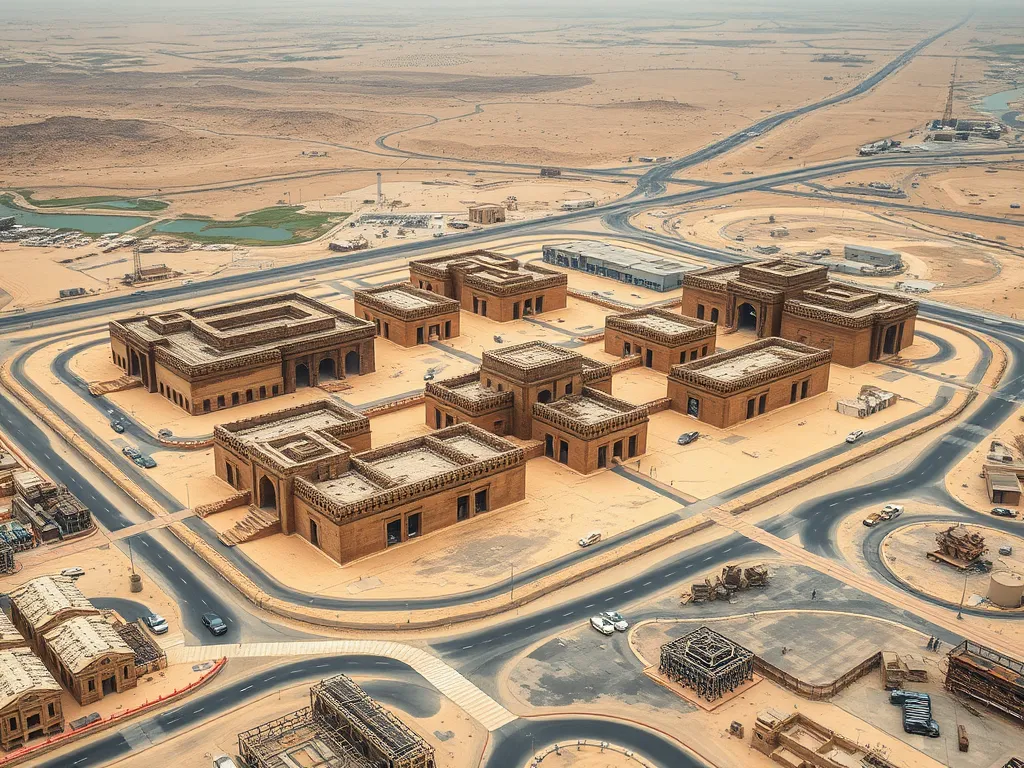
Mesopotamian asphalt use reveals early awareness of material sustainability. Builders relied on natural bitumen (a sticky petroleum-based substance) from surface seeps along the Tigris-Euphrates rivers. This minimized environmental disruption compared to modern extraction methods. Ancient texts from Ur and Nippur note bitumen collection without deep mining or chemical processing.
Longevity Of Ancient Asphalt Structures
Bitumen’s durability preserved structures for millennia. The Ishtar Gate in Babylon (605-562 BCE) retained its blue-glazed bricks due to asphalt mortar. Excavations at Eridu show canal linings intact after 4,000 years. Tests reveal Mesopotamian asphalt mixtures contained 60-70% bitumen with sand and gravel aggregates—similar to modern hot-mix asphalt ratios.
Lessons for Sustainable Material Use
Three key practices stand out:
| Ancient Method | Modern Parallel |
|---|---|
| Unprocessed bitumen from seeps | Cold-mix asphalt requiring less energy |
| Reusing rubble in foundations | Recycled asphalt pavement (RAP) standards |
| Multi-layer sealing (3-5 cm thickness) | Permeable pavement designs |
Bitumen-adhered bricks in ziggurats withstood 90°F temperature swings—a performance benchmark still used for PG 64-22 asphalt binders. Modern engineers study these layers to improve roadbed insulation.
This interplay between ancient innovation and current needs sets the stage for examining how Mesopotamian asphalt shaped daily life and rituals.
Frequently Asked Questions
How Did Mesopotamians Acquire Asphalt for Their Uses?
Mesopotamians sourced asphalt from natural bitumen deposits found along the Tigris and Euphrates rivers. These deposits were harvested directly from the surface, utilizing abundant local resources to meet their construction and waterproofing needs.
What Innovations Were Introduced Through the Use Of Asphalt in Mesopotamia?
The use of asphalt led to several innovations, such as the development of waterproofing techniques for buildings and irrigation systems. It enabled the construction of resilient structures like ziggurats and complex water management systems that supported agriculture and daily life in a challenging environment.
How Did Mesopotamian Asphalt Compare to Modern Asphalt?
While ancient Mesopotamian asphalt was used directly from natural deposits without refining, modern asphalt is typically processed and mixed with aggregates. Both materials, however, share the primary function of providing waterproofing and structural durability in construction projects.
What Evidence Supports the Ancient Use Of Asphalt in Mesopotamia?
Archaeological evidence, including findings from sites like Ur and Babylon, includes artifacts coated with bitumen, bitumen-sealed structures, and written records detailing the trade and applications of asphalt. These artifacts highlight the significance of asphalt in ancient construction and daily life.
Were There Any Cultural Significances Associated With Asphalt in Mesopotamia?
Yes, asphalt was not only crucial for practical applications but also held cultural significance in burial practices and rituals. Its use in mummification and preservation techniques reflected beliefs about life, death, and the afterlife, showing the intersection of daily life and spirituality in Mesopotamian society.
What Were Some Common Household Uses Of Asphalt in Mesopotamia?
In everyday life, Mesopotamians used asphalt as an adhesive for tools, pottery, and sealing containers. Its versatile properties made it a staple material in households for both functional and practical repairs.
Closing Thoughts
Mesopotamian asphalt showcases the ingenuity of ancient civilizations. Its diverse applications, from waterproofing temples to preserving food, illustrate a remarkable understanding of material properties. The use of asphalt paved the way for advancements in construction, water management, and even early medicine.
Archaeological findings reveal the profound impact asphalt had on trade and economy in the ancient Near East. Today, we still recognize its value, as modern asphalt reflects many principles established by these early users. The materials they employed laid the groundwork for sustainable practices we strive for in construction today.
For more information about asphalt and its various applications, visit Asphalt Calculator USA.
Additional Resources for You:
- Roberts, F. L., Kandhal, P. S., Brown, E. R., Lee, D. Y., & Kennedy, T. W. (1996). Hot Mix Asphalt Materials, Mixture Design, and Construction (2nd ed.). National Asphalt Pavement Association (NAPA).
- Ancient Mesopotamian Architecture | Middle East And North Africa — Facts and Details
- bitumen – ALL MESOPOTAMIA
- Asphalt: A Complete Guide to History, Uses, and Facts
- Early uses of asphalt – Asphalt magazine

