How to Choose the Right Materials for Warm Mix Asphalt
Published on: March 16, 2026 | Last Updated: April 14, 2025
Written By: George Voss
Material selection for warm mix asphalt (WMA) focuses on picking aggregates, binders, and additives that work at lower temperatures than hot mix asphalt (HMA). WMA uses production temps 30-100°F lower than HMA while matching strength and durability. Key factors include angular aggregates for stability, performance-graded (PG) binders like PG 64-22 for temperature resistance, and additives such as waxes or surfactants to improve workability. Reclaimed asphalt pavement (RAP) up to 40% and mineral fillers like limestone dust are common for cost and sustainability.
This article breaks down how each material impacts WMA performance. You’ll learn how aggregate gradation affects compaction, why binder grades matter in cold climates, and how additives reduce mixing temperatures. We cover industry standards like AASHTO M 323, temperature ranges (212-284°F), and eco-benefits like 20% lower CO2 emissions. Whether you’re using foaming tech or chemical additives, the right mix ensures durable roads and efficient paving.
Contents
- Understanding Warm Mix Asphalt (WMA)
- Composition Of Warm Mix Asphalt
- Warm Mix Asphalt Material Selection Factors
- Additives Used in Warm Mix Asphalt
- Temperature Considerations for Warm Mix Asphalt
- Warm Mix Asphalt Specifications and Standards
- Production Process Of Warm Mix Asphalt
- Comparing Warm Mix Asphalt and Hot Mix Asphalt (HMA)
- Benefits Of Proper Material Selection in WMA
- Common Applications Of Warm Mix Asphalt
- Environmental Impact Of Warm Mix Asphalt
- FAQs on Warm Mix Asphalt Material Selection
- Closing Thoughts
- Useful References for You:
Understanding Warm Mix Asphalt (WMA)
Warm mix asphalt (WMA) reshapes traditional paving methods by lowering production temperatures while maintaining structural integrity. This approach directly influences material selection to ensure performance matches or exceeds hot mix asphalt (HMA) standards.
What is Warm Mix Asphalt?
Warm mix asphalt is produced at temperatures 30-100°F lower than HMA, typically between 212°F and 275°F. Reduced heat is achieved through additives like synthetic waxes, chemical surfactants, or foaming technologies that temporarily lower binder viscosity. These methods allow aggregates to coat evenly at lower energy inputs. The right warm asphalt mix material balances temperature sensitivity with durability, requiring precise grading of aggregates and PG (performance-graded) binders.
Key Benefits Of Warm Mix Asphalt
Material selection for warm mix asphalt directly drives its advantages. Lower temperatures cut fuel use by 20-35%, lowering CO₂ emissions by 15-30%. Extended haul distances—up to 2 hours longer than HMA—are possible due to reduced thermal loss. Improved workability at 250°F allows denser compaction, boosting pavement life by 15-20% in high-traffic zones. Incorporating 30-50% reclaimed asphalt pavement (RAP) becomes feasible since lower heat minimizes binder aging. These benefits hinge on selecting aggregates with angular shapes, high fracture counts, and PG binders adjusted for reduced-temperature stiffness.
Next, we analyze how specific components shape warm mix asphalt’s performance.
Composition Of Warm Mix Asphalt
Warm mix asphalt (WMA) blends traditional paving materials with innovative additives to achieve lower production temperatures. This mix design balances durability, workability, and environmental impact through precise material selection.
Primary Components in WMA
Warm asphalt mix relies on two core elements: aggregates and asphalt binders. Their quality directly impacts warm mix asphalt performance and longevity.
Aggregates and Their Role
Aggregates form 90-95% of warm asphalt mix by weight. Crushed granite, limestone, or recycled concrete provide structural strength. Angular particles improve interlock, while smooth, rounded aggregates enhance workability at 225-275°F production temperatures. Gradation follows Superpave specifications, with 1/2″ to #200 sieve sizes ensuring density and rut resistance.
Asphalt Binder Grades and Selection
PG (Performance-Graded) binders like PG 64-22 or PG 58-28 are common in warm mix asphalt material design. Lower viscosity at 250-275°F allows proper coating of aggregates without high heat. Polymer-modified binders (e.g., SBS or Elvaloy) add elasticity for cold climates. Binder selection aligns with regional temperature extremes—softer grades for northern states, stiffer ones for southern heat.
Role Of Additives in WMA Composition
Additives enable warm asphalt mix production at 30-50°F lower than HMA. Three categories dominate:
- Organic additives (Sasobit, Fischer-Tropsch waxes): Melt between 185-212°F, reducing binder viscosity
- Chemical additives (Evotherm, Rediset): Surfactants improve aggregate coating at 230°F
- Foaming technologies: Water injection (Astec Green System) or zeolites expand binder volume by 5-10x
These additives cut fuel use by 20% and allow 15-25% RAP integration without compromising warm mix asphalt engineering standards.
With the core composition clarified, the next step involves evaluating how material properties impact warm mix asphalt mix design outcomes.
Warm Mix Asphalt Material Selection Factors
Choosing the right materials for warm mix asphalt (WMA) shapes pavement strength, work time, and eco-impact. Focus on four key areas to meet mix design goals.
Aggregate Properties and Gradation
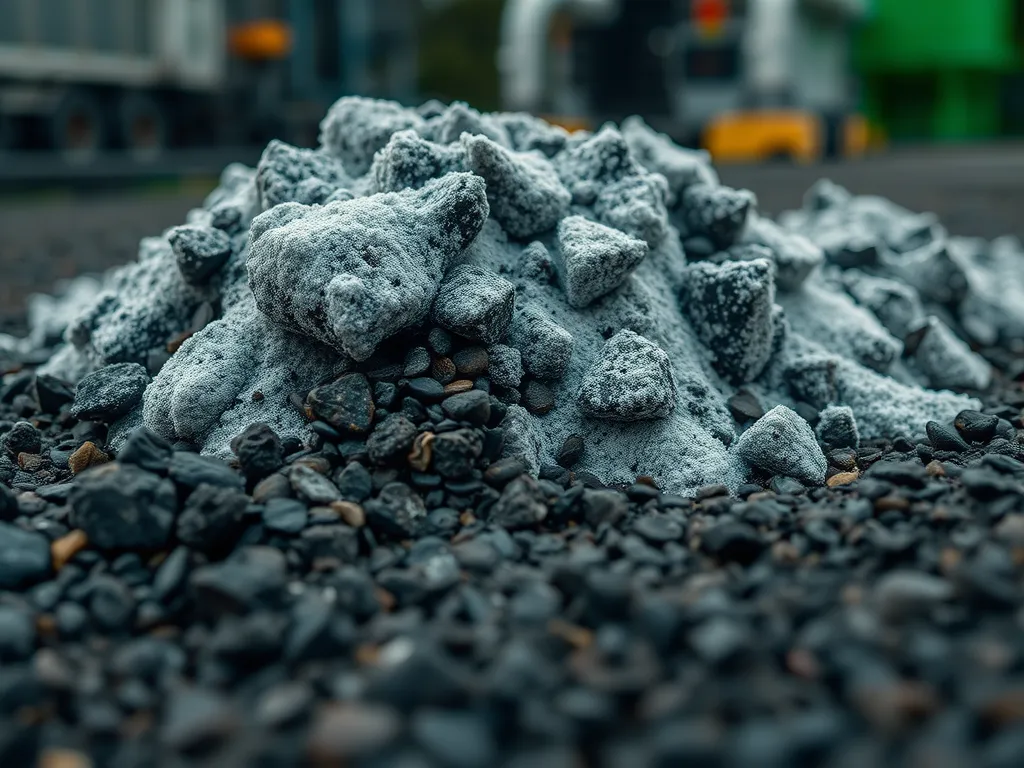
Aggregates form 90-95% of warm asphalt mix by weight. Sharp, angular crushed stone boosts interlock for load spread. Smooth, round gravel weakens rut resistance. Follow ASTM D692 specs for size and shape. Tight gradation (like Superpave) cuts air voids, aids compaction at lower temps. Gap-graded mixes need extra filler to bind gaps.
Binder Type and Performance Requirements
PG-graded binders (e.g., PG 64-22) handle WMA’s lower heat (230-275°F vs HMA’s 300-350°F). Soft binders flow better in cool temps but may rut. Hard binders crack in cold. Modifiers like SBS polymers add stretch. Test binder aging with RTFO + PAV (AASHTO T 240).
| Binder Grade | Temp Range (°F) | Common Modifiers |
|---|---|---|
| PG 58-28 | 230-260 | Waxes, Sasobit® |
| PG 64-22 | 250-275 | SBS, Elvaloy® |
Incorporating Reclaimed Asphalt Pavement (RAP)
RAP cuts new binder use by 15-30% in warm asphalt mix. Screen milled chunks to ½” max size. Test aged binder stiffness (G/sinδ via AASHTO T 315) to set blend ratios. High RAP (>25%) needs softer virgin binder to offset stiffness. Track moisture in RAP – above 0.5% hurts foam tech.
Filler Materials and Their Impact
Fillers (1-2% by weight) plug voids, stiffen the mix. Hydrated lime fights moisture damage. Fly ash (ASTM C618) boosts work time. Test fines with sand equivalent (ASTM D2419) – aim >50. Excess filler (<0.075mm) traps air, weakens mat density.
With materials set, next we’ll break down how additives fine-tune warm mix asphalt performance.
Also See: Hot Mix Asphalt Surface Treatments: Key Benefits
Additives Used in Warm Mix Asphalt
Additives define the performance of warm mix asphalt materials by lowering production temperatures while maintaining workability. Three primary categories drive innovation in warm asphalt mix design.
Organic Additives (E.g., Waxes)
Waxes like Sasobit® or Montan reduce asphalt binder viscosity, enabling mixing at 30-50°F lower than traditional hot mix. These warm mix asphalt materials melt between 185-212°F, easing aggregate coating without compromising stiffness. Benefits include:
- Fuel savings up to 20% during production
- Extended paving seasons in colder climates
- Reduced risk of thermal cracking at 0.5-3% dosage rates
Excessive wax content can soften pavements in high-heat regions, requiring precise warm mix asphalt material selection.
Chemical Additives (E.g., Surfactants)
Surfactants such as Evotherm® modify the binder’s surface tension, allowing water dispersion to lubricate the mix. These warm asphalt mix additives work at 0.5-1% of binder weight, maintaining compaction at 230-275°F. Key advantages:
- Enhanced moisture resistance for RAP blends
- No plant modification needed
- Lower emissions by 30-50% versus HMA
Chemical additives excel in urban areas with strict air quality standards.
Foaming Technologies for Binder Modification
Foaming injects 1-2% water into hot binder, expanding its volume by 10-15x for better aggregate coating. Systems like WAM-Foam or Astec Double Barrel Green cut temps to 220-280°F. This warm mix asphalt mixture method offers:
- Up to 40% RAP integration without aging
- Zero additive costs beyond equipment upgrades
- Consistent density across variable weather
Foam stability remains critical—poor control leads to uneven mat textures.
Balancing additive types with project needs ensures optimal warm mix asphalt performance. Next, precise temperature management determines how these materials behave during placement.
Temperature Considerations for Warm Mix Asphalt
Heat control shapes how warm mix asphalt performs. Lower temps cut energy use but need precise material picks to keep strength.
Optimal Production and Layering Temperatures
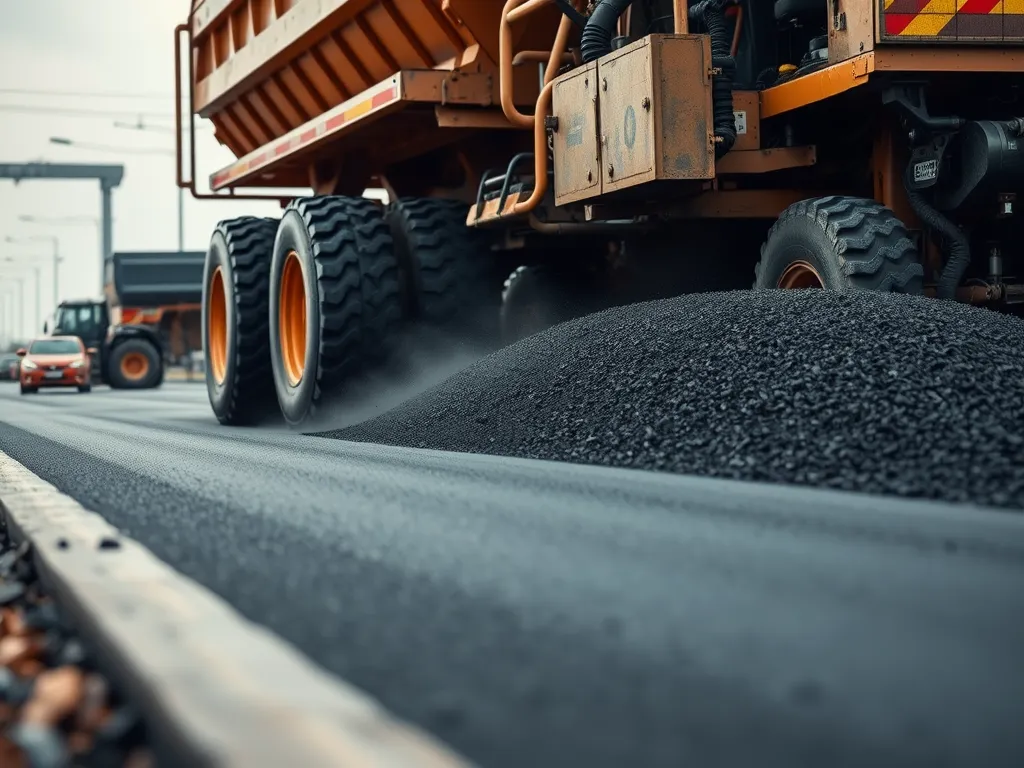
Warm mix asphalt cooks at 250-275°F, 50-100°F cooler than hot mix. Lay it down at 175-220°F. These ranges shift based on additives like wax or foam tech. Pick binders (PG 64-22, PG 58-28) that flow well in this zone. Aggregates must bond fast as heat drops.
Low temps save fuel—up to 35% less CO2 vs hot mix. But mix design must lock in work time. RAP content above 20% may need 10-15°F bumps to blend well.
Effects Of Temperature on Mix Performance
Too cool? Binder won’t coat stones right. Too hot? Additives break down. Warm asphalt mix design balances this. Tests show 275°F mixes hit 98% density vs 300°F hot mix. Cold lay sites (below 50°F) need softer binders to avoid cracks.
Thermal cracks spike when temp swings stress weak bonds. Using polymer-mod binders (PMB) or fine fillers like lime boosts low-temp flex. Mixes with 12% air voids fail 2x faster than 7% voids—density is key.
Next, strict specs ensure these materials meet road needs. Standards set rules for gradation, binder tests, and green goals.
Warm Mix Asphalt Specifications and Standards
Meeting precise specifications ensures warm mix asphalt materials perform under traffic loads while maintaining environmental benefits. Governing bodies set strict benchmarks for components like binders, aggregates, and additives.
Industry Standards for Material Quality
Organizations like AASHTO, ASTM, and state DOTs define quality parameters for warm asphalt mix selection. Binders must meet PG (Performance Grade) classifications—PG 64-22 remains common for balanced stiffness. Aggregates require specific gradation per Superpave criteria, with 95% fractured faces mandated for high-traffic zones. Reclaimed asphalt pavement (RAP) inclusion follows AASHTO M 323, capping at 25% without compromising rut resistance. Additives like Evotherm or Sasobit require third-party certification proving viscosity reduction below 135°C.
Testing Methods for WMA Compliance
Engineers verify warm mix asphalt material design through lab and field tests. The Hamburg Wheel Track Test (AASHTO T 324) evaluates rutting by simulating 20,000 load cycles at 50°C. Dynamic Modulus testing measures stiffness across temperatures from -10°C to 54°C. For workability, the Compactability Index ensures mixes reach 92% density within 75 gyrations using the Superpave gyratory compactor. Volumetric checks target 4-6% air voids, with Voids in Mineral Aggregate (VMA) exceeding 14% to prevent cracking.
Following these protocols guarantees warm mix asphalt meets longevity targets of 15-20 years. Up next: how production tweaks turn these materials into durable pavement.
Production Process Of Warm Mix Asphalt
Creating warm mix asphalt requires precise adjustments to materials and methods. Lower production temperatures (230°F–300°F) demand careful coordination between components and equipment to maintain pavement quality.
Mixing Techniques and Technologies
Warm mix asphalt material selection directly affects mixing methods. Foaming processes inject water or steam into hot binder, expanding its volume by up to 20%. This allows better aggregate coating at reduced heat. Organic additives like Sasobit wax lower binder viscosity, while chemical agents such as Evotherm surfactants improve workability.
| Technology | Temp Reduction | Key Materials |
|---|---|---|
| Water Foaming | 30–50°F | PG 64-22 binder, granite aggregates |
| Organic Additives | 20–40°F | Polymer-modified binders, RAP |
| Chemical Packages | 25–45°F | Limestone filler, hydrated lime |
Adjusting Traditional HMA Plants for WMA
Converting hot mix plants for warm asphalt mix production often involves adding foaming nozzles or additive injection systems. Drum mixers need modified burner settings to prevent overheating sensitive materials like recycled asphalt pavement (RAP). Batch plants may require separate tanks for storing warm mix asphalt materials such as synthetic zeolites or liquid antistrips.
Key retrofits include:
- High-pressure water tanks for foaming (10–15 psi)
- Precision additive meters (±0.5% accuracy)
- Aggregate dryer upgrades to handle 15–20% RAP
Plant operators report fuel savings of 18–35% with warm mix asphalt engineering adjustments. Emission reductions align with EPA standards, cutting CO₂ output by 30% compared to HMA.
Next, let’s examine how these material and process choices stack up against conventional hot mix asphalt methods.
Comparing Warm Mix Asphalt and Hot Mix Asphalt (HMA)
Warm mix asphalt (WMA) and hot mix asphalt (HMA) serve similar road-building goals but differ in how materials are chosen and used. Lower heat in WMA changes what goes into the mix and how it holds up over time.
Key Differences in Material Requirements
WMA relies on additives to lower production temps by 30-120°F versus HMA. Organic waxes (like Sasobit) or chemical surfactants let binders coat aggregates at 230-275°F, not 300-350°F for HMA. This shifts binder grade needs—PG 64-22 may switch to PG 70-22 for better low-temp flow. More reclaimed asphalt (RAP) works in WMA since less heat slows binder aging. Aggregates must meet strict gradation specs to compact well at lower temps.
Performance and Durability Factors
Proper warm mix asphalt material selection matches HMA in strength when tested. Hamburg wheel tracking shows WMA rut resistance within 5% of HMA if binders have high PG grades. Moisture damage risk rises if additives weaken bond strength—tensile strength ratio tests keep this in check. Aggregates with low dust (under 1%) boost adhesion in cooler mixes. Field data from 15-state DOTs show WMA pavements last 12-15 years, like HMA, when mix designs meet AASHTO M 323 specs.
These factors shape how engineers tweak warm asphalt mix design for cost, climate, and traffic. Next, we break down how smart material picks boost workability and cut long-term fixes.
Benefits Of Proper Material Selection in WMA
Choosing the right warm mix asphalt materials shapes how the mix behaves during paving and lasts over time. Key gains include easier handling during builds and roads that stay strong for decades.
Enhanced Workability and Compaction
Picking warm asphalt mix materials like organic waxes or surfactants cuts binder viscosity. This lets crews compact the mix at temps 30-100°F lower than hot mix. Proper aggregate gradation (e.g., 12.5mm NMAS) reduces particle friction. Result? Smooth laydowns with 92-96% density targets hit faster.
- Waxes (Sasobit®) or chemical agents (Evotherm®) keep mixes fluid at 230-275°F
- Crushed stone with 2-4% dust ensures tight particle lock
- Lower plant temps save 20-35% fuel costs
Long-term Pavement Performance
Smart warm mix asphalt material design fights rutting, cracks, and moisture harm. PG 64-22 binders with 15-30% RAP boost aging resistance. Fillers like hydrated lime (1-2% by weight) block water damage. Air voids held to 4-6% prevent early wear.
- RAP adds aged binder stiffness – cuts new binder use by 18%
- PG 70-22 binders handle heavy trucks in hot zones
- 6% lime filler raises tensile strength by 40%
Nailing the warm asphalt mix selection sets up roads for 20+ years of service. Next, let’s see how these material picks shine in real-world builds.
Common Applications Of Warm Mix Asphalt
Warm mix asphalt materials shine in scenarios where traditional hot mix struggles. Proper warm asphalt mix design ensures adaptability across diverse projects while cutting energy use by 20-35%. Let’s explore two key applications tied directly to material choices.
Road Construction and Rehabilitation Projects
Over 75% of U.S. highway agencies now use warm mix asphalt material selection for roadwork. The right blend of PG 58-28 binders, angular aggregates, and 15-30% RAP content creates mixes that compact evenly at 250°F—50°F cooler than hot mix. Chemical additives like Evotherm DAT maintain workability during extended haul times, critical for multi-lane highway jobs. Agencies like Caltrans specify warm asphalt mix designs with 12.5 mm nominal aggregate size for high-traffic overlays, balancing durability with lower production costs.
Use in Cold Weather Paving Conditions
Warm asphalt mix selection enables paving at 40°F ambient temperatures—unthinkable with hot mix. Organic additives such as Sasobit REDUX lower binder viscosity, preventing thermal cracking during early-winter placements. Contractors in Minnesota pair PG 52-34 binders with 18% RAP in mixes that retain 290°F laydown temps for 25 minutes post-loading. Fine aggregates (≤4.75 mm) dominate these designs, improving surface friction on frost-prone roads while meeting AASHTO T 283 moisture resistance standards.
These applications showcase how warm mix asphalt engineering solves real-world challenges. Next, we’ll examine how material innovations translate to measurable environmental gains.
Environmental Impact Of Warm Mix Asphalt
Choosing the right warm mix asphalt materials directly influences eco-efficiency. Lower production temperatures cut energy use while maintaining structural integrity. This balance makes warm mix asphalt material selection vital for reducing environmental footprints without sacrificing road quality.
Reduced Energy Consumption and Emissions
Warm mix asphalt mix design slashes production temperatures by 30-50°F compared to traditional hot mix. Lower heat means less fuel burned—typically 20-35% less diesel or natural gas. Fewer greenhouse gases follow: projects emit 15-30% less CO₂, with nitrogen oxides (NOₓ) down by 20%. Particulate matter drops too, improving air quality near plants. These gains stem from optimized warm asphalt mix material choices, like foaming technologies or organic waxes that improve binder workability at reduced temps.
Sustainability Advantages in Material Usage
Warm mix asphalt engineering thrives on reusing resources. Incorporating reclaimed asphalt pavement (RAP) at rates up to 30% cuts demand for virgin aggregates. Modern mix designs pair RAP with performance-graded binders like PG 64-22 to prevent brittleness. Chemical additives such as Evotherm or Rediset boost coating efficiency, letting recycled blends match virgin material strength. This circularity lowers landfill waste by 1.2 million tons yearly in the U.S. alone. Selecting the right materials for warm asphalt—like high-RAP blends or low-carbon fillers—shrinks resource depletion while meeting AASHTO M 332 specs.
With eco-friendly benefits established, let’s examine how industry standards ensure quality in warm mix asphalt production.
FAQs on Warm Mix Asphalt Material Selection
What is the Composition Of Warm Mix Asphalt?
The composition of warm mix asphalt (WMA) primarily includes aggregates, asphalt binders, and various additives designed to enhance performance and reduce production temperatures. Aggregates, typically making up 90-95% of the mix, provide structural strength, while the binder ensures the mixture holds together. Additives can include organic and chemical agents that lower viscosity and improve workability during mixing.
How Do You Make Warm Mix Asphalt?
Warm mix asphalt is produced by incorporating specific additives into traditional asphalt mixtures to enable lower mixing temperatures. Techniques include using organic waxes or chemical surfactants that modify the binder’s viscosity, allowing it to coat aggregates effectively at temperatures between 212°F and 275°F, which are significantly lower than those used for hot mix asphalt.
What Additives Are Used in Warm Mix Asphalt?
Additives used in warm mix asphalt typically fall into three categories: organic additives such as waxes (like Sasobit), chemical additives including surfactants (like Evotherm), and foaming technologies that introduce water or steam to alter the binder’s viscosity. These additives help achieve lower production temperatures while maintaining the mix’s performance.
What Temperature Range is Optimal for WMA?
The optimal production temperature for warm mix asphalt ranges from 250°F to 275°F, which is significantly lower than hot mix asphalt. The laying temperature for WMA is generally between 175°F and 220°F to ensure proper compaction and bonding.
How Does WMA Differ From Hot Mix Asphalt?
Warm mix asphalt differs from hot mix asphalt primarily in production temperature and the materials used. WMA is produced at 30-100°F lower temperatures compared to HMA due to the utilization of specific additives that lower binder viscosity. This difference leads to various material requirements and performance characteristics, enabling the use of more recycled materials like reclaimed asphalt pavement (RAP).
Are There Specific Specifications for WMA Materials?
Yes, warm mix asphalt materials must adhere to various specifications set by organizations such as AASHTO and ASTM. These specifications include requirements for binder grades, aggregate gradation, and the allowable percentage of recycled materials. Compliance with these standards ensures the longevity and performance of WMA in pavement applications.
Closing Thoughts
Material selection plays a vital role in the performance of warm mix asphalt (WMA). Choosing the right aggregates and binder grades enhances durability and workability. Incorporating additives strategically can further improve mix characteristics, ensuring better performance under varying conditions.
With WMA, the benefits are clear: reduced energy consumption, lower emissions, and improved sustainability. This makes it an excellent choice for road construction and rehabilitation projects. Understanding the critical aspects of material selection ensures that your WMA applications are successful and environmentally friendly.
For more insights and resources about warm mix asphalt and construction-related topics, visit Asphalt Calculator USA.
Useful References for You:
- HMA Pavement Mix Type Selection Guide
- Warm Mix Asphalt – an overview | ScienceDirect Topics
- Warm Mix Asphalt Technologies and Research – WMA – Sustainability – Pavements – Federal Highway Administration
- Chapter 7 – Selection of Asphalt Concrete Mix Type | A Manual for Design of Hot-Mix Asphalt with Commentary | The National Academies Press
Also See: Importance Of Maintaining Proper Drainage to Prevent Damage