
Mastering Moisture Control for Perfect Asphalt Compaction
Published on: March 15, 2026 | Last Updated: April 14, 2025
Written By: George Voss
Managing moisture for optimal compaction means keeping asphalt mix water content between 0.5% and 3% by weight during paving. This range lets rollers squeeze air out without trapping steam or leaving gaps. Unlike soil compaction (which needs 10-20% moisture), asphalt relies on minimal water to help particles slide into place before the binder hardens. Get it wrong, and you risk weak pavement or wasted materials.
This article explains how water impacts asphalt density, tools like infrared sensors and nuclear gauges to measure it, and fixes for common issues. You’ll learn industry testing methods (AASHTO T 329), why some states ban mixes above 2% moisture, and how pre-drying aggregates saves $12-$18 per ton in fuel costs. We’ll also compare lab vs jobsite moisture checks and show real paving results from precise control.
Contents
- Understanding Moisture’s Role in Asphalt Compaction
- Determining Optimal Moisture Content for Asphalt
- Impact Of Moisture on Asphalt Compaction Quality
- Methods to Measure Moisture in Asphalt
- Managing Moisture During Asphalt Production and Compaction
- Tools for Moisture and Compaction Control
- Case Studies: Effective Moisture Management
- Environmental Considerations
- Frequently Asked Questions (FAQ)
- Final Words
- Useful References for You:
Understanding Moisture’s Role in Asphalt Compaction
Moisture drives density during compaction. Without precise control, mix quality suffers. This section breaks down how water interacts with hot-mix asphalt (HMA) during paving operations.
What is Moisture Content in Asphalt Mix?
Moisture content refers to the weight of water within the mix, expressed as a percentage of the total mass. In HMA, stone, sand, and binder form the base. Water enters through raw materials like aggregates or during production. Ideal ranges sit between 0.5% to 3% depending on mix type. For example, Superpave mixes with PG 64-22 binder require 1.2-1.8% water for proper compaction. Excess beyond 3% creates steam voids under rollers, while under 0.5% limits particle movement.
Key Differences Between Soil and Asphalt Moisture Management
Soil compaction relies on water to lubricate particles. Tests like the Proctor method target 10-20% moisture for maximum density. Asphalt operates differently. Water isn’t part of the final product—it’s a temporary aid. Here, moisture softens the binder slightly, letting particles shift into tight positions under rollers. Pre-drying aggregates to 0.5% before mixing is standard, versus soil’s reliance on natural moisture. Field checks for soil use simple penetration tests, while asphalt demands nuclear density gauges or infrared sensors for real-time data. Tolerances tighten too: ±5% variation works for soil, but HMA requires ±0.5% to meet specs.
Grasping these concepts sets the stage for dialing in precise moisture levels. Next, we’ll explore methods to determine the exact sweet spot for your mix.
Determining Optimal Moisture Content for Asphalt
Getting the right water level in asphalt mix makes or breaks road strength. Too dry or too wet leads to weak spots, cracks, or rutting. Let’s break down how pros find the sweet spot.
What is the Optimal Moisture Content for Asphalt Compaction?
Best water levels range from 0.5% to 3% by weight. Hot mix asphalt (HMA) needs less (0.5%-1.5%) due to high heat. Warm mix (WMA) uses 1%-3% to stay workable at lower temps. Key factors: aggregate type, binder grade, and job site weather.
Industry Standards and Testing Protocols
ASTM D2041 (foam test) and AASHTO T99 (Proctor test) set the rules. Labs bake samples in ovens at 325°F to measure dry mass vs wet. Field crews use nuclear gauges for fast checks. Target: 95% density per Superpave specs.
How to Calculate and Adjust Moisture in Asphalt Mixes
Math first: (Wet weight – Dry weight) / Dry weight x 100 = % moisture. If a 500g sample loses 10g when dried, moisture is 2%. Adjust by pre-drying stone or adding water via spray bars. Batch plants track this with probes that update every 15 seconds.
Got the mix right? Now see how water levels shape road life. Up next: what happens when moisture misses the mark.
Impact Of Moisture on Asphalt Compaction Quality
Moisture levels shape how well asphalt compacts. Too much or too little water leads to weak roads. Proper moisture content ensures tight bonds and long life.
Effects Of Excess Moisture: Reduced Density and Durability
High moisture in the mix acts as a barrier. It stops rocks and binder from locking tight. Tests show mixes with 3% over optimum moisture drop density by 5-8%. This creates soft spots prone to cracks and ruts under heavy trucks.
Excess water also weakens the binder’s grip. Roads lose sturdiness, cutting service life by up to 40% in high-traffic zones. Potholes form faster, raising repair costs.
Risks Of Low Moisture: Poor Binding and Surface Defects
Dry mixes fail to spread evenly. The binder can’t coat all rocks, leading to loose gravel (raveling) on top. Low moisture also causes hairline cracks as the surface dries too fast. These flaws let water seep in, speeding up wear.
Mixes below 1.5% moisture often fail density checks. They lack the lubrication needed for two-jacketed compactors to press particles into a solid mass. Cold weather worsens this issue, demanding precise moisture control.
To fix these issues, crews must track moisture at each step. Next, we’ll explore tools that measure water levels in real time.
Also See: Durable Asphalt for Commercial Roadways
Methods to Measure Moisture in Asphalt
Accurate moisture management starts with reliable measurement. Testing ensures mixes meet compaction moisture content targets. Two approaches dominate: lab-based precision and real-time field tools.
Laboratory Testing (Ignition Oven, Microwave Drying)
Lab tests set baseline moisture content for mixes. Ignition ovens heat samples to 500°F, vaporizing water and binder. Technicians calculate moisture levels by comparing pre- and post-heating weights per ASTM D1461. Microwave drying cuts testing time to 10-15 minutes using electromagnetic waves. Both methods require cooled samples to avoid distorted results.
On-site Tools: Infrared Sensors and Pinless Moisture Meters
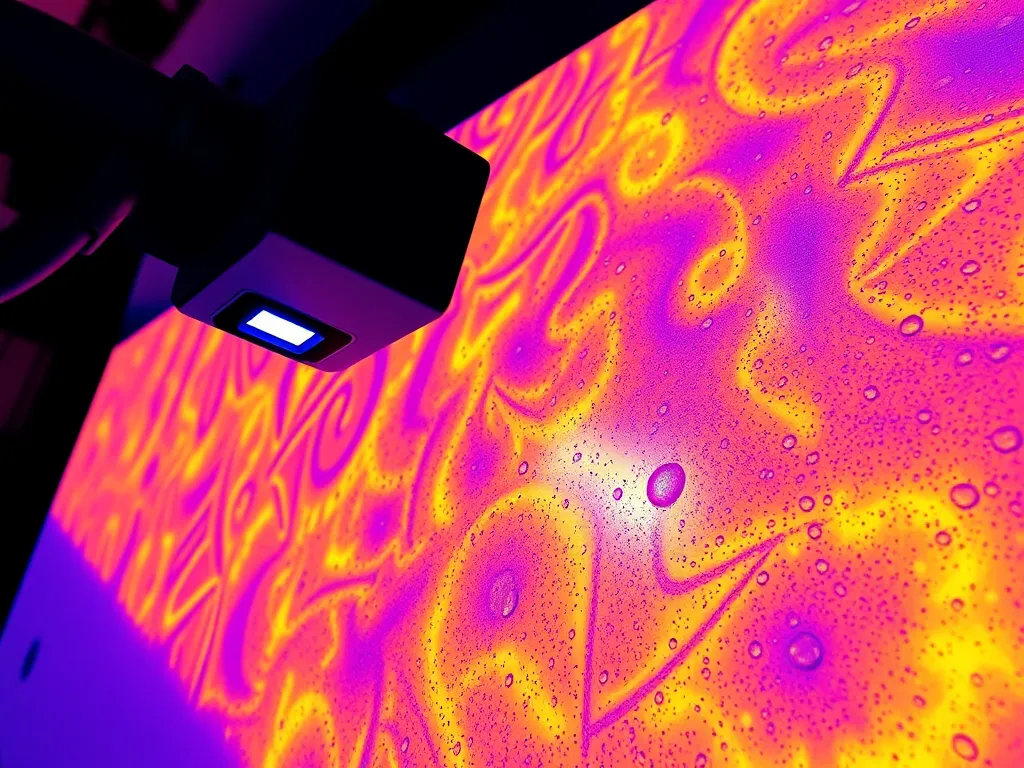
Field crews rely on instant data. Infrared sensors detect thermal patterns, spotting excess moisture through temperature shifts. Pinless meters emit electromagnetic waves up to 6 inches deep, measuring subsurface levels without piercing the mat. These tools deliver ±0.5% accuracy, enabling adjustments during paving. Contractors use them to verify moisture for proper compaction before rolling.
With precise moisture data, teams can move to the next phase: controlling moisture during production and compaction processes.
Managing Moisture During Asphalt Production and Compaction
Controlling moisture levels during production directly impacts mix workability. Proper techniques ensure uniform density during rolling.
Pre-drying Aggregates to Reach Proper Moisture Content
Aggregates hold 2-5% natural moisture. Pre-drying reduces excess water before mixing. Rotary drum dryers heat materials to 300°F, lowering moisture to 0.5-3%—the sweet spot for binding with PG 64-22 binders. Over-drying causes mix brittleness. Under-drying leads to steam voids under compaction.
- Moisture targets: 1.2% for fine aggregates, 0.8% for coarse
- Fuel savings: Proper drying cuts liquid propane use by 15%
Real-time Moisture Monitoring in Batch Plants
Modern plants deploy microwave sensors tracking moisture every 8 seconds. Systems like Troxler’s 4850 series auto-adjust feed rates if readings exceed ±0.2% deviation. Infrared thermography maps thermal profiles to spot wet/dry zones in stockpiles.
- Data syncs with mix design software (e.g., AutoCAD Civil 3D)
- Tolerance: ±0.15% for Superpave mixes
Using Two-Jacketed Compactors for Precision
Two-jacketed steel rollers apply 600 psi pressure in two phases. The inner jacket compresses the mix core, while the outer layer seals surface moisture. This prevents rapid cooling in lifts over 4 inches. Trials show 2-3% higher density versus single-jacketed models.
- Ideal for mixes with 1.8-2.3% total moisture
- Reduces air voids to 4-6% per ASTM D7064/D7064M
With moisture locked in during compaction, the next phase focuses on verifying density using nuclear gauges and thermal profiling.
Tools for Moisture and Compaction Control
Proper tools ensure precise moisture control during asphalt work. They help crews hit target density and avoid costly re-dos.
Moisture Probes in Asphalt Mixers
Moisture probes track water levels in mixers in real time. These sensors use radio waves to scan hot mix. They alert plant crews if levels drift outside the 0.5-1.5% optimal range. Fast fixes keep the mix workable for rollers. For example, a 1% drop in moisture can cut density by 3-5%.
Nuclear Density Gauges for Post-compaction Validation
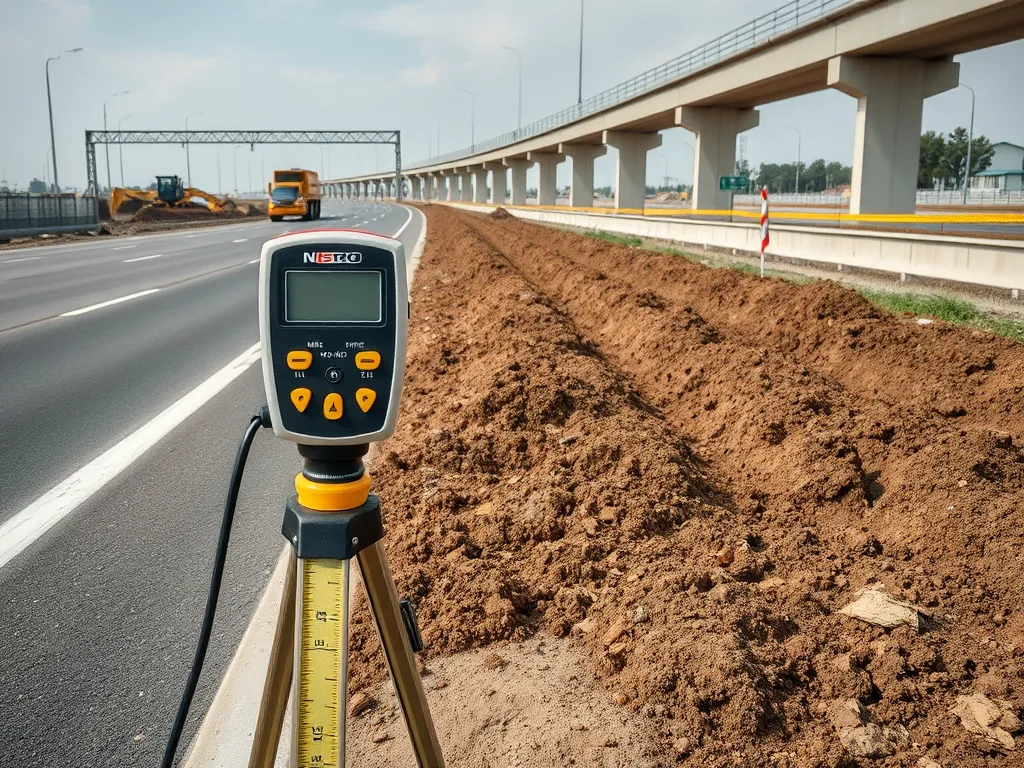
Nuclear gauges check if compacted asphalt meets density goals. They shoot gamma rays into the mat and measure how much bounces back. Low readings signal weak spots, often tied to poor moisture control. Most states require 92-96% density for roads. Gauges cut test time from hours to minutes.
| Gauge Model | Depth Range | Use Case |
|---|---|---|
| Troxler 3450 | Up to 12″ | Highways |
| CPN MC-3 | Up to 6″ | Parking Lots |
With these tools, teams can spot issues before pavements fail. Next, we’ll see how real projects put moisture control to the test.
Case Studies: Effective Moisture Management
Real-world projects prove how managing moisture content directly impacts asphalt performance. These case studies highlight techniques for achieving compaction moisture content across different climates and applications.
Case Study #1: High-density Urban Roadway With Optimal Moisture
A 2023 Chicago arterial road rebuild required 98% density to withstand 50,000+ daily vehicles. Contractors pre-dried limestone aggregates to 0.8% residual moisture before mixing with PG 64-22 binder. Infrared sensors tracked moisture for proper compaction during laydown, maintaining 2.1% total moisture in the mix. Post-construction tests using nuclear density gauges showed 97.3% compaction – exceeding Illinois DOT’s 96% minimum. The roadway showed zero rutting after 12 months, saving $38,000 in early repairs.
Case Study #2: Cold-weather Compaction Challenges
A Fairbanks, Alaska airport apron project faced -10°F laydown temperatures. Initial mixes at 1.2% moisture caused poor bonding due to rapid binder cooling. Crews adjusted moisture content to 1.8% using heated pavers and PG 58-34 polymer-modified asphalt. Two-jacketed compactors preserved mix heat while achieving 93% density in three passes. Thermal imaging confirmed surface temps stayed above 185°F during rolling – critical for moisture-driven particle alignment in subzero conditions.
Mastering moisture for optimal compaction requires adapting to project-specific demands. Next, we’ll explore how environmental regulations shape modern moisture control practices.
Environmental Considerations
Balancing asphalt performance with environmental stewardship demands strategic moisture management. Precise control minimizes resource waste and protects ecosystems.
Reducing Water Waste in Asphalt Production
Modern plants cut water use by 30% through advanced moisture management. Pre-drying aggregates to 0.5-1.5% residual moisture lowers the need for added water during mixing. Automated probes track real-time data, adjusting inputs within ±0.3% accuracy. Reclaiming steam from hot-mix processes further trims consumption.
- Recycled asphalt pavement (RAP) integration reduces virgin material needs by 20-30%, lowering water demand
- Closed-loop systems in drum plants recycle 95% of excess moisture
- PG binders (performance-graded asphalt) require less water for viscosity control
Managing Runoff From Moisture-treated Mixes
Excess compaction moisture increases pollutant-laden runoff risks. Superpave mixes with 4-6% air voids allow better drainage, cutting runoff volume by 18%. Permeable asphalt layers with 16-22% void space filter 80% of particulates before water reaches soil.
- Retention basins capture 90% of first-flush contaminants
- pH-neutralizing additives prevent acidic runoff (target pH 6.5-7.5)
- Infrared sensors detect surface moisture variations above 0.25 gallons/yd²
EPA guidelines mandate silt fences and berms for mixes exceeding 7% total moisture. Properly compacted surfaces with 92-96% density reduce annual runoff by 1,200 gallons per mile.
These strategies prove that effective moisture control supports both pavement longevity and ecological health. Up next: tools and technologies that turn theory into measurable results.
Frequently Asked Questions (FAQ)
What is the Importance Of Managing Moisture in Asphalt Compaction?
Managing moisture is crucial because it directly impacts the density and durability of asphalt. Achieving the right moisture content ensures that the asphalt particles can bind effectively, leading to a strong, long-lasting pavement. Improper moisture levels can result in weak points, cracks, or ruts.
How Does Moisture Content Assist in Achieving Proper Density?
Moisture acts as a lubricant during the compaction process. The correct moisture content allows asphalt particles to slide into place under the pressure of rollers, ensuring that they lock tightly together and create a dense, stable mat. This helps prevent issues such as air voids and weak spots within the pavement.
Is It Better to Compact Asphalt With Higher or Lower Moisture?
Ideal compaction requires moisture levels that are neither too high nor too low. Excess moisture can lead to reduced density and durability, while insufficient moisture can result in poor binding and surface defects. The optimal moisture range for asphalt compaction typically falls between 0.5% and 3% by weight, depending on the type of mix.
What Methods Can Be Used to Monitor Moisture During Asphalt Production?
Tools such as infrared sensors and nuclear density gauges are commonly used to monitor moisture levels in real-time. These instruments provide immediate feedback on moisture content during the mixing and laying processes, allowing for adjustments to be made promptly to maintain optimal conditions.
How Can Aggregates Be Dried to Achieve the Right Moisture Content?
Aggregates can be dried using rotary drum dryers, which heat the materials and reduce their moisture content to the desired level before mixing. This step is crucial to achieving proper binding with asphalt binders and preventing steam voids during compaction.
What Are the Benefits Of Using Two-jacketed Compactors in Asphalt Compaction?
Two-jacketed compactors allow for better control over the mixing and compression of asphalt. The dual-layer design helps maintain the moisture content in the mix while applying pressure, which results in higher density and reduced air voids compared to single-jacketed models. This enhances the overall durability and lifespan of the pavement.
Final Words
Effective moisture management is vital for achieving optimal asphalt compaction. Understanding the balance of moisture content allows for enhanced density, durability, and overall pavement performance. Both excess and insufficient moisture can lead to significant issues, affecting the final product’s integrity.
Utilizing advanced tools and methods, such as real-time moisture monitoring and laboratory testing, ensures that asphalt is produced and compacted with precision. These practices not only improve quality but also instill confidence in the long-term sustainability of asphalt pavements.
For comprehensive information on asphalt practices, including moisture management techniques and calculations, visit Asphalt Calculator USA.
Useful References for You:
- The Asphalt Institute. (2007). MS-4: The Asphalt Handbook. Lexington, KY: Asphalt Institute.
- Managing Soil Compaction at Planting and Harvesting
- Soil moisture conditions — consideration for soil compaction | Integrated Crop Management
- Effect of Moisture and Soil Compaction on Tillage Operations
- Optimizing Soil Compaction

