Protect Your Asphalt Path: Maintenance Tips That Save Time & Money
Published on: March 15, 2026 | Last Updated: April 14, 2025
Written By: George Voss
Maintenance tips for asphalt paths prevent costly repairs by addressing small issues early. Regular sweeping, prompt stain removal, and crack sealing protect against water damage and surface erosion. Well-maintained asphalt lasts 15-20 years – doubling the lifespan of neglected paths. Most tasks require basic tools like stiff brooms, asphalt crack filler ($12-$30 per gallon), and sealcoating supplies.
This guide covers seven key strategies to preserve your pavement. Learn how often to sealcoat (every 2-3 years), when to use rubberized crack filler versus patching compounds, and why proper drainage prevents 80% of asphalt failures. Get step-by-step instructions for DIY repairs and spot warning signs like alligator cracking or standing water.
Contents
- Why Regular Asphalt Path Maintenance Matters
- Routine Cleaning for Asphalt Path Longevity
- Inspecting Asphalt Paths for Early Damage
- Repairing Cracks in Asphalt Paths
- Sealcoating Asphalt Paths for Protection
- Managing Drainage Around Asphalt Paths
- Preventive Measures for Asphalt Path Care
- Eco-friendly Asphalt Path Upkeep Practices
- FAQs About Asphalt Path Maintenance
- Closing Thoughts
- Additional Resources for You:
Why Regular Asphalt Path Maintenance Matters
Neglecting asphalt path care leads to rapid deterioration. Sun exposure breaks down binder materials, while water infiltration erodes base layers. Freeze-thaw cycles widen cracks, creating potholes that triple repair costs. Proper upkeep preserves structural integrity for 15-25 years versus 7-12 years for untreated surfaces.
Three core benefits drive maintenance urgency:
- Cost control: Fixing small cracks under ¼” costs $0.15-$0.35 per linear foot. Ignored cracks reaching 1” width spike repair expenses to $2-$5 per foot
- Surface preservation: Annual sealcoating with coal-tar or asphalt-based emulsions blocks UV damage and reduces raveling by 80%
- Safety enhancement: Smooth surfaces prevent trip hazards and improve traction with 35-60 Friction Numbers (FN) versus worn paths scoring below 30 FN
Unmaintained paths develop alligator cracking within 3-5 years, requiring full-depth repairs at $8-$12 per square foot. Preventive measures like crack filling and edge sealing cut long-term costs by 40-60%.
Now let’s examine daily cleaning practices that form the foundation of effective asphalt path maintenance.
Routine Cleaning for Asphalt Path Longevity
Clean paths last longer. Dirt and grime speed up wear. Weekly care stops small issues from becoming big fixes.
Remove Debris and Stains Promptly
Leaves, mud, or oil trap moisture. This softens asphalt and breeds cracks. Sweep loose grit with a stiff broom. Blot fresh oil stains fast—use kitty litter or oil-dry powder. Let it sit 2 hours, then sweep. For tree sap or tire marks, scrub with a mix of dawn soap and warm water.
Use Gentle Cleaning Methods for Asphalt Surfaces
Power washers over 1500 PSI strip the top layer. Stick to garden hoses or low-pressure spray. Mix 1 cup baking soda per gallon of water for moss or algae. Scrub with a soft brush, rinse fast. Never pour bleach or acid—these eat the binder that holds the mix tight.
Clean paths stay smooth and drain well. Spotting weak areas early saves cash on repairs.
Inspecting Asphalt Paths for Early Damage
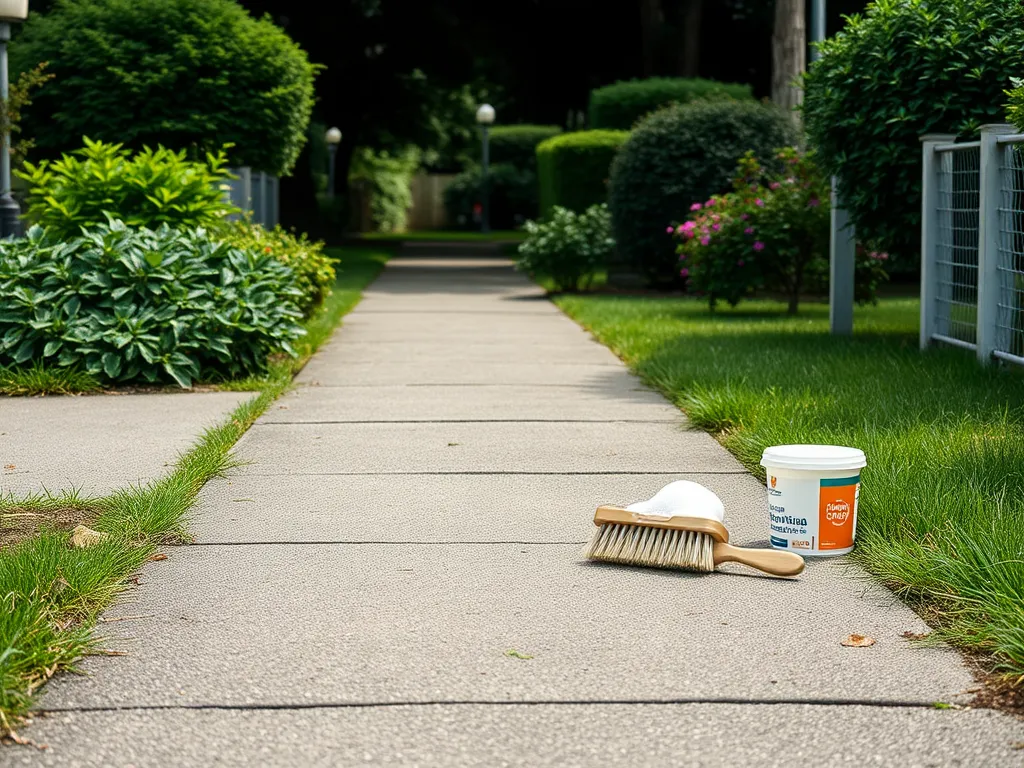
Spotting minor issues quickly forms a foundation for lasting asphalt path care. Annual inspections during spring or fall allow proactive fixing before small flaws turn into costly fixes.
Check for Surface Cracks and Fading
Scan paths for cracks wider than 1/4 inch—hairline splits may only need sealant, but alligator cracks signal structural harm. Fading shows oxidation from sun; gray spots mean bitumen is losing binding power. Use chalk to mark areas needing work. For paths with 10%+ surface cracking, consult a paving pro to avoid sublayer harm.
Identify Drainage Issues Along Paths
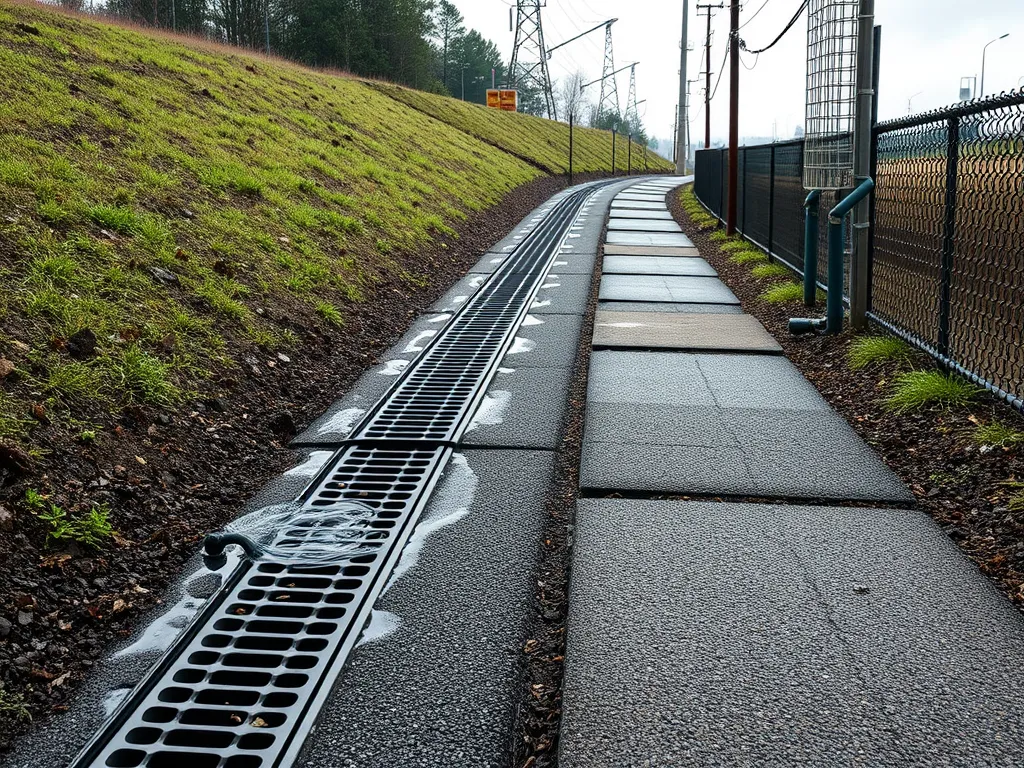
Standing water weakens asphalt bases. Walk paths after rain—puddles lasting 24+ hours point to slope or grading faults. Inspect edges for soil buildup blocking runoff. Install 2-4% cross-slopes or add trench drains if water pools near walk zones. Fixing drainage adds 5-7 years to path lifespans by stopping frost heave and base washouts.
Finding flaws early simplifies asphalt path repair tips. Now, let’s look at fixing cracks based on size and depth.
Also See: Asphalt in Extreme Climate Conditions: Durability Tips
Repairing Cracks in Asphalt Paths
Timely crack repair prevents water infiltration and structural decay in asphalt paths. Different crack sizes demand specific materials and methods for lasting results.
Filling Small Surface Cracks
Hairline cracks under 1/4 inch wide require liquid crack filler or rubberized asphalt emulsion. Clean debris with a wire brush or blower before applying filler. Squeeze sealant into cracks using a caulk gun, then smooth with a putty knife. Allow 2-4 hours to cure. Annual filling reduces crack widening by 60-80% in moderate climates.
Addressing Medium-width Cracks With Asphalt Patch
Cracks between 1/4 inch and 1 inch need asphalt patching compounds like QPR 3500 or Aquaphalt. Remove loose material with a chisel, then apply tack coat adhesive to improve bonding. Press patching material firmly into the gap using a trowel. Compact with a hand tamper, ensuring the patch sits 1/8 inch above the surface to allow settling. Costs average $4-$8 per linear foot for DIY repairs.
Repairing Deep Cracks and Potholes
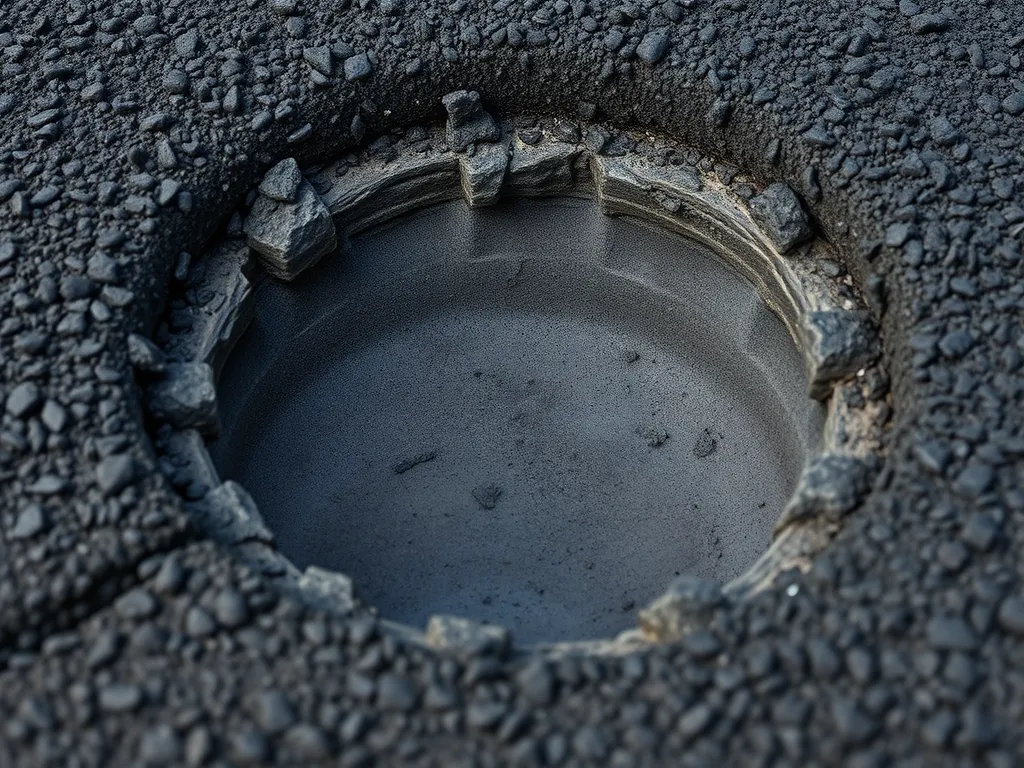
Gaps exceeding 1 inch or potholes demand cold mix asphalt. Cut damaged edges into square shapes with a saw, excavate debris to a 3-inch depth, then layer compacted cold mix. Add 2-inch lifts, compacting each with a plate compactor or tamper. Top with sand for smooth blending. A 50lb bag of cold mix ($15-$30) fixes 3-5 square feet. Allow 24-48 hours curing before use.
Proper crack repairs set the stage for long-term protection. Next, learn how sealcoating locks out moisture and renews your path’s appearance.
Sealcoating Asphalt Paths for Protection
Sealcoating shields paved surfaces from UV rays, water penetration, and chemical spills. This protective layer extends the lifespan of your path by 2-3 times compared to unsealed surfaces. Properly maintained paths using sealants require fewer repairs over their service life.
Choosing the Right Asphalt Sealant
Coal tar-based sealers offer superior resistance to oil stains but face restrictions in some regions due to environmental concerns. Latex-modified emulsion sealants work well for residential paths, providing flexibility that resists cracking in freeze-thaw cycles. For high-traffic public pathways, polymer-modified options with 15-20% solids content deliver enhanced durability. Budget $0.15-$0.25 per square foot for professional-grade materials.
Proper Application Timing and Frequency
Newly paved paths need 6-12 months to fully cure before initial sealing. Schedule applications when temperatures stay above 50°F for 24 hours. Most paths benefit from resealing every 2-4 years depending on wear – commercial routes need more frequent treatment than residential walkways. Use 1 gallon of sealcoat per 80-100 square feet, allowing 24-48 hours curing time before use.
While sealcoating blocks surface water damage, proper drainage systems prevent subsurface issues. Let’s explore how to manage water flow around paved surfaces.
Managing Drainage Around Asphalt Paths
Water is the top foe of asphalt paths. Poor drainage speeds up wear, cracks, and base damage. Stop issues before they start with smart water control.
Clear Gutters and Edges Regularly
Sweep leaves, dirt, and grit from path edges each season. Use a stiff brush or pressure washer set below 1,200 PSI to flush debris. Blocked edges cause water to pool. Pooled water seeps into cracks, freezes, and splits the asphalt base. Plan clean-ups after storms or fall leaf drop for best asphalt path care.
Redirect Water Flow From Path Surfaces
Slope soil 1-2% away from paths to guide runoff. Add French drains (gravel-filled trenches with pipes) near edges for heavy rain zones. For homes, point downspouts 5-6 feet clear of paths using $20-$50 extenders. Fix low spots with fresh asphalt patch to stop puddles. A dry path lasts 2-3 times longer than one soaked in standing water.
Solid drainage keeps paths firm underfoot. Next up: steps to shield your asphalt from weight and wear before issues arise.
Preventive Measures for Asphalt Path Care
Stop issues before they start with smart asphalt path care. These steps keep paths strong and cut repair costs by up to 40% over time.
Avoid Heavy Equipment on Pathways
Big gear like tractors or trucks crack asphalt paths fast. Keep loads under 5,000 lbs to prevent dents or splits. Use hand tools for path-side work. Place plywood under gear if you must cross the path.
Re-compact Edges to Prevent Erosion
Loose edges let water seep in and break down paths. Clean dirt from edges first. Apply tack coat (a sticky binder) to bare spots. Pack soil tight with a plate compactor (rental: $75/day). Check edges after heavy rain.
Plan Maintenance With Material Estimates
Know your needs before fixing paths. Measure cracks to buy enough sealcoat (1 gal covers 100 sq ft). For patch jobs, mix 3 parts gravel with 1 part binder. Track path use – high-traffic spots need 2x more checks each year.
Smart care now leads to greener steps next. See how eco-choices boost path life while saving cash.
Eco-friendly Asphalt Path Upkeep Practices
Maintaining asphalt paths doesn’t require harsh methods. Sustainable strategies protect surfaces while reducing environmental harm. These approaches align with modern construction standards and preserve surrounding ecosystems.
Use Environmentally Safe Sealants
Opt for bio-based or low-VOC (volatile organic compounds) sealants during asphalt path care. Traditional coal-tar sealers contain toxins that leach into soil and waterways. Eco-friendly alternatives like asphalt emulsions or plant-derived options provide equal UV protection and weather resistance. Apply these sealants every 2-3 years using spray equipment or squeegees for even coverage.
Recycle Old Asphalt Material
When repairing asphalt pathways, reuse milled material through cold recycling. Reclaimed Asphalt Pavement (RAP) mixes 95-100% recycled asphalt chunks with fresh binder for repairs. This process cuts material costs by 20-30% and lowers carbon emissions by 50% compared to new asphalt production. Use RAP for pothole patches, edge repairs, or full-depth path reconstruction.
Adopting these methods ensures durable surfaces while meeting sustainability goals. For those seeking more actionable steps, common questions about asphalt path maintenance are addressed next.
FAQs About Asphalt Path Maintenance
How Do You Maintain Asphalt Pavement Effectively?
Maintaining asphalt pavement effectively involves regular cleaning, crack inspection and repair, sealcoating, and managing drainage. Key tasks include sweeping debris, filling cracks, applying sealants every few years, and ensuring proper water flow away from the surface to prevent erosion and damage.
What Maintenance is Essential for Asphalt Driveways?
Essential maintenance for asphalt driveways includes regular inspections for cracks and fading, timely cleaning of debris and stains, routine sealing to protect against weathering, and managing drainage to avoid water-related damage. Addressing these aspects can significantly prolong the driveway’s lifespan.
How Can I Keep My Asphalt Path Looking New?
To keep your asphalt path looking new, perform regular cleanings to remove debris and stains, conduct annual inspections for cracks and fading, and apply sealcoating every few years to protect the surface. Prompt repairs of any damage also help maintain its appearance and integrity.
Should Asphalt Paths Be Sealed Annually?
While sealing asphalt paths annually can be beneficial, it’s typically recommended to reseal every 2-4 years depending on usage and wear. Annual sealing may be appropriate for high-traffic areas, but for residential paths, less frequent applications can effectively maintain protection and appearance.
Closing Thoughts
Maintaining asphalt paths is vital for both aesthetics and longevity. By following these maintenance tips, you can keep your pathways safe, functional, and visually appealing. Regular cleaning, inspecting for damage, timely repairs, and sealcoating are key practices that will help extend the life of your asphalt surface.
Incorporate eco-friendly practices to promote sustainability in your upkeep routine. Simple actions like using environmentally safe sealants and recycling old materials can make a significant difference.
For more information and resources on asphalt maintenance and projects, visit Asphalt Calculator USA.
Additional Resources for You:
- Huang, Y. H. (2004). Pavement Analysis and Design (2nd ed.). Upper Saddle River, NJ: Pearson/Prentice Hall.
- Asphalt Driveway Maintenance: Your Essential To-Do List – Shattuck Paving & Sealcoating
- How to Maintain Your Asphalt Driveway | McConnell & Associates
- Top Tips for Effective Asphalt Driveway Repair: A Homeowner’s Guide – Asphalt Industrial
- Maintaining Asphalt Paths | Productive Parks