
Asphalt Roof Longevity: How It Compares to Metal, Tile, and More
Published on: March 13, 2026 | Last Updated: April 14, 2025
Written By: George Voss
Asphalt roofs typically last 15-30 years, outperforming wood shakes (15-25 years) and basic synthetics but falling short of metal (40-70 years), concrete tile (50+ years), or slate (75-200 years). Lifespan varies by shingle type: 3-tab asphalt lasts 15-20 years, while thicker architectural shingles reach 30 years. Climate, installation quality, and maintenance heavily impact performance across all materials.
This article breaks down how asphalt stacks up against six common roofing types. We compare metal (steel/aluminum/copper), slate, concrete/clay tile, wood, and synthetic options. You’ll see cost-per-year data, regional durability factors (like hurricane straps in Florida), and eco impacts. Learn why 90% of U.S. homes use asphalt shingles despite shorter lifespans – and when upgrading to premium materials makes sense.
Contents
Introduction to Roof Longevity
Roof life span shapes home costs and safety. Materials vary in how long they last. Asphalt roofs lead in use but face tough rivals like metal, slate, and tile. Know their strengths to pick what fits your needs.
Why Understanding Roof Lifespan Matters
A roof’s years affect your wallet and peace of mind. Pick wrong, and you’ll pay more for fixes or full swaps. Asphalt roofs last 15-30 years. Metal or slate can go 50+ years but cost 2-3x more up front. Heat, storms, and poor care cut life spans fast. For example, UV rays bake shingles, while ice dams strain seams.
See how asphalt stacks up next. Then, learn what boosts its staying power.
Now, let’s break down what gives asphalt roofs their edge—or limits their years.
Asphalt Roof Lifespan: Key Details
Asphalt shingles dominate 80% of U.S. residential roofing due to predictable performance timelines. Material quality, installation methods, and environmental conditions create lifespan variations worth examining.
Average Lifespan Of Asphalt Shingles
Standard asphalt shingles last 15-30 years, with premium versions reaching 50 years. Performance splits into two categories:
3-Tab Asphalt Shingles: Life Expectancy
Traditional 3-tab shingles deliver 15-20 years at $1.50-$3.50 per square foot. Single-layer construction with cutouts creates wind uplift vulnerabilities. These shingles degrade faster in regions with UV indexes above 7 or annual snowfall exceeding 24 inches.
Architectural Asphalt Shingles: Durability & Longevity
Laminated architectural shingles last 25-30 years, priced at $4-$8 per square foot. Multiple fiberglass layers bonded with SBS-modified asphalt withstand 130 mph winds. Certain brands like GAF Timberline HDZ carry 50-year limited warranties with algae-resistant copper granules.
Factors Influencing Asphalt Roof Longevity
Four elements dictate whether asphalt roofs meet or exceed projected lifespans:
Climate Impact on Asphalt Shingle Roofs
Temperature swings above 70°F daily averages accelerate asphalt aging. Northern climates cause granule loss from freeze-thaw cycles. Coastal salt spray degrades self-seal strips 40% faster. Class 4 impact-resistant shingles reduce hail damage risks by 55% in storm-prone areas.
Maintenance Practices for Extended Lifespan
- Clear debris biannually to prevent moisture retention
- Inspect flashings after 50+ mph wind events
- Apply elastomeric roof coatings every 8-10 years
- Ensure attic ventilation meets 1:300 ratio (1 sq ft vent per 300 sq ft ceiling)
These variables set the stage for comparing asphalt against metal, slate, and synthetic alternatives. Next, we analyze how competing materials perform under identical climate and maintenance conditions.
Comparing Roofing Materials
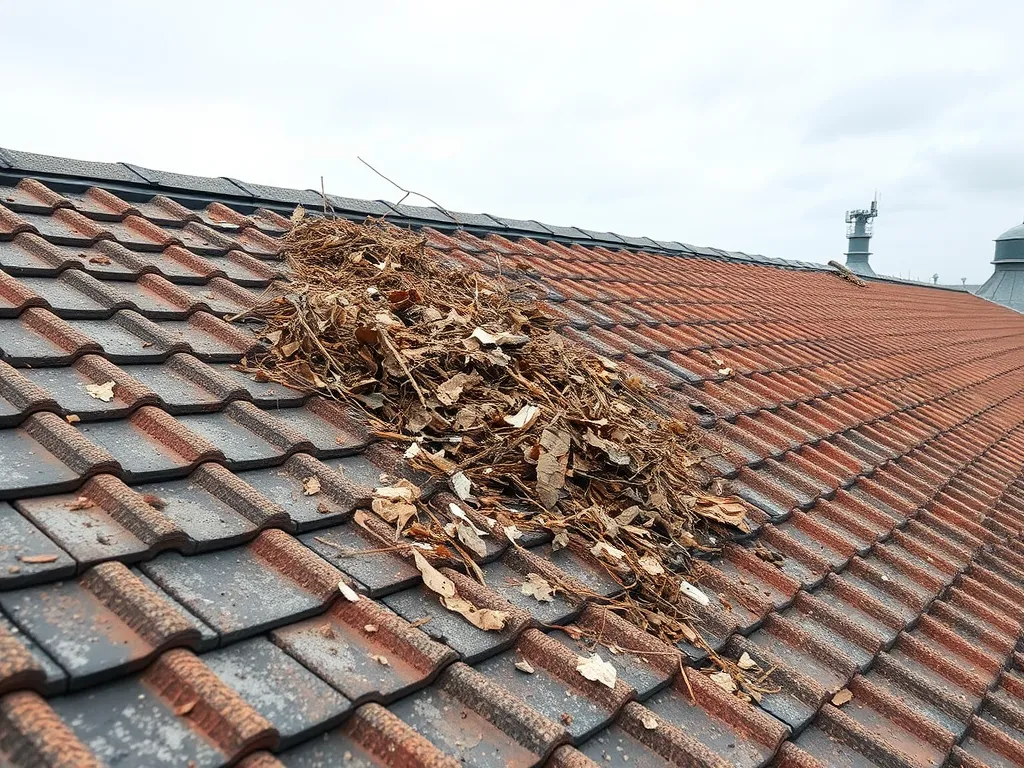
Roofing choices shape home protection for decades. We break down how asphalt stacks up against common options.
Asphalt Vs. Metal Roofing
Metal roofs last 40-70 years with steel or aluminum. Copper can hit 100+ years. Asphalt lasts 15-30 years but costs 40-60% less up front. Hail dents metal; wind lifts shingles.
Steel, Aluminum, and Copper Roof Longevity
- Galvalume steel: 40-60 years
- Aluminum: 50-70 years
- Copper: 70-100+ years
Metal needs pro install to prevent leaks at seams. Asphalt resists thermal shifts better in hot-cold cycles.
Asphalt Vs. Slate Roofing
Slate lasts 75-200 years but weighs 800-1,500 lbs per square. Asphalt weighs 240-400 lbs. Slate costs 4-10x more. Both handle snow, but slate cracks under foot traffic.
Asphalt Vs. Tile Roofing (Concrete/clay)
Tile roofs span 50-100 years. They resist fire and wind up to 125 mph vs asphalt’s 60-130 mph range. Tile costs $10-$25 per sq ft vs asphalt’s $3-$7. Both need solid deck support.
Asphalt Vs. Wood Shingles &Amp; Shakes
Wood roofs last 15-25 years. They rot in damp zones and need mold treatments. Asphalt handles rain better. Class A fire-rated asphalt beats wood’s Class C rating.
Asphalt Vs. Synthetic Roofing Materials
Rubber or plastic composites mimic slate/wood looks. They last 30-50 years but cost $8-$15 per sq ft. Asphalt offers proven track records in UV tests. Both face granule loss over time.
Up next: We crunch numbers on whether pricier roofs pay off long-term.
Also See: Asphalt Lifespan Factors: 7 Key Determinants
Cost Vs. Longevity Analysis
Balancing upfront costs with projected lifespan separates smart roofing investments from short-term fixes. Asphalt’s affordability often drives initial decisions, but long-term performance depends on material quality, climate resilience, and maintenance.
Are 50-year Asphalt Shingles Worth the Investment?
Premium 50-year asphalt shingles cost 25-40% more than standard 3-tab options, averaging $120-$150 per square installed. These thicker shingles use advanced polymer-modified asphalt and denser fiberglass mats to resist thermal cracking and granule loss. While labeled “50-year,” real-world lifespans typically reach 25-30 years in moderate climates like the Midwest. Harsh UV exposure in regions like Arizona or Texas can cut this to 15-20 years.
Compare this to metal roofs ($300-$800 per square) lasting 40-70 years or slate ($600-$1,500 per square) surviving 75-150 years. For homeowners planning to stay 10-20 years, 50-year asphalt provides sufficient durability without overpaying for materials that outlast occupancy.
Long-term Value Of Asphalt Vs. High-end Materials
High-end materials like slate, clay tiles, or standing-seam copper deliver unmatched lifespans but require significant budget adjustments. A 2,000 sq.ft asphalt roof costs $9,600-$24,000, while slate averages $80,000-$200,000. Metal roofs fall between $24,000-$80,000.
| Material | Cost per Square | Lifespan | Maintenance Needs |
|---|---|---|---|
| Asphalt | $120-$150 | 15-30 years | Low |
| Metal | $300-$800 | 40-70 years | Moderate |
| Slate | $600-$1,500 | 75-150 years | High |
Asphalt’s edge lies in lower maintenance and easier repairs. Slate requires specialized contractors for cracked tiles, while metal demands periodic recoating to prevent corrosion. Modern asphalt shingles also offer Class A fire ratings and wind resistance up to 130 mph, matching premium materials in storm-prone areas.
Energy efficiency adds another layer. Cool-roof asphalt shingles with reflective granules reduce attic temperatures by 20-40°F, trimming cooling costs by 7-15%. This thermal performance narrows the gap with metal’s natural reflectivity.
Asphalt’s balance of cost and performance sets the stage for another critical factor: its environmental footprint.
Environmental Impact Of Roofing Choices
Roofing decisions affect more than curb appeal or upfront costs. Material selection directly ties to ecological footprint, especially when comparing how long roofs last before replacement.
Recyclability Of Asphalt Shingles
Shingle roofs generate over 11 million tons of tear-off waste yearly. Yet 95% of this material gets recycled into roads or new shingles. Reclaimed shingles (RAS) now make up 15-20% of fresh mixes, cutting landfill use. Compare this to metal (50-70% recycled content) or concrete tiles, which rarely get repurposed due to weight.
| Material | Recycled Content | End-of-Life Recycling Rate |
|---|---|---|
| Shingle Roofs | 15-20% | 95% |
| Metal Roofs | 50-70% | 85% |
| Concrete Tiles | 5-10% | 20% |
Recycling shingles slashes energy use by 20% versus making new ones. Facilities process 300 tons per hour, turning old roofs into pavement for $15-$20 per ton.
Energy Efficiency Considerations
Longer-lasting roofs reduce embodied energy from frequent replacements. Shingle roofs with reflective granules meet ENERGY STAR’s 0.25 solar reflectance criteria, lowering cooling costs by 7-15%. Cool roof variants boost Solar Reflectance Index (SRI) scores to 30-35, rivaling metal’s 50-60 but costing 40% less.
Tile roofs excel in hot climates with SRI up to 70 but weigh 900 lbs per square versus shingles’ 250 lbs. Metal offers superior emissivity (0.85 vs. shingles’ 0.75) but conducts heat, raising attic temps by 10°F in summer without proper insulation.
Eco-friendly features influence cost-benefit discussions. Let’s examine how upfront pricing stacks up against decades of service.
FAQs: Longevity Of Asphalt Roofs Vs Other Types
What Type Of Roof Has the Longest Lifespan?
slate and tile roofs typically have the longest lifespans, with slate lasting 75-200 years and tile roofs lasting 50-100 years. Other materials may offer durability but generally do not match the longevity of these options.
How Long Do 50-year Asphalt Shingles Really Last?
While marketed as having a 50-year lifespan, most 50-year asphalt shingles realistically last about 25-30 years in moderate climates. Factors like extreme weather and installation quality can further influence their longevity.
What’s the Life Expectancy Of a Shingle Roof in Florida?
In Florida, the life expectancy of an asphalt shingle roof can be reduced to about 15-20 years due to high humidity, intense sunlight, and severe weather conditions. Proper maintenance is crucial in extending its life in such climates.
Do Architectural Shingles Outlast 3-tab Asphalt Shingles?
Yes, architectural shingles typically outlast 3-tab shingles. Architectural shingles can last 25-30 years compared to the 15-20 years for 3-tab shingles, thanks to their thicker, more durable construction.
Is Slate Roofing More Durable Than Asphalt?
Yes, slate roofing is considerably more durable than asphalt, with a lifespan ranging from 75 to 200 years. This durability, however, comes with a higher installation and material cost compared to asphalt shingles.
Closing Thoughts
When considering the longevity of asphalt roofs compared to other materials, it’s clear that asphalt shingles offer a compelling balance of durability, cost-effectiveness, and aesthetic appeal. With asphalt’s average lifespan of 15-30 years, especially with well-maintained architectural shingles, they stand up well against metal, slate, tile, and wood options. While some roofing materials may boast longer lifespans, the upfront costs can also soar significantly. Asphalt provides a practical solution without compromising performance.
Your roofing choice impacts both your wallet and the environment. Asphalt shingles are recyclable and can contribute to energy efficiency, making them a responsible choice for homeowners. Ultimately, asphalt roofs remain a strong contender in the roofing market, blending longevity and affordability.
For more information and resources related to asphalt roofs, visit Asphalt Calculator USA.

