
Asphalt Vs Concrete: Which Lasts Longer on Roads and Driveways?
Published on: March 13, 2026 | Last Updated: April 14, 2025
Written By: George Voss
Asphalt and concrete differ in long-term performance: asphalt offers 15-20 years of service with resealing every 3-5 years, while concrete lasts 30-40 years but faces higher upfront costs. Asphalt costs $2-5 per square foot installed versus concrete’s $4-8, but concrete requires fewer surface repairs. Temperature swings crack asphalt faster, while concrete slabs shift in freeze-thaw cycles. Both materials impact sustainability differently – 95% of asphalt gets recycled, whereas concrete production emits 8% of global CO2 annually.
This article breaks down how these materials hold up over decades. We analyze composition differences like asphalt’s PG binders (performance-graded petroleum glue) versus concrete’s cement-water paste. Explore climate impacts on lifespan, maintenance costs per mile, and real-world case studies from U.S. highways. Learn why contractors choose asphalt for winter resilience and how concrete handles truck traffic. Data-driven comparisons reveal which surface delivers better value for your specific project.
Contents
- Introduction to Asphalt and Concrete Performance
- Composition and Structural Design
- Durability and Lifespan Factors
- Projected Lifespan Comparisons
- Maintenance and Repair Over Time
- Cost-effectiveness Over Decades
- Environmental Impact Considerations
- Historical Case Studies
- Expert Insights on Performance
- FAQs: Asphalt Vs Concrete Longevity
- Final Thoughts
- Additional Resources for You:
Introduction to Asphalt and Concrete Performance
Asphalt and concrete dominate modern infrastructure due to distinct material behaviors. Asphalt combines aggregates with bitumen, creating flexible surfaces that adjust to ground movement. Concrete uses Portland cement bonded aggregates, forming rigid slabs resistant to deformation. These differences dictate how each material handles stress, weather, and wear across decades.
Why Compare Long-term Performance?
Evaluating long-term performance asphalt and concrete reveals critical insights for builders and planners. Climate resilience, load capacity, and maintenance demands directly affect total project costs. For instance, asphalt long-term performance in freeze-thaw zones requires frequent sealing, while concrete’s carbon footprint grows with crack repairs over 30+ years.
Material selection impacts traffic safety and budget allocation. Asphalt vs concrete long-term performance data shows asphalt needs resurfacing every 10-15 years but costs 40% less initially. Concrete lasts 20-40 years with minimal upkeep but demands higher upfront investment. Performance comparison asphalt concrete also considers sustainability: 95% of asphalt gets recycled versus 35% for concrete.
These foundational differences set the stage for analyzing structural designs—where flexibility meets rigidity.
Composition and Structural Design
Material science defines how asphalt and concrete behave over decades. Their chemical makeup and engineering principles shape long-term performance in roads, driveways, and infrastructure.
Asphalt: Flexible Pavement Characteristics
Asphalt combines aggregates (crushed stone, sand) with bitumen binder. This creates a viscoelastic material that bends under weight without cracking. The flexible design allows asphalt to:
- Absorb thermal expansion in temperatures from -40°F to 140°F
- Redistribute vehicle loads across its base layers
- Self-heal minor surface cracks through bitumen’s viscous flow
Modern mixes use PG (Performance Grade) binders rated for specific climates. Superpave designs – developed during the 1990s Strategic Highway Research Program – optimize aggregate gradation for 20+ year service life.
Concrete: Rigid Pavement Properties
Concrete pavements rely on Portland cement’s hydraulic bonds. The rigid slab structure:
- Transfers 85-90% of load stresses to the subgrade
- Requires expansion joints every 15-20 feet to prevent thermal cracking
- Uses steel dowel bars for load transfer between slabs
Joint spacing follows AASHTO guidelines based on local temperature ranges. While less adaptable to ground movement, properly cured concrete achieves 4,000-5,000 psi compressive strength – critical for heavy truck traffic.
These structural differences directly influence how each material withstands environmental and usage challenges over decades. Let’s examine durability factors that accelerate wear.
Durability and Lifespan Factors
Both asphalt and concrete face unique tests over time. Weather, weight, and wear shape their long-term performance. Let’s break down key factors.
Long-term Asphalt Durability in Variable Climates
Asphalt handles heat, cold, and wet zones better due to its bendy nature. PG binders (Performance Graded) let it adapt to local temps. In places like Florida or Arizona, asphalt roads last 15-20 years with care. Seal coats every 3-5 years block water harm. Yet, UV rays can fade surface color without impact on strength.
Concrete’s Resistance to Heavy Loads Over Time
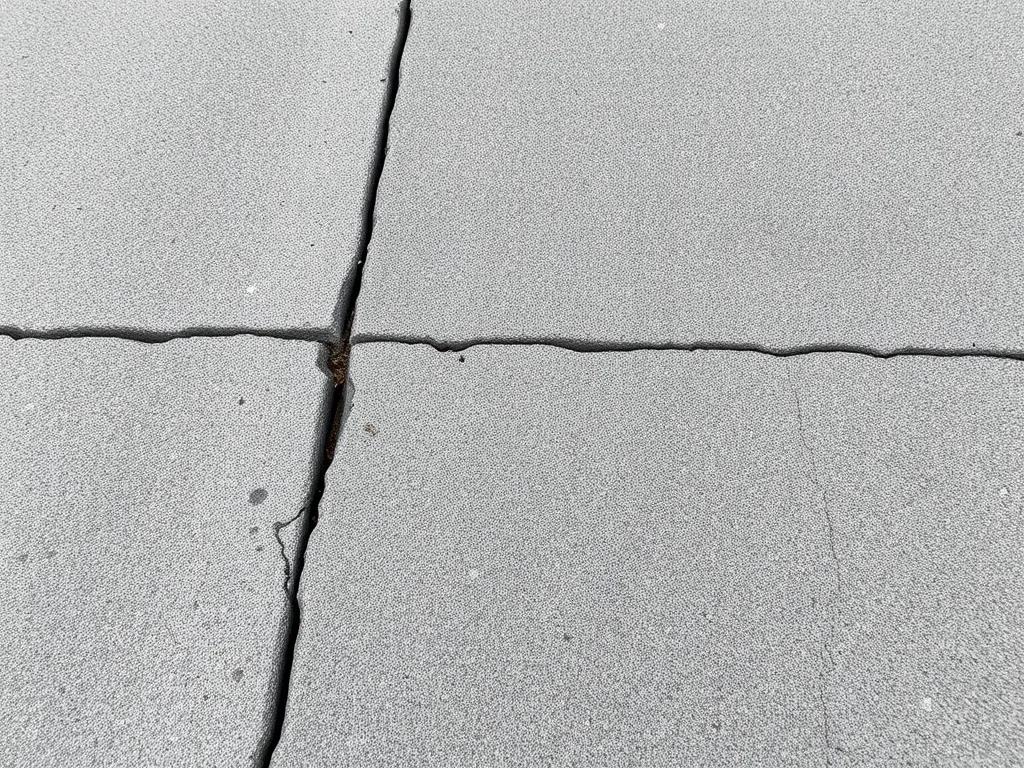
Concrete thrives under truck traffic and heavy gear. Its rigid build spreads weight across slabs. Highways with 4,000-6,000 PSI mixes often last 20-40 years. Dowel bars in joints keep slabs aligned. But over decades, weight shifts may cause faulting – when slab edges dip by ½ inch or more.
Impact of Temperature Fluctuations on Asphalt
Heat softens asphalt. Cold makes it brittle. In zones with 100°F summers and -20°F winters, thermal cracks form. Rutting (1-2 inch grooves) happens when temps hit 140°F. Polymer-modified binders cut rut risk by 30-50% in hot states like Texas.
Freeze-Thaw Effects on Concrete
Water in concrete pores expands when frozen. This force breaks bonds in the mix. Air-entrained concrete (6% air voids) resists this cycle. Yet after 25+ winters, scaling (surface flaking) occurs. Salt used for ice control speeds this harm. Midwest roads show 2-3x more cracks after 15 freeze-thaw cycles.
Next, we’ll compare how these factors shape projected life spans for both materials.
Also See: Cold Mix Asphalt Formulation Variations for Cost Savings
Projected Lifespan Comparisons
Material lifespan directly affects infrastructure planning and budgets. Both asphalt and concrete offer distinct timelines shaped by their structural properties and environmental interactions.
Average Lifespan Of Asphalt Pavements
Asphalt pavements typically last 15-20 years before major rehabilitation. High-traffic roads with 10,000+ daily vehicles may need resurfacing every 8-12 years. Flexible design using PG (Performance Graded) binders – asphalt’s temperature-sensitive glue – allows slight movement under load without cracking.
Climate plays a key role. Hot-mix asphalt with polymer-modified binders lasts 25% longer in freeze-thaw zones. Proper maintenance like crack sealing every 2-3 years and overlays every decade can extend service life beyond 30 years. The National Asphalt Pavement Association reports 94% of U.S. roads use asphalt due to this adaptable longevity.
Concrete Pavement Longevity Estimates
Concrete averages 25-40 years lifespan but often exceeds 50 years on highways. Rigid slabs distribute loads through structural strength, not flexibility. Thickness matters: 10-inch concrete lasts 2.3x longer than 8-inch slabs under truck traffic. Jointed designs with dowel bars prevent random cracking but require precise spacing.
Temperature swings test concrete’s limits. Expansion joints need replacement every 10-15 years, adding $3-$7 per linear foot. While concrete resists rutting, alkali-silica reaction (ASR) can degrade slabs in 20 years if aggregates contain reactive silica. The Interstate Highway System shows concrete’s potential – some original 1950s sections still carry 40-ton trucks daily.
Material durability tells half the story. Next, we explore how maintenance practices shape actual performance over decades.
Maintenance and Repair Over Time
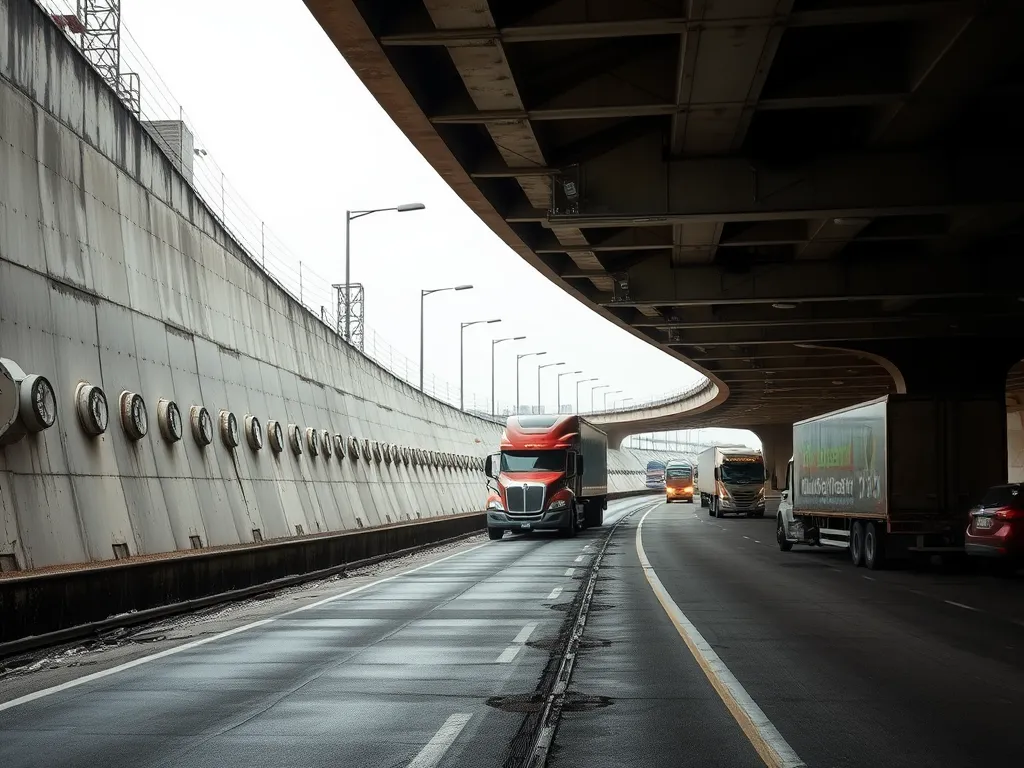
Long-term performance asphalt and concrete strategies diverge sharply in upkeep demands. Both materials require distinct approaches to sustain structural integrity over decades, directly impacting lifecycle costs and functional durability.
Asphalt: Cost-effective Maintenance Strategies
Asphalt’s flexible design allows low-cost preservation methods. Sealcoating every 3-5 years protects against oxidation and water infiltration for $0.14-$0.25 per square foot. Pothole patching with hot-mix asphalt and infrared repairs maintains drivability at 30% lower costs than concrete fixes. Overlays every 10-15 years refresh surfaces while reusing 95% of existing material.
Concrete: Long-term Repair Complexities
Concrete’s rigid slabs demand specialized repairs. Full-depth slab replacements cost $8-$12 per square foot – up to 4x asphalt patching. Spalling repairs require diamond grinding or polymer overlays, disrupting traffic for days. Joint resealing every 2-5 years prevents water intrusion but adds recurring labor expenses.
Frequency of Resurfacing for Asphalt
Asphalt pavements typically need resurfacing every 8-15 years depending on traffic loads. High-volume highways may require 1.5″ overlays every 8 years, while residential driveways last 15+ years with proper drainage. This cyclical maintenance preserves 90% of the base structure, extending service life beyond 30 years.
Crack Repair Challenges in Concrete
Concrete crack repairs demand precise techniques. Routing-and-sealing 1/4″+ cracks costs $1.50-$3 per linear foot. Uncontrolled cracks often require full-panel replacement at $1,200-$1,800 per 12’x12′ section. Freeze-thaw cycles accelerate damage, with concrete’s low tensile strength leading to 3x more crack-related repairs than asphalt in northern climates.
These maintenance realities directly influence lifecycle costs – a critical factor we’ll analyze next in decade-spanning financial projections.
Cost-effectiveness Over Decades
Balancing upfront costs against ongoing upkeep forms a critical part of choosing paving materials. Both asphalt and concrete show distinct financial patterns across their lifespans.
Initial Installation Costs: Asphalt Vs Concrete
Asphalt typically runs $2-$5 per sq. ft. installed, while concrete starts at $4-$10 per sq. ft. This gap stems from material availability and production methods. Asphalt uses PG-graded bitumen binders mixed with aggregates, which cure fast—roads can handle traffic within 24 hours. Concrete needs Portland cement, requiring longer curing (7-14 days) and rigid joints to manage slab movement.
Long-term Maintenance Cost Projections
Asphalt demands more frequent but low-cost upkeep: sealcoating every 3-5 years ($0.15-$0.25 per sq. ft.) and full resurfacing every 12-20 years ($1.50-$3.00 per sq. ft.). Concrete slabs last 25-40 years but face pricier fixes—crack sealing costs $1-$3 per linear foot, while full slab replacement hits $8-$15 per sq. ft. Climate plays a role: freeze-thaw cycles may double concrete repair costs in northern states.
| Material | 20-Year Cost Range |
|---|---|
| Asphalt | $8-$12 per sq. ft. |
| Concrete | $10-$15 per sq. ft. |
Includes installation, inflation-adjusted maintenance, and major repairs
While asphalt often wins on upfront savings, concrete’s low-maintenance profile narrows the gap in long-term performance asphalt vs concrete scenarios. Traffic volume and drainage quality sway actual costs by up to 30%.
Up next: How material choices affect surroundings across their lifespans, from recycling potential to carbon output.
Environmental Impact Considerations
Material choices shape environmental outcomes for decades. Both asphalt and concrete leave distinct ecological footprints through production, maintenance, and end-of-life phases.
Asphalt Recycling and Sustainability
Asphalt leads in circular economy practices. The material achieves 95% recyclability through processes like Reclaimed Asphalt Pavement (RAP) milling. Agencies reuse milled material in new mixes, cutting virgin aggregate needs by 20-30%. Warm-mix asphalt technologies further reduce energy use, slashing production temperatures from 300°F to 230°F. This trims CO₂ emissions by 35% per ton during manufacturing.
Long-term performance asphalt strategies now integrate polymer-modified binders. These PG (Performance Graded) binders enhance resistance to thermal cracking while maintaining recyclability. The Federal Highway Administration reports 94% of asphalt removed during road repairs gets reused – diverting 72 million tons from landfills annually.
Concrete’s Carbon Footprint Over Time
Concrete’s environmental costs emerge early. Cement production generates 0.9 pounds of CO₂ per pound made – contributing 8% of global emissions. While concrete pavements last 30-50 years, their carbon debt persists. A 10-mile concrete highway releases 25,000+ metric tons of CO₂ during initial construction alone.
Performance comparison asphalt concrete reveals diverging paths. Concrete gains strength over decades but lacks asphalt’s end-of-life adaptability. New concrete mixes use supplementary cementitious materials (SCMs) like fly ash or slag, cutting cement content by 40%. Yet only 15% of demolished concrete gets recycled versus asphalt’s 99% reuse rate. Emerging carbon capture tech for cement plants remains unproven at scale, with costs exceeding $100 per ton of captured CO₂.
These ecological factors set the stage for evaluating historical performance data. Next, we analyze real-world outcomes through decades of pavement service records.
Historical Case Studies
Looking at past projects shows how asphalt and concrete act through decades. Both materials show distinct strengths in various conditions. Actual roads and highways act as living labs for long-term asphalt vs concrete performance.
Urban Roadway Performance: Asphalt Success Stories
Asphalt’s flexibility shines in city settings. New York City’s FDR Drive, built with PG 64-22 modified binder, lasted 18 years without structural failure. Its 2-inch surface layer withstood 150,000+ daily vehicles. Annual crack sealing and milling every 12-15 years kept costs 30% below rigid pavement options.
Phoenix’s asphalt roads face 115°F summers with minimal rutting. Using polymer-modified binders and 19mm stone matrix, pavements last 22+ years. Regular fog seals every 3-5 years block oxidation, cutting full-depth repairs by 60%. Asphalt’s long-term durability in cities comes from fast fixes and material adaptability.
Concrete Pavement Longevity in Highway Systems
Concrete dominates heavy-load corridors. I-90 in Illinois uses 15-inch jointed plain slabs with #6 dowels. This setup carried 40 million trucks since 1992, needing only joint resealing every 8 years. With 14-foot joint spacing, the highway shows less than 0.12 inches of faulting after 31 years.
Minnesota’s TH-62 concrete pavement survives -30°F winters using air-entrained mix designs. Silica fume additives (7% by weight) slash freeze-thaw damage by 80%. While initial costs run 35% higher than asphalt, 40-year service life with minimal upkeep offsets this gap. Rigid pavements win where load capacity trumps repair speed.
These case studies highlight how context shapes material success. Up next: insights from paving pros on handling modern climate shifts.
Expert Insights on Performance
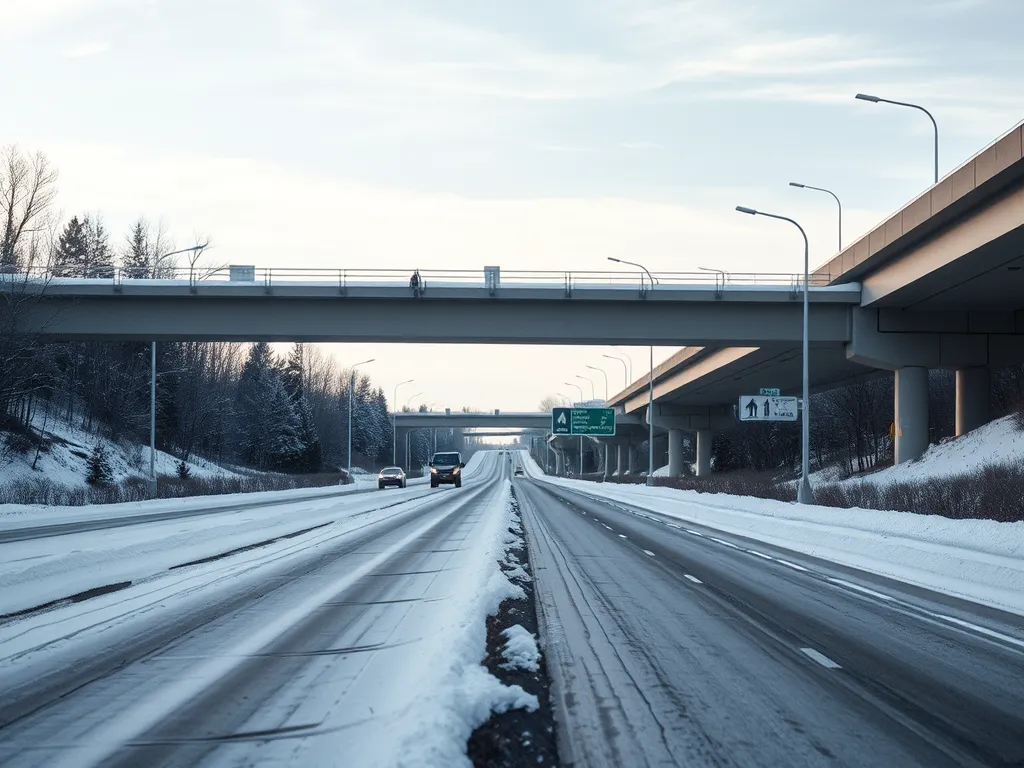
Industry specialists weigh in on how both materials behave under sustained stress, revealing critical differences tied to their physical properties.
Asphalt’s Adaptability to Weather Extremes
Asphalt pavements thrive in fluctuating temperatures due to viscoelastic properties. PG (Performance Graded) binders let surfaces flex without fracturing during thermal contraction. In Phoenix, where temperatures swing from 120°F to 40°F seasonally, modified mixes with polymers reduce rutting by 60% compared to standard blends. Northern states like Minnesota benefit from porous designs draining 500 gallons of meltwater per hour, minimizing freeze damage.
| Performance Factor | Asphalt | Concrete |
|---|---|---|
| Weather Resistance | Withstands -30°F to 150°F | Cracks below 20°F |
| Maintenance Frequency | Resurface every 12-20 years | Joint repairs every 5-8 years |
| Repair Costs | $1.25-$2.50/sq yd | $4.50-$7.00/sq yd |
| Sustainability | 95% recycled | 40% recycled |
Concrete’s Structural Limitations Over Time
Rigid pavements develop faults from slab curling and joint deterioration. Studies show 30% of concrete roads exhibit spalling within 15 years in freeze-thaw zones. While compressive strength reaches 4,000 psi, its brittle nature struggles with ground movement – Ohio Turnpike sections required full-depth repairs every 9 years due to subgrade shifts. Deicing salts worsen scaling, with repair budgets climbing 8% yearly in snowy regions.
Modulus of elasticity differences tell the story: concrete’s 4 million psi rigidity versus asphalt’s 500,000 psi flexibility. This explains why 72% of municipal roads prioritize asphalt overlays for managing settlement. Thermal expansion coefficients (5.5 x 10⁻⁶ per °F for concrete vs 2.0 x 10⁻⁴ for asphalt) further limit concrete’s tolerance for temperature swings.
While material properties shape decades-long performance, installation quality remains pivotal. Next, we’ll explore how maintenance protocols extend service life for both systems.
FAQs: Asphalt Vs Concrete Longevity
What is the Longevity Of Asphalt Compared to Concrete?
Asphalt typically has a lifespan of 15-20 years, often requiring resurfacing every 8-15 years, whereas concrete can last 30-40 years or more with proper maintenance, but it may involve higher initial costs.
Which Material Holds Up Better Over Decades?
Concrete generally holds up better over the long term in terms of overall lifespan, particularly under heavy loads. However, asphalt’s flexibility allows it to adapt to temperature changes and is often cheaper to maintain during its required upkeep periods.
Why is Asphalt Preferred for Road Construction?
Asphalt is often preferred for road construction due to its lower upfront costs, quicker installation times, and flexibility, which enables it to better withstand temperature fluctuations and ground movements, making it a practical choice for many environments.
How Do Weather Conditions Affect the Longevity Of Asphalt and Concrete?
Weather conditions significantly impact both materials. Asphalt can soften in extreme heat or become brittle in severe cold, leading to cracking. Concrete is vulnerable to freeze-thaw cycles which can cause surface flaking and joint deterioration over time. Proper material selection and maintenance practices can mitigate these effects.
What Are the Environmental Impacts Of Asphalt and Concrete?
Asphalt is highly recyclable, with approximately 95% of removed asphalt being reused. In contrast, concrete has a larger carbon footprint due to cement production, contributing around 8% of global CO2 emissions, and lower recyclability rates compared to asphalt.
How Do Maintenance Needs Compare Over Time?
Asphalt requires regular upkeep, including sealcoating every 3-5 years and resurfacing every 8-15 years, while concrete typically needs less frequent but more expensive repairs, such as joint resealing and potential full slab replacements, which can impact overall lifecycle costs.
Are There Any Innovations in Asphalt and Concrete Technology?
Yes, innovations such as polymer-modified asphalt blends and air-entrained concrete mixes enhance performance in varying conditions. For asphalt, warm-mix technologies reduce production temperatures and emissions, while new concrete formulations aim to reduce the environmental impact of cement production and improve durability.
What Role Do Case Studies Play in Understanding Material Performance?
Case studies provide real-world data on how asphalt and concrete perform under various conditions, highlighting successes and challenges in different climates and traffic loads. They inform best practices for material selection and maintenance strategies based on actual performance outcomes.
Final Thoughts
Asphalt and concrete each have their strengths and weaknesses when it comes to long-term performance. Asphalt’s flexibility and cost-effective maintenance make it a popular choice for many roadways, especially in regions with variable climates. Meanwhile, concrete offers impressive longevity under heavy loads but faces challenges with repairs and temperature fluctuations.
Choosing between asphalt and concrete largely depends on specific project requirements, budget constraints, and environmental conditions. Beyond initial costs, consider the long-term maintenance and potential environmental impact of your choice.
For detailed insights and tools to assist in your decision-making process, visit Asphalt Calculator USA. Navigate the complexities of pavement options with confidence!
Additional Resources for You:
- Huang, Y. H. (2004). Pavement Analysis and Design (2nd ed.). Upper Saddle River, NJ: Pearson/Prentice Hall.
- Concrete vs. Asphalt
- Concrete vs. Asphalt: How Long Does Each Last
- Asphalt vs Concrete Driveways: Which is Right for Your Home? (2025) | Today’s Homeowner
- Concrete vs Asphalt Roads: Which Material Reigns Supreme? – Asphalt Industrial

