How UV Exposure Wears Down Asphalt and Concrete Over Decades
Published on: March 13, 2026 | Last Updated: April 14, 2025
Written By: George Voss
Ultraviolet (UV) radiation degrades both asphalt and concrete through distinct chemical processes, impacting durability, maintenance costs, and lifespan differently. Asphalt suffers from oxidative aging where UV breaks down bitumen (its binding oil), causing brittleness and cracks within 5-8 years without protection. Concrete experiences surface erosion and microcracking as UV dries its cement paste, though structural damage takes 10-15 years in most climates. Asphalt requires sealcoating every 3-5 years to block UV damage, while concrete needs sealing every 5-10 years. Surface temperatures also differ – asphalt reaches 160°F in direct sun versus 120°F for concrete – affecting thermal stress patterns.
This article compares how UV exposure impacts asphalt and concrete over 20+ years. You’ll learn why asphalt oxidizes faster but concrete faces deeper cracks, how surface temperatures accelerate wear, and which material costs less to maintain in high-UV areas like Arizona or Florida. We break down repair timelines, advanced protective coatings, and real-world data from highway studies. Sections cover chemical breakdown processes, temperature impacts, cost comparisons, and strategies to extend pavement life under intense sunlight.
Contents
- Understanding UV Exposure and Pavement Materials
- Long-term Effects Of UV Exposure on Asphalt
- Long-term Effects Of UV Exposure on Concrete
- Asphalt Vs Concrete: UV Resistance Comparison
- Enhancing Asphalt UV Resistance
- Environmental Considerations
- Frequently Asked Questions
- Closing Thoughts
- Useful References for You:
Understanding UV Exposure and Pavement Materials
Solar ultraviolet rays trigger distinct chemical reactions in asphalt and concrete. Both materials face unique challenges under prolonged UV exposure due to their structural makeup. This section breaks down how each responds to solar radiation at the molecular level.
How UV Radiation Affects Construction Materials
UV rays degrade building materials through photochemical breakdown. Wavelengths between 295-400 nanometers alter molecular bonds. Asphalt and concrete react differently based on their ability to reflect or absorb this energy. Surface temperatures can exceed 160°F in asphalt versus 135°F in concrete during peak sunlight.
UV Absorption in Asphalt vs Concrete
Asphalt absorbs 95% of UV radiation due to its dark bitumen binder. This accelerates oxidative aging, stripping volatile oils from the asphalt matrix. Concrete reflects 40% of UV rays through its light-colored cement paste. Remaining energy penetrates only 2-5mm into the surface, versus 10-15mm in asphalt pavements.
Key Differences in Material Composition
- Asphalt: Hydrocarbon-based binder (PG 64-22 common) with 90-95% mineral aggregates. Bitumen contains reactive polymers vulnerable to UV breakdown.
- Concrete: Alkaline cement matrix (Type I/II) with 60-75% coarse aggregates. Calcium silicate hydrates provide better UV stability but lower flexibility.
Bitumen’s carbon chains break down under UV exposure, while concrete’s crystalline structure resists photo-oxidation. This explains why asphalt shows surface raveling within 7-10 years versus concrete’s slower color fading.
These material responses directly influence how each pavement type performs under decades of solar stress. Next, we’ll examine specific degradation patterns…
Long-term Effects Of UV Exposure on Asphalt
Solar radiation breaks down asphalt surfaces through multiple mechanisms. These changes affect performance, safety, and maintenance budgets over time.
Oxidative Aging Of Asphalt Binders
Asphalt’s bitumen binder reacts with atmospheric oxygen when exposed to sunlight. This process accelerates at surface temperatures above 140°F. Aged binders lose 40-60% of their original flexibility within 5-7 years in high-UV zones.
Impact on Flexibility and Cracking Resistance
Field tests show UV-aged asphalt has 300% higher crack propagation rates than shaded surfaces. Pavements in Arizona and Texas typically show alligator cracking 2-3 years sooner than northern states due to solar intensity differences.
Surface Degradation and Aggregate Loss
Daily solar radiation cycles weaken bonds between bitumen and stone aggregates. Studies document 0.5-1.2mm annual surface erosion in uncoated asphalt. This leads to raveling – loose stones detaching from the pavement matrix.
Photo-Degradation of Asphalt Pavement Layers
Infrared spectroscopy reveals UV-B rays break aromatic carbon chains in bitumen. The process creates brittle, low-density surface layers vulnerable to rutting. AASHTO T 240 testing simulates 10 years of solar damage in 5 days through accelerated weathering.
Reduction in Service Life and Performance
Asphalt in full sun lasts 25-30% fewer years than shaded equivalents. Solar damage accounts for $3.2-$4.7 billion in annual US pavement repairs. High-UV regions require sealcoating every 18-24 months versus 36 months in temperate zones.
Cost Implications of UV-Induced Repairs
| Maintenance Task | UV-Affected Cost | Baseline Cost |
|---|---|---|
| Crack Sealing | $0.85/linear ft | $0.60/linear ft |
| Surface Recycling | $12.50/sq yd | $9.80/sq yd |
| Full Depth Repair | $45/sq yd | $32/sq yd |
While asphalt faces solar challenges, concrete reacts differently to extended solar exposure. Next, we’ll examine how cement-based materials fare under similar conditions.
Long-term Effects Of UV Exposure on Concrete
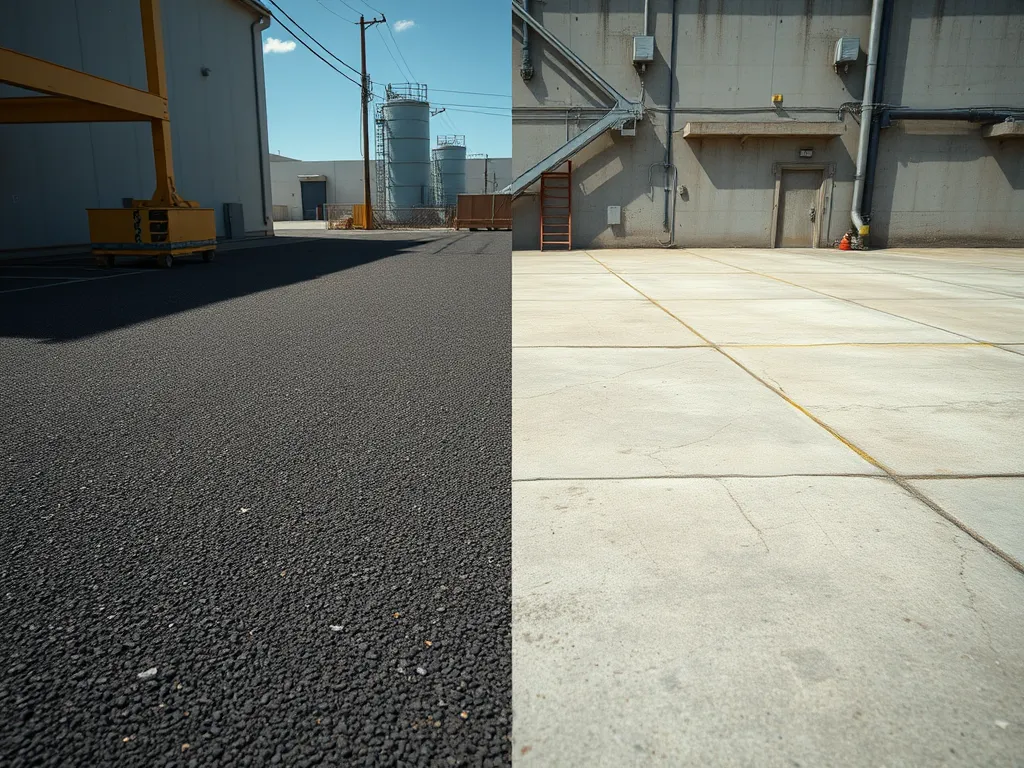
Concrete faces unique UV damage risks over time. While less prone to surface wear than asphalt, it still shows clear signs of UV stress after years of sun exposure.
Surface Discoloration and Aesthetic Deterioration
UV rays break down the top layer of concrete, causing color shifts. Gray slabs may turn chalky white or develop patchy yellow spots. This occurs as UV light alters the iron oxide in cement paste. Dark stains from mold or algae often worsen in UV-damaged areas due to surface pores widening.
Microcracking and Structural Weakening
Daily UV heat cycles create hairline cracks in concrete surfaces. These microcracks let water seep in, which freezes and thaws in cold climates. Over 10+ years, this combo of UV rays and water damage can reduce concrete’s load strength by up to 15%.
UV-Induced Thermal Expansion Challenges
Concrete expands 0.5-1.2 inches per 100 feet when heated by UV rays. Uneven heating creates stress points, especially near joints. Without proper control joints cut every 8-12 feet, UV thermal stress causes random cracks that weaken the slab’s core structure.
These UV effects set the stage for comparing how asphalt holds up under the same sun stress. The next section breaks down side-by-side performance data from real-world tests.
Also See: Does Ice Melt Damage Asphalt? Uncover the Truth
Asphalt Vs Concrete: UV Resistance Comparison
Material composition dictates how asphalt and concrete handle ultraviolet rays. Asphalt relies on bitumen binders vulnerable to UV breakdown, while concrete’s cement matrix resists photochemical reactions better. This structural difference shapes long-term performance in sun-heavy regions.
Durability Analysis in High-uv Environments
Field studies reveal asphalt pavements degrade twice as fast as concrete under identical UV exposure. In Phoenix, Arizona, asphalt roads show visible raveling within 5 years, while concrete surfaces retain structural integrity for 10+ years.
Decade-Long Performance Tracking
A 12-year Federal Highway Administration study tracked pavements in Nevada and Texas:
| Material | Cracking Increase | Ride Quality Loss |
|---|---|---|
| Asphalt | 68% | 42% |
| Concrete | 22% | 19% |
UV exposure accounted for 37% of asphalt’s wear versus 15% in concrete.
Surface Temperature Differences
Asphalt absorbs 90-95% of UV radiation, reaching 160°F at noon. Concrete reflects 30% more sunlight, capping at 135°F. These thermal gaps accelerate binder breakdown in asphalt.
Heat Absorption and Thermal Stress
Daily 25°F+ temperature swings cause asphalt to expand/contract 3x more than concrete. This thermal cycling creates fatigue cracks, letting water penetrate and weaken base layers. Concrete experiences microcracking but maintains 85% load capacity after 20 years.
Maintenance Frequency Comparison
Asphalt requires sealcoating every 3-5 years at $0.25-$0.40 per square foot to combat UV damage. Concrete needs joint resealing every 8-10 years ($0.50-$1.00 per linear foot). Unprotected asphalt loses 40% of its skid resistance within 7 years versus 15% for concrete.
New surface treatments now help both materials combat UV damage more effectively…
Enhancing Asphalt UV Resistance
Combating UV degradation requires proactive measures. Modern techniques focus on material innovation, surface protection, and color engineering to extend pavement life under solar stress.
Modified Asphalt Mixtures
Engineers now blend specialized components into asphalt to boost UV tolerance. These mixtures target the binder, which remains most vulnerable to photo-oxidation.
Polymer Additives and UV Blockers
Styrene-butadiene-styrene (SBS) polymers increase binder elasticity by up to 40%, resisting crack formation. UV blockers like titanium dioxide nanoparticles absorb harmful rays before reaching bitumen. Studies show these additives slow oxidation rates by 25-30%, extending surface life by 7-12 years in high-sun regions.
Protective Surface Treatments
Sealants create physical barriers between pavement and sunlight. Regular applications every 3-5 years prove vital for maintaining UV shields.
Carnauba Wax and Reflective Coatings
Derived from palm leaves, carnauba wax forms a glossy layer reflecting 85% of UV-B rays. Reflective coatings with ceramic microspheres lower surface temps by 18-25°F, cutting thermal expansion cycles linked to structural fatigue.
Pigmentation Strategies
Color plays a surprising role in UV defense. Dark surfaces absorb more heat, speeding binder breakdown. Light-colored options gain traction for solar resilience.
Light-Reflecting Color Additives
Incorporating limestone aggregates or synthetic pigments increases albedo by 35-50%. Texas DOT trials show light-gray asphalt surfaces experience 60% less thermal cracking than traditional black pavements over 10-year periods.
While these innovations improve UV resistance, they carry trade-offs in material costs and installation complexity. Up next: how environmental impacts shape choices between treated pavements.
Environmental Considerations
UV harm to roads goes beyond cracks and fading. It changes how these materials impact our world. Let’s break down energy use and reuse rates for worn surfaces.
Uv-related Embodied Energy Costs
Embodied energy (total energy used to make and move materials) grows as UV wears surfaces. Asphalt needs 2-3 resurfacings every 20 years in high-sun zones. Each repair adds 15-20% more energy per mile versus initial paving. Cement in concrete uses 7% of global CO2 emissions during production. Yet UV damage to concrete often needs 60% less fixes over 30 years.
Sun exposure speeds asphalt’s photo-oxidation. This forces more frequent road works. Each ton of new asphalt needs 290 kWh of energy. Concrete’s high upfront energy (350 kWh per ton) stays lower long-term if UV harm is mild. A 20-year study shows asphalt roads in Arizona cost 40% more in energy than concrete due to UV-linked repairs.
Recyclability Of Uv-damaged Materials
Asphalt beats concrete in reuse rates. UV-dried asphalt binder can be reheated and remixed. Up to 95% of old asphalt becomes RAP (recycled asphalt pavement). Sun-baked concrete loses strength in its top 1-2 inches. Crushed UV-damaged concrete often serves as base layers, with just 30-50% reuse in new slabs.
Heat from UV rays breaks down asphalt’s bitumen over time. But plants restore 80-90% of aged binder by adding fresh oil. Concrete’s UV-made microcracks weaken crushed aggregate. This limits reuse to low-grade tasks like gravel roads. Recycling UV-hit asphalt cuts costs by 30% versus new mixes. Concrete recycling costs drop only 10-15% due to extra crushing steps.
These factors shape how pros plan for road life cycles. Next, let’s tackle common questions about UV impacts on both materials.
Frequently Asked Questions
What Are the Long-term Effects Of UV Exposure on Asphalt?
Long-term UV exposure on asphalt leads to oxidative aging, causing the binding materials to break down, resulting in increased brittleness, cracking, and a reduction in flexibility. This degradation can compromise the overall performance and lifespan of asphalt pavements, necessitating more frequent maintenance and repairs.
What Are the Long-term Effects Of UV Exposure on Concrete?
Concrete experiences surface discoloration, microcracking, and aesthetic deterioration due to UV exposure. These effects reduce structural integrity over time, potentially impacting the load-bearing capacity and necessitating repairs or surface treatments to maintain its function.
Is Asphalt or Concrete Better for UV Resistance?
Concrete generally offers better UV resistance compared to asphalt. It reflects more UV rays and suffers less from immediate degradation. Asphalt, on the other hand, absorbs a significant amount of UV radiation, leading to quicker deterioration and more frequent maintenance requirements.
Can UV Rays Penetrate Concrete Surfaces?
Yes, UV rays can penetrate concrete surfaces, but their depth of penetration is limited compared to asphalt. UV light typically penetrates only a few millimeters into concrete, while in asphalt, it can affect much deeper layers due to its higher absorption of UV radiation.
Closing Thoughts
When it comes to the long-term effects of UV exposure, both asphalt and concrete show unique vulnerabilities. Asphalt tends to undergo oxidative aging, which affects its flexibility and can lead to cracking. In contrast, concrete faces challenges like surface discoloration and microcracking due to UV-induced thermal expansion.
Understanding these differences is essential for making informed material choices in your projects. Asphalt shows better adaptability with advancements like modified mixtures and protective treatments. Concrete offers durability but may require more frequent maintenance to combat UV effects.
Ultimately, selecting the right material hinges on your specific environmental conditions and budgetary constraints. Regular maintenance remains key to prolonging the lifespan of either pavement type.
For more detailed information and tools for your pavement projects, visit Asphalt Calculator USA.
Useful References for You:
- The Asphalt Institute. (2007). MS-4: The Asphalt Handbook. Lexington, KY: Asphalt Institute.
- Effects of ultraviolet exposure on physicochemical and mechanical properties of bio-modified rubberized bitumen: Sustainability promotion and resource conservation – ScienceDirect
- Exposure of crumb rubber modified bitumen to UV radiation: A waste-based sunscreen for roads – ScienceDirect
- The Effect of UV Irradiation on the Chemical Structure, Mechanical and Self-Healing Properties of Asphalt Mixture – PMC
- The Effects of Sun Damage on Concrete | K&E Flatwork