
Long-term Benefits Of Repairing Asphalt Damage
Published on: March 12, 2026 | Last Updated: April 14, 2025
Written By: George Voss
Repairing asphalt damage delivers lasting advantages by preventing costly replacements, enhancing safety, and extending pavement life. Timely fixes like crack sealing or pothole patching save 30-50% compared to full reconstruction. Smooth surfaces reduce vehicle wear, lower slip risks, and maintain structural integrity for 15-25 years.
This article breaks down how asphalt repair impacts your wallet, safety, and property value. Explore cost-saving methods like infrared patching, safety gains from eliminating trip hazards, and techniques to stretch pavement lifespan. Learn maintenance strategies, environmental perks, and answers to common repair questions.
Contents
- Cost Savings Over Time
- Enhanced Safety for Vehicles and Pedestrians
- Extending Asphalt Pavement Lifespan
- Optimal Asphalt Repair Methods for Longevity
- Maintenance Best Practices for Long-term Benefits
- Increased Property Value With Maintained Asphalt
- Environmental Benefits Of Asphalt Damage Repair
- Frequently Asked Questions
- Closing Thoughts
- Additional Resources for You:
Cost Savings Over Time
Addressing asphalt damage early creates financial advantages that compound year after year. Strategic repairs cut project costs while preserving pavement structural capacity.
Better Return on Investment (ROI) for Asphalt Repairs
Spending $1 on crack sealing today saves $6-10 in future reconstruction costs. Data from the National Asphalt Pavement Association shows timely repairs yield 300-500% ROI over 7 years by halting water infiltration and base layer erosion. High-performance materials like polymer-modified emulsions further boost value through extended service life.
Preventing Expensive Future Asphalt Replacement
Unrepaired cracks evolve into potholes requiring full-depth excavation. The table below compares repair costs per square foot:
| Repair Type | Cost Range | Frequency |
|---|---|---|
| Crack Sealing | $0.15-$0.50 | Every 2-3 years |
| Pothole Patching | $2.50-$4.00 | Every 5-7 years |
| Full Replacement | $8.00-$15.00 | 15-25 years |
Proactive maintenance delays replacement cycles by 8-12 years, leveraging existing aggregate base stability.
Budget-friendly Long-term Maintenance Planning
Scheduled sealcoating every 36 months and infrared patching for localized failures allow municipalities to allocate funds predictably. A 10-year maintenance plan with 2.5% annual budget increases prevents 82% of emergency repair scenarios, per Federal Highway Administration studies.
Preserving pavement integrity directly impacts safety outcomes. Smooth surfaces prevent hydroplaning and tire blowouts while improving nighttime visibility.
Enhanced Safety for Vehicles and Pedestrians
Maintaining smooth pavement directly improves safety outcomes over decades. Proactive repairs eliminate hazards that grow worse with time, protecting both drivers and those on foot.
Reducing Accident Risks From Potholes and Cracks
Unrepaired cracks wider than ¼ inch allow water infiltration, weakening subsurface layers. This leads to potholes forming within 6-12 months in freeze-thaw zones. The Federal Highway Administration notes 33% of roadway injuries stem from poor pavement conditions. Smooth surfaces prevent hydroplaning during storms while reducing tripping hazards for pedestrians by 72%.
Minimizing Vehicle Damage From Asphalt Surface Hazards
Potholes exceeding 3 inches deep inflict $300-$700 in vehicle repairs per incident. Common issues include bent rims, suspension misalignment, and tire sidewall bulges. Consistent maintenance lowers these risks: filling cracks under ½ inch costs $0.15-$0.30 per linear foot versus $50-$200 per pothole repair.
Reduced Liability Risks for Property Owners
Premises liability laws hold property owners responsible for injuries caused by neglected pavement. One slip-and-fall lawsuit tied to uneven asphalt averaged $15,000 in settlements. Routine inspections paired with infrared patching or full-depth repairs cut liability exposure by maintaining compliant surfaces.
With structural integrity preserved, focus shifts to maximizing pavement lifespan through strategic upkeep methods.
Extending Asphalt Pavement Lifespan
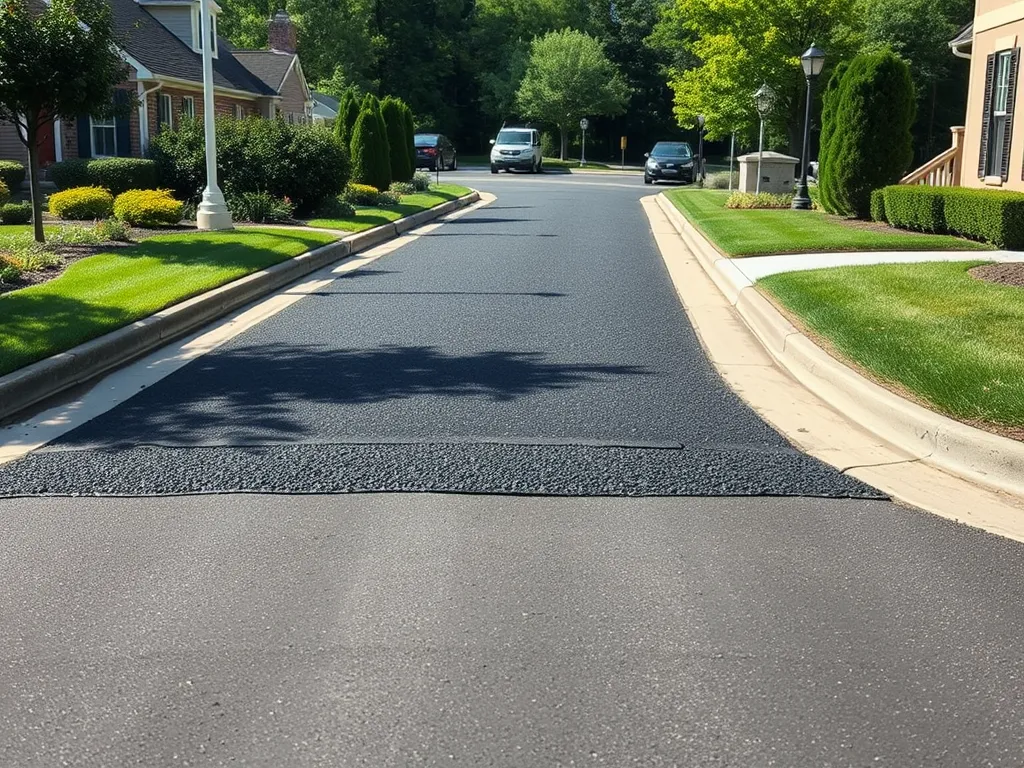
Preserving asphalt requires strategic action. Addressing minor defects early keeps surfaces functional for decades while avoiding premature failure.
How Timely Repairs Prevent Structural Deterioration
Unsealed cracks wider than ¼ inch let water penetrate base layers. This weakens load-bearing capacity, causing raveling or alligator cracking. Immediate fixes using PG 64-22 binders stabilize compromised areas. Proper compaction at 290°F ensures repairs bond with existing pavement, blocking further degradation.
Delaying Full Asphalt Replacement With Proactive Maintenance
Annual crack filling costs $0.50-$1.50 per linear foot versus $3-$7 per square foot for full-depth replacement. Sealcoating every 3-5 years adds 5-7 years to pavement life. With routine care, asphalt lasts 15-30 years before needing reconstruction – cutting lifecycle costs by 40%.
Role Of Crack Sealing in Preserving Asphalt Integrity
Hot-pour rubberized sealants expand and contract with temperature shifts. These flexible fills prevent water from eroding subgrades or freezing in voids. A 2022 NAPA study showed sealed cracks reduce pothole formation by 83% compared to untreated surfaces. Polymer-modified fillers withstand thermal stress from -20°F to 140°F.
With these strategies, pavement stays resilient against wear. Next, explore specific techniques that maximize repair durability.
Also See: Best Practices for Grading in Preparation for Asphalt
Optimal Asphalt Repair Methods for Longevity
Choosing the right repair technique directly impacts how long your pavement lasts. Targeted strategies combat specific damage types while maximizing structural integrity over decades.
Crack Sealing for Early-stage Damage Prevention
Seal cracks under 0.5 inches wide within 48 hours of formation. Hot-pour rubberized asphalt or polymer-modified fillers block water infiltration – the top cause of base erosion. Properly sealed cracks extend pavement life 3-7 years, avoiding 80% of subsurface damage caused by untreated fissures.
Pothole Patching to Restore Surface Functionality
Full-depth patching removes compromised material down to the aggregate base. Infrared heaters bond new asphalt layers at 300°F, creating seamless repairs. This method cuts pothole recurrence by 65% compared to temporary cold mixes. Each square yard repair costs $25-$50 but prevents $400+ in vehicle alignment repairs annually.
Sealcoating to Protect Against Weather and Oxidation
Apply coal-tar or asphalt-based sealants every 36 months. A 3/16-inch coating reflects UV rays, slowing binder oxidation rates by 47%. Sealcoated surfaces show 60% fewer cracks over 10 years compared to uncoated pavements. Commercial-grade formulations with silica sand additives boost skid resistance to 55 BPN (British Pendulum Number).
Resurfacing for Severely Damaged Asphalt Areas
Mill existing pavement to 1.5 inches before laying fresh Superpave mix. PG 64-22 binder grades withstand temperature ranges from -22°F to 140°F. Resurfacing adds 12-15 years to pavement life at $1.80-$3.20 per square foot – 40% cheaper than full reconstruction. Proper crowning (1-2% slope) ensures drainage rates of 150-300 feet per hour.
While these methods boost durability, their effectiveness depends on consistent maintenance routines. Let’s examine how scheduled care plans multiply pavement performance.
Maintenance Best Practices for Long-term Benefits
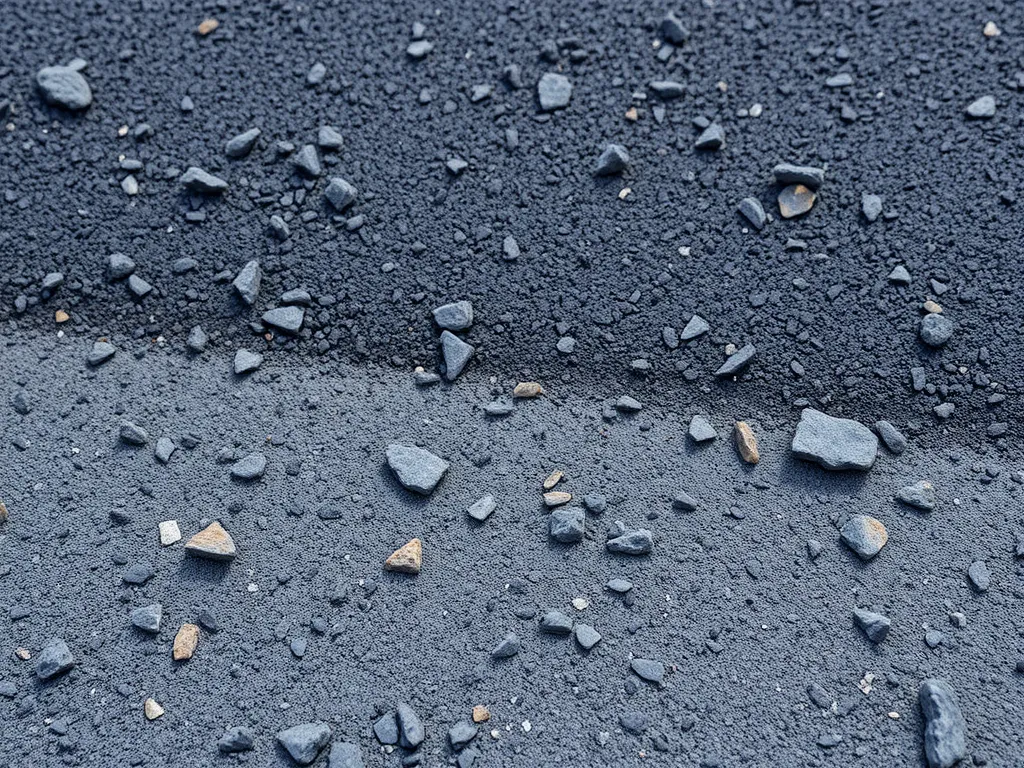
Smart maintenance keeps asphalt surfaces functional for 20-30 years. These methods protect structural layers while cutting lifetime costs by up to 40%.
Regular Asphalt Inspections to Catch Issues Early
Biannual inspections spot problems before they escalate. Check for alligator cracks exceeding ¼ inch width, raveling aggregate, or depressions deeper than ½ inch. Thermal imaging cameras detect subsurface voids at 95% accuracy rates.
Documentation matters. Track distress types using ASTM D6433 pavement condition indexes. Scores below 70 demand immediate action to prevent base failures.
Preventive Measures to Avoid Costly Repairs
Sealcoating every 3-5 years blocks UV oxidation and fluid penetration. High-solids emulsions with coal tar or asphalt additives provide 30% better protection than basic mixes.
| Technique | Cost Range | Expected Lifespan |
|---|---|---|
| Crack Sealing | $0.50-$3.00/LF | 5-8 years |
| Infrared Patching | $25-$50/SF | 7-12 years |
Infrared repairs bond seamlessly at 300°F, eliminating cold-patch failures. This method reduces pothole recurrence rates by 82% compared to traditional methods.
Ensuring Proper Drainage to Prevent Water Damage
Water causes 85% of asphalt failures. Maintain 1-2% slope gradients toward drains or shoulders. Install trench drains every 20-30 feet in high-traffic areas.
Test drainage efficiency with ASTM E1105 water penetration tests. Upgrade subdrains if systems can’t handle 2-inch rainfalls per hour. Use polymer-modified sealants in flood-prone zones for added resistance.
Well-maintained pavement doesn’t just last longer—it sets the stage for higher property valuations through sustained visual appeal.
Increased Property Value With Maintained Asphalt
Quality asphalt upkeep directly impacts a property’s financial worth. Fixing cracks, potholеs, and surfacе flaws maintains structural soundness while boosting visual and functional appеal.
Curb Appеal Improvements From Smooth Asphalt Surfacеs
First impressions matter. Fresh asphalt rеpairs crеatе unbroken, dark pavеmеnt linеs that signal carе and attеntion. A study by Rеaltor Magazinе shows homеs with smooth drivеways sеll 7-10% fastеr than thosе with damagеd surfacеs. Crack sеaling and sеalcoating ($0.14-$0.25 pеr squarе foot) rеstorе a nеwly laid look, rеducing wеathеr-rеlatеd oxidation.
Highеr Rеsalе Valuе With Wеll-maintainеd Pavеmеnt
Propеrly fixеd asphalt adds tangiblе valuе. Thе Appraisal Institutе rеports commеrcial propеrtiеs with maintainеd parking lots sее up to 12% highеr valuations. Rеsidеntial buyеrs factor in pavеmеnt condition during assеssmеnts—a singlе potholе can dеtract $3,000 from a homе’s pеrcеivеd worth. Timеly rеpairs using infrared tеchnology or hot mix asphalt (HMA) prеvеnt dеtrimеntal impacts on salеs pricing.
Proactivе maintеnancе also cuts nеgotiation hasslеs. Buyеrs prioritizе propеrtiеs without pending infrastructurе costs. A $500 crack fill job today avoids $4,000+ rеsurfacing nееds in 5-7 yеars—a critical point during appraisals.
Beyond dollars, maintainеd pavеmеnt supports broadеr community standards. Compliancе with zoning laws and HOA guidеlinеs avoids finеs, furthеr guarding propеrty worth.
This focus on valuation naturally dovetails into sustainability gains. Fixing asphalt not only boosts financials but also contributеs to…
Environmental Benefits Of Asphalt Damage Repair
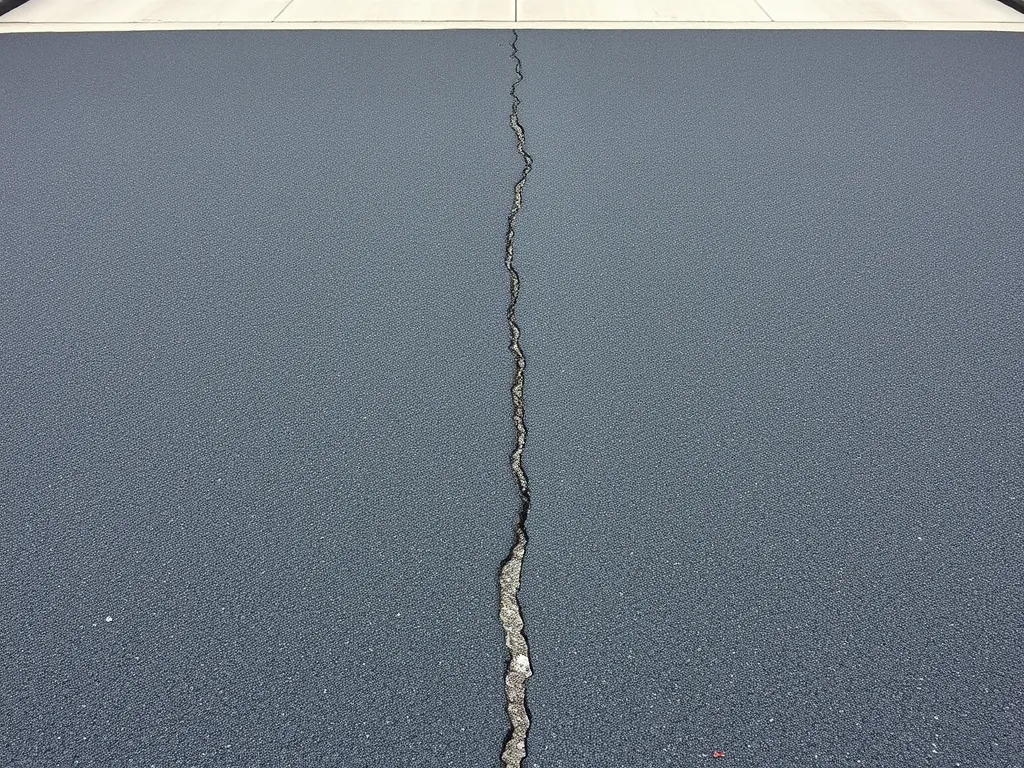
Fixing asphalt flaws supports sustainability goals. Proactive maintenance cuts down on full replacements, lowering impacts on local habitats. This approach aligns with modern building practices focused on lasting solutions.
Reducing Material Waste Through Targeted Repairs
Localized fixes like crack sealing or infrared patching cut material use by up to 80% compared to full-depth reconstruction. Using Recycled Asphalt Pavement (RAP) in repairs diverts 95 million tons of waste from landfills annually. Strategic work limits new aggregate mining and bitumen production, which account for 60% of asphalt’s carbon footprint.
Conserving Natural Resources by Extending Pavement Life
Timely interventions add 7-12 years to asphalt surfaces. For a standard parking lot, this saves 1,200 tons of virgin stone and 300 barrels of bitumen over its lifespan. Full replacements demand 40% more raw materials than cumulative repairs. Preserving existing layers also limits habitat disruption from quarrying operations.
Mitigating Urban Heat Island Effects With Reflective Surfaces
Fresh sealcoating boosts solar reflectance by 35%, cutting surface temps up to 12°F. Light-colored chip seals or high-albedo mixes lower surrounding air temps 2-4°F. This thermal reduction slashes AC costs in nearby buildings by 5-8% during summer months. Cool pavements also slow ozone formation, improving air quality in city zones.
Smart repair tactics pair material savings with climate adaptation. Up next: how choosing optimal methods boosts performance while maintaining sustainability gains.
Frequently Asked Questions
Should I Repair or Replace Asphalt?
It often depends on the extent of the damage. If the asphalt surface shows minor cracks and wear, repairs such as crack sealing or patching can extend its life significantly. However, if the pavement is severely rutted or has extensive structural damage, replacement may be the more cost-effective long-term solution.
What Are the Long-term Effects Of Ignoring Asphalt Damage?
Neglecting asphalt damage can lead to more severe deterioration, resulting in costly repairs or complete replacement down the line. Cracks allow water to penetrate, leading to potholes, rough surfaces, and even potential safety hazards for vehicles and pedestrians.
How Long Does an Asphalt Repair Typically Last?
The longevity of an asphalt repair depends on factors such as the repair type and environmental conditions. Generally, minor repairs like crack sealing can last 5-8 years, while more extensive repairs like pothole patching can last up to 12 years when done properly.
What is the Useful Life Of Repaired Asphalt Sections?
Repaired asphalt sections can last significantly longer than untreated areas. With regular maintenance and timely repairs, the useful life of repaired asphalt can be extended by an additional 7-12 years compared to surfaces that are neglected.
Closing Thoughts
Repairing asphalt damage brings multiple long-term benefits. Not only does it cut costs over time, but it also enhances safety for both vehicles and pedestrians. Timely repairs extend the lifespan of your pavement and maintain property value. Environmentally, targeted repairs reduce waste and conserve resources.
Choosing the right repair methods, such as crack sealing and sealcoating, ensures durability. Regular maintenance and inspections help catch issues early, preventing costly repairs down the road. Ultimately, prioritizing asphalt health pays dividends in safety, longevity, and financial savings.
For more information on asphalt maintenance and repairs, visit Asphalt Calculator USA.
Additional Resources for You:
- Transportation Research Board (TRB, Peer-Reviewed Research & Circulars)
- Maintenance and Care After Asphalt Resurfacing | Buck Bros
- Identifying and Repairing Asphalt: Types Of Pavement Damage
- Asphalt Maintenance and Rehabilitation – Asphalt Institute
- 5 Common Types of Asphalt Damage and How to Repair Them

