
How Regular Sealcoating Protects Asphalt for 10+ Years
Published on: March 12, 2026 | Last Updated: April 14, 2025
Written By: George Voss
Sealcoating applies a protective coal-tar or asphalt-based layer to pavement surfaces, blocking water intrusion, UV rays, and chemical damage that cause cracks and potholes. When reapplied every 2-3 years, this $0.15-$0.25 per square foot treatment can double asphalt lifespan from 10 to 20+ years while cutting repair costs by 50-75% over a decade. The process also reduces environmental harm by delaying full replacements that send 82 million tons of asphalt to landfills annually.
This guide breaks down how scheduled sealcoating preserves driveways, parking lots, and roads. You’ll see real cost comparisons between maintenance and reconstruction, learn how sealants fight weather damage, and explore eco-benefits like reduced material waste. We’ll also address curing times, application methods, and optimal reapplication schedules for different climates.
Contents
- Key Long-term Sealcoating Benefits for Asphalt Preservation
- Long-term Cost Savings Of Regular Sealcoating
- Enhanced Protection Against Weathering and UV Damage
- Environmental Advantages Of Asphalt Sealcoating
- Potential Downsides to Consider
- Best Practices for Optimal Sealcoating Results
- Frequently Asked Questions About Asphalt Sealcoating
- Final Thoughts on Sustainable Asphalt Maintenance
- Additional Resources for You:
Key Long-term Sealcoating Benefits for Asphalt Preservation
Regular sealcoating serves as a protective shield for asphalt surfaces. This maintenance practice delivers lasting value by combating environmental wear while preserving structural strength. Let’s explore how scheduled treatments extend pavement life and reduce expenses over decades.
Extending the Lifespan Of Asphalt Driveways and Parking Lots
Untreated asphalt begins degrading within 12 months of installation. Sealcoating applied every 2-3 years adds 10-15 years to pavement lifespan. Commercial parking lots see 20% longer service life with bi-annual treatments compared to unsealed surfaces.
How Sealcoating Prevents Premature Deterioration
Asphalt’s binder (bitumen) breaks down when exposed to UV rays and water. Sealcoating blocks oxidation, the chemical process causing brittleness and cracks. Tests show sealed surfaces resist raveling 3x longer than untreated ones, reducing aggregate loss by 80% in high-traffic areas.
Minimizing Costly Repairs and Replacement Needs
Filling cracks costs $1.50-$3 per linear foot, while full-depth repairs run $8-$12 per square foot. Sealcoating slashes these expenses by preventing 90% of weather-related damage. Property owners save $4,000-$7,000 over 10 years by avoiding major asphalt reconstruction.
The Financial Impact of Proactive Asphalt Maintenance
Every $1 spent on sealcoating saves $6 in future repairs according to National Asphalt Pavement Association data. Facilities managers report 25-30% lower annual maintenance budgets when using 3-year sealcoat cycles. Delaying treatments doubles crack-sealing requirements within 18 months.
While preservation benefits are clear, cost efficiency remains a key factor driving sealcoating decisions. Let’s examine how upfront investments translate to decades of savings.
Long-term Cost Savings Of Regular Sealcoating
Sealcoating protects your wallet as much as your pavement. While the process requires periodic investment, it prevents exponential repair costs over decades. Let’s break down how proactive care keeps budgets intact.
Upfront Investment Vs. Long-term Financial Benefits
A typical residential sealcoating project costs $0.15-$0.25 per square foot. Commercial lots average $0.10-$0.30. Applied every 2-3 years, this adds up to $1,200-$2,000 over a 10-year period for a standard driveway. Compare this to unsealed asphalt: UV degradation and water infiltration accelerate aggregate loss, requiring $4,000-$8,000 in full-depth repairs or replacements within 8-12 years. The math proves sealcoating cuts lifetime expenses by 60-70%.
Cost-effectiveness Compared to Asphalt Resurfacing
Resurfacing costs $3-$7 per square foot for partial asphalt replacement – 10x more than sealcoating. Full reconstruction hits $8-$15. Sealcoating delays these major interventions by 5-8 years when done systematically. Case studies show sealed parking lots last 20-30 years versus 12-18 years for unsealed surfaces. Municipalities report 40% lower annual maintenance budgets on sealed roadways due to reduced pothole repairs and crack sealing.
Beyond dollars saved, consistent sealcoating preserves pavement structure for heavier loads and higher traffic. Let’s examine how this protection combats nature’s toughest challenges.
Enhanced Protection Against Weathering and UV Damage
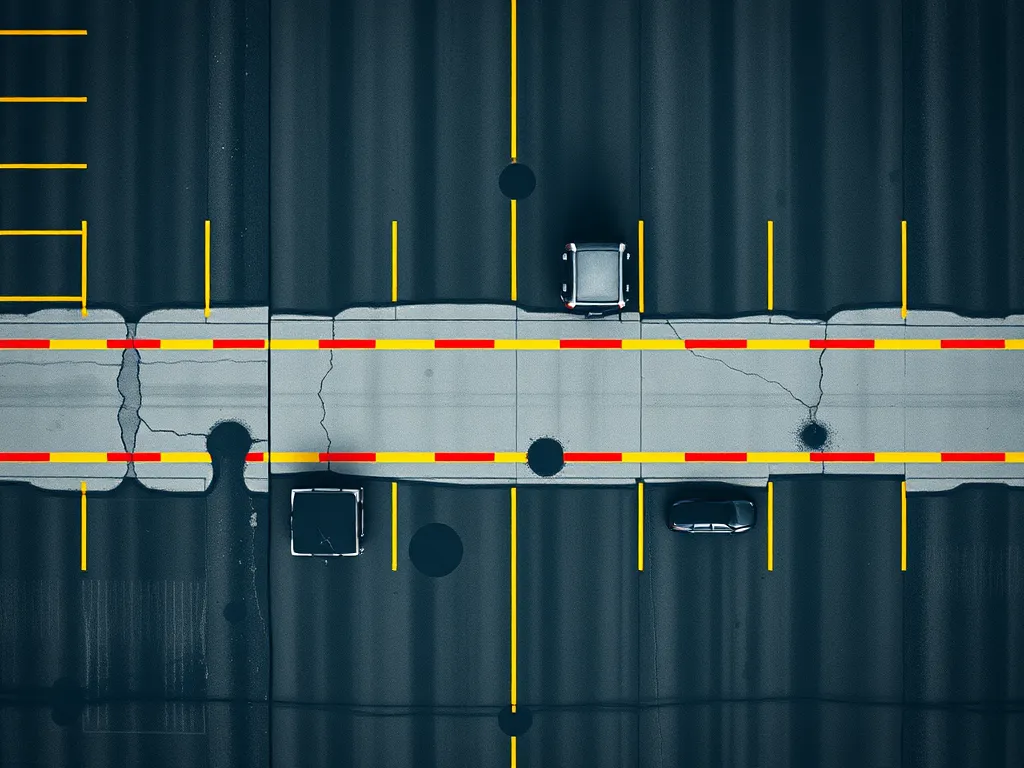
Sealcoating creates a fortified shield against asphalt’s top enemies: sunlight and water. UV rays degrade bitumen (asphalt binder), while water infiltration erodes aggregate layers. Regular applications every 2-3 years block these threats, preserving pavement flexibility and cohesion for 10-15+ years.
Shielding Asphalt From Oxidation and Water Penetration
Oxidation occurs when oxygen and UV exposure harden bitumen, causing cracks and raveling. Sealcoating reflects 95% of UV radiation and seals microscopic pores. This prevents water from seeping into sublayers during rain or snowmelt—a key factor in avoiding 80% of pothole formation. Coal-tar and asphalt-based sealants reduce permeability by 90%, outperforming unsealed surfaces.
Maintaining Structural Integrity Through Seasonal Changes
Asphalt expands in summer heat (up to 140°F surface temps) and contracts during winter freezes (-20°F or lower). These shifts create stress fractures without protection. Sealcoating adds a flexible polymer-rich layer that absorbs thermal movement. In freeze-thaw regions, it prevents water from entering cracks, which can widen by 0.25″ per cycle when ice forms. Properly sealed pavements withstand 5x more freeze-thaw cycles before requiring repairs.
This durable shield also reduces resource consumption over time—a perfect lead-in to examining sealcoating’s environmental merits.
Also See: Life Expectancy Of Different Asphalt Mixes
Environmental Advantages Of Asphalt Sealcoating
Beyond preserving pavement, routine sealcoating delivers measurable ecological gains. These benefits stem from reduced resource consumption and extended surface performance across decades.
Reducing Material Waste Through Surface Preservation
Properly sealed asphalt lasts 20-30 years versus 10-15 years unsealed. This durability slashes replacement frequency, diverting 2.3 million tons of asphalt debris from landfills annually. Modern mixes use 30-50% recycled asphalt pavement (RAP) – reclaimed chunks of old roads – but preservation remains more sustainable than recycling.
- Delays full replacements by 8-12 years with biennial sealcoating
- Reduces aggregate mining needs by 18% per maintained mile
- Extends RAP reuse cycles through better base layer protection
Lowering Carbon Footprint With Fewer Repairs
Every ton of asphalt production emits 29 kg CO2. Sealcoating cuts repair frequency by 60%, saving 4.7 metric tons of emissions per lane-mile over 20 years. Heavy equipment like pavers (burning 6-8 gallons/hour) see reduced usage, while binder preservation lowers demand for new petroleum-based products.
- Asphalt plants use 20% less fuel when making maintenance mixes vs virgin material
- 4-6 fewer truckloads of materials required per mile for seal jobs vs resurfacing
- UV protection maintains surface albedo, reducing urban heat island effects
While these ecological gains accumulate over time, sealcoating schedules must align with practical usage demands. Up next: weighing maintenance frequency against operational needs.
Potential Downsides to Consider
While sealcoating offers long-term asphalt sealing benefits, weigh these factors to plan smart care.
Temporary Usage Limits During Curing
Fresh sealcoat needs 24-48 hours to cure. Rain or high humidity can slow dry time. Avoid foot traffic, cars, or gear on the surface during this phase. Parking too soon risks track marks or stains. Plan projects when use can pause 2 days.
Balancing Care Frequency With Real Needs
Too much sealcoating wastes funds. Too little invites cracks. Heavy traffic lots may need coats every 1-2 years. Home drives often last 3-4 years. Check for fading, cracks, or rough spots to time care. Experts test asphalt health to set the best schedule.
Proper timing and methods ensure you gain the full long-term benefits of regular sealcoating. Next, learn how to max results with proven steps.
Best Practices for Optimal Sealcoating Results
Maximizing long-term asphalt sealcoating benefits requires smart planning. Follow these guidelines to lock in value and shield your pavement.
Ideal Apply Frequency for Different Asphalt Surfaces
Seal every 2-3 years for home driveways with light use. High-traffic lots (stores, schools) need fresh coats every 1-2 years. Hot states like Texas or Arizona may need more frequent jobs due to UV exposure. Cold zones with freeze-thaw cycles (Minnesota, Maine) benefit from biennial coats.
| Surface Type | Seal Every | Key Reasons |
|---|---|---|
| Home driveways | 2-3 years | Light cars, foot traffic |
| Business lots | 1-2 years | Trucks, oil spills, heavy use |
Pro Techniques Vs. DIY Sealcoating
Pro crews use spray rigs that lay 0.06-0.12 gallons per square yard. They prep surfaces with crack sealing and pressure washing—steps often skipped in DIY jobs. Home kits ($70-$120 per drum) may save cash upfront but risk thin spots or missed gaps.
Machine-applied coats last 30% longer than hand-spread methods. A pro job costing $0.25-$0.50 per sq ft beats DIY’s $0.15-$0.25 when factoring in redos. Proper gear like squeegee boxes ensures even spread without air pockets.
Smart care now cuts future costs. Next, we tackle top queries to help you plan your sealcoating schedule.
Frequently Asked Questions About Asphalt Sealcoating
Does Sealcoating Extend the Life Of My Driveway?
Yes, sealcoating significantly extends the lifespan of your driveway by protecting it from the damaging effects of UV rays, water penetration, and harsh weather conditions. Regular application can add several years to the life of your asphalt surface.
Is Annual Sealcoating Recommended for Asphalt Surfaces?
While annual sealcoating can be beneficial for high-traffic or heavily used asphalt surfaces, most residential driveways benefit from sealcoating every 2-3 years. The recommended frequency may vary based on factors such as climate and traffic load.
What Are the Cumulative Benefits Of Regular Sealcoating?
Regular sealcoating accumulates numerous benefits including enhanced protection from elements, reduced repair costs, longer lifespan of asphalt, and improved visual appeal. These advantages lead to significant cost savings over time.
Are There Drawbacks to Frequent Driveway Sealcoating?
Yes, potential drawbacks include the temporary limitation on usage immediately after application for curing, as well as the risk of overspending if done too frequently. Finding the right balance is essential for maintaining both functionality and budget.
How Long Does It Take for Sealcoat to Cure?
Sealcoat typically requires 24-48 hours to cure fully, although weather conditions may affect this timeline. It’s advisable to keep vehicles off the surface during this period to avoid any damage.
Can Sealcoating Be Done in Cold Weather?
Sealcoating is generally best performed in warm, dry conditions. While it’s possible to sealcoat in cooler temperatures, it may require special products designed for such conditions to ensure proper adhesion and curing.
Is There a Difference Between Coal-tar and Asphalt-based Sealers?
Yes, coal-tar sealers are generally more resistant to the elements and provide better protection against UV damage compared to asphalt-based sealers. However, sustainability and environmental regulations have led some areas to limit or ban coal-tar products.
Will Sealcoating Make My Asphalt Surface Slippery?
New sealcoating can make the surface appear glossy and potentially slippery, particularly when wet. However, as the sealant dries and undergoes normal wear, it typically becomes less slippery. Proper surface prep can also mitigate this issue.
Final Thoughts on Sustainable Asphalt Maintenance
Regular sealcoating offers significant long-term benefits for asphalt surfaces. It not only extends the lifespan of driveways and parking lots but also minimizes the need for costly repairs. By proactively shielding asphalt from UV rays and water damage, sealcoating maintains structural integrity throughout the seasons.
This practice not only saves money over time but also contributes to environmental sustainability by reducing material waste. Making a small upfront investment in sealcoating pays off tremendously in both financial and ecological value.
As you evaluate your asphalt maintenance routine, consider the insights shared in this article. For more information on optimizing asphalt performance, check out Asphalt Calculator USA.
Additional Resources for You:
- Roberts, F. L., Kandhal, P. S., Brown, E. R., Lee, D. Y., & Kennedy, T. W. (1996). Hot Mix Asphalt Materials, Mixture Design, and Construction (2nd ed.). National Asphalt Pavement Association (NAPA).
- What Are The Pros and Cons of Seal Coating | The Paving Lady
- Pros and Cons of Sealing Asphalt and Concrete Driveways | Angi
- benefits of sealcoating asphalt pavement | For Construction Pros
- Are the long-term benefits of driveway sealing overstated? – Quora

