Load-bearing Capacity Of Asphalt Vs Concrete: Key Comparisons &Amp; Applications
Published on: March 11, 2026 | Last Updated: April 14, 2025
Written By: George Voss
Load-bearing capacity measures how much weight pavement can handle before cracking or deforming. Asphalt flexes under pressure, using PG (performance-graded) binders to bend without breaking, while concrete relies on rigid strength from its cement mix. Asphalt supports 8,000-12,000 pounds per axle lane; concrete handles 15,000-18,000 pounds. But material choice isn’t just about numbers—asphalt costs $2-$5 per square foot and resists freeze-thaw cycles better, while concrete’s $4-$10 cost suits static heavy loads like warehouse floors.
This article breaks down how these materials perform under stress. We’ll compare thickness requirements, base layer prep, and climate impacts. Learn why a 6-inch asphalt driveway with proper compaction can rival concrete’s strength. See how Superpave mix designs boost asphalt’s durability in truck lanes. Get cost data, maintenance tips, and real-world examples for roads, driveways, and industrial sites.
Contents
- Understanding Load-bearing Capacity in Pavement Materials
- Factors Affecting Load-bearing Capacity Of Asphalt Vs Concrete
- Load-bearing Capacity Of Asphalt: Detailed Analysis
- Concrete Load-bearing Capacity: Key Considerations
- Asphalt Vs Concrete Load-bearing Comparison
- Cost Analysis: Asphalt Vs Concrete for Load-bearing Projects
- Environmental Impact Of Load-bearing Pavement Materials
- FAQs About Asphalt Vs Concrete Load-bearing Capacity
- Closing Thoughts
- Additional Resources for You:
Understanding Load-bearing Capacity in Pavement Materials
Load-bearing capacity measures how much weight pavement materials can support without cracking or deforming. Expressed in pounds per square inch (PSI) or megapascals (MPa), this metric determines which material suits specific traffic demands.
What is Load-bearing Capacity?
This property defines a pavement’s ability to distribute vehicle weight across its structure. Asphalt typically handles 3,000-5,000 PSI, while concrete ranges from 4,000-8,000 PSI. These values depend on mix designs – asphalt uses PG-graded binders and aggregates, while concrete relies on cement paste strength and reinforcement.
Importance Of Load Ratings for Asphalt and Concrete
Engineers use load ratings specified by AASHTO M 323 (asphalt) and ACI 318 (concrete) to match materials with project needs. High-traffic truck routes often use asphalt for its flexibility under repeated loads, while concrete dominates airport runways needing rigid support. Incorrect ratings lead to premature failures: asphalt rutting under excessive truck traffic or concrete slab cracking from frost heave.
Costs tie directly to load capacity. Asphalt costs $2-$5 per square foot for standard driveways but jumps to $8-$15 for heavy-duty mixes. Concrete starts at $4-$8 per square foot but reaches $12-$25 for steel-reinforced slabs. These differences highlight why load ratings drive budget decisions.
Material choice forms just one piece of the puzzle – next, we’ll explore how thickness, climate, and installation methods shape performance.
Factors Affecting Load-bearing Capacity Of Asphalt Vs Concrete
Pavement performance under weight depends on multiple variables. Asphalt and concrete react differently to material choices, structural designs, and environmental stressors. Let’s break down these critical factors.
Material Composition and Structural Design
Asphalt mixes use aggregates (crushed stone, sand) bound by bitumen. High-quality asphalt includes PG (Performance-Graded) binders rated for specific temperatures. Concrete combines cement, water, and aggregates with steel rebar for reinforcement. A typical concrete mix achieves 3,000-4,000 PSI compressive strength, while asphalt reaches 1,500-3,000 PSI flexural strength. Structural designs vary: asphalt relies on layered compaction, whereas concrete uses slab thickness (6-12 inches) and joint spacing to manage weight distribution.
Thickness and Installation Techniques
Asphalt pavements require 3-4 inches for driveways and 8-12 inches for highways. Proper compaction at 92-96% density prevents rutting under heavy loads. Concrete installations demand precise curing: 7-day moisture retention prevents cracks that reduce load capacity. A 6-inch concrete slab supports 8,000-10,000 lbs per axle, while a 4-inch asphalt layer handles 5,000-7,000 lbs. Poorly compacted asphalt loses 30% of its load capacity; improperly cured concrete cracks under 20% less weight.
Climate and Temperature Effects on Asphalt Performance
Asphalt softens at 140°F, risking deformation under heavy trucks. Winter cold (-20°F) makes it brittle, increasing crack risks. Concrete maintains strength in heat but fractures in freeze-thaw cycles without air-entrained mixes. Thermal expansion gaps in concrete slabs prevent buckling but require precise spacing (10-15 feet).
How Cold Climates Impact Asphalt vs Concrete Load Capacity
Freeze-thaw cycles damage both materials differently. Asphalt’s flexibility lessens crack propagation but requires springtime repairs after frost heave. Concrete slabs with <4% air entrainment develop scaling, losing 15-25% load capacity after 10 freeze-thaw cycles. Deicing salts accelerate asphalt’s binder degradation, while concrete suffers surface spalling. Northern states often specify thicker asphalt bases (12+ inches) or fiber-reinforced concrete for highways.
Next, we’ll analyze asphalt’s load-bearing specifications in real-world scenarios—from interstate truck traffic to airport runways.
Load-bearing Capacity Of Asphalt: Detailed Analysis
Asphalt’s strength to hold weight stems from its mix design and build. Let’s break down how it handles heavy loads.
Standard Weight Limits and Tonnage Asphalt Can Withstand
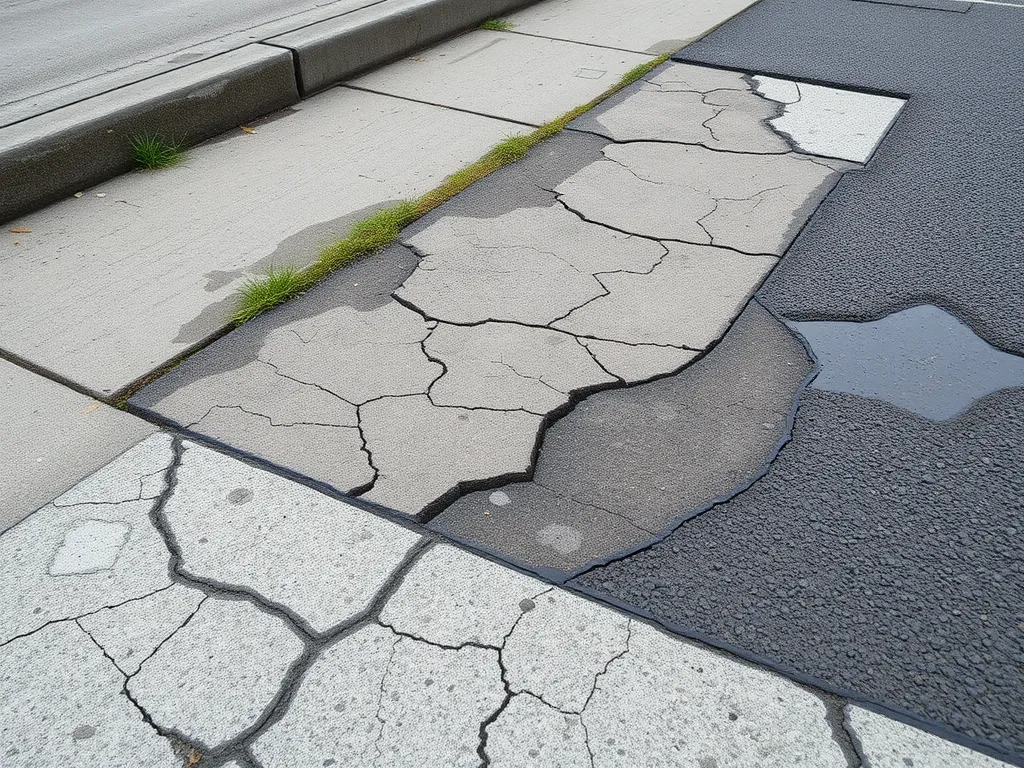
A well-built asphalt layer can bear 12,000 lbs per axle. For roads with thick bases (8-12 inches), this jumps to 40-ton trucks. Airports use special asphalt blends rated for 800,000 lbs per wheel. Key factors: base depth, binder grade (PG 64-22 common), and mix density (145-150 lbs per cubic foot).
Measuring Asphalt’s Load-bearing Capacity: Methods and Tools
Engineers use three main tests:
- FWD (Falling Weight Deflectometer): Drops 9,000-lb force to check surface bend
- Core drills: Pull samples to test layer depth and mix strength
- Benkelman beam: Measures rebound under truck loads
These tools help calculate asphalt’s modulus (300,000-400,000 psi for heavy-use roads).
Common Applications Leveraging Asphalt’s Strength
Asphalt works best where flex matters:
- Highways: Handles 3,000+ trucks daily using 12-inch bases
- Air runways: Special polymer mixes hold jumbo jets (up to 1.3M lbs)
- Truck hubs: 10-inch asphalt lasts 15+ years under constant 80k-lb rigs
Now let’s see how concrete stacks up in head-to-head load tests. Next section breaks down key specs for cement-based surfaces.
Also See: 5 Key Benefits Of Crack Sealing You Need to Know
Concrete Load-bearing Capacity: Key Considerations
Concrete offers high load ratings but faces unique stress factors. Its rigid structure handles weight through slab design and mix strength. Key specs like PSI ratings (3,000-4,000) and modulus of elasticity shape its performance.
Comparing Concrete’s Load Ratings to Asphalt
Concrete beats asphalt in raw strength tests. A 6-inch slab holds 8,000-10,000 lbs per square foot – double asphalt’s range. But asphalt flexes under weight, spreading loads across its base. Concrete cracks when bent, needing steel rebar ($1.50-$3.00/sq ft extra) to share stress. Thermal shifts hurt both: concrete expands 0.0000055 inches per °F, risking joint gaps.
Limitations and Challenges in Concrete Load Distribution
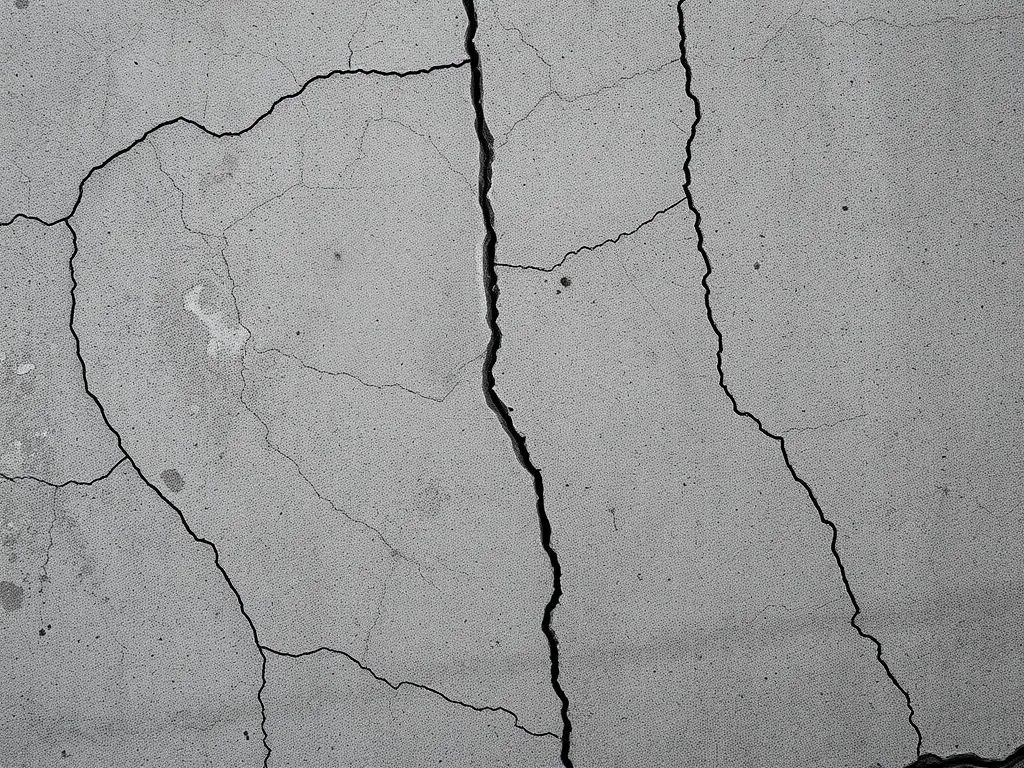
Concrete fails fast if subgrade shifts. A 1/8-inch slab dip cuts load strength by 35%. Freeze-thaw cycles spall surfaces, exposing aggregate. Repairs cost 40% more than asphalt patching. Load transfer at joints drops efficiency to 25-50% over time, needing dowel bars ($12-$18/linear foot) for weight sharing.
These traits set the stage for direct side-by-side tests in real-world settings.
Asphalt Vs Concrete Load-bearing Comparison
Road crews and engineers pick pave types based on how much weight they can hold. Both options have pros and cons in real-world use.
Side-by-side Analysis Of Load Ratings
Concrete rates higher in pure strength tests. A 6-inch slab holds 3,000-4,000 psi (pounds per square inch). Asphalt hits 300-500 psi for the same depth. But numbers don’t tell the full story.
| Material | Thickness | Load Range (psi) |
|---|---|---|
| Asphalt | 6 inches | 300-500 |
| Concrete | 6 inches | 3,000-4,000 |
Asphalt flexes under weight, spreading force across its base. Concrete stays rigid. This makes asphalt better for roads with moving loads like trucks.
When Asphalt Outperforms Concrete in Heavy-duty Scenarios
Asphalt beats concrete in high-traffic zones. Airports use 14-inch asphalt layers for jet loads. Highways handle 1,200 trucks per hour with asphalt’s bend-and-rebound trait.
Cold zones favor asphalt too. It stays crack-free at -20°F, while concrete joints fail under freeze-thaw cycles. Proper base prep lets asphalt hold 20-ton loads without rutting.
Situations Where Concrete May Be Preferable
Concrete works best for static heavy loads. Factory floors holding 50-ton machines use 10-inch slabs. Bridge decks need concrete’s 8,000 psi strength to bear constant weight.
Hot climates (90°F+) suit concrete. Asphalt softens at 140°F, but concrete stays stiff. Just ensure stable subgrade—shifting soil cracks concrete slabs fast.
While strength guides choice, costs also play a key role. Up next: budget impacts for both materials.
Cost Analysis: Asphalt Vs Concrete for Load-bearing Projects
Selecting between these two materials requires balancing upfront spending with long-term performance. Load-bearing needs directly influence both budget planning and return on investment.
Initial Installation Costs Per Square Foot
Asphalt typically costs $2–$5 per sq.ft. installed, while concrete ranges from $4–$8. This gap stems from material composition: liquid bitumen binds asphalt mixtures at lower temperatures (250–350°F), requiring less energy than concrete’s cement curing process. For projects needing 8–10” thickness to handle heavy loads (e.g., truck yards), asphalt’s lower base prep costs provide savings upfront.
| Material | Cost/Sq.Ft. | Typical Thickness for 40k lb Loads |
|---|---|---|
| Asphalt | $2–$5 | 8–10″ |
| Concrete | $4–$8 | 6–8″ |
Long-term Maintenance Expenses and Resale Value
Asphalt demands sealcoating every 3–5 years ($0.15–$0.25/sq.ft.) to prevent oxidation-caused cracks under heavy loads. Concrete resists deformation better but costs 30–50% more to repair if joints fail. Over 20 years, total ownership costs narrow: $9–$12/sq.ft. for asphalt vs $10–$15 for concrete.
How Load-Bearing Capacity Affects Driveway Resale Value
Homes with concrete driveways supporting 9,000–12,000 PSI often see 5–10% higher resale values in regions with RV/trailer ownership. Buyers prioritize surfaces that won’t rut under boat trailers or delivery trucks. Asphalt’s 3,000–5,000 PSI rating suffices for passenger vehicles but may require documented maintenance records to justify pricing parity.
Up next: How environmental factors shape choices between these materials in high-traffic zones.
Environmental Impact Of Load-bearing Pavement Materials
Load-bearing capacity ties directly to environmental performance. Materials that handle heavy weights with fewer resources create sustainable infrastructure. Let’s break down how asphalt and concrete compare.
Sustainability Of Asphalt in High-traffic Applications
Asphalt’s flexibility allows thinner layers to support heavy loads, reducing material use. High-traffic highways often use polymer-modified PG 76-22 binders to enhance strength while maintaining eco-efficiency. A 6-inch asphalt layer can handle 10,000+ ESALs (Equivalent Single Axle Loads) with 30% recycled content via RAP (Reclaimed Asphalt Pavement).
- Produces 35% fewer emissions than concrete during manufacturing
- Uses 20% less energy per ton for production at 300°F vs. concrete’s 2500°F cement kilns
- Maintains 95% recycled content viability without losing load-bearing integrity
Recycling Potential and Energy Efficiency Comparisons
Asphalt leads in circular economy practices. Cold-in-place recycling rebuilds roads at 40-60% lower energy costs while preserving structural capacity. Concrete recycling requires crushing, which consumes 50% more energy and often downgrades material to base layers.
| Metric | Asphalt | Concrete |
|---|---|---|
| Recycle Rate | 99% reusable | 80-85% reusable |
| CO2 per Ton | 28 kg | 96 kg |
| Rebuild Cycles | Every 15-20 years | 25-40 years |
While concrete lasts longer between rebuilds, asphalt’s rapid renewability cuts lifetime emissions by 22% for roads with heavy truck traffic.
These environmental trade-offs influence long-term costs – let’s examine how they affect project budgets next.
FAQs About Asphalt Vs Concrete Load-bearing Capacity
Is Concrete Stronger Than Asphalt for Heavy Loads?
Yes, concrete generally exhibits higher compressive strength compared to asphalt, making it better suited for static heavy loads like warehouse floors and bridge decks. Concrete can handle loads of up to 18,000 lbs per axle, while asphalt typically supports around 12,000 lbs per axle.
How Much Weight Can a Properly Installed Asphalt Surface Support?
A properly installed asphalt surface can support anywhere from 8,000 lbs to over 12,000 lbs per axle, depending on the thickness of the asphalt and the quality of the materials used. For example, a well-compacted 6-inch layer can typically handle the weight of heavy trucks when designed appropriately.
Does Asphalt or Concrete Perform Better in Freezing Conditions?
Asphalt tends to perform better than concrete in freezing conditions due to its flexibility, which helps it withstand freeze-thaw cycles. While asphalt can develop cracks in extremely cold temperatures, it is less likely to suffer from severe damage compared to concrete, which can crack and spall if not properly mixed with air-entraining agents to counteract freeze-thaw effects.
What Are the Long-term Maintenance Considerations for Each Material?
Asphalt requires more frequent maintenance, such as sealcoating every 3-5 years, to extend its lifespan and maintain its load-bearing capacity. Conversely, concrete, while generally more durable, has higher repair costs if joints fail or if it suffers from freeze-thaw damage. Thus, while concrete may require less frequent maintenance, repairs can be more expensive than asphalt.
Closing Thoughts
When comparing the load-bearing capacity of asphalt and concrete, it becomes clear that both materials have unique strengths suited for different applications. Asphalt excels in flexibility and quick installation, making it ideal for heavy-duty scenarios like highways and parking lots. In contrast, concrete offers superior longevity and load distribution, particularly beneficial in high-stress environments.
Consider factors such as climate, thickness, and your specific use case to determine the best option. Whether it’s short-term projects or long-lasting constructions, understanding these variables will guide your decision-making process.
For a deeper dive into load-bearing capacities, installation techniques, and project planning, visit Asphalt Calculator USA. Your perfect pavement solution awaits!
Additional Resources for You:
- Lavin, P. (2003). Asphalt Pavements: A Practical Guide to Design, Production, and Maintenance for Engineers and Architects. London: Taylor & Francis.
- Asphalt Layer – an overview | ScienceDirect Topics
- Bearing Capacity Analysis of Pavements – UKnowledge
- Bearing Capacity/Pressure of Existing Asphalt – Structural …
- Pavement thickness and load carrying capacity