
Liquid Asphalt Applications: Uses, Methods, and Key Considerations
Published on: March 10, 2026 | Last Updated: April 14, 2025
Written By: George Voss
Liquid asphalt applications involve using a refined petroleum product as a binder in road construction, maintenance, and waterproofing projects. Unlike traditional hot-mix asphalt, liquid asphalt remains flowable at lower temperatures and combines with aggregates through spray systems or emulsification. Common uses include pavement sealing, pothole repairs, bridge deck coatings, and soil stabilization. Application methods vary from handheld sprayers for cracks to tanker trucks for large road surfaces, with curing times ranging from 2 hours to 2 days based on weather.
This article explains how liquid asphalt works across infrastructure projects. You’ll learn about pavement preservation techniques like chip sealing, cold mix asphalt production, and foamed asphalt for unstable soils. We break down equipment choices, temperature requirements (typically 150°F to 350°F), and cost factors like material grades (PG 64-22 vs PG 76-28). Explore best practices for surface prep, application rates (0.10 to 0.25 gallons per square yard), and sustainability features like 95% recyclability.
Contents
- What is Liquid Asphalt?
- Primary Types Of Liquid Asphalt Applications
- Core Uses Of Liquid Asphalt in Infrastructure
- Benefits Of Liquid Asphalt Applications
- Liquid Asphalt Application Process
- Cost Considerations for Liquid Asphalt Projects
- Environmental Aspects Of Liquid Asphalt Use
- Frequently Asked Questions
- Closing Thoughts
- Useful References for You:
What is Liquid Asphalt?
Liquid asphalt serves as a versatile material in modern construction. Unlike solid forms, it flows at ambient temperatures for diverse uses across projects.
Definition and Composition
Liquid asphalt is a fluid binder made of 80-85% bitumen blended with additives like polymers, solvents, or emulsifiers. Common grades include penetration grade (PG) and viscosity grade (VG) binders, designed for specific climates. Polymer-modified versions improve flexibility, while water-based emulsions allow mixing without high heat. This composition enables precise application for roads, driveways, and waterproofing layers.
Liquid Asphalt Vs. Traditional Asphalt
Traditional hot mix asphalt (HMA) requires heating aggregates and bitumen to 280-325°F. Liquid asphalt applies at 50-185°F, cutting energy use by up to 40%. Emulsions set within 1-2 hours versus HMA’s 24-hour cooling period. Cutback asphalt—bitumen mixed with kerosene or diesel—flows freely for crack sealing but needs solvent evaporation to cure. These traits make liquid variants ideal for quick repairs, cold climates, and thin surface treatments.
With its adaptable properties, liquid asphalt supports efficient pavement solutions. Next, let’s examine the primary types of liquid asphalt applications transforming infrastructure projects.
Primary Types Of Liquid Asphalt Applications
Liquid asphalt serves three key roles: sealing roads, building mixes, and fixing weak soil. Each use targets specific needs in paving and repair work.
Pavement Sealing and Preservation
Liquid asphalt binds cracks and shields roads from water, sun, and wear. It extends pavement life by 5-7 years at half the cost of full rebuilds.
Roadway Crack Sealing
Hot-pour liquid asphalt (320°F to 400°F) fills gaps up to 1 inch wide. This stops water from eroding road bases. Crews use pour pots or spray jets for fast fixes with PG 64-22 binders.
Surface Treatment (Chip Sealing)
A 0.15-0.25 gal/sy liquid asphalt layer locks gravel chips to worn roads. Trucks spread chips right after spraying. The mix hardens in 2-4 hours, creating a skid-proof shield.
Asphalt Emulsions for Construction
Water-based emulsions (CSS-1h, SS-1h) let crews work cold. These mixes stick to damp surfaces and cure fast. They cut fuel use by 35% versus hot-mix methods.
Cold Mix Asphalt Production
Emulsions bind gravel for pothole patches and rural roads. Stockpile mixes stay workable for months. They handle -20°F to 120°F temps once set, ideal for quick winter repairs.
Foamed Asphalt for Soil Stabilization
Steam-treated liquid asphalt (2-3% water) expands 15x, coating soil grains. This turns weak clay or sand into firm road bases. Foam cuts cement needs by 40% in highway projects.
These core methods set the stage for liquid asphalt’s role in large builds—from highways to bridges.
Core Uses Of Liquid Asphalt in Infrastructure
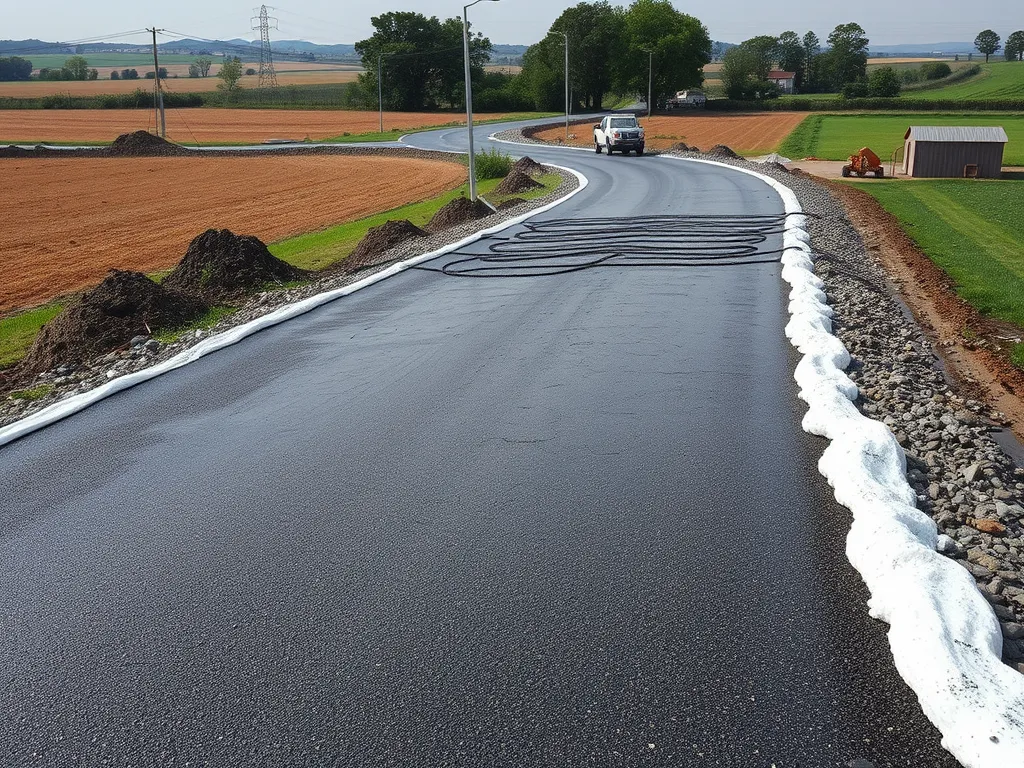
From highways to home driveways, liquid asphalt serves as a backbone for long-lasting infrastructure. Its adaptability allows application in varying conditions, making it vital for both new builds and fixing existing surfaces.
Road Construction and Repair
Liquid asphalt binds aggregates in hot mix asphalt (HMA) and cold mix asphalt, forming sturdy road foundations. PG binders (performance-graded materials tailored for local climates) boost road longevity by 20-30% compared to traditional mixes.
Highway Resurfacing
Polymer-modified liquid asphalt resurfaces highways at 300-350°F, filling cracks and restoring smoothness. This method adds 10-15 years to pavement life, cutting long-term costs by up to 40%.
Bridge Deck Waterproofing
Bituminous membranes made with liquid asphalt shield bridge decks from water damage. Spray-applied layers block salt and moisture, preventing corrosion that costs $4B annually in US bridge repairs.
Parking Lot Maintenance
Liquid asphalt slurry seals fill voids in aging lots, blocking UV rays and fuel spills. Microsurfacing—a mix of polymer asphalt and crushed rock—restores grip in 4-6 hours, costing $1.50-$3.00 per square foot vs. $5.00 for full replacement.
Driveway Installation and Repair
Cold mix asphalt (CMA) with liquid binder lets homeowners patch cracks without hot machinery. For new builds, liquid asphalt tack coats bond layers at 0.05-0.15 gal/yd². Annual sealcoating cuts driveway repair costs by 50% by blocking water intrusion.
Looking beyond infrastructure, liquid asphalt’s adaptability also drives its role in sustainability—a topic shaping modern construction standards.
Also See: How Asphalt and Wildlife Conservation Can Coexist
Benefits Of Liquid Asphalt Applications
Liquid asphalt uses span from road repairs to large-scale infrastructure projects. Its unique properties create advantages over traditional methods. Let’s break down three key benefits shaping modern construction.
Enhanced Durability in Extreme Conditions
Liquid asphalt pavement resists cracking in temperatures from -20°F to 120°F. Polymer-modified binders like PG 76-22 (Performance Grade) shield surfaces from thermal stress. In snow-prone regions, this prevents freeze-thaw damage. Coastal areas benefit from its saltwater corrosion resistance – critical for bridge decks and seawall access roads.
Cost-effective Maintenance Solutions
Liquid asphalt installations cost 40% less than hot mix asphalt for repairs. A chip seal treatment averages $0.80-$2.50 per square foot versus $3-$7 for full-depth paving. Agencies save 60-75% on labor with spray-applied emulsions versus manual patching. Recycled asphalt pavement (RAP) mixes cut material costs by 30% without sacrificing quality.
Rapid Application and Curing Times
Cold-applied liquid asphalt uses eliminate heating needs. Emulsions cure in 2-4 hours under 70°F conditions – 90% faster than hot mix compaction. Fog seals take 45 minutes to set, allowing same-day traffic reopening. This speed minimizes lane closure penalties, which cost $4,500/hour on urban highways per FHWA data.
From weatherproofing to budget flexibility, these advantages set the stage for exploring liquid asphalt application methods. Next, we’ll break down temperature controls, equipment choices, and best practices for lasting results.
Liquid Asphalt Application Process
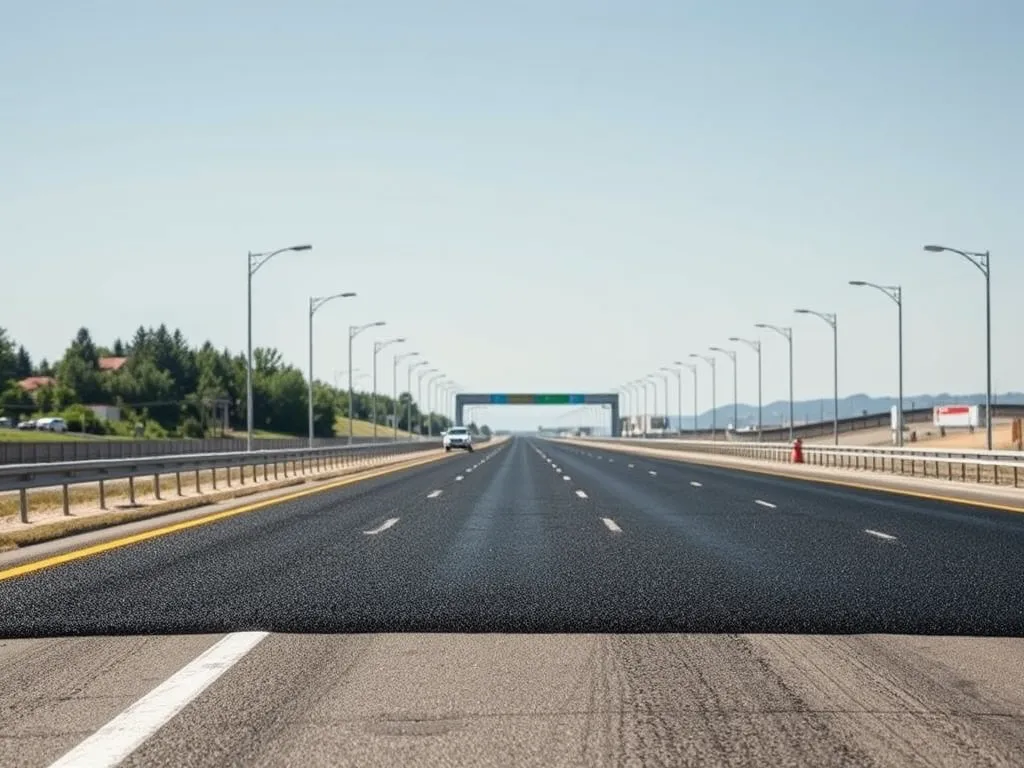
Proper steps ensure long life for liquid asphalt uses. From prep work to tools, each stage affects performance.
Surface Preparation Requirements
Clean, dry surfaces boost bond strength. Remove dirt, oil, or loose debris with brooms or air blasts. Fix cracks over 1/4 inch wide before applying liquid asphalt pavement treatments. Use tack coats (thin adhesive layers) on smooth concrete to improve grip.
Temperature Control Methods
Heat keeps liquid asphalt flow steady. Oil-jacketed tanks or direct-fired heaters maintain temps during storage. Cold mix needs 50-70°F for workable texture. Hot pours require higher heat for proper spread.
Ideal Application Temperature Range
| Type | Temp Range (°F) |
|---|---|
| Emulsion Sealer | 60-85 |
| Hot-Applied Binder | 275-325 |
| Foamed Asphalt | 300-350 |
Equipment and Installation Techniques
Right tools cut waste and boost speed. Distributor trucks spray liquid asphalt construction layers at 0.05-0.25 gal/yd² rates. Squeegee kits hand-spread small patches. Reclaimers blend old pavement with fresh binder during recycling.
Spray Systems for Even Distribution
Adjustable nozzles control spray width from 4-24 feet. Computer-aided systems sync flow with truck speed, hitting +/- 5% accuracy. Test spray patterns on tarps first to check gaps. Viscosity gauges ensure smooth flow through hoses.
With prep work done and tools set, cost factors shape project plans. Let’s break down what drives pricing for liquid asphalt installations.
Cost Considerations for Liquid Asphalt Projects
Smart cost plans shape liquid asphalt projects. Builders weigh price shifts and long gains to pick the best path.
Price Factors and Volume Estimation
Costs swing with crude oil rates, PG binder grades, and job size. Cold mix needs 1.5 tons per 100 sq ft at 2-inch depth. Hot pour uses 20-30% less due to tighter bonds. Weather plays a role—work in rain adds 15% to labor fees. Tools like laser scans help gauge exact amounts, cutting waste by up to 12%.
Long-term Value Vs. Initial Investment
Spend $1.50 per sq ft on chip seal now or $3.00 for full overlay later. Liquid asphalt lasts 5-7 years versus 3-4 for plain blacktop. States like Texas report 40% lower fix costs over 10 years when using fog seals every 36 months. New green blends with RAP (Reclaimed Asphalt Pavement) save 30% on raw stuff while keeping strength.
Smart crews track how fast liquid sets—slow cure saves gear time but needs more staff. Fast cure cuts labor by half but costs 18% more per gallon. Mix in tax breaks for green jobs (up to $0.80 per sq ft) to boost gains.
Up next: How liquid asphalt meets earth care goals through reuse and clean mixes.

Environmental Aspects Of Liquid Asphalt Use
Recyclability and Sustainability Features
Liquid asphalt applications thrive in circular systems. Over 90% of roadways with this material get recycled when removed. Reclaimed Asphalt Pavement (RAP) mixes with fresh liquid binders to form new surfaces without losing strength. This process cuts material costs by 20-35% compared to virgin mixes.
Key sustainability benefits:
- RAP reuse diverts 72 million tons of waste from landfills annually
- 50-60% less energy required vs. hot-mix asphalt production
- CO2 output drops by up to 30% in recycling operations
Low-voc Formulations
Modern liquid asphalt uses avoid harmful fumes. Manufacturers now make binders with 40-70% fewer volatile organic compounds (VOCs) than old formulas. Water-based emulsions and polymer-modified grades dominate urban projects due to strict air quality rules.
Low-VOC benefits:
- Meets EPA Tier 4 standards for non-road equipment
- Safer for indoor uses like parking garages
- Reduces worker exposure during liquid asphalt placement
Balancing sustainability goals with practical needs shapes how professionals approach liquid asphalt installations. Up next: answers to common queries about application specifics.
Frequently Asked Questions
What Can Liquid Asphalt Be Used for?
Liquid asphalt is versatile and can be used for applications such as roadway crack sealing, surface treatments, cold mix asphalt production, and soil stabilization for construction projects. It serves critical roles in road construction, maintenance, waterproofing, and more.
How Long Does Liquid Asphalt Last?
The lifespan of liquid asphalt applications varies based on factors like the type of application and environmental conditions. Generally, liquid asphalt treatments can last between 5 to 7 years before requiring maintenance or reapplication.
Is Liquid Asphalt Effective for Waterproofing?
Yes, liquid asphalt is highly effective for waterproofing. It is often used in bridge deck waterproofing and other similar applications, providing a strong barrier against water penetration and protecting underlying structures from damage.
What is Another Name for Liquid Asphalt?
Liquid asphalt is also commonly referred to as asphalt emulsion, particularly when it is water-based. It is often used interchangeably with terms like cutback asphalt or liquid asphalt cement, depending on the specific formulation and application.
What Temperature is Ideal for Application?
The ideal application temperature for liquid asphalt varies depending on the type being used. For emulsions, the ideal range is typically between 60°F to 85°F, while hot-applied binders should be applied at temperatures ranging from 275°F to 325°F.
What Factors Affect Liquid Asphalt Pricing?
Several factors affect the pricing of liquid asphalt, including the grade of binder used, the size of the project, weather conditions, and fluctuations in crude oil prices. Additionally, local labor costs and the specific application method can also influence overall costs.
Closing Thoughts
Liquid asphalt plays a vital role in modern infrastructure. Its diverse applications, from road construction to maintenance, highlight its versatility. This material provides durable solutions that withstand harsh conditions while being cost-effective and environmentally friendly.
Understanding the application process, including preparation and ideal temperature conditions, ensures successful results. As demand for sustainable construction grows, liquid asphalt continues to be a preferred choice due to its recyclability and low emissions.
For comprehensive insights and tools related to liquid asphalt applications, visit Asphalt Calculator USA. Here, you can find additional resources to enhance your asphalt project planning.
Useful References for You:
- Roberts, F. L., Kandhal, P. S., Brown, E. R., Lee, D. Y., & Kennedy, T. W. (1996). Hot Mix Asphalt Materials, Mixture Design, and Construction (2nd ed.). National Asphalt Pavement Association (NAPA).
- Liquid Asphalt Products | All States Materials Group
- » Liquid Asphalt
- What is Liquid Asphalt? Its Origins and Uses – Lone Star Paving
- Bitumen – Wikipedia

