Breaking Down the Lifecycle Of Asphalt: From Production to Pavement
Published on: March 9, 2026 | Last Updated: April 14, 2025
Written By: George Voss
Lifecycle analysis of asphalt materials tracks environmental and economic impacts from raw material extraction through recycling, measuring energy use, emissions, and costs over 20-30 years of service. This method compares asphalt’s performance against alternatives like concrete, using metrics like CO₂ output per ton and recycling rates. Key factors include production heat requirements (300-350°F), transportation distances, and Reclaimed Asphalt Pavement (RAP) reuse rates up to 99%.
This article explores six stages of asphalt’s lifecycle: mining aggregates, heating liquid asphalt, transporting materials, road construction, maintenance repairs, and recycling old pavement. You’ll see how using 30% RAP cuts costs by $15/ton and lowers emissions by 20%. We’ll compare energy use between asphalt (1.2 million BTU/ton) and concrete (1.5 million BTU/ton), plus methods to extend pavement lifespan beyond 25 years through polymer-modified mixes.
Contents
- Understanding Asphalt Lifecycle Assessment (LCA)
- Lifecycle Stages Of Asphalt Pavement
- Key Components Of Asphalt Lifecycle Analysis
- Environmental Impact Assessment Of Asphalt Production
- Comparing Asphalt With Alternative Pavement Materials
- FAQs: Asphalt Lifecycle Analysis
- Closing Thoughts
- Useful References for You:
Understanding Asphalt Lifecycle Assessment (LCA)
Lifecycle assessment (LCA) for pavement systems examines every phase of asphalt’s existence – from sourcing raw materials to disposal. This method quantifies resource use, emissions, energy inputs,
What is Lifecycle Analysis Of Asphalt Pavements?
Life cycle analysis of asphalt materials evaluates environmental
Core Objectives Of Asphalt LCA
Three goals drive lifecycle assessment of pavement: minimizing ecological harm, maximizing fiscal value, improving material circularity. For example, recycled mixes with 30% RAP cut virgin binder demand by 18%, lowering costs $3-$7 per ton.
Evaluating Environmental and Economic Impacts
Life cycle impact assessment for asphalt weighs factors like GHG emissions (1.5-2.1 kg CO₂e per ton produced) against installation
Optimizing Resource Efficiency in Asphalt Production
Warm-mix technologies reduce energy use by 20-35% versus hot-mix methods. Combining these with high RAP percentages (up to 50% in some states) lowers virgin aggregate needs by 40%. Lifecycle costing of asphalt shows such innovations yield 15-30% savings over two decades.
With these foundations set, let’s explore how each stage of pavement existence contributes to overall sustainability goals.
Lifecycle Stages Of Asphalt Pavement
Breaking down asphalt’s path shows how each phase shapes costs, eco-footprint, and performance. From rock mines to road reuse, every step matters.
Raw Material Extraction for Asphalt Production
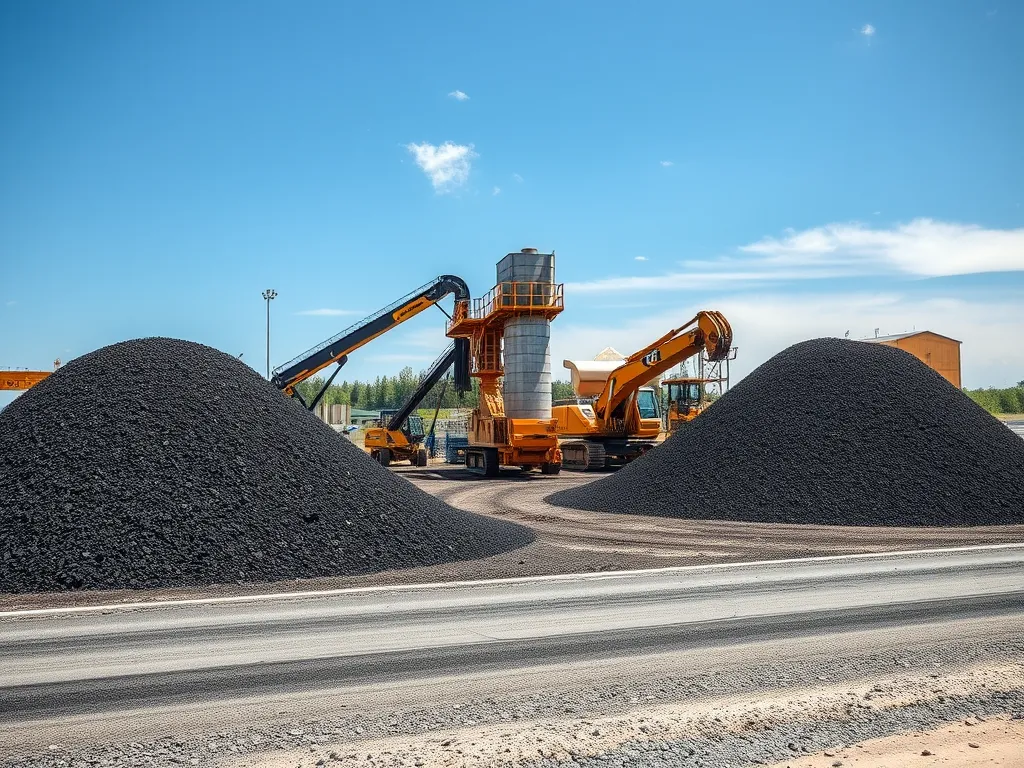
Asphalt starts with aggregates (crushed stone, sand) and bitumen. Mining digs up 90% of aggregates, while bitumen comes from oil refining. This stage uses heavy gear, alters land, and emits CO2—up to 15 lbs per ton of mix.
Asphalt Manufacturing Processes
Hot mix plants blend aggregates and bitumen at 300°F. Plants burn fuel (like natural gas) to heat materials, releasing 20-40 kg CO2 per ton. New tech like warm mix cuts temps by 50°F, slashing energy use.
Energy Consumption in Mix Design
Mix type drives energy needs. Hot mix eats 35-75 kWh per ton. Warm mix uses 20-35% less. Cold recycling skips heating, using 5 kWh per ton. Lower heat means smaller carbon tags.
Transportation Of Asphalt Materials
Hauling raw goods and final mix adds 10-30% to total emissions. Trucks burn 0.25 gallons of diesel per mile. A 50-mile trip adds 150 lbs CO2 per load. Siting plants near job sites trims impacts.
Construction and Pavement Installation
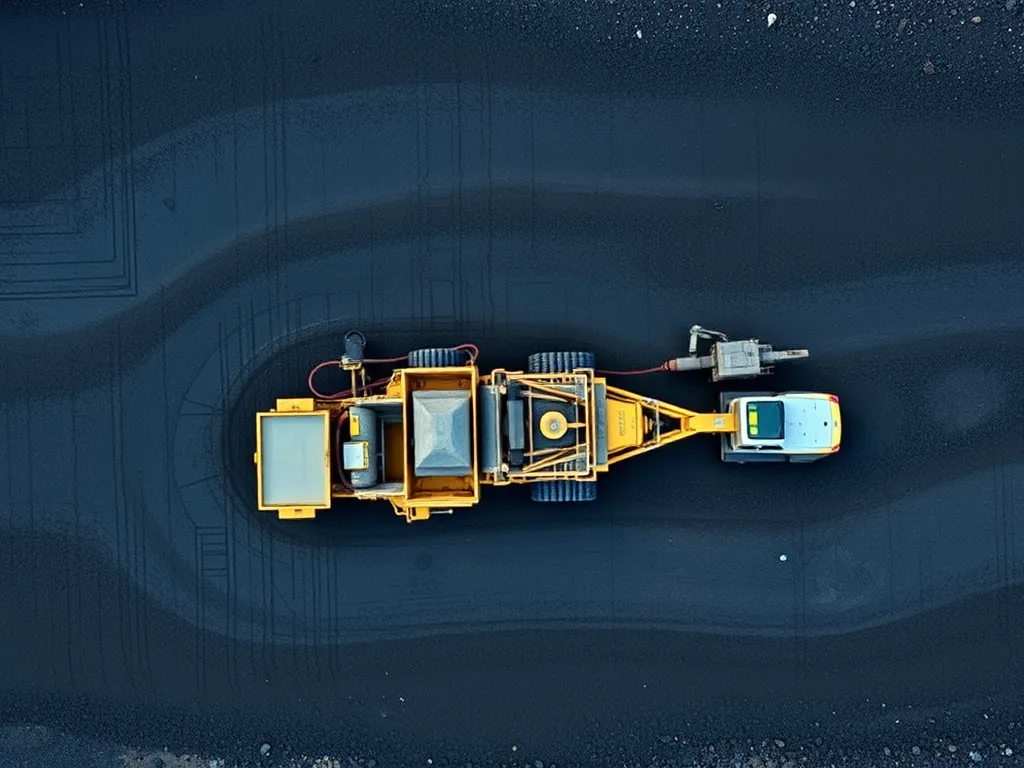
Pavers lay mix at 275°F. Rollers compact layers to 95% density. Poor compaction cuts road life by 50%. Each 1% air voids drop adds 10% strength. Proper install prevents cracks early.
Long-term Maintenance and Rehabilitation
Seal coats every 3-5 years block water damage. Overlays every 12-15 years restore smooth rides. Proactive care stretches life past 20 years. Fixing cracks fast saves 80% vs full rebuilds.
End-of-life Stage: Removal and Recycling
Old roads get milled into chunks. Over 90% of asphalt is reused or recycled. Landfills take less than 5%. Recycling slashes need for new bitumen by 20% per ton.
Reclaimed Asphalt Pavement (RAP) Reuse
RAP makes up 40% of new mixes in top projects. Processing costs $10-$15 per ton—half the price of new aggregates. States like California recycle 95% of RAP, saving $300 million yearly.
These stages set the base for crunching numbers on costs and green gains. Next, we’ll break down the key parts that shape asphalt’s full loop.
Key Components Of Asphalt Lifecycle Analysis
Breaking down asphalt’s lifecycle requires examining three core pillars: financial efficiency, structural resilience, and resource optimization. These factors shape decisions from mix design to recycling strategies.
Cost-effectiveness Across Asphalt Lifecycle
Every dollar spent on asphalt pavements ties to choices made during extraction, production, and maintenance. Lifecycle assessment asphalt models track expenses from raw materials to end-of-stage removal.
Initial vs Long-Term Pavement Costs
New asphalt installation averages $2-$5 per square foot. Long-term maintenance costs drop by 30-50% when using reclaimed asphalt pavement (RAP). Resurfacing every 12-15 years extends service life to 25+ years, cutting total ownership costs by up to 40% compared to full replacements.
Performance Metrics for Asphalt Durability
Asphalt pavement lifecycle assessment relies on PG (Performance Grade) binders and Superpave mix designs. These standards ensure pavements withstand specific stress levels before cracking or rutting.
Climate and Traffic Impact on Lifespan
PG 64-22 binder (rated for 64°C high and -22°C low temps) lasts 20 years in moderate climates. Heavy truck traffic (>10 million ESALs) demands thicker bases – up to 12 inches – to prevent premature failure. Key durability threats include:
- Thermal cracking below 14°F
- Rutting at 85°F+ with >1,500 daily trucks
- Fatigue cracking after 15% binder aging
Material Efficiency in Asphalt Mixtures
Life cycle analysis asphalt materials studies track virgin aggregate use, binder replacement rates, and energy inputs. High-RAP mixes (30-40% recycled content) lower material costs by $8-$15 per ton. Warm-mix asphalt (WMA) tech cuts production temps by 50°F, reducing fuel use 35%.
Up next: We’ll quantify asphalt’s environmental footprint – from GHG emissions during manufacturing to recycling’s role in cutting waste toxicity.
Also See: Designing Effective Asphalt Recreational Areas
Environmental Impact Assessment Of Asphalt Production
Quantifying environmental effects forms the backbone of lifecycle assessment for asphalt materials. This evaluation spans emissions, energy use, and waste streams across production phases.
Greenhouse Gas Emissions From Asphalt Manufacturing
Asphalt plants emit 9.4 million metric tons of CO₂-equivalent gases annually in the U.S., per National Asphalt Pavement Association data. Hot-mix production releases 0.005-0.025 metric tons of CO₂ per ton made. New plant designs cut emissions 20% through burner optimizations and PG binders with lower mixing temperatures.
Energy Consumption in Asphalt Lifecycle Stages
Material extraction and heating consume 70% of total energy in asphalt’s lifecycle. Producing one ton of hot-mix asphalt requires 300,000-600,000 BTU. Warm-mix technologies slash energy needs 60% by lowering mixing temps from 300°F to 230°F. The Superpave system further optimizes mix designs for reduced fuel burn.
Waste Management and Recycling Efficiency
Over 95% of asphalt removed from roads gets recycled – the highest rate for construction materials. Incorporating 40% RAP (Reclaimed Asphalt Pavement) in mixes saves 3.5 million tons of virgin aggregate yearly. Plants now achieve 100% closed-loop water systems, eliminating liquid waste discharge.
Reducing Toxicity in Asphalt Waste Streams
Advanced sorting removes 98% of contaminants from RAP before reuse. Leaching tests show modern asphalt millings release <0.1 mg/L of polycyclic aromatic hydrocarbons (PAHs) - below EPA thresholds. Additive packages now replace 15% of bitumen with non-toxic alternatives like crumb rubber or lignin.
With environmental benchmarks established, we next examine how asphalt stacks against concrete in full lifecycle comparisons.

Comparing Asphalt With Alternative Pavement Materials
Selecting pavement materials requires evaluating energy use, costs, and environmental impacts across their entire lifespan. Asphalt often outperforms alternatives like concrete when analyzed through rigorous lifecycle assessment (LCA) frameworks.
Lifecycle Energy Use: Asphalt Vs Concrete
Asphalt production consumes 20-30% less energy per ton than concrete. Key factors driving this gap:
- Production temperatures: Asphalt mixes at 275-325°F versus concrete’s 2,700°F kiln requirements
- Maintenance cycles: Asphalt repairs use 40% less energy due to faster curing times
- Recycling efficiency: Reclaimed asphalt pavement (RAP) reuse cuts energy needs by 50% compared to concrete crushing
Concrete emits 12% more CO2 per lane-mile over 30 years. Asphalt’s flexibility also reduces cracking, lowering long-term energy demands for repairs.
Cost-benefit Analysis Of Recycled Asphalt
Using RAP in asphalt mixtures delivers measurable lifecycle savings:
- Material costs: Every 10% RAP content reduces mix expenses by $1.50-$3.00 per ton
- Landfill diversion: Recycling 1 ton of asphalt saves $18 in disposal fees
- Performance: Pavements with 30% RAP show equal rut resistance to virgin mixes
Projects using 40% RAP report 22% lower emissions and 15% reduced aggregate demand. Over 20 years, recycled asphalt pavements cost $6.80 per square foot versus $9.20 for conventional concrete.
These comparisons highlight why lifecycle assessment asphalt pavement studies increasingly favor asphalt for infrastructure projects. Next, we’ll examine specific strategies to minimize environmental impacts during production and recycling phases.
FAQs: Asphalt Lifecycle Analysis
What is the Typical Lifespan Of Asphalt Pavements?
The typical lifespan of asphalt pavements ranges from 15 to 30 years, depending on various factors such as the quality of materials used, traffic loads, local climate conditions, and maintenance practices. Regular maintenance and timely rehabilitation efforts can significantly extend the lifespan of asphalt pavements beyond 25 years.
How Does Pavement Lifecycle Analysis Improve Sustainability?
Pavement lifecycle analysis improves sustainability by providing a comprehensive evaluation of the environmental and economic impacts at each stage of asphalt production and use. By identifying areas for efficiency improvements, LCA helps in reducing greenhouse gas emissions, optimizing resource use, and promoting recycling, ultimately leading to more sustainable paving practices.
Why is Recycling Critical in Asphalt Lifecycle Management?
Recycling is crucial in asphalt lifecycle management because it minimizes waste, conserves resources, and reduces the need for new materials. Incorporating reclaimed asphalt pavement (RAP) into new mixes not only lowers production costs but also significantly decreases greenhouse gas emissions associated with the extraction and processing of virgin materials. This sustainable approach is essential for achieving circularity in the construction industry.
Closing Thoughts
The lifecycle analysis of asphalt materials plays a pivotal role in promoting sustainability and efficiency in pavement construction. By thoroughly assessing each stage—from raw material extraction to end-of-life recycling—stakeholders can better understand the environmental and economic impacts associated with asphalt use. This knowledge fosters informed decision-making, enabling the advancement of greener practices in the asphalt industry.
Key takeaways include the importance of balancing cost-effectiveness, performance metrics, and environmental objectives. Emphasizing recycling and efficient resource use not only reduces waste but also enhances the overall longevity of asphalt pavements. Engaging with these best practices positions the industry toward a more sustainable future.
For more information on asphalt lifecycle analysis and related topics, visit Asphalt Calculator USA.
Useful References for You:
- Federal Highway Administration (FHWA) – Asphalt Pavement Technologies
- Life Cycle Assessment of Pavements: A Critical Review of …
- Lifecycle Analysis of Recycled Asphalt Pavements: Case Study Scenario Analyses of an Urban Highway Section
- Full article: Life cycle assessment of hot mix asphalt with recycled concrete aggregates for road pavements construction
- (PDF) Life Cycle Assessment of Asphalt Roads