How Long Do Different Asphalt Mixes Last? A Complete Guide
Published on: March 10, 2026 | Last Updated: April 14, 2025
Written By: George Voss
The life expectancy of asphalt mixes ranges from 2 to 25 years based on material composition and usage. Hot Mix Asphalt (HMA) typically lasts 10-25 years for road surfaces, while Cold Mix Asphalt may need replacement in 2-6 years. Key factors like climate conditions, traffic loads, installation quality, and mix design directly impact pavement durability and maintenance requirements.
This guide compares seven common asphalt types, including Dense-Graded HMA, Stone Matrix Asphalt, and Warm Mix alternatives. Explore how climate-specific PG binders (performance-graded asphalt) and aggregate gradation affect longevity in regions like California and Texas. Find maintenance techniques that extend pavement life and cost-saving strategies using recycled materials. Detailed lifespan charts and project planning tips help contractors and property owners make informed decisions.
Contents
- Key Factors Affecting Asphalt Mix Lifespan
- Hot Mix Asphalt (HMA) Life Expectancy
- Warm Mix Asphalt (WMA) Durability
- Cold Mix Asphalt Longevity
- Asphalt Overlay Life Duration
- Regional Variations in Asphalt Lifespan
- Maintenance Strategies for Extended Asphalt Life
- Environmental Considerations
- Asphalt Mix Lifespan FAQ
- Closing Thoughts
- Additional Resources for You:
Key Factors Affecting Asphalt Mix Lifespan
Asphalt durability depends on four critical elements. These variables determine whether a pavement lasts 8 years or 25+ years under real-world conditions.
Climate and Environmental Conditions
Temperature extremes dictate asphalt mix performance. In Arizona, UV radiation degrades binders 40% faster than in mild climates. Freeze-thaw cycles in Minnesota create transverse cracks within 3-5 winters without proper PG 58-34 modified binders. Coastal regions battle saltwater penetration that corrodes aggregates – a key reason Florida mandates 6% minimum air voids in surface mixes.
Traffic Volume and Load Frequency
An interstate highway handles 30 million Equivalent Single Axle Loads (ESALs) versus 50,000 ESALs for residential streets. Heavy truck traffic accelerates rutting – 18-wheelers cause 3,000x more wear than passenger cars. High-traffic mixes require polymer-modified binders and 1.5″ thick lifts to reach 15+ year lifespans.
Construction Quality and Installation Methods
Field density matters most. Achieving 93% compaction versus 90% extends pavement life by 4-7 years. Temperature errors during installation create weak spots – laying HMA below 275°F causes incomplete particle coating. Proper joint sealing prevents 80% of edge raveling issues in the first decade.
Mix Composition and Aggregate Properties
Superpave-designed mixes with ¾” angular granite outlast smooth gravel aggregates by 35%. Binder grade selection makes or breaks longevity: PG 76-22 performs 12 years in Texas heat versus PG 64-22 failing at 8 years. Recycled content balances economy and durability – 20% RAP maintains performance, while 40% RAP requires rejuvenators to prevent premature aging.
These variables set the stage for comparing specific mix types. Next, we break down actual lifespan ranges for HMA, WMA, and cold mix formulations.
Hot Mix Asphalt (HMA) Life Expectancy
Hot mix asphalt (HMA) remains the top pick for permanent pavements across America. Produced at 300°F–350°F, its high compaction creates tight bonds between aggregates and asphalt cement. Service periods vary by mix design and traffic stress.
Dense-graded Mixes
Dense-graded HMA uses closely packed stone sizes for smooth surfaces. The National Asphalt Pavement Association reports these mixes cover 90% of U.S. roads. Lifespans split sharply between high-traffic and low-traffic zones.
High-Traffic Applications: 12–20 Years
Interstates and truck routes demand dense-graded mixes with 3/4″ aggregates and PG 64-22 binder. Properly compacted sections handling 10,000+ daily vehicles typically last 12–20 years before resurfacing. Texas DOT specs require 7% air voids for optimal load distribution.
Low-Traffic Applications: 10–14 Years
Local roads with under 1,000 vehicles/day use finer aggregates (1/2″ max) for quieter surfaces. Reduced stone-on-stone contact lowers wear resistance, trimming service life to 10–14 years. Annual temperature swings above 70°F accelerate aging in these thinner 2″ lifts.
Stone Matrix Asphalt (SMA)
Stone matrix asphalt (SMA) boosts durability through stone-on-stone skeleton designs. Added cellulose fibers or polymers trap 6–7% binder content – 30% more than standard HMA. This premium mix costs 20–40% more but delivers unmatched endurance.
Heavy-Duty Lifespan: 15–25 Years
SMA excels on routes with constant truck traffic or extreme weather. Minnesota’s I-94 SMA pavements show minimal cracking at 18 years. The locked aggregate structure resists rutting, pushing potential lifespans to 25 years with biennial sealcoating.
Superpave Mixes
Superpave mixes tailor asphalt performance to local climates using PG (Performance Graded) binders. PG 58-28 works in freezing zones, while PG 76-22 handles desert heat. This system replaced penetration grading in 1993, improving temperature-specific durability.
Climate-Adapted Durability: 10–18 Years
Properly selected Superpave mixes outlast conventional HMA by 2–5 years. Florida’s PG 76-22 coastal highways average 16 years before oxidation cracks appear. Northern states using PG 58-34 with 25% RAP (recycled asphalt pavement) report 14-year service cycles despite freeze-thaw stress.
While HMA sets the standard for asphalt mix life span, new technologies are reshaping expectations. Next, we’ll examine how warm mix asphalt balances environmental goals with pavement longevity.
Warm Mix Asphalt (WMA) Durability
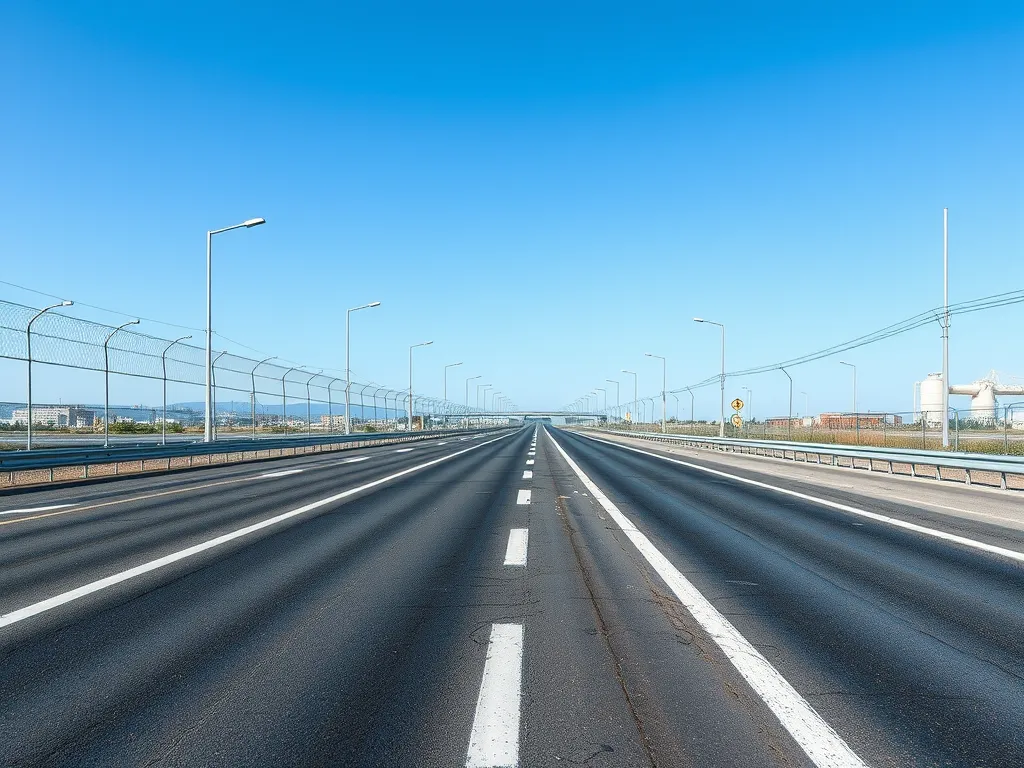
Warm mix asphalt (WMA) offers a balance between performance and reduced production temperatures. Produced at 275-325°F versus 300-350°F for hot mix asphalt, WMA extends paving seasons while maintaining structural integrity. Two primary technologies dominate this category, each with distinct durability profiles.
Foamed Asphalt Technology
Foamed asphalt uses injected water or steam to expand liquid asphalt binder, creating a workable mix at lower temperatures. This process reduces energy use by 15-20% compared to traditional methods. The expanded binder coats aggregates more efficiently, enhancing initial compaction.
Typical Lifespan: 8–16 Years
Field studies show foamed WMA lasts 8-16 years depending on traffic loads and freeze-thaw cycles. A 2021 NCAT report found 1.5% lower rut resistance than HMA in high-traffic zones but comparable cracking resistance. Properly designed mixes with PG 64-22 binders achieve upper-range longevity in moderate climates.
Chemical Additive WMA
Chemical additives like wax-based modifiers or surfactants reduce binder viscosity without high heat. These additives allow 50-100°F lower mixing temperatures while maintaining workability. The technology preserves binder quality by minimizing thermal aging during production.
Performance Range: 10–15 Years
Additive-modified WMA demonstrates 10-15 year service life in urban arterial roads. A Texas DOT trial showed 22% less thermal cracking versus foamed WMA after 12 years. Critical factors include additive dosage (0.5-3% by weight) and aggregate gradation. SMA-style mixes with polymer-modified binders push durability toward the 15-year mark.
While WMA options save $3-$5 per ton in production costs, lifespan variations depend heavily on installation precision. Next, we examine cold mix asphalt systems with fundamentally different aging characteristics.
Also See: Developments in Cold Weather Asphalt Formulations
Cold Mix Asphalt Longevity
Cold mix asphalt offers unique solutions for specific pavement needs. Unlike heated alternatives, these ambient-temperature blends use emulsified binders or cutback asphalt for workability. Their lifespan varies dramatically based on application type and material composition.
Temporary Patches and Repairs
Cold mix excels in quick fixes for potholes and utility cuts. Its low-viscosity formula allows compaction without heat, making it ideal for emergency repairs in temperatures as low as 40°F. The material contains up to 30% recycled asphalt pavement (RAP) in some formulations.
Expected Durability: 2–6 Years
Patch longevity depends on traffic exposure and weather patterns. Lightly traveled residential areas typically see 4-6 year performance, while highway repairs may degrade in 18 months under heavy truck traffic. Freeze-thaw cycles can reduce service life by 40% in northern states compared to southern regions.
Cold Recycled Asphalt
This sustainable option combines 90-100% RAP with rejuvenators like foamed asphalt or emulsion binders. Cold central plant recycling (CCPR) produces material for base layers, while cold in-place recycling (CIR) treats existing pavements on-site.
Service Life: 5–12 Years
Properly compacted cold recycled bases under new surfaces can last 10+ years. Standalone applications like parking lot bases typically endure 5-8 years. The addition of 1-2% cement stabilizers extends lifespan by 30% in high-moisture environments. Annual raveling rates average 0.15-0.3 inches without surface treatments.
While cold mixes fill specific roles, engineered overlays provide more durable surface solutions. Let’s examine how mill-and-fill techniques and thin surface treatments extend pavement life cycles.
Asphalt Overlay Life Duration
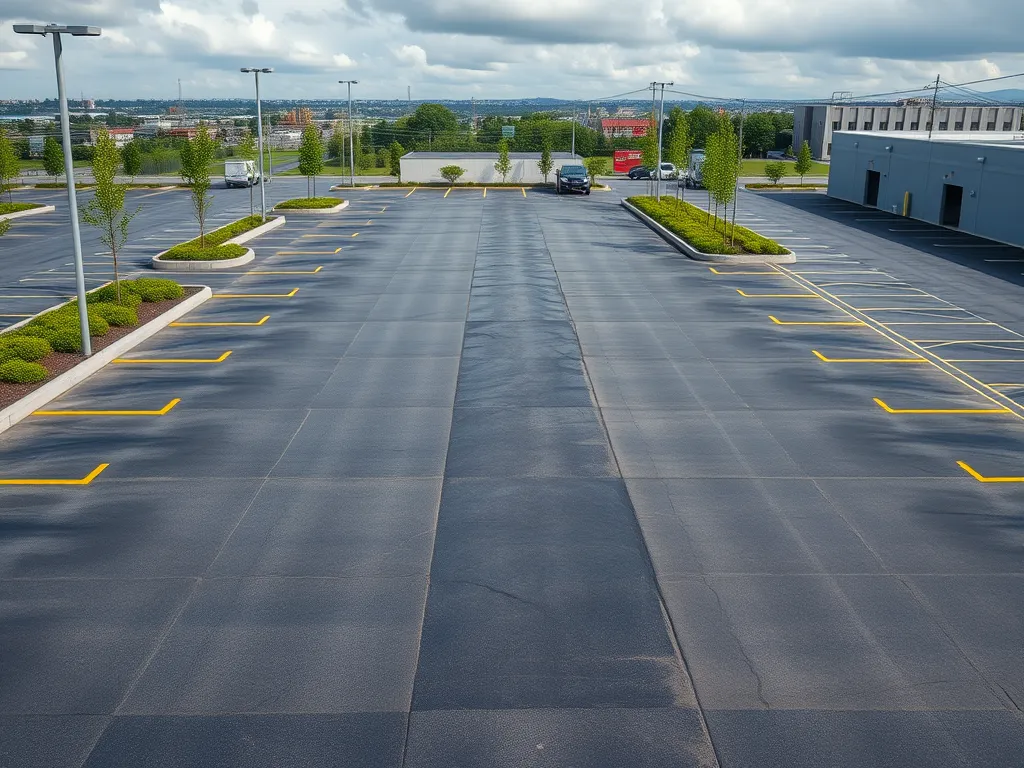
Overlays extend pavement life by adding fresh layers over existing surfaces. Performance depends on base condition, material selection, and application thickness. Two dominant methods dominate modern rehabilitation: mill-and-fill and thin surface treatments.
Mill-and-fill Technique
This method removes 1-3 inches of damaged pavement before placing new asphalt. It combines structural renewal with surface correction. High-density compactors achieve 93-97% density for lasting bonds between layers.
Lifespan: 8–15 Years
Properly installed mill-and-fill overlays with PG 64-22 binders typically last 12+ years. Heavy truck traffic (ESALs >10 million) may reduce life to 8 years. Using 20-30% RAP (Recycled Asphalt Pavement) maintains structural integrity while cutting material costs by 18%.
Thin Surface Treatments
Chip seals and micro-surfacings provide cost-effective protection for aging pavements. These 0.25-0.5 inch layers prevent water infiltration and restore skid resistance. Polymer-modified emulsions enhance adhesion in wet climates.
Durability: 5–10 Years
Aggregate quality dictates treatment longevity. Locally sourced 3/8-inch granite chips with CRS-2P emulsion withstand 800-1,200 daily vehicles. Northern states with freeze-thaw cycles require resealing every 36 months versus 60 months in temperate zones.
While overlay methods provide localized solutions, broader regional factors like thermal extremes and precipitation patterns create dramatic lifespan variations across North America.
Regional Variations in Asphalt Lifespan
Performance of pavement varies based on geographic location. Climate patterns, temperature extremes, and moisture levels directly impact how long surfacing lasts. Let’s examine two distinct regions shaping mix longevity.
California Climate Impacts
Golden State roads face unique stressors. Mediterranean climates combine intense sun exposure with coastal moisture. Engineers often specify polymer-modified binders or rubberized mixes to counter these forces.
UV Exposure and Thermal Cycling Effects
Daily temperature swings of 40°F+ degrade binders faster. UV rays oxidize bitumen, making surfacing brittle. Thermal cycling creates microcracks allowing water intrusion. PG 64-10 mixes with 20% recycled content typically lose 3-5 years of service life compared to cooler regions.
Texas Weather Challenges
Lone Star State highways battle triple-digit heat and sudden downpours. Superpave mixes dominate here, designed for high-temperature stability. TxDOT specifications require PG 76-22 binders for interstates to resist rutting.
Heat and Moisture Influence on Pavement Aging
Surface temps exceeding 160°F soften asphalt, while stormwater weakens subgrades. This combo accelerates stripping – binder separating from aggregates. Houston districts report 30% faster cracking in permeable friction courses versus dense-graded surfaces. Many counties now use chip seals every 7 years to extend surfacing life.
While regional factors shape pavement performance, proactive care bridges the gap between design life and real-world results. Up next: proven methods to stretch surfacing durability through maintenance.
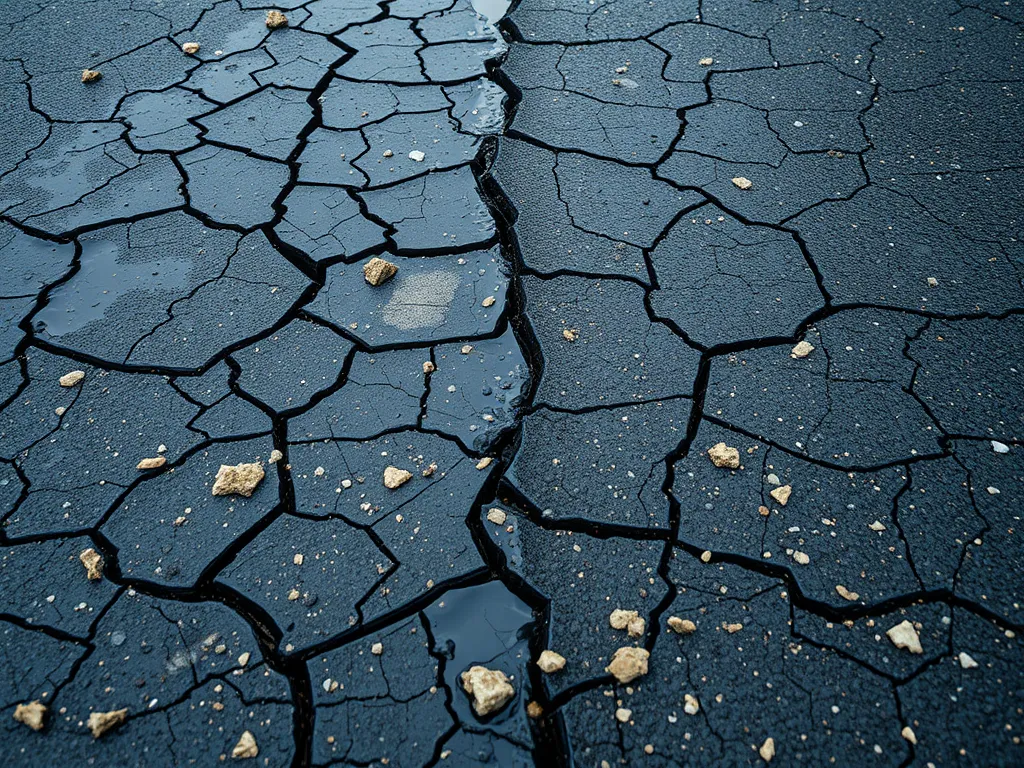
Maintenance Strategies for Extended Asphalt Life
Proactive care doubles pavement performance across all asphalt mix types. Targeted treatments combat wear patterns specific to each surface type, from dense-graded HMA to cold recycled mixes.
Crack Sealing Best Practices
Seal cracks under 0.5 inches within 48 hours of detection using rubberized asphalt or polymer-modified sealants. Apply materials between 50-85°F for optimal adhesion. Key steps:
- Clean debris with compressed air (100-150 psi)
- Install backer rods in cracks deeper than 1 inch
- Overfill seams by 0.25 inches to account for settling
Proper crack sealing adds 3-5 years to asphalt mix longevity by blocking moisture infiltration into base layers.
Optimal Sealcoating Intervals
Apply coal tar or asphalt emulsion sealants every 2-4 years for commercial lots, 3-5 years for residential drives. Coverage rates matter:
- 55-75 sq ft per gallon for first coats
- 85-100 sq ft per gallon for second coats
Sealcoating cuts UV oxidation by 85%, extending asphalt life expectancy 5-7 years. Test surface hardness with a durometer before application – aim for 60-70 HD readings.
Drainage System Maintenance
Clear catch basins and French drains quarterly. Maintain 2% minimum slope gradients to prevent water pooling. Critical metrics:
- Remove silt layers exceeding 1.5 inches in drainage channels
- Ensure 6-inch water runoff clearance from pavement edges
Effective drainage prevents 90% of base erosion failures, crucial for stone matrix asphalt’s 25-year potential lifespan.
Using Asphalt Calculators for Project Planning
Input mix type, thickness, and weather data into digital tools to predict maintenance needs. Example calculation:
- 10,000 sq ft lot with 3-inch HMA overlay requires 750 tons material
- Add 12% compaction factor for dense-graded mixes
Accurate planning reduces waste by 18% and aligns treatments with each mix’s performance window. Track layer depths with ground-penetrating radar every 36 months.
These preservation methods set the stage for evaluating environmental impacts of asphalt production and recycling.
Environmental Considerations
Modern asphalt mixes balance durability with ecological impact. Production methods and material choices now actively shape both pavement performance and environmental footprints.
Recycled Material Usage in Mixes
Reclaimed Asphalt Pavement (RAP) forms 15-40% of many mixes today. Processed RAP retains 95% of its original bitumen binder when milled at 1-3 inches depth. Blending 30% RAP with virgin aggregates maintains structural capacity while cutting material costs by $2-$5 per ton. Field studies show RAP-enhanced HMA lasts 12-18 years – matching virgin mixes when compaction meets 92% density standards.
Recycled Asphalt Shingles (RAS) offer another sustainable option. Roofing waste containing 20-25% asphalt cement extends pavement life by 8-12 years in base layers. Proper RAS processing remains critical: oversized shingle particles above 0.25 inches can reduce crack resistance by 15%.
Energy Efficiency Of Production Methods
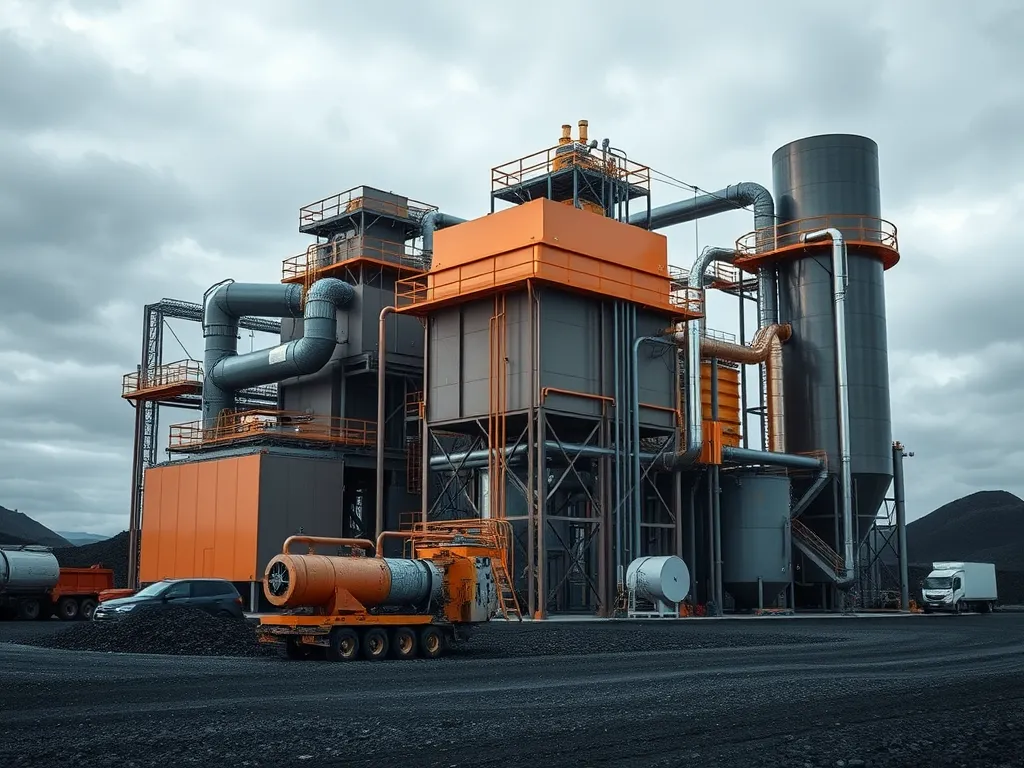
Warm Mix Asphalt (WMA) technologies slash production temps from 300°F to 225°F. Lower heat preserves binder viscosity, adding 2-4 years to pavement life compared to traditional HMA. Foaming nozzles inject water into liquid asphalt, expanding binder volume by 10x for improved aggregate coating. Chemical additives like surfactants enable workability at 50°F lower temps, cutting fuel use by 35% per ton.
Plant modifications boost energy efficiency further. Counterflow drum plants recycle 90% of exhaust heat, reducing emissions by 20%. Batch plants with baghouse filters capture 99.9% of particulate matter, maintaining mix quality across 80-100 ton/hour production rates.
These sustainable practices not only extend asphalt mix lifespans but also prepare pavements for evolving climate demands. Next, we’ll address frequent queries about maximizing asphalt durability across mix types.
Asphalt Mix Lifespan FAQ
How Does Hot Mix Asphalt Compare to Concrete Longevity?
Hot mix asphalt typically offers a service life ranging from 10 to 25 years, depending on the specific mix and application, which is generally comparable to concrete. However, concrete can last 30 years or more with proper maintenance, making it a more durable option in some applications. The choice between asphalt and concrete often depends on factors like cost, climate, and load-bearing requirements.
Can Recycled Asphalt Match Virgin Material Lifespans?
Recycled asphalt can indeed match the lifespan of virgin materials under optimal conditions. When properly processed and mixed with virgin aggregates, recycled asphalt can perform similarly, typically lasting between 12 to 18 years. Ensuring sufficient compaction and adhering to mixing standards is crucial for achieving comparable durability.
Why Do Cold Mixes Have Shorter Life Expectations?
Cold mixes generally have shorter life spans due to their composition and application methods. These mixtures are designed for cold-weather applications and temporary repairs, which means they lack some of the long-term durability characteristics of hot mixes. Their expected life is typically around 2 to 6 years, influenced primarily by traffic load and environmental conditions.
How Does Climate Affect Regional Lifespan Variations?
Climate plays a significant role in asphalt lifespan. Regions with extreme temperatures or severe weather conditions, such as heavy rainfall or freeze-thaw cycles, can experience faster degradation of asphalt. For instance, UV exposure in sunny states can oxidize binders faster, while cold areas may see increased cracking. Optimizing mix design according to local climate conditions is critical for enhancing durability.
What Maintenance Practices Can Help Extend the Life Of Asphalt Mixes?
Regular maintenance practices, such as crack sealing, sealcoating, and ensuring effective drainage, can significantly extend the lifespan of asphalt pavements. Implementing these practices at appropriate intervals can help prevent moisture intrusion and UV damage, ultimately enhancing durability and performance.
Are There Specific Guidelines for Selecting the Right Asphalt Mix?
When selecting an asphalt mix, consider factors like anticipated traffic loads, climate conditions, and environmental impacts. It’s essential to choose a mix that aligns with the specific demands of the project for optimal performance, longevity, and cost-effectiveness. Consulting with pavement engineers can provide tailored recommendations based on unique project needs.
Closing Thoughts
Understanding the life expectancy of different asphalt mixes is vital for making informed decisions in construction and maintenance. Various factors, including climate, traffic volume, and mix composition, play a significant role in the durability of asphalt. For instance, dense-graded mixes in high-traffic areas can last 12 to 20 years, while cold mixes may only endure 2 to 6 years.
Choosing the right asphalt mix, whether it’s Hot Mix Asphalt (HMA), Warm Mix Asphalt (WMA), or cold mixes, significantly impacts the lifespan of your pavement. Implementing proper maintenance strategies—such as crack sealing and timely sealcoating—can further enhance longevity.
For more information on asphalt mixes, lifespans, and tips for your projects, check out Asphalt Calculator USA.
Additional Resources for You:
- The Asphalt Institute. (2007). MS-4: The Asphalt Handbook. Lexington, KY: Asphalt Institute.
- Life Cycle of an Asphalt Road in Orlando, FL | DCPLM
- What Is the Asphalt Paving Life Expectancy? – The Surface Masters
- Evaluating the Lifespan of Asphalt Surfaces | Lone Star Paving
- 5 Different Types of Asphalt Mixes | Bituminous Roadways Blog