The Life Cycle Of Asphalt Driveway Materials: Longevity, Stages & Maintenance
Published on: March 10, 2026 | Last Updated: April 14, 2025
Written By: George Voss
The life cycle of asphalt driveway materials tracks their journey from raw material production to recycling, typically lasting 15-30 years with proper care. Unlike concrete or gravel, asphalt balances durability (withstands 300-700 PSI loads) and cost-efficiency ($3-$7 per square foot installed). Key factors like climate extremes, base preparation quality, and timely sealcoating every 3-5 years directly impact its lifespan. Environmentally, asphalt leads with 95% recyclability rates, reducing landfill waste and new material costs by up to 30%.
This article breaks down asphalt’s five life stages: production, installation, daily use, maintenance, and recycling. You’ll see comparisons against concrete’s 30-50 year lifespan and gravel’s lower upfront costs. We’ll explore cost data across 10, 20, and 30-year periods, plus eco-benefits like urban heat reduction through cool-mix asphalt. FAQs address load capacity (8,000+ lb vehicles) and drainage best practices to prevent cracks.
Contents
Understanding the Asphalt Driveway Life Cycle
Asphalt driveways follow a distinct progression from installation to recycling. This cyclical path impacts both daily usability and long-term property worth.
What is the Lifespan Of an Asphalt Driveway?
Asphalt’s functional duration depends on material quality, workmanship, and ongoing care. Unlike gravel or pavers, its bound structure allows continuous use with gradual degradation.
How Many Years Does an Asphalt Driveway Last?
Typical asphalt driveways function 15-30 years. Data from the National Asphalt Pavement Association shows 85% last 20+ years with annual upkeep. Climate plays a role: northern states average 12-18 years, while southern regions hit 25+ due to mild winters.
Factors Influencing Asphalt Longevity: Climate, Usage & Installation
- Climate: Annual temp swings above 50°F cut lifespan by 3-5 years. UV rays oxidize binders, causing brittleness
- Usage: Daily car traffic causes minimal harm, but RVs or dump trucks add 400-800 PSI stress (vs 32 PSI for cars)
- Installation: Proper base prep with 6-8″ compacted gravel adds 7+ years. Poor compaction below 95% density risks cracks within 24 months
Installation costs ($3-$5/sq ft) directly impact longevity. A 2022 Purdue University study found driveways built with PG 64-22 binders (common in Midwest) outlast those with PG 58-28 by 4 years in freeze-thaw zones.
Looking beyond basic durability, asphalt’s full story unfolds through five distinct phases – starting with raw material sourcing.
Stages Of the Asphalt Driveway Life Cycle
Each phase shapes how long your drive lasts. Let’s break down each step.
1. Material Production &Amp; Preparation
Asphalt starts as a mix of rock, sand, and glue-like bitumen. These parts form 90-95% of the blend.
Composition of Asphalt Mix: Aggregates, Binder & Recycling Potential
Aggregates (crushed stone) give strength. Bitumen (a black, sticky oil) binds them. Up to 30% recycled asphalt (RAP) can be added. Superpave tech fine-tunes mixes for local weather. PG binders rate heat resistance (like PG 64-22 for cold zones).
2. Installation Process
How it’s built affects life span. Skip steps, pay later.
Proper Base Preparation for Maximum Asphalt Lifespan
Lay 6-8″ gravel base. Compact in layers. Poor bases cause cracks in 2-3 years. Add edge support to stop crumbling.
Curing Time: How Long Until Asphalt Driveway is Usable?
Wait 48-72 hours for cars. Full cure takes 6-12 months. Avoid sharp turns first 30 days.
3. Active Use Phase
Daily stress adds up. Plan for wear.
Daily Wear: Impact of Heavy Vehicles on Asphalt Driveways
Pickups cause 2x more stress than cars. RVs bend the surface, creating dips. Park in diff spots to spread weight.
Drainage Considerations for Asphalt Surfaces
Slope drive 2% (1/4″ per foot). Pooled water softens asphalt. Fix dips fast to stop “alligator” cracks.
4. Maintenance &Amp; Repairs
Smart care adds 5-10 years.
Asphalt Sealing: Frequency & Cost Analysis
Seal every 3-5 years. Costs $0.15-$0.25 per sq.ft. Skip it? Cracks grow 3x faster.
Patching vs. Resurfacing: Cost-Effective Maintenance Strategies
Patch small holes ($3/sq.ft). Resurface if 25%+ is damaged ($2/sq.ft). Full replace costs 3x more.
5. End-of-life Options
Old asphalt isn’t trash. 95% gets reused.
Asphalt Recycling: Reclaiming Materials for New Projects
Crush old drive into RAP. Mix with new bitumen. Cuts costs 20-30%. Cold in-place recycling skips hauling.
How does asphalt stack up against concrete or gravel? Let’s compare key traits.
Comparing Driveway Material Life Cycles
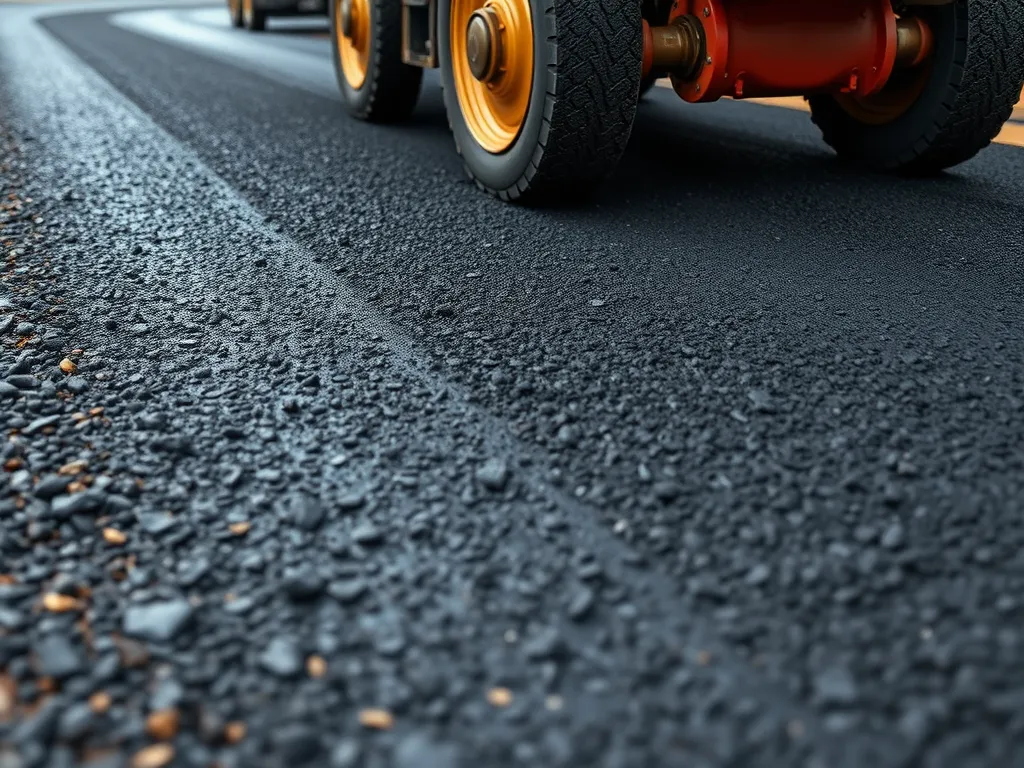
Evaluating surfacing options requires looking beyond upfront costs. Each material brings distinct trade-offs in performance, upkeep, and environmental impact over its service life. Let’s break down how common choices stack up.
Asphalt Vs. Concrete: Lifespan &Amp; Maintenance Comparison
Bitumen-based mixes typically serve 15-20 years with proper care. Portland cement surfaces last longer – 30-40 years – but require different upkeep. While concrete needs no yearly sealing, cracks cost 50% more to fix versus asphalt repairs. Both degrade under freeze-thaw cycles, but asphalt’s flexibility better resists surface fractures from ground shifts.
Asphalt Vs. Gravel: Cost &Amp; Durability Analysis
Gravel runs $1.50 per square foot installed versus $3-$5 for asphalt. But loose stone demands 3x more upkeep: regrading every 2 years, weed control, and replenishing stones lost to erosion. Heavy rain or snowplows displace 15-20% of gravel yearly. Asphalt maintains structural integrity for 80% of its life cycle with biyearly sealcoating.
Asphalt Vs. Resin: Drainage &Amp; Aesthetic Considerations
Permeable resin systems let 500+ gallons/hour pass through, reducing runoff by 60% over solid pavements. Yet resin-bonded surfaces degrade faster under UV exposure – most need replacing by year 12. Decorative options offer 200+ color blends but fade 30% faster than asphalt’s dark finish. Resin’s $8-$12 per square foot price suits short-term design goals over multi-decade performance.
With these variables in mind, let’s examine how initial investments translate into long-term costs across each phase of surfacing projects.
Also See: Impact Of Asphalt on Groundwater Quality: Key Impacts
Cost Analysis Through the Life Cycle
Examining expenses over the full life cycle of driveway materials reveals hidden costs. Proper budgeting requires tracking both upfront investments and recurring upkeep needs.
Initial Installation Costs for Asphalt Driveways
New installations run $3-$5 per square foot for hot mix asphalt (HMA). Costs rise with thicker bases (6+ inches of compacted crushed stone) or polymer-modified binders. Concrete alternatives typically cost 30-50% more upfront, while gravel starts lower ($1.50-$3/sq ft) but needs frequent regrading.
Long-term Maintenance Expenses
Unsealed asphalt degrades 3x faster, requiring strategic upkeep. Sealcoating extends surface life by 5-7 years per application. Minor repairs prevent costly structural failures.
Budgeting for Sealcoating & Crack Repairs
Plan $0.15-$0.25/sq ft every 3 years for sealcoating. Crack filling costs $1-$3 per linear foot. Left untreated, 1/4″ cracks expand 300% faster under freeze-thaw cycles, tripling repair bills within 2 seasons.
Life Cycle Cost Comparison With Other Materials
Over 30 years, asphalt totals $8.50-$12/sq ft including installation and maintenance. Concrete reaches $15-$22/sq ft due to slab replacement needs. Gravel hits $9-$14/sq ft despite lower initial costs—constant regrading adds up. Permeable resin systems show the highest totals ($18-$25/sq ft) despite superior drainage.
Next, we examine how recycling innovations reshape environmental impacts during each phase of the driveway materials lifecycle.
Environmental Impact Of Asphalt Driveways
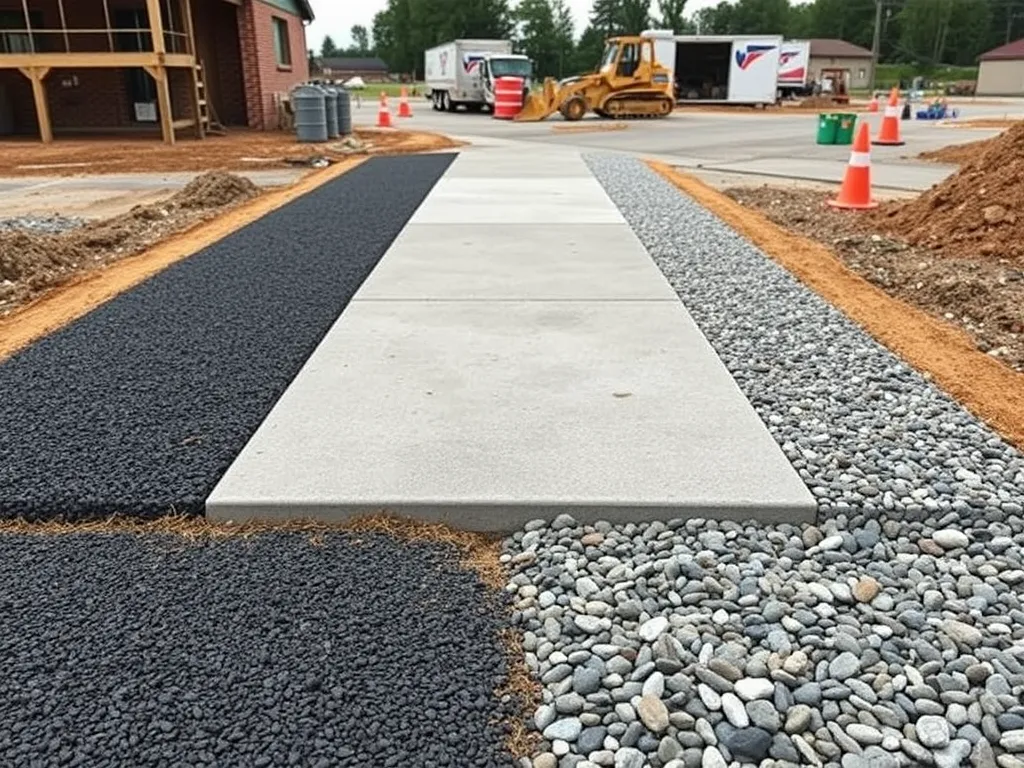
Asphalt’s position in today’s building world links straight to its lasting footprint. This paving option shows up strong in two main parts: material reuse and city climate control.
Recyclability &Amp; Sustainable Practices
Asphalt leads all paving options with a 95% recycling rate. Old driveways get ground into RAP (Reclaimed Asphalt Pavement) for new projects. This cuts virgin rock mining by 60% and lowers CO2 output by 20% during production.
- RAP mixes now hold up to 30% recycled material without losing quality
- Warm-mix asphalt tech slashes mixing temps from 300°F to 230°F, saving 35% fuel
- Full-depth recycling turns old driveways into base layers on-site
Costs drop 20-30% when using recycled stock. Many states push for RAP in public jobs – California requires 40% recycled content for tax-funded work. LEED projects gain points through these methods, pushing asphalt’s circular path forward.
Urban Heat Island Effect Mitigation
Standard blacktop soaks up 95% of sunlight, boosting local temps by 2-5°F. New options now fight this:
- Cool pavements with titanium dioxide coatings (SRI 35 vs standard 5)
- Porous asphalt that lets water flow through, cooling via evaporation
- High-albedo mixes using light rock or glass beads
Phoenix trials show these surfaces stay 10°F cooler than old blacktop at noon. Costs run 15% higher but last 3-5 years longer. Some cities give tax breaks for installations that hit SRI 29 targets.
Looking at lasting impacts shows why asphalt stays in play. Up next: how its money math stacks up against rock, concrete, and resin options through full use phases.
Frequently Asked Questions (FAQ)
What’s the Best Maintenance Routine for Longevity?
The best maintenance routine for an asphalt driveway includes regular inspections for cracks and surface wear, sealcoating every 3-5 years, and addressing minor repairs promptly. Routine maintenance helps extend the life of your driveway and prevents costly repairs in the future.
Can Asphalt Handle Heavy Vehicle Traffic?
Yes, asphalt can handle heavy vehicle traffic, withstanding loads from vehicles weighing over 8,000 lbs. However, frequent exposure to heavy loads can accelerate wear and tear, making regular maintenance even more critical to prolong its lifespan.
How Does Proper Drainage Affect Asphalt Lifespan?
Proper drainage is essential for the longevity of an asphalt driveway. If water pools on the surface or seeps into cracks, it can weaken the structure and lead to accelerated deterioration. Ensuring a slope of at least 2% can help maintain proper drainage and prevent damage.
What Are Some Signs That My Asphalt Driveway Needs Repairs?
Signs that your asphalt driveway needs repairs include visible cracks, potholes, fading color, and areas of pooling water. Addressing these issues promptly can help prevent further damage and extend the life of your driveway.
How Can I Improve the Recycling Process Of My Old Asphalt Driveway?
To improve the recycling process of your old asphalt driveway, consider contacting local paving companies that utilize RAP (Reclaimed Asphalt Pavement) in their projects. Many companies specialize in recycling asphalt and can provide services to reclaim the materials for new constructions.
Are There Eco-friendly Options for Asphalt Driveways?
Yes, eco-friendly options for asphalt driveways include warm-mix asphalt, which reduces energy consumption during production, and permeable asphalt that allows water drainage, helping to mitigate stormwater runoff. These options are more sustainable and can have a lower environmental impact.
Closing Thoughts
The life cycle of asphalt driveway materials encompasses several critical stages, from production to recycling. Understanding these stages helps homeowners and contractors make informed decisions about installation and maintenance. The durability and cost-effectiveness of asphalt make it a popular choice for driveways. Regular maintenance, including sealing and timely repairs, can significantly extend the life of your driveway.
As you consider your options, remember to weigh the benefits of asphalt against other materials like concrete and gravel. Each option has its unique advantages, but asphalt’s recyclability and sustainable practices stand out, making it an eco-friendly choice.
For more information on maximizing the value of your asphalt driveway and to explore useful tools, visit Asphalt Calculator USA. Here, you’ll find resources that empower you to keep your driveway in top condition.
Additional Resources for You:
- Roberts, F. L., Kandhal, P. S., Brown, E. R., Lee, D. Y., & Kennedy, T. W. (1996). Hot Mix Asphalt Materials, Mixture Design, and Construction (2nd ed.). National Asphalt Pavement Association (NAPA).
- Concrete vs. Asphalt: How Long Does Each Last
- Learn About 6 Common Types of Driveway Materials
- The Lifespan of a New Minnesota Asphalt Driveway
- Asphalt Life Cycle — John Parichuk Paving