Life Cycle Assessment Of Asphalt Heating Methods: Measuring Environmental Impact
Published on: March 8, 2026 | Last Updated: April 14, 2025
Written By: George Voss
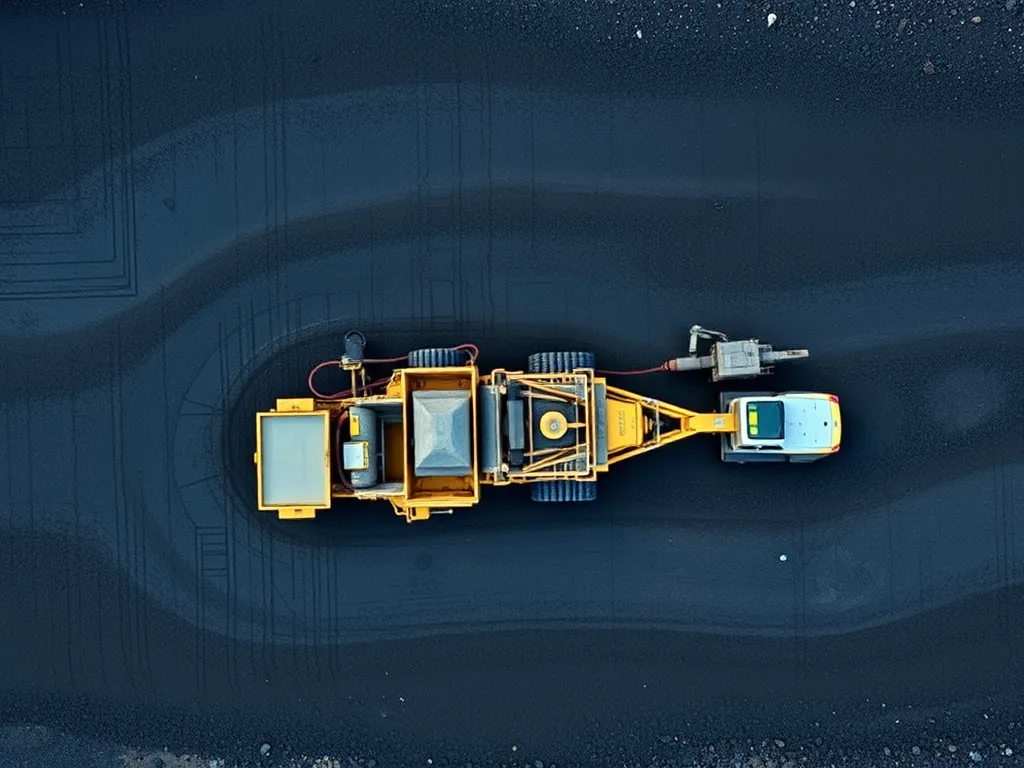
A life cycle assessment (LCA) of asphalt heating methods evaluates the environmental footprint of heating techniques used in asphalt production. It compares energy use, emissions, and resource consumption across methods like hot oil systems, infrared heating, and induction technology. This analysis identifies which processes reduce greenhouse gases, cut energy waste, and support sustainable construction. Key factors include fuel types, equipment efficiency, and temperature control during mixing and paving.
This article breaks down how different asphalt heating options perform from raw material extraction to disposal. You’ll see data on energy demands for conventional methods (direct flame, hot oil) versus modern approaches (infrared, induction). We analyze CO2 outputs, volatile organic compound (VOC) levels, and cost trade-offs. Practical insights help contractors choose methods that meet both project needs and environmental goals.
Contents
Introduction to Asphalt Heating Methods
Asphalt production hangs on how materials stay at right warmth levels. Heating turns rigid bitumen into a workable binder that bonds aggregates. This step shapes pavement quality, longevity, and installation success.
Role Of Heating in Asphalt Production
Heating activates bitumen’s adhesive traits. Aggregates need 300-350°F (149-177°C) to mix fully with hot liquid asphalt. Poor temp control causes voids in pavements or rutting under load. Modern plants use PG binders (Performance Graded) matched to local climate demands. Superpave mix designs specify exact heating windows for optimal compaction.
Importance Of Life Cycle Assessment (LCA) for Asphalt Heating
LCA tracks inputs and outputs from raw material sourcing to disposal. For asphalt heating methods analysis, it quantifies fuel use, outputs like CO2, and long-term pavement behavior. A 2023 study found switching to infrared heating cuts 18% of a project’s carbon load. LCAs also spot cost gaps: induction systems cost 30% more upfront but save $4.50/ton in fuel over 15 years.
Looking at common heating systems next shows why LCA outcomes vary by technology choice.
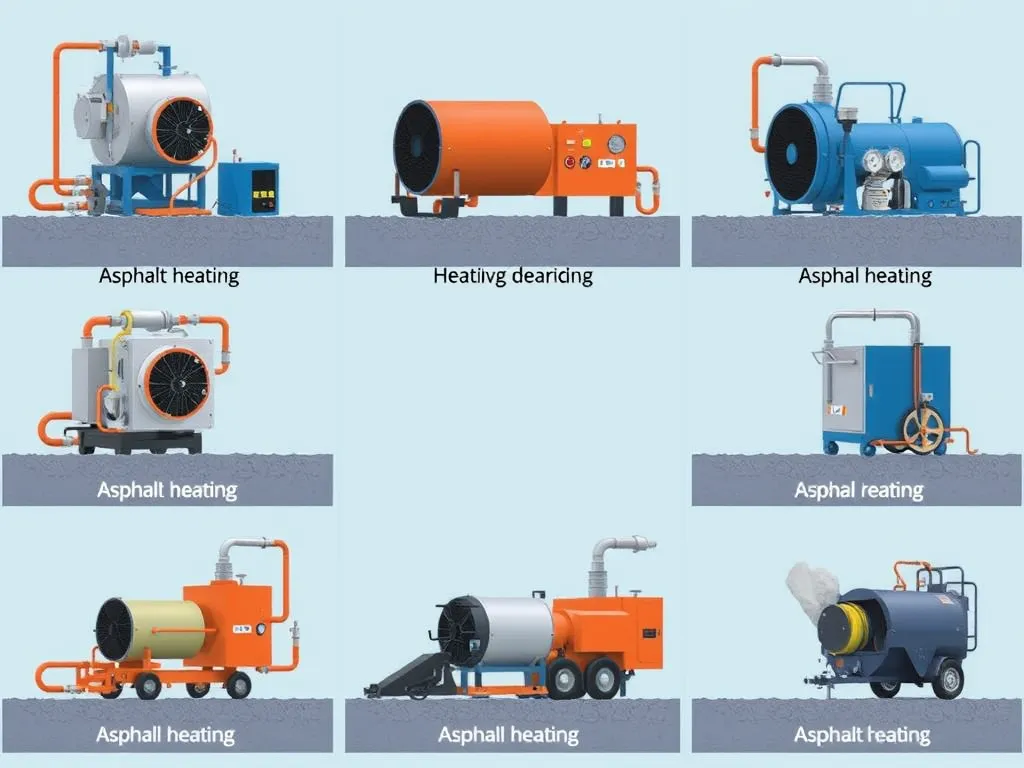
Common Asphalt Heating Methods
Asphalt heating techniques directly influence energy use, emissions, and long-term pavement performance. Evaluating these methods through life cycle assessment (LCA) reveals critical differences in environmental and operational impacts.
Conventional Heating Techniques
Traditional methods rely on fossil fuel combustion or heat transfer fluids. These systems dominate older asphalt plants but face scrutiny for higher emissions and energy demands.
Hot Oil Heating Systems
Hot oil systems circulate thermal fluid at 300-400°F through storage tanks. They achieve 75-85% thermal efficiency but require continuous fuel input. LCAs show 12-18% higher CO2 emissions per ton compared to infrared heating due to prolonged heating cycles.
Direct Flame Heating
Burners apply flames directly to asphalt, reaching temperatures exceeding 500°F. While fast, this method releases 8-10 kg of particulate matter per ton of heated mix. Life cycle inventories flag it for high NOx and sulfur oxide emissions.
Indirect Flame Heating
Heat exchangers transfer energy from combustion gases to asphalt, reducing direct contact. Emissions drop by 20-30% versus direct flame methods, but efficiency falls to 60-70%. LCAs note increased fuel use to compensate for heat loss.
Modern Heating Approaches
Newer technologies prioritize precision heating and renewable energy integration. These methods often show better performance in life cycle environmental assessments.
Infrared Heating Technology
Infrared emitters target specific asphalt areas, cutting preheat times by 50%. Studies report 35-45% lower energy consumption than conventional systems. LCAs highlight a 22% reduction in global warming potential per square meter of treated pavement.
Induction Heating Systems
Electromagnetic coils generate heat within asphalt’s steel fibers. This method uses 15-25 kWh per m3, with near-zero onsite emissions. Life cycle analyses favor it for recyclability, as it causes minimal binder degradation.
Hot Air Circulation Methods
Forced-air systems maintain consistent temperatures (±5°F) during storage. While consuming 8-12% more energy than infrared, they reduce thermal segregation. LCAs show 18% lower VOC emissions compared to flame-based heating.
Each method presents distinct trade-offs between energy inputs, emissions, and pavement quality. Next, we’ll examine how life cycle assessment frameworks quantify these factors systematically.
Life Cycle Assessment Methodology for Asphalt Heating
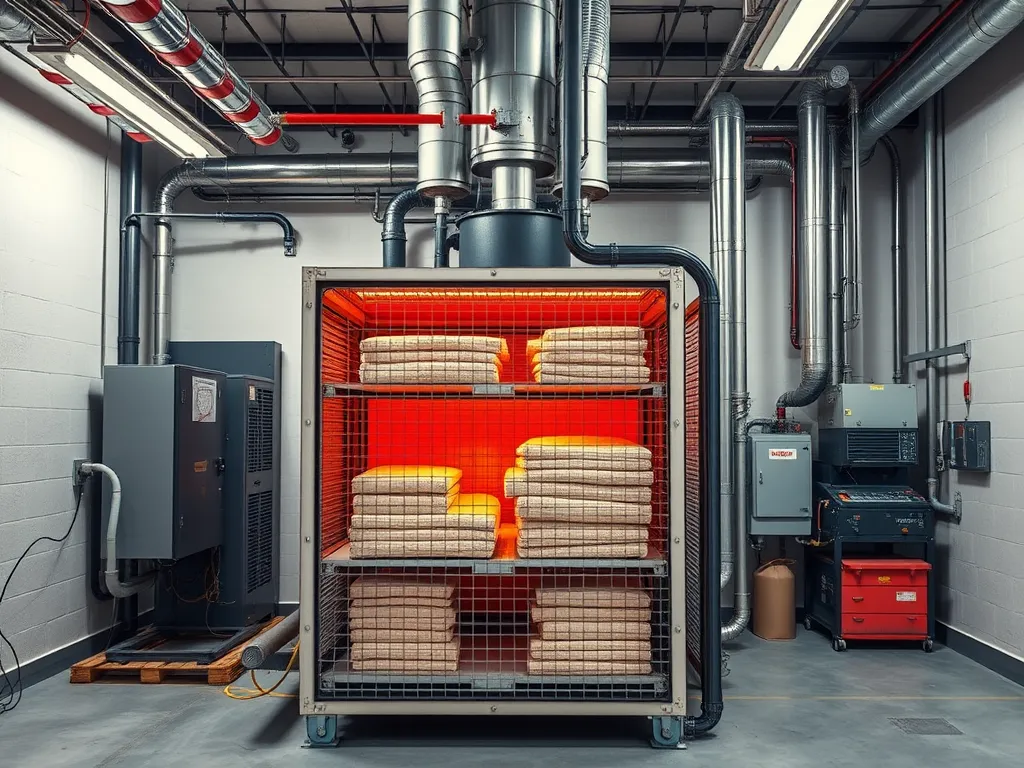
Life cycle evaluation (LCE) provides structured methods to measure ecological effects linked with heating techniques used in pavement production. This process examines energy inputs, emissions, resource use from material extraction through construction phases.
Framework for LCA Of Asphalt Heating
The International Organization for Standardization’s ISO 14040 series guides LCE frameworks for industrial processes. For heating systems, this involves four linked phases: defining study parameters, compiling data, modeling impacts, deriving insights.
Goal and Scope Definition
Project teams first set clear objectives – comparing infrared versus flame heating, for example. System boundaries determine which stages get tracked: fuel production, equipment operation, maintenance. The functional unit (e.g., heating 1 ton of mix to 320°F) serves as the basis for comparisons.
Life Cycle Inventory (LCI) Analysis
Engineers collect quantifiable data points during this phase. Fuel consumption rates (natural gas at 45-60 cubic feet per ton), electricity use for modern systems (up to 15 kWh/ton), emission factors for CO2 (120 kg/ton for conventional heaters) get logged into specialized software like SimaPro or openLCA.
Impact Assessment Phase
Inventory data gets translated into environmental metrics using models like TRACI or ReCiPe. This step quantifies global warming potential (up to 150 kg CO2-eq/ton), particulate emissions (0.8-1.2 kg PM2.5/ton), fossil fuel depletion linked to different heating methods.
Interpretation of Results
Findings get scrutinized through sensitivity checks – does changing fuel sources cut emissions by 18%? Statistical tools identify key drivers: burner efficiency impacts 63% of conventional systems’ carbon footprints. Results get cross-checked against industry benchmarks like Greenroads certification criteria.
These findings set the stage for comparing energy metrics between heating technologies – the focus of our next exploration.
Also See: Cold Mix Asphalt Disadvantages: 5 Major Drawbacks
Energy Consumption Analysis
Energy use drives both costs and environmental impacts in asphalt heating. Life cycle assessment (LCA) quantifies this through fuel inputs, thermal efficiency, and operational demands across methods.
Energy Requirements by Heating Method
Heating asphalt requires balancing heat intensity with material stability. Systems vary in energy demand based on heating rate and heat retention capabilities.
Fuel Types and Efficiency Metrics
Common fuels include natural gas (45-55% market share), propane, diesel, and electricity. Efficiency is measured by:
- BTU per ton of heated asphalt
- kWh consumption for electric systems
- Thermal transfer rates (70-85% for infrared vs. 50-65% for direct flame)
Natural gas achieves 75-85% efficiency in modern burners, while propane drops to 65-75% due to lower energy density. Infrared heaters using electricity reduce local emissions but increase grid reliance.
Temperature Maintenance Demands
Keeping asphalt at 300-350°F during storage consumes 15-30% of total energy. Conventional systems lose 2-3°F hourly, requiring 4-6 MMBtu/day for reheating. Insulated tanks with hot air circulation cut losses to 0.5-1°F per hour.
Comparative Energy Performance
Modern systems outperform older designs in energy retention and fuel flexibility. A 2023 study showed induction heating uses 22% less energy per ton than hot oil systems.
Conventional vs. Modern Heating Systems
- Hot oil heaters: 25-30 kWh per ton, 12-15% heat loss during transfer
- Infrared heaters: 18-22 kWh per ton, 5-8% heat loss
- Induction systems: 2-3 MMBtu daily vs. 4-6 MMBtu for gas burners
Infrared reduces heating time by 40% compared to direct flame, slashing energy waste during ramp-up phases.
While energy metrics set the baseline, emissions data reveals the full ecological story. Next, we’ll break down CO2 outputs and VOC releases across heating technologies.
Environmental Impact Evaluation
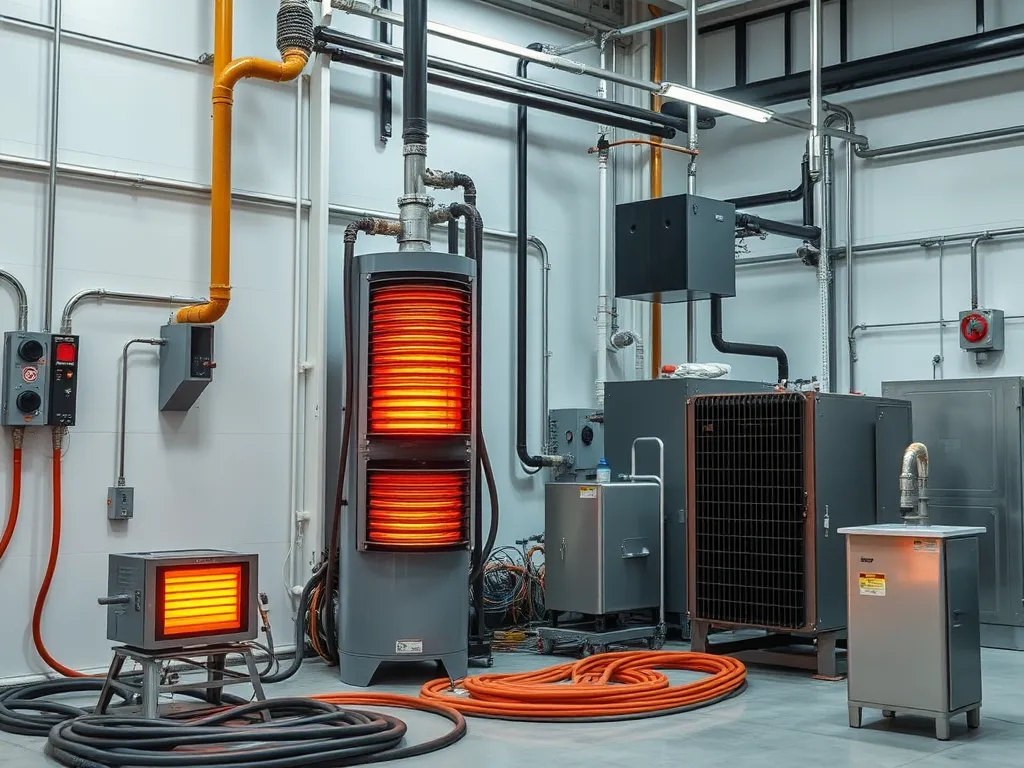
Evaluating environmental impacts separates sustainable asphalt heating methods from legacy systems. Life cycle assessment (LCA) quantifies emissions, resource use, and waste across production, installation, and maintenance phases.
Emissions Profile Of Heating Methods
Heating asphalt releases emissions at multiple stages. Modern infrared systems and induction heaters outperform older methods like direct flame heating in controlled studies.
CO2 and Greenhouse Gas Emissions
Conventional direct flame heating emits 12-18 kg of CO2 per ton of asphalt. Hot oil systems average 10-14 kg. Infrared heaters slash emissions by 40-60%, reaching 5-7 kg/ton. PG (Performance-Graded) binders in Superpave mixes further reduce energy demands, cutting emissions by 8-12% through lower heating times.
Volatile Organic Compound (VOC) Release
VOCs like benzene and toluene escape during asphalt heating. Direct flame methods release 1.2-1.8 kg/ton due to incomplete combustion. Infrared heating contains 90% of VOCs through enclosed designs, limiting releases to 0.2-0.4 kg/ton. Induction systems show similar results, with 30-50% fewer VOC emissions than traditional approaches.
Resource Utilization Patterns
Resource efficiency defines the ecological footprint of asphalt heating. LCA tracks material inputs and outputs across the pavement life cycle.
Raw Material Consumption
Hot mix asphalt (HMA) requires 95% aggregates and 5% bitumen. Conventional heating wastes 3-5% of raw materials through oxidation and spillage. Modern methods like hot air circulation reuse 15-20% of RAP (Recycled Asphalt Pavement), reducing virgin aggregate use by 12-18 tons per lane-mile. Induction heating preserves binder quality, cutting bitumen demand by 8-10%.
Waste Generation Metrics
Direct flame heating produces 120-150 kg of waste per ton from degraded materials and byproducts. Infrared systems generate 40-60 kg/ton by minimizing thermal cracking. Hot oil heaters create 20-30 kg of sludge waste annually per unit, requiring specialized disposal. Recycling programs paired with modern heating cut landfill contributions by 35-55%.
These environmental metrics highlight trade-offs between heating technologies. Next, we examine how sustainability benchmarks translate these findings into actionable standards.
Sustainability Assessment
Evaluating the eco-footprint of asphalt heating methods requires balancing technical performance with planetary stewardship. This phase of the life cycle assessment quantifies how heating technologies meet green construction goals while maintaining pavement quality.
Criteria for Sustainable Asphalt Heating
Three pillars define sustainable practices: minimized resource use, lowered emissions, energy consumption asphalt heating optimization. Systems must comply with standards like EN 13108-1 for mix production while cutting ecological strain.
Energy Efficiency Benchmarks
Infrared heaters lead with 85-92% thermal efficiency, outperforming hot oil systems (65-75%). Metrics track megajoules per ton of heated mix—best performers use under 1,200 MJ/ton. Solar-assisted heating cuts fossil fuel reliance by up to 40%, slashing asphalt heating energy consumption.
Emission Reduction Targets
EPA Tier 4 standards limit nitrogen oxides (NOx) to 0.07 g/bhp-hr for mobile heaters. Leading plants now report 20-35% lower CO2 equivalents versus 2010 baselines. Strategies include biodiesel blends (B20 cuts particulates by 12%) environmental assessment asphalt heating.
Life Cycle Cost-benefit Analysis
Upfront costs for electric induction systems run 30% higher than gas burners. Yet 10-year projections show $18-25/ton savings from reduced downtime life cycle analysis asphalt. Tax incentives for clean tech improve ROI timelines by 2-3 years.
Long-Term Operational Considerations
Infrared’s 50% faster heating cycles trim labor costs by 15%. Reclaimed asphalt pavement (RAP) reuse at 95°C vs virgin mix at 160°C saves $8-12 per ton in fuel. Predictive maintenance on modern systems lowers repair costs by 22% over 15 years sustainability asphalt heating methods.
With these metrics established, the next phase examines real-world performance through case studies of leading heating systems.
FAQs: Asphalt Heating Life Cycle Assessment
What is the Methodology for Conducting a Life Cycle Assessment (LCA) on Asphalt Heating Methods?
The methodology for conducting a life cycle assessment on asphalt heating methods involves defining the goals and scope, performing life cycle inventory (LCI) analysis to gather relevant data, conducting impact assessments to understand the environmental implications, and interpreting the results to evaluate the performance of different heating techniques.
How Do Heating Methods Impact the Overall Sustainability Of Asphalt Pavements?
Heating methods significantly impact the sustainability of asphalt pavements by influencing energy consumption, emissions, and resource utilization. More efficient heating technologies, such as infrared or induction heating, tend to have lower environmental impacts, improving the overall sustainability footprint of the asphalt produced.
What Are the Key Benefits Of Using Modern Heating Technologies Compared to Conventional Ones?
Modern heating technologies, such as infrared and induction heating, offer several key benefits over conventional methods. These include improved energy efficiency, reduced greenhouse gas emissions, lower volatile organic compound (VOC) releases, and better overall resource utilization, contributing to more sustainable asphalt production and maintenance practices.
How Does a Life Cycle Cost-benefit Analysis Play a Role in Selecting Asphalt Heating Methods?
A life cycle cost-benefit analysis assists contractors and decision-makers in evaluating the long-term operational costs and benefits of various asphalt heating methods. By comparing initial investments, operational costs, and potential savings over time, stakeholders can make informed choices that align with financial and sustainability goals.
What Role Do Emissions Standards Play in Evaluating Asphalt Heating Methods?
Emissions standards help define the environmental performance expectations for asphalt heating methods. They establish thresholds for pollutants, such as nitrogen oxides, particulate matter, and greenhouse gases, that systems must meet, thus guiding the selection of technologies that minimize ecological impacts and promote cleaner production practices.
Can Modern Heating Methods Affect the Lifespan Of the Asphalt Pavement?
Yes, modern heating methods can positively affect the lifespan of asphalt pavement. By ensuring more consistent heating and optimal temperatures during the paving process, these methods lead to better material bonding and compaction, ultimately enhancing the durability and longevity of the pavement.
Final Words
The life cycle assessment of asphalt heating methods reveals significant insights into energy consumption and environmental impacts. By evaluating conventional and modern heating techniques, we can identify effective strategies to minimize emissions and enhance sustainability. Energy efficiency and reduced greenhouse gas emissions are not just goals but necessities for the future of asphalt production. Furthermore, embracing cutting-edge technologies can strengthen both operational efficiency and environmental credentials.
As the industry evolves, staying informed about advanced heating methods and their lifecycle implications is crucial. For more detailed information and resources, visit Asphalt Calculator USA. Together, we can drive the asphalt industry towards more sustainable practices.
Additional Resources for You:
- The Asphalt Institute (Technical Resources & Standards)
- Life Cycle Assessment of Asphalt Pavement Maintenance
- (PDF) Life Cycle Assessment of Reclaimed Asphalt Pavement in Washington State
- (PDF) Life cycle assessment framework for asphalt pavements: Methods to calculate and allocate energy of binder and additives
- Energy Consumption and Environment Performance Analysis of Induction-Healed Asphalt Pavement by Life Cycle Assessment (LCA)