
How Asphalt’s Life Cycle Shapes Roads—and the Planet
Published on: March 8, 2026 | Last Updated: April 14, 2025
Written By: George Voss
Life cycle analysis (LCA) of asphalt materials measures environmental impacts, costs, and sustainability from raw material extraction to disposal. This method compares asphalt types like hot mix, warm mix, and recycled asphalt pavement (RAP), identifying ways to cut CO2 emissions by 15-30% and costs by 20-30% through reuse. Engineers use LCA data to choose materials that balance durability, carbon footprint, and budget for highways, driveways, and airport runways.
This article breaks down asphalt LCA step by step. Learn how road construction affects ecosystems, why recycling 95% of old asphalt reduces landfill waste, and how software like PaLATE calculates energy use per ton of mix. We’ll explore real-world projects using 40% RAP, compare emissions of traditional vs. eco-friendly binders, and explain standards like ISO 14040 shaping the industry.
Contents
- Introduction to Life Cycle Analysis (LCA) Of Asphalt
- Stages Of Life Cycle Analysis for Asphalt Materials
- Life Cycle Of Asphalt Pavement
- Pavement Life Cycle Analysis (LCA) Methodologies
- Case Studies in Asphalt Life Cycle Analysis
- Sustainability and Environmental Impact Of Asphalt
- Tools for Conducting Asphalt LCA
- FAQs: Life Cycle Analysis Of Asphalt Materials
- Closing Thoughts
- Additional Resources for You:
Introduction to Life Cycle Analysis (LCA) Of Asphalt
Life cycle analysis evaluates asphalt materials from start to finish. This method tracks every phase, from quarrying aggregates to recycling old pavement. Builders, engineers, and planners rely on LCA data to choose eco-friendly options without sacrificing performance.
What is Life Cycle Assessment (LCA) for Asphalt?
LCA for asphalt measures environmental effects linked to pavement systems. The process covers raw material extraction, production, construction, maintenance, and end-of-life recycling. Tools like life cycle inventory (LCI) track energy use, emissions, and resource flows. For example, producing hot mix asphalt requires 275-375 megajoules of energy per ton. LCA reveals hotspots where changes cut carbon footprints by 20-30%.
Purpose and Importance Of LCA in Asphalt Pavement Systems
LCA guides decisions on material selection, recycling rates, and maintenance strategies. By comparing hot mix asphalt to alternatives like warm mix or porous designs, teams lower emissions by up to 35%. Agencies use LCA data to meet targets such as the Federal Highway Administration’s goal of 50% recycled content by 2030. This approach balances cost, durability, and ecological responsibility.
Next, we’ll break down the five stages that structure every asphalt LCA study.
Stages Of Life Cycle Analysis for Asphalt Materials
Breaking down the life cycle analysis (LCA) of asphalt requires methodical evaluation. Each step pinpoints environmental impacts, resource use, and energy demands across the pavement’s lifespan.
The Five Stages Of LCA in Asphalt Pavement
LCA follows a standardized framework to assess asphalt systems. These stages ensure consistent comparisons between materials, designs, and recycling strategies.
1. Goal and Scope Definition for Asphalt Projects
Start by setting clear objectives: Will you compare hot mix asphalt to recycled alternatives? Define system boundaries—cradle-to-grave (raw materials to disposal) or cradle-to-gate (production only). Specify functional units like “1 ton of asphalt mix over 20 years.” Stakeholders like DOTs or contractors shape these parameters using standards like ISO 14040.
2. Life Cycle Inventory (LCI) for Asphalt Production
Collect data on inputs and outputs. Track aggregates (crushed stone, sand), bitumen (PG 64-22 binder), and energy (1.2-1.6 gigajoules per ton). Measure emissions: 40-60 kg CO2-equivalent per ton for hot mix. Tools like the Federal Highway Administration’s PaLATE database automate this step for asphalt LCIs.
3. Life Cycle Impact Assessment (LCIA) of Asphalt
Convert inventory data into environmental impacts. Calculate global warming potential (GWP) using CO2, CH4, and N2O emissions. Assess acidification from sulfur oxides or eutrophication from nitrogen runoff. Methods like TRACI or CML assign weights to each impact category, enabling side-by-side comparisons.
4. Interpretation of Asphalt LCA Results
Analyze hotspots. Does aggregate mining account for 30% of energy use? Could adding 30% RAP lower GWP by 15%? Sensitivity testing checks assumptions—like varying traffic loads or maintenance cycles. This step turns data into actionable insights for engineers and policymakers.
5. Reporting and Application of Findings
Document results transparently for peer review. Share strategies: Switching to warm mix asphalt cuts plant temps by 50°F, reducing fuel use by 20%. Apply findings to update specs, like Caltrans allowing 40% RAP in surface layers. Third-party certifications (LEED, Greenroads) often require this phase.
With the LCA stages mapped, the next phase examines how these steps apply to each link in the asphalt pavement chain—from quarrying stone to recycling milled material.
Life Cycle Of Asphalt Pavement
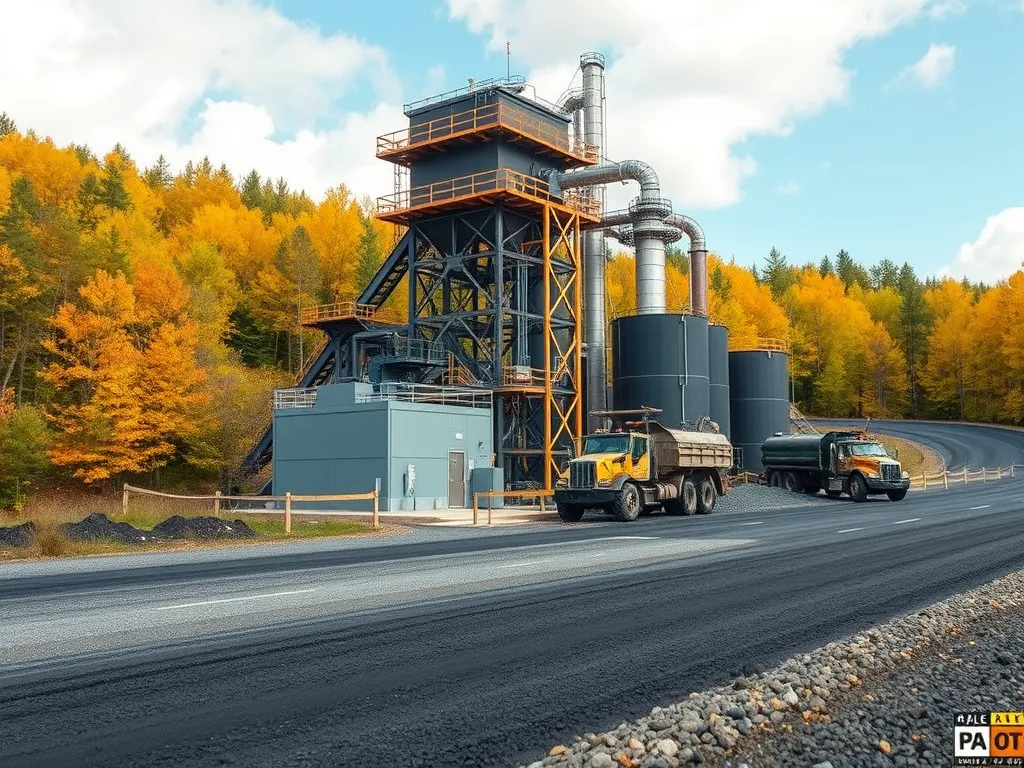
Examining the full journey of asphalt pavement reveals opportunities to cut environmental strain while boosting performance. Each phase directly affects resource use, emissions, and long-term value.
Phases in the Asphalt Pavement Life Cycle
From raw material sourcing to end-of-life recycling, six key stages shape the ecological footprint of asphalt systems. Let’s break them down.
Raw Material Extraction and Processing
Aggregates (crushed rock, sand) and bitumen form asphalt’s core. Mining aggregates requires blasting, crushing, and screening, consuming 2-4 kWh per ton. Bitumen, a petroleum byproduct, undergoes refining at 300-400°F. Using Recycled Asphalt Pavement (RAP) slashes virgin material needs by 20-30%, a common target in life cycle assessment asphalt studies.
Transportation of Asphalt Materials
Hauling raw materials to plants accounts for 10-15% of total CO₂ emissions in asphalt production. A typical dump truck emits 0.25 lbs of CO₂ per ton-mile. Optimizing routes or sourcing locally reduces fuel use, a key focus in sustainability asphalt strategies.
Asphalt Production (Hot Mix, Recycled, etc.)
Hot mix asphalt (HMA) heats aggregates and bitumen to 300-350°F, using 30-40 kWh per ton. Warm mix asphalt (WMA), produced at 200-250°F, cuts energy by 20%. Plants incorporating 30% RAP lower greenhouse gases by 15-20%, per life cycle studies for asphalt.
Construction and Placement
Pavers lay asphalt at 2-5 feet per second, compacting it to 92-96% density. Diesel-powered rollers and trucks emit 5-7 lbs of CO₂ per ton laid. Proper compaction extends pavement life by up to 10 years, reducing life cycle cost asphalt burdens.
Operation and Maintenance
Over 20-30 years, traffic wear, weather, and oxidation degrade pavements. Routine sealcoating every 3-5 years prevents 80% of surface cracks. Each ton of crack sealant emits 50% less CO₂ than full-depth repairs, per asphalt mixture life cycle assessments.
End-of-Life Management (Recycling, Reuse, Disposal)
95% of asphalt gets recycled in the U.S., with RAP reuse rates hitting 40% in new mixes. Milling old pavement requires 15-20% less energy than virgin production. Landfilled asphalt generates 0.1 lbs of methane per ton, making recycling critical for life cycle environmental impact asphalt reduction.
Breaking down these phases shows how targeted changes at each stage drive greener outcomes. Next, we’ll explore the tools that measure these impacts.
Also See: Economic Impact Of Asphalt Infrastructure: Benefits
Pavement Life Cycle Analysis (LCA) Methodologies
Life cycle analysis for asphalt employs standardized frameworks to evaluate environmental impacts across the material’s lifespan. The process integrates data-driven models tracking inputs like energy, raw materials, and emissions at each phase. Tools like SimaPro or OpenLCA align with ISO 14044 standards, ensuring consistency in asphalt LCA studies.
Comparing LCA and Life Cycle Cost Analysis (LCCA) for Asphalt
LCA measures environmental effects, while LCCA focuses on economic costs over time. For example, using 30% recycled asphalt pavement (RAP) cuts material costs by $15/ton but requires LCA to quantify CO₂ reductions. LCCA might show a 20-year savings of $500k per mile, whereas LCA reveals a 40% drop in global warming potential. Agencies like FHWA recommend combining both methods for balanced project decisions.
Key Metrics in Asphalt LCA: Energy Use, Emissions, and Resource Efficiency
Primary metrics include energy consumption (measured in MJ/ton), greenhouse gas emissions (CO₂e), and recycled content rates. Hot mix asphalt production averages 300-400 MJ/ton, with 95% tied to binder heating. Emissions range from 20-30 kg CO₂e per ton for virgin mixes but drop below 15 kg CO₂e with 50% RAP. Resource efficiency tracks material loops – 99% of asphalt gets recycled in the U.S., diverting 90 million tons/year from landfills.
These methodologies set the stage for analyzing real-world data. Next, we explore case studies showing LCA outcomes in highway projects and recycled material applications.

Case Studies in Asphalt Life Cycle Analysis
Real-world applications of life cycle assessment asphalt methods reveal actionable data for engineers and policymakers. Two notable examples highlight how material choices shape environmental impact asphalt outcomes.
Recycled Asphalt Pavement (RAP) in Highway Construction
A 2021 study on California’s I-710 highway project compared conventional hot mix asphalt life cycle cost analysis with RAP mixes containing 40% recycled material. Using life cycle inventory asphalt data, researchers found RAP reduced energy use by 28% and greenhouse gas emissions by 33% per lane-mile. The project diverted 18,000 tons of material from landfills, cutting raw aggregate demand by 32%.
Performance metrics matched virgin materials when paired with PG 64-22 polymer-modified binders. Superpave mix designs ensured rut resistance above 8,000 passes in APA testing. Cost savings reached $15 per ton, proving sustainability asphalt goals can align with budget targets.
Life Cycle Assessment Of Hot Mix Asphalt Vs. Alternatives
A 2023 FHWA report analyzed seven pavement types over 30-year periods. Traditional hot mix asphalt life cycle assessment showed 12% higher initial emissions than warm mix asphalt (WMA), but 22% lower long-term impacts due to reduced maintenance. Key findings:
- WMA required 20-25% less energy during production (125°F vs 300°F mixing temps)
- Porous asphalt systems reduced stormwater runoff by 85% but needed 40% more frequent surface repairs
- Stone mastic asphalt lasted 30% longer than dense-graded mixes in heavy truck lanes
When applying life cycle cost asphalt models, WMA proved most economical at $48/ton versus $52/ton for standard HMA. The study emphasized trade-offs between production-phase gains and long-term durability in asphalt mixture life cycle assessment.
These real-world applications set the stage for exploring advanced strategies to shrink pavement carbon footprints. Next, we’ll examine cutting-edge techniques for lowering emissions across the asphalt life cycle.
Sustainability and Environmental Impact Of Asphalt
Life cycle assessment asphalt studies show how choices in mix design and methods shape long-term eco-footprints. Key focus areas cut carbon use, boost recycling rates, and track gains via data-driven lci asphalt tools.
Reducing Carbon Footprint in Asphalt Production
Hot mix asphalt life cycle cost analysis reveals heating aggregates and binder uses 30% of total energy. Warm mix asphalt (WMA) slashes temps by 50°F, trimming fuel use and CO₂ by 15-30%. Blends with recycled asphalt shingles (RAS) or reclaimed asphalt pavement (RAP) lower virgin bitumen needs by 20%. New plant tech, like drum-mix dryers, cuts emissions by 40% vs batch plants. Carbon offsets via tree planting or clean energy credits balance residual impacts.
Role Of Recycling in Lowering Environmental Impact
Recycling keeps 90 million tons of asphalt from landfills yearly. RAP reuse in new mixes hits 95% in some states, cutting aggregate mining by 50%. Life cycle studies for asphalt show each 10% RAP added drops energy use by 4% and GHG by 5.8%. Cold-in-place recycling uses 60% less fuel than traditional methods. Closed-loop systems turn old pavement into fresh mix onsite, saving $8 per ton in haul costs. Downcycling for base layers still adds 12-15 years to road life.
These gains set the stage for tools that measure and track asphalt lca progress. Next, we explore software and standards shaping data-driven choices.
Tools for Conducting Asphalt LCA
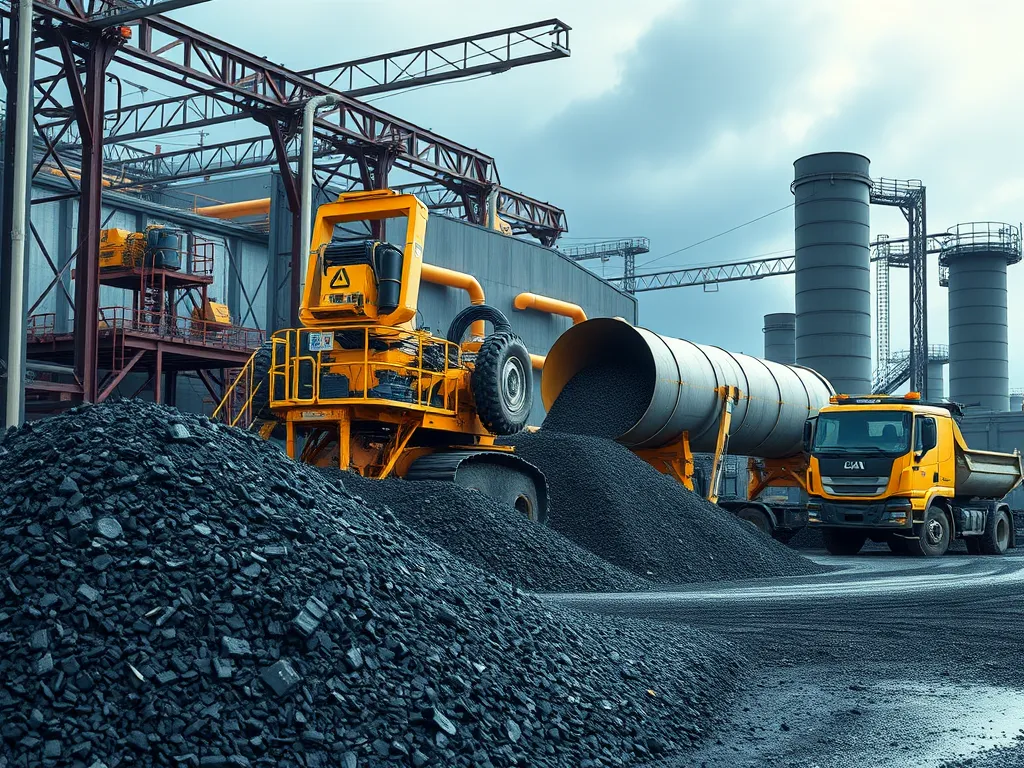
To study asphalt’s full life cycle, teams use tech tools and follow strict rules. These aid in tracking data, checking impacts, and meeting green goals.
Software and Frameworks for Asphalt Life Cycle Inventory (LCI)
Tools like SimaPro, GaBi, and OpenLCA track data on asphalt’s life cycle. They log inputs (rock, sand, oil) and outputs (CO2, waste). FHWA’s PaLATE and NAPA’s Eco-LCA help set up these lists. LCI forms the base for all studies, making sure no step is missed.
Standards and Regulations Governing Asphalt LCA
Global rules shape how asphalt LCA is done. ISO 14040 sets steps for studies. ASTM D7313 tests green impacts. In Europe, EN 15804 guides road builds. U.S. agencies like EPA set air and waste laws. These rules keep reports fair and facts clear.
With these tools and rules in hand, teams can dive into real-world cases. Up next: how LCA shapes roads we drive on every day.
FAQs: Life Cycle Analysis Of Asphalt Materials
What Are the Key Benefits Of Conducting an LCA for Asphalt Products?
Conducting a life cycle analysis for asphalt products helps identify potential environmental improvements, reduce costs, and enhance resource efficiency. By analyzing the entire life cycle, stakeholders can make informed decisions that not only meet regulatory requirements but also align with sustainability goals.
How is Data for Life Cycle Analysis Collected?
Data for life cycle analysis of asphalt materials is collected through various methods, including field measurements, industry databases, and life cycle inventory (LCI) databases. These data points encompass energy consumption, raw material sourcing, emissions, and more, providing a comprehensive view of the asphalt’s ecological footprint.
What Role Do Recycling Programs Play in Asphalt’s Life Cycle?
Recycling programs significantly impact asphalt’s life cycle by reducing the need for virgin materials, lowering energy use, and decreasing greenhouse gas emissions. Incorporating recycled asphalt materials, such as Recycled Asphalt Pavement (RAP), helps create a more sustainable asphalt mix, extending the life expectancy of pavement while minimizing environmental impacts.
How Can Asphalt LCA Influence Policy and Regulation?
The findings from asphalt life cycle analyses can guide policymakers in forming regulations that promote sustainable practices. By presenting solid data on environmental impacts, LCA can help establish standards for recycled content in asphalt manufacturing, influence funding for infrastructure projects, and drive governmental agencies toward more sustainable materials usage.
What Are Common Misconceptions About Asphalt LCA?
One common misconception is that life cycle analyses are solely focused on environmental impacts. While they do assess ecological footprints, they also consider economic factors, allowing for a well-rounded understanding of the true costs and benefits of asphalt materials. Additionally, some may believe that all recycled asphalt products perform poorly, but LCA studies often reveal that properly engineered asphalt with recycled content can match or exceed the performance of virgin asphalt.
How Are Life Cycle Analysis Results Used in Real-world Applications?
Life cycle analysis results are used in real-world applications to guide material selection, optimize designs, and develop construction practices that prioritize sustainability. The insights gleaned from LCA can inform engineers and contractors on best practices, enabling the implementation of innovative solutions that align with environmental goals while maintaining project performance and cost-efficiency.
Closing Thoughts
The life cycle analysis (LCA) of asphalt materials offers a comprehensive view of their environmental impact and cost-effectiveness. By examining each stage—from raw material extraction to end-of-life management—we gain insights into how to improve sustainability in asphalt production.
Implementing LCA not only helps reduce emissions and resource consumption but also ensures responsible decision-making in road construction and maintenance. The evidence from case studies reinforces the significant benefits of using recycled asphalt pavement (RAP) and adopting innovative practices.
As our industry evolves, embracing LCA principles will lead to better infrastructures for future generations. To learn more about asphalt materials and their life cycle analysis, visit Asphalt Calculator USA for in-depth information.

