Is Asphalt Toxic? What You Need to Know About Risks & Protection
Published on: March 7, 2026 | Last Updated: April 14, 2025
Written By: George Voss
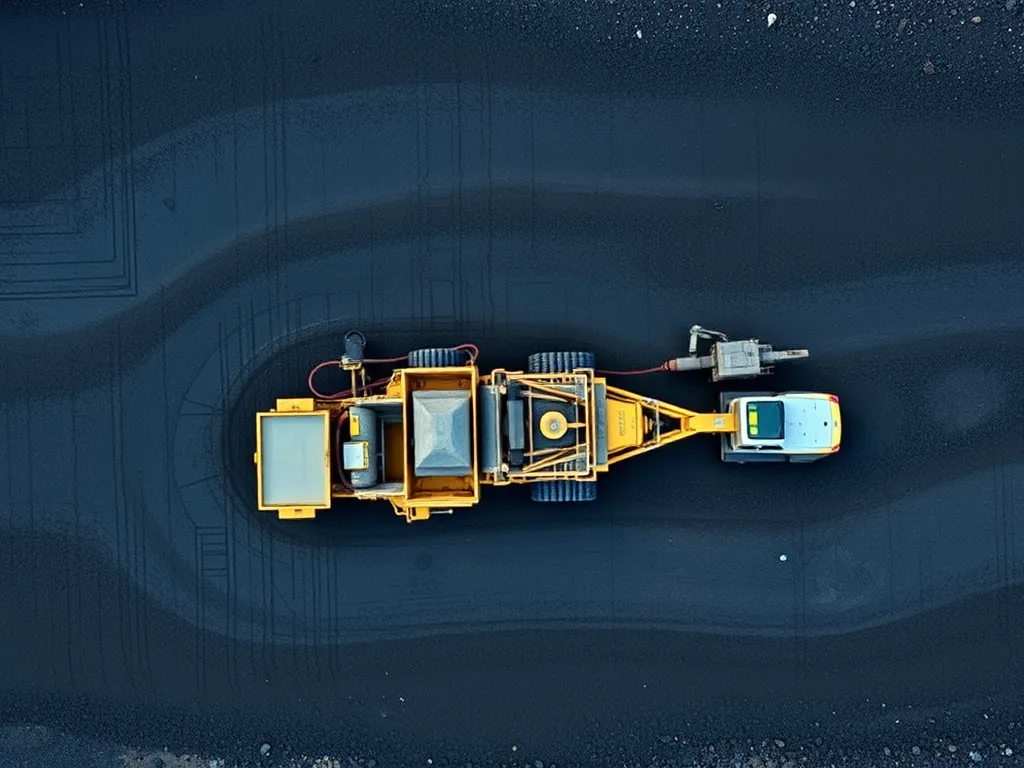
Asphalt isn’t toxic in its solid state but releases harmful fumes when heated above 300°F during paving or repair. Made from 90-95% stone, sand, or gravel bonded with bitumen (a thick petroleum byproduct), it’s safe once cured. Risks arise during high-temperature applications where fumes contain volatile organic compounds (VOCs)—chemicals linked to respiratory irritation. Direct contact with hot mix can also cause burns. Workers should use respirators, gloves, and ventilation to minimize exposure.
This article breaks down asphalt’s safety profile across five key areas: health risks from fumes/dust, safe handling practices, environmental impacts, pet safety, and latest research on long-term exposure. You’ll get data from OSHA safety standards, temperature thresholds for fume release, and symptoms requiring medical attention. We’ll also compare fresh vs recycled asphalt risks and tips for homeowners during driveway projects.
Contents
What is Asphalt?
Asphalt is a dark, sticky material primarily used for paving roads, driveways, and parking lots. It binds crushed stone, sand, and gravel into smooth surfaces. While durable and weather-resistant, its chemical makeup raises questions about safety.
Composition Of Asphalt
Asphalt contains three core ingredients: aggregates (95%), bitumen (5%), and additives. Aggregates like limestone or granite provide structure. Bitumen, a petroleum byproduct, acts as the glue. Additives improve flexibility or resistance to cracking.
Key Components Linked to Toxicity
Bitumen drives most toxicity concerns. It holds polycyclic aromatic hydrocarbons (PAHs), chemicals tied to skin irritation and lung problems. Fresh asphalt releases volatile organic compounds (VOCs) like benzene, which evaporate at high temperatures. Sulfur compounds in bitumen may also trigger respiratory issues.
| Component | Risk Profile |
|---|---|
| Bitumen/PAHs | Skin burns, potential carcinogens |
| VOCs | Dizziness, headaches, lung irritation |
| Sulfur compounds | Respiratory inflammation |
Common Uses Of Asphalt
Road construction requires heating asphalt to 300°F, releasing fumes. Roofing shingles contain asphalt derivatives that off-gas VOCs in sunlight. Driveways and playgrounds made with recycled asphalt may generate dust containing PAHs. Even sealed parking lots emit trace fumes during summer heat.
Next, we analyze how these components affect human health through various exposure pathways.
Health Risks Of Asphalt Exposure
Working with or near asphalt introduces multiple exposure pathways. Each carries distinct risks requiring specific precautions.
Inhalation Risks: Asphalt Fumes and Vapors
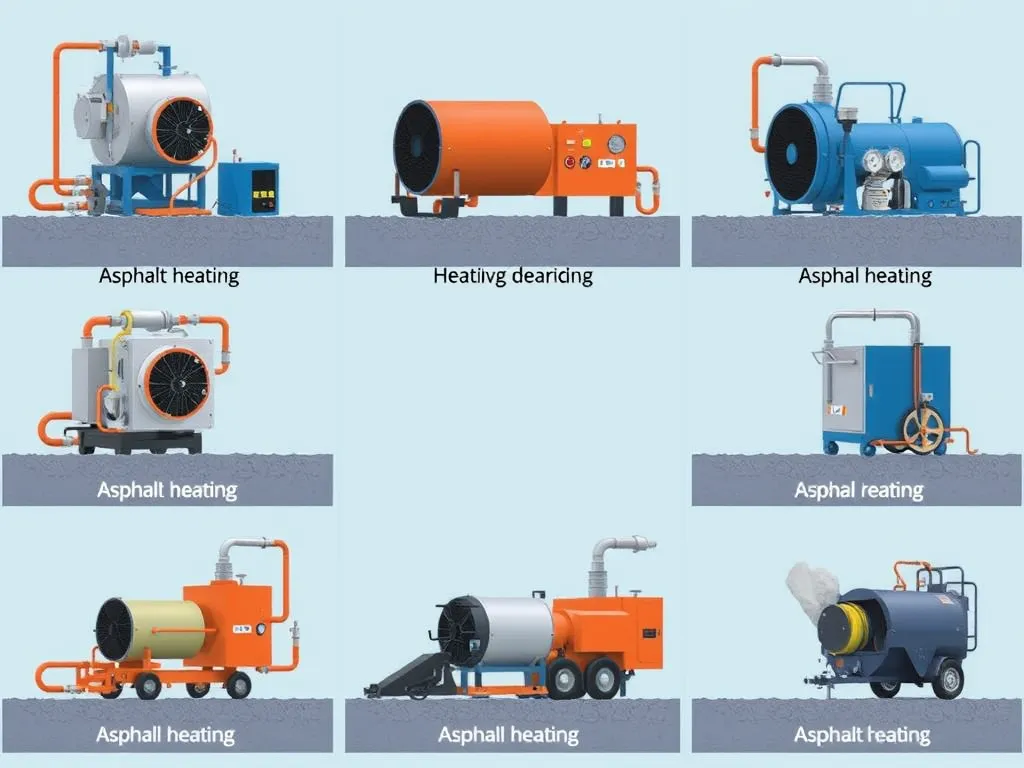
Heating asphalt to 280-325°F releases fumes containing volatile organic compounds (VOCs) and polycyclic aromatic hydrocarbons (PAHs). These mixtures vary based on crude oil sources and production methods.
Are Asphalt Fumes Toxic to Humans?
Short-term exposure irritates eyes, throats, and lungs. Workers report headaches (23% in NIOSH studies) and dizziness at job sites. Prolonged contact correlates with chronic bronchitis rates 1.8x higher than national averages.
Can Asphalt Fumes Cause Cancer?
IARC classifies occupational-level fume exposure as Group 2B – possibly carcinogenic. Benzopyrene (0.1-6.5mg/kg in fumes) and naphthalene (0.5-2.3ppm) both show tumor links in lab studies. Field data remains inconclusive due to mixed chemical exposures in construction zones.
Skin Contact Hazards
Liquid asphalt exceeds 300°F during paving. Splashes cause third-degree burns within seconds. Cooled material still contains irritants like sulfur compounds.
Effects of Direct Contact with Hot Asphalt
Thermal burns from fresh mix require immediate medical care. Residual bitumen binds to skin, complicating wound cleaning. Workers with >5 years’ experience show 40% higher dermatitis rates versus other trades.
Ingestion Risks (Accidental or Environmental)
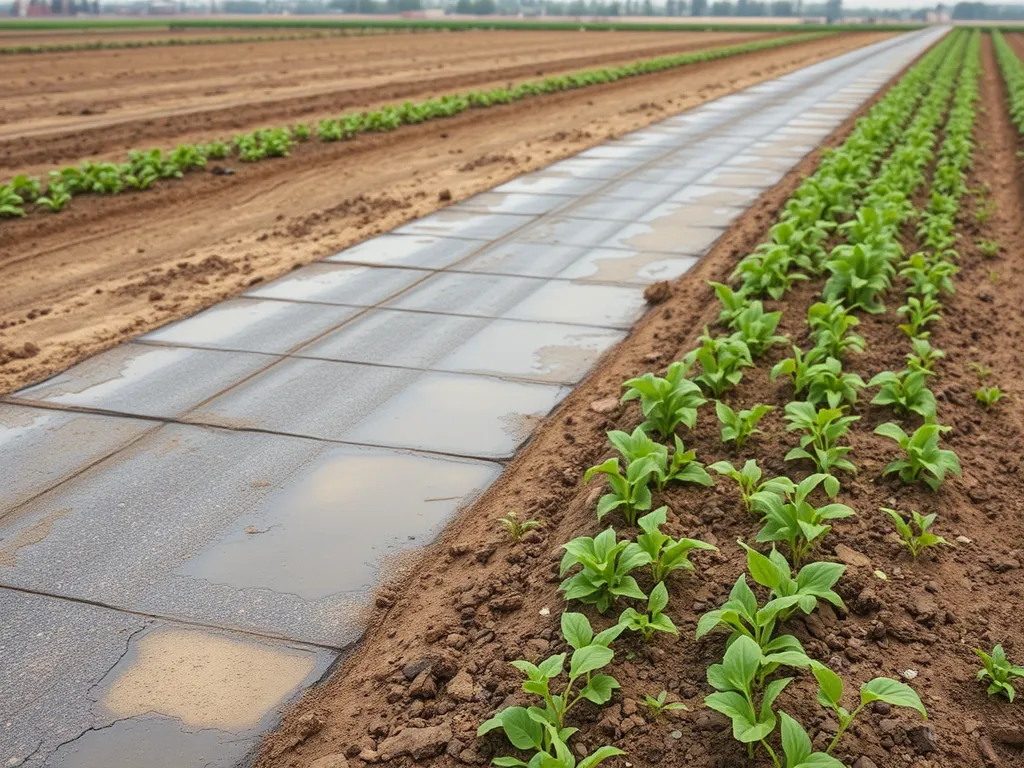
Swallowing asphalt chunks is rare but occurs during food contamination. More concerning: weathered pavement releasing PAHs into soil (up to 4.7μg/L in runoff). These compounds bioaccumulate in crops, though EPA limits set safe thresholds at 0.0003mg/kg daily intake.
Next, we’ll break down how fume composition impacts these risks – including which components demand strict monitoring.
Asphalt Fumes: Toxicity and Safety
Working with heated asphalt releases fumes requiring careful handling. These emissions contain chemicals needing evaluation for worker safety.
What Are Asphalt Fumes?
Fumes form when temperatures exceed 300°F during paving or roofing. Visible as blue-gray vapors, they carry suspended particles linked to respiratory irritation.
Volatile Organic Compounds (VOCs) in Fumes
VOCs—carbon-based chemicals like benzene, toluene, and polycyclic aromatic hydrocarbons (PAHs)—evaporate from hot asphalt. Studies show concentrations up to 15 mg/m³ near fresh pavement. Prolonged exposure to these compounds correlates with lung irritation and nervous system effects.
How Long Do Asphalt Fumes Last?
Outdoor fumes typically disperse within 24-48 hours. Indoor settings with poor ventilation retain vapors for days. Temperature impacts dissipation: cooler environments reduce emissions faster. Modified mixes with warm-mix additives cut fume persistence by 30% compared to traditional hot-mix.
Is the Smell Of Asphalt Toxic?
Strong odors signal high VOC levels. While brief exposure rarely causes harm, continuous inhalation risks headaches or dizziness. NIOSH sets worker exposure limits at 5 mg/m³ over 15 minutes. Pets or children near fresh paving sites may experience nausea from prolonged odor contact.
While fumes pose clear risks during installation, other exposure pathways exist. Next, we examine dangers from recycled materials and proximity to production zones.
Also See: Economic Analysis Of Asphalt Recycling Impacts
Specific Exposure Scenarios
Real-world contact with asphalt varies widely. Three common situations raise questions about toxicity levels.
Is Ground-up Asphalt Toxic to Humans?
Recycled asphalt pavement (RAP) contains aged bitumen and aggregates. At ambient temperatures, RAP releases minimal fumes. Tests show PAH levels below 1 ppm in most milled material. Direct skin contact may cause mild irritation but no systemic poisoning. Wear gloves when handling bulk material.
| Material State | PAH Concentration | Risk Level |
|---|---|---|
| Fresh asphalt | 2-5 ppm | Moderate |
| Milled asphalt | 0.3-0.8 ppm | Low |
Asphalt Dust Exposure Risks
Cutting or grinding creates respirable dust particles (PM2.5). NIOSH reports 12-18 mg/m³ dust levels during milling operations. Repeated exposure links to:
- Chronic bronchitis (12% prevalence in road crews)
- Nasal passage inflammation
- Skin rashes from alkaline additives
Water sprays reduce airborne dust by 80% during cutting. Use N95 masks in dry conditions.
Living Near Asphalt Production Facilities
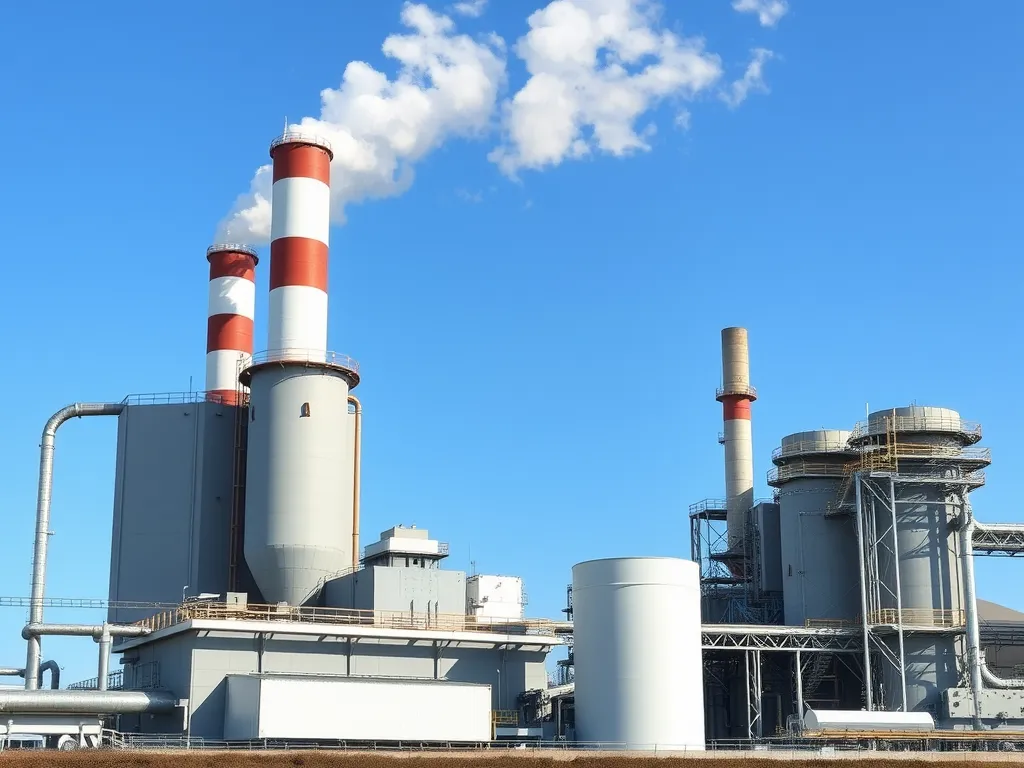
Facilities emit benzene (0.03 ppm), toluene (0.12 ppm), and formaldehyde (0.01 ppm) within 500-foot radius. EPA studies show 1.2x higher cancer rates near plants operating pre-2000. Modern plants with fume suppressants cut emissions by 92%. Check local air quality monitors for PM2.5 exceeding 35 μg/m³.
Airborne risks decrease sharply beyond 1/4 mile. Install HEPA filters if within 1000 feet of batch plants.
While these scenarios present measurable risks, proper handling protocols significantly reduce threats. Next, we’ll examine safety measures that protect workers and communities.
Safety Guidelines for Handling Asphalt
Working with asphalt demands strict protocols to limit risks from fumes, high temps, and physical contact. Following industry standards cuts down health hazards linked to this material.
Personal Protective Equipment (PPE)
NIOSH-approved N95 respirators block 95% of airborne particulates during paving or milling. Heat-resistant gloves (rated for 300°F+) shield hands from burns. Full-body suits with ANSI-rated eye protection stop splashes. For tasks with asphalt fume risk above OSHA’s 5 mg/m³ limit, powered air-purifying respirators (PAPRs) add extra filtration.
Worksite Ventilation Best Practices
Local exhaust systems pull fumes away from workers during hot mix applications. Roofing crews should position kettles downwind, using fans to push vapors from work zones. Open-air sites need wind speeds above 5 mph to disperse fumes. Indoor jobs require mechanical ventilation moving 1,500-2,000 CFM per ton of asphalt used.
Emergency Protocols for Asphalt Exposure
If inhaling thick fumes, shift to clean air instantly and call 911 for breathing trouble. Skin hit by 300°F+ material needs 15+ minutes of cool water flushing – no ice. For eye contact, irrigate with saline for 20 minutes while seeking medical aid. Contaminated clothing must go off fast to stop burns from trapped heat.
With these controls in place, focus shifts to how asphalt interacts with natural systems. Next, we’ll look at its impacts beyond worksites.
Environmental Impact Of Asphalt
Asphalt’s environmental effects require careful analysis, particularly regarding soil, water, and long-term ecosystem interactions. Research shows risks depend on material age, exposure conditions, and recycling practices.
Does Asphalt Leach Toxins Into Soil/water?
Fresh asphalt poses minimal leaching risks under normal temperatures. The binder (bitumen) contains polycyclic aromatic hydrocarbons (PAHs) – chemicals linked to cancer in high concentrations. Studies by the EPA report PAH leaching at 0.05-1.2 mg/L from aged asphalt exposed to acidic rainwater (pH ≤5) or extreme heat (≥140°F). Modern mixes use polymer-modified binders that reduce leaching by 60-80% compared to traditional formulations.
- Key risk factors: High-temperature exposure, acidic environments, physical degradation
- Primary contaminants: PAHs, trace heavy metals (vanadium, nickel)
- Regulatory limits: EPA mandates ≤0.1 mg/L PAHs in drinking water
Long-term Environmental Persistence
Asphalt resists natural decomposition due to its petroleum base. Intact pavements can last 20+ years, but weathering creates microcracks releasing particles ≤2.5 microns (PM2.5). Recycled asphalt pavement (RAP) accounts for 90% of U.S. reclaimed material – while eco-friendly, aged RAP may contain higher PAH levels (up to 12 mg/kg) than virgin asphalt (3-5 mg/kg).
Recent research identifies asphalt as a source of urban microplastics. Tire abrasion and pavement wear generate 7% of global microplastic pollution – 30% higher than previous estimates. Mitigation strategies include porous asphalt designs that capture 80-90% of particulate matter before it enters waterways.
These environmental considerations set the stage for examining asphalt’s effects on household pets and wildlife.

Pet Safety and Asphalt Toxicity
While fully cured pavement poses minimal risks to pets, fresh asphalt applications or heated surfaces demand vigilance. Dogs, cats, or wildlife interacting with these materials face unique hazards tied to chemical exposure or physical burns.
Is Asphalt Toxic to Dogs?
Bitumen (asphalt binder) contains polycyclic aromatic hydrocarbons (PAHs), compounds linked to health issues in mammals. Dogs walking on hot pavement risk:
- Paw pad burns from surfaces exceeding 125°F
- Inhaling volatile organic compounds (VOCs) emitted during paving
- Digestive problems if licking cooled asphalt debris
Freshly laid mix can reach 300°F, causing third-degree burns within 60 seconds of contact. Symptoms of overexposure include limping, excessive drooling, or vomiting. Prolonged inhalation of fumes may trigger respiratory distress.
Preventing Animal Exposure
Minimize risks with these protocols:
- Keep pets off fresh pavement for 24-48 hours post-installation
- Check surface heat by pressing your hand for 7 seconds before walks
- Use protective booties near construction zones
- Clean paws with mild soap after potential contact
- Contact your vet if ingestion occurs
For reclaimed asphalt projects, secure work zones to prevent pets from accessing ground-up material containing residual binders.
For more details on managing health risks linked to bitumen products, explore our FAQ section covering exposure symptoms and mitigation strategies.
Frequently Asked Questions (FAQ)
Is Breathing Asphalt Fumes Dangerous?
Yes, breathing asphalt fumes can be dangerous, particularly during paving or roofing when temperatures exceed 300°F. Short-term exposure may lead to respiratory irritation, dizziness, and headaches. Chronic exposure presents long-term health risks, including potential respiratory diseases.
What Are the Symptoms Of Asphalt Poisoning?
Symptoms of asphalt poisoning can vary based on the type of exposure. Inhalation may cause respiratory distress, dizziness, headaches, and irritation of the eyes, nose, and throat. Skin contact can lead to burns and dermatitis. It’s essential to seek medical attention if severe symptoms arise.
Are Asphalt Vapors Toxic Indoors?
Yes, asphalt vapors can be toxic indoors, particularly in poorly ventilated spaces. They may linger longer than outdoors and can pose significant health risks, including headaches, nausea, and respiratory issues. Proper ventilation and air purification are crucial in enclosed areas where asphalt is present.
Can Asphalt Harm Plants or Wildlife?
Yes, asphalt can harm plants and wildlife, particularly through leaching of toxic compounds like polycyclic aromatic hydrocarbons (PAHs) into the soil and water systems. Fresh asphalt applications can also physically damage nearby vegetation due to heat and direct contact. Efforts should be made to limit exposure of flora and fauna to asphalt emissions and runoff.
Closing Thoughts
Asphalt plays a vital role in infrastructure, but concerns about its toxicity remain. While exposure to asphalt fumes and direct contact can pose health risks, following proper safety guidelines can greatly mitigate these dangers. Ensuring adequate ventilation, using personal protective equipment, and staying informed about environmental impacts are essential steps for safe handling.
Understanding the nuances of asphalt toxicity can help individuals and communities make educated decisions regarding its use and safety. While asphalt is largely safe when managed correctly, awareness of its potential risks is key.
For further information on asphalt safety, resources, and calculators, check out Asphalt Calculator USA.
Useful References for You:
- The Asphalt Institute. (2007). MS-4: The Asphalt Handbook. Lexington, KY: Asphalt Institute.
- Health Effects of Occupational Exposure to Asphalt | NIOSH | CDC
- Breathing In the Road: The Unseen Dangers of Tar and Asphalt Fumes
- Asphalt (Bitumen) Fumes – Overview | Occupational Safety and Health Administration
- Asphalt (Bitumen) Fumes – Hazard Recognition | Occupational Safety and Health Administration