Is Asphalt Sticky? Composition, Conditions & Solutions Explained
Published on: March 6, 2026 | Last Updated: April 14, 2025
Written By: George Voss
Asphalt is sticky due to its bitumen content, a thick petroleum-based binder that holds aggregates like sand and gravel together. This stickiness peaks during installation when hot asphalt mix (250-350°F) is poured, but hardens as it cools. Fresh asphalt remains tacky for 24-72 hours until fully cured. Rain or high heat (above 90°F) can reactivate stickiness in older pavement by softening the bitumen.
This article breaks down why asphalt acts like glue in some situations but feels solid in others. Learn how temperature changes, weather patterns, and material ratios affect stickiness. Discover practical fixes for tacky driveways, safety tips for handling fresh pavement, and how modern mixes balance durability with reduced tack. We’ll also explore how additives and recycling methods keep asphalt functional across climates.
Contents
- Introduction to Asphalt Stickiness
- What is Asphalt Made Of?
- Factors Influencing Asphalt Stickiness
- When is Asphalt Most Sticky?
- How Long Does Asphalt Stay Sticky?
- How to Reduce or Prevent Bitumen Stickiness
- Safety Considerations With Sticky Asphalt
- Environmental Impact Of Production
- FAQ: Common Questions About Asphalt Stickiness
- Closing Thoughts
- Additional Resources for You:
Introduction to Asphalt Stickiness
Asphalt’s stickiness depends on temperature, moisture, and material ratios. Freshly poured mix acts like thick syrup, adhering to surfaces until cooled. Under summer heat, roads soften as the binder (bitumen) reaches its softening point—typically between 115°F and 150°F. This makes surfaces tacky enough to leave shoe marks or tire imprints.
Wet conditions alter stickiness differently. Water creates a barrier between asphalt and objects, reducing adhesion temporarily. After rain, evaporation reactivates the binder, restoring tackiness for hours. Roads with poor drainage stay sticky longer due to trapped moisture in porous surfaces.
Material quality plays a role. Low-grade mixes with excess bitumen or fine aggregates increase surface viscosity. Properly designed pavements balance aggregates (crushed stone, sand) and binders to minimize unwanted adhesion while maintaining durability.
Next, we’ll explore the science behind asphalt’s makeup—the key to controlling its sticky behavior.
What is Asphalt Made Of?
Asphalt contains two primary elements: aggregates and bitumen. The combination determines pavement performance – and stickiness levels under different conditions.
Key Components Of Asphalt Composition
Aggregates (95-98% of the mix) provide structural strength. These include:
- Crushed stone or gravel (coarse aggregates)
- Sand (fine aggregates)
- Mineral fillers like limestone dust
Bitumen (4-8% by weight) acts as the glue. This black, viscous substance binds aggregates while contributing to asphalt’s stickiness. PG (Performance Grade) binders specify temperature ranges where bitumen remains stable – critical for managing tackiness during summer heat or winter cold.
Is Asphalt Derived From Oil?
Bitumen forms during crude oil refining. After lighter fuels (gasoline, diesel) get extracted, heavy residues undergo vacuum distillation to produce asphalt cement. Approximately 85% of global bitumen comes from petroleum. Synthetic alternatives like Gilsonite exist but cost 40-60% more.
Petroleum-based bitumen becomes pliable above 250°F, explaining why asphalt feels sticky when hot. Refineries adjust penetration grades (e.g., PG 64-22) to control viscosity. Lower-grade binders soften faster, increasing tackiness risks on scorching days.
Knowing asphalt’s makeup sets the stage for analyzing why stickiness varies. Next, we’ll break down how temperature, moisture, and material ratios turn pavements tacky.

Factors Influencing Asphalt Stickiness
Asphalt stickiness depends on three primary variables: temperature, moisture levels, and material ratios. These factors determine whether pavement feels tacky underfoot or remains stable.
Temperature Effects: Why Asphalt Becomes Sticky When Hot
Bitumen, the sticky binder in asphalt, softens at temperatures above 140°F. This thermal sensitivity causes surfaces to turn viscous during heatwaves. High solar radiation amplifies stickiness, making summer afternoons peak times for tackiness. Roads in Arizona and Texas frequently reach 160°F in July, increasing rutting risks by 30% compared to cooler climates.
Moisture Impact: Is Asphalt Tacky When Wet or After Rain?
Water acts as a temporary lubricant, reducing surface stickiness during rainfall. Freshly wetted asphalt feels less tacky. But as moisture evaporates post-rain, residual bitumen regains adhesion. This explains why puddles leave sticky patches once dried. Installers avoid paving during rain since trapped moisture weakens bonds between layers.
Aggregate and Binder Ratios
Mix designs balance crushed stone (95% by weight) with bitumen (5%) to control stickiness. High-binder mixes used for driveways increase tackiness for better compaction. Superpave specifications limit binder content in highways to 4-6%, minimizing rutting. Polymer-modified binders like PG 76-22 enhance elasticity without excessive stick in hot weather.
These variables set the stage for managing tackiness during installation and maintenance. Next, we’ll examine specific scenarios where asphalt reaches peak adhesion levels.
Also See: Advantages Of Asphalt Shingles Over Other Roofing Materials
When is Asphalt Most Sticky?
Asphalt stickiness fluctuates based on installation stages and weather patterns. These factors determine when surfaces pose adhesion risks or require special handling.
Freshly Laid Asphalt: Tackiness During Installation
New asphalt reaches peak stickiness during placement. The mix arrives at 275-350°F, heating the bitumen binder to a viscous state. This temporary tackiness helps aggregate particles bond during compaction. Contractors rely on this stickiness for proper density but face challenges:
- Footprints/tire marks imprint easily in hot surfaces
- Debris (leaves, gravel) adheres to uncured pavement
- Walkability restricted until surface cools below 140°F
Pro tip: Avoid testing “is asphalt sticky when wet” on fresh pavement – water contact during curing weakens structural bonds.
Seasonal Variations: Cold Vs. Hot Weather Stickiness
Ambient temperatures reactivate or suppress asphalt’s sticky properties:
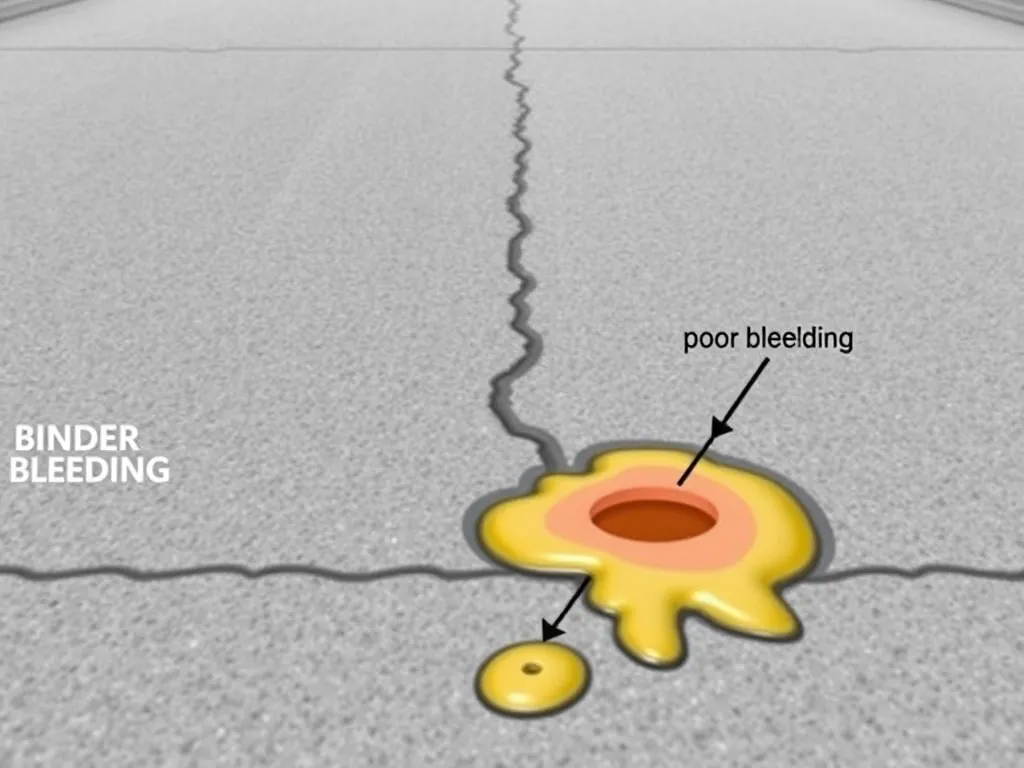
- Summer (90°F+): Bitumen softens, increasing “asphalt sticky when hot” risks. Prolonged heat causes bleeding – binder rises, creating slick spots.
- Winter (Below 50°F): Pavement hardens, reducing tackiness. However, freeze-thaw cycles create cracks where moisture lingers, mimicking “is asphalt tacky when wet” conditions.
Rain amplifies stickiness differently: summer showers cool surfaces but trap steam, while winter precipitation freezes in pores. Monitoring pavement temperature with infrared guns helps predict adhesion changes.
With curing times and weather patterns affecting adhesion, how long does asphalt remain sticky under real-world conditions? The next section breaks down durability timelines.
How Long Does Asphalt Stay Sticky?
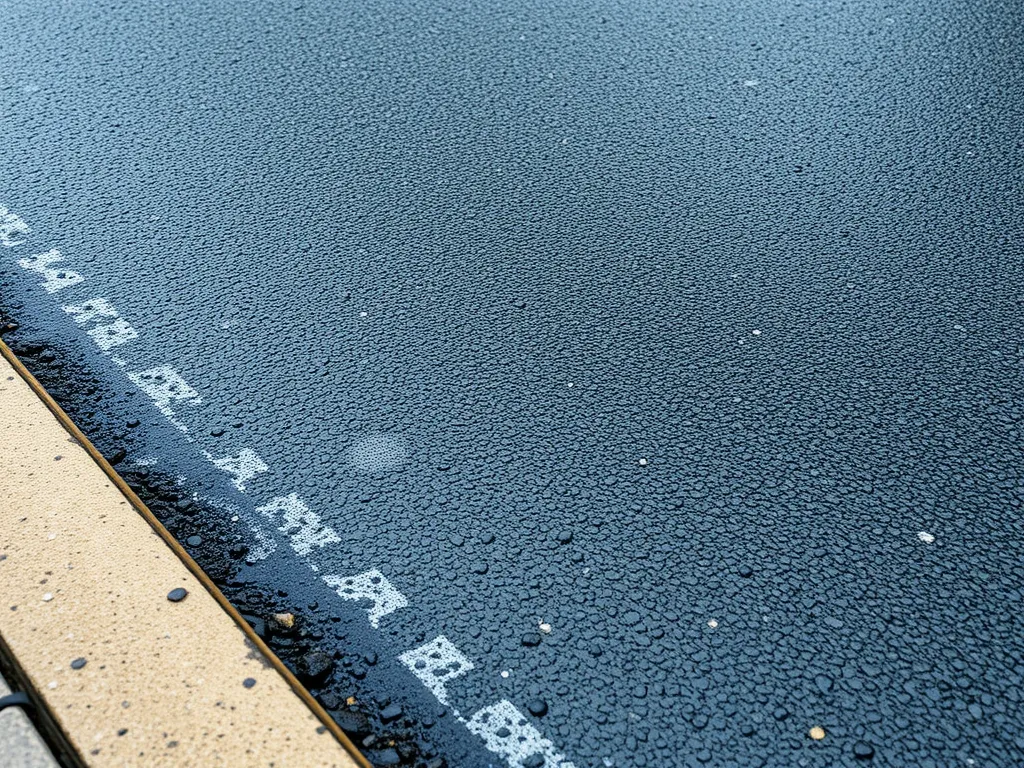
Fresh asphalt stays sticky for 24-48 hours after install. Full cure takes 6-12 months as bitumen hardens. Traffic can drive on it in 3 days, but heavy loads wait 30 days.
Curing Time for New Asphalt Surfaces
Heat speeds up cure. At 70°F, top layers set in 1-2 days. Cold days (below 50°F) add 50% more time. Thin coats (1.5 inches) cure faster than thick ones (4 inches). Use PG 64-22 binders in hot zones to cut tack time by 20%.
Environmental Factors Affecting Duration
Sun and heat keep asphalt sticky when hot. Above 85°F, bitumen stays soft for weeks. Rain cools fresh mix fast but risks washout if poured before storms. High humidity slows cure—dry air lets vapors escape 30% faster. Cold temps (under 40°F) halt hardening until spring thaw.
Sticky asphalt needs smart fixes. Next: how to stop tack before it starts.
How to Reduce or Prevent Bitumen Stickiness
Controlling bitumen stickiness requires targeted strategies during mix design, installation, and maintenance. Below are proven methods used by paving professionals.
Proper Mix Design and Stone Gradation
Balanced stone gradation minimizes excess bitumen content. Superpave specifications ensure stone mixtures are optimized for particle size distribution—coarse stones provide structure, while fine particles fill voids. Performance-graded (PG) binders matched to regional climates reduce temperature-related stickiness: PG 64-22 for moderate zones, PG 76-16 for high-heat regions. Mixes containing 4-6% bitumen by weight maintain strength without excessive tackiness.
| Bitumen Content | Effect on Stickiness |
|---|---|
| Below 4% | Reduced cohesion, faster wear |
| 4-6% | Optimal balance |
| Above 6% | Increased stickiness risk |
Curing Techniques for Fresh Surfaces
Newly laid pavement needs 24-72 hours to cure fully. Temperatures below 85°F (29°C) speed up the process. Use release agents like calcium carbonate or hydrated lime to prevent surface bonding. Avoid water-based curing—it disrupts bitumen setting. For driveways, restrict foot traffic for 48 hours; for roads, delay lane markings until curing completes.
Addressing Sticky Spots in Existing Pavement
Localized tackiness often stems from poor drainage or binder bleeding. Apply coarse sand or limestone dust to absorb excess bitumen. Infrared patching recycles and recompacts problem areas in 15-30 minutes. For chronic issues, apply polymer-modified sealcoating—it reduces surface porosity by 40-60% and blocks moisture intrusion.
Next, let’s examine safety risks linked to sticky pavement surfaces during installation and daily use.
Safety Considerations With Sticky Asphalt
Sticky asphalt poses distinct risks during installation and daily use. Tackiness impacts both workability and public safety, requiring specific protocols to mitigate harm.
Risks During Installation (E.g., “can You Lay Asphalt in the Rain?”)
Laying asphalt in rain introduces major hazards. Water mixes with bitumen, disrupting bond formation between aggregates and binder. This causes weak spots, reducing pavement lifespan. Ideal paving occurs at 50-85°F—cooler temps slow curing, while heat above 90°F prolongs stickiness. Rain also cools asphalt rapidly, trapping moisture that later triggers raveling or cracks. Contractors halt work if rain is forecast within 24 hours to avoid $15-$50/sq yd repair costs.
Pedestrian and Vehicle Hazards
Freshly laid asphalt stays tacky for 24-72 hours, risking shoe damage or trips if walked on too soon. In summer, surfaces can hit 140°F, softening bitumen and creating a tar-like grip. Vehicles face 10-15% higher rolling resistance on sticky roads, cutting fuel efficiency by 1-2 MPG. Braking distances may also increase by up to 20% on tacky vs. cured pavement. Applying sand or limestone dust temporarily lowers stickiness until full curing.
Managing these risks ties directly to broader impacts of asphalt production and usage.
Environmental Impact Of Production
Production processes directly influence both pavement performance when hot and ecological footprints. The sticky nature of bitumen—the binding agent—plays roles beyond surface cohesion.
Emissions During High-temperature Applications
Heating bitumen to 300°F–350°F activates its sticky properties for paving. This process releases volatile organic compounds (VOCs) and particulate matter. For every ton produced, roughly 18–20 kg of CO2 equivalents emit. Warm-mix technologies now lower temps by 50°F–100°F, cutting emissions 15%–20% while maintaining workability.
- VOCs: 0.5–1.2 kg per ton of mix
- Nitrogen oxides (NOx): 0.03–0.08 kg per ton
Higher temps boost stickiness but degrade air quality. PG (Performance Grade) binders optimized for climate reduce overheating needs.
Recyclability & Sustainable Practices
Over 99% of paved material gets reused, minimizing reliance on new bitumen. Recycled pavement (RAP) contains existing binders that regain stickiness when reheated. Projects now integrate 25%–40% RAP without compromising durability.
- Costs drop $2–$5 per ton with 30% RAP
- Permeable mixes reduce water retention by 30%–50%, limiting tacky surfaces after rain
Cold recycling techniques reuse 100% of milled material, eliminating high-heat steps. These methods cut energy use by 35% compared to traditional production.
Next, we’ll explore solutions to frequent concerns about stickiness under varying conditions.
FAQ: Common Questions About Asphalt Stickiness
Is Fresh Asphalt Slippery?
Fresh asphalt can be slippery for various reasons. While the surface remains compact, the stickiness of the bitumen can create a slick layer, especially in wet conditions. Foot traffic can also leave impressions that alter stability. Therefore, caution is advised for pedestrians and vehicles on freshly laid asphalt surfaces to prevent slips and accidents.
Why Does Some Asphalt Remain Sticky for Weeks?
Asphalt may remain sticky for extended periods due to high environmental temperatures, excess bitumen in the mix, or inadequate curing. Conditions like humidity and trapped moisture can also prolong the softening effect of the bitumen, leading to adhesives that last beyond the typical curing time. Monitoring the mix design and environmental factors can help mitigate this issue.
Can Weather Make Old Asphalt Tacky Again?
Yes, weather can reactivate the tackiness of old asphalt. When temperatures rise significantly or if moisture is present, the bitumen can soften and regain its sticky nature. Repeated cycles of heating and cooling, especially during summer heat or after rain, can cause older pavement to become temporarily tacky again, which may require careful management to ensure safety.
Closing Thoughts
Asphalt’s stickiness is a key characteristic that varies based on several factors. Its composition, temperature, and environmental conditions all play significant roles in determining how sticky asphalt becomes. Freshly laid asphalt exhibits the most tackiness, primarily during installation under warm conditions.
Understanding how to manage this stickiness is vital for both safety and performance. Proper mix design, adequate curing techniques, and prompt maintenance of existing surfaces can help reduce unwanted tackiness. Awareness of any risks—especially during installation—ensures a safer environment for workers and the public alike.
For further insights and detailed calculations related to asphalt, visit Asphalt Calculator USA.