Is Asphalt or Concrete Better for a Driveway?
Published on: March 6, 2026 | Last Updated: April 14, 2025
Written By: George Voss
Asphalt and concrete driveways each have distinct advantages depending on climate, budget, and design needs. Asphalt typically costs $4-$6 per square foot installed, offering faster installation and better winter performance. Concrete runs $6-$12 per square foot but lasts 10+ years longer with less maintenance. Asphalt requires sealing every 3-5 years but handles freeze-thaw cycles better than concrete in northern states. Concrete cracks more easily in cold climates but resists heat distortion in southern regions. Both materials can be recycled, though asphalt reuse rates exceed 90% compared to concrete’s 70-80%.
This article breaks down seven key factors for choosing between asphalt and concrete. We compare installation costs per square foot, repair timelines, and climate-specific performance from Texas heat to Minnesota winters. Explore how each material affects home resale value, learn maintenance schedules, and review eco-friendly options. Regional case studies and contractor insights help match your location and lifestyle with the ideal surface.
Contents
- Asphalt Vs Concrete Driveway Cost Comparison
- Durability and Longevity Of Asphalt Vs Concrete Driveways
- Maintaining Your Driveway: Asphalt Vs Concrete
- Regional Suitability: Climate Considerations
- Resale Value Impact: Asphalt Vs Concrete Driveways
- Aesthetic Flexibility: Asphalt Vs Concrete Options
- Key Disadvantages Of Asphalt Driveways
- Environmental Impact Of Driveway Materials
- FAQ: Asphalt Vs Concrete Driveways
- Closing Thoughts
- Useful References for You:
Asphalt Vs Concrete Driveway Cost Comparison
Material choice directly impacts both short-term budgets and lifetime spending. Let’s break down dollars per square foot, repair cycles, and regional price variables.
Initial Installation Costs: Asphalt Vs Concrete
Asphalt driveways typically cost $3-$7 per square foot installed. Concrete ranges from $5-$15 per square foot. This 40-50% price gap stems from material composition and labor intensity. Asphalt mixes use cheaper aggregates bonded with liquid asphalt cement. Concrete requires pricier Portland cement and precise curing times. Labor costs vary: asphalt crews work faster but need specialized paving equipment.
Regional factors shift prices: – Asphalt costs rise in areas lacking local refineries – Concrete premiums hit 20% in regions with strict environmental rules on cement production – Site prep like sub-base compaction adds $1-$3/sq ft to either material
Long-term Repair and Maintenance Expenses
Asphalt demands sealcoating every 3-5 years ($0.15-$0.30 per sq ft). Without it, oxidation causes cracks within 8 years. Major resurfacing runs $1.50-$3.00 per sq ft every 12-15 years. Concrete avoids frequent sealing but faces costlier fixes: – Crack repairs: $3-$5 per linear foot – Slab replacement: $8-$12 per sq ft – Stain removal: $2-$4 per sq ft for acid washing
Lifespan differences balance costs. Asphalt lasts 20-25 years versus concrete’s 30-40 years. Over 30 years, total costs per sq ft average: – Asphalt: $6.20-$9.80 (install + 3 sealcoats + 1 resurface) – Concrete: $8.50-$16.00 (install + crack repairs)
Material durability ties directly to these costs. Up next: how weather extremes impact surface degradation rates.
Durability and Longevity Of Asphalt Vs Concrete Driveways
Material lifespan separates asphalt driveways vs concrete driveways in key ways. Both materials serve different needs based on climate, traffic, and maintenance habits.
How Long Does an Asphalt Driveway Last?
Asphalt driveways typically last 15-20 years with proper care. The blacktop surface remains flexible, resisting cracks from ground shifts. Annual sealing extends its life by blocking water infiltration and UV damage.
Factors Affecting Asphalt Lifespan
Three elements dictate asphalt longevity. First, climate: heat above 90°F can soften surfaces, while freeze-thaw cycles below 20°F cause cracks. Second, maintenance: unsealed asphalt degrades 30% faster. Third, base preparation: a 6-8 inch crushed stone foundation prevents potholes. Proper installation with PG 64-22 binders boosts crack resistance.
How Long Does a Concrete Driveway Last?
Concrete driveways often reach 25-40 years with minimal repairs. The rigid material withstands heavy loads better – up to 8,000 PSI in modern mixes. But freeze-thaw damage creates spalling (surface flaking) in northern states unless air-entrained concrete (4-7% air content) is used.
| Material | Average Lifespan | Key Threat |
|---|---|---|
| Asphalt | 15-20 years | Thermal cracking |
| Concrete | 25-40 years | Salt corrosion |
Concrete’s longer lifespan comes with tradeoffs. While less prone to surface damage, cracks cost $8-$12 per square foot to repair versus $3-$5 for asphalt. Control joints cut into slabs every 8-12 feet help direct cracks but create maintenance points.
Up next: Compare how maintenance routines differ between these materials.
Maintaining Your Driveway: Asphalt Vs Concrete
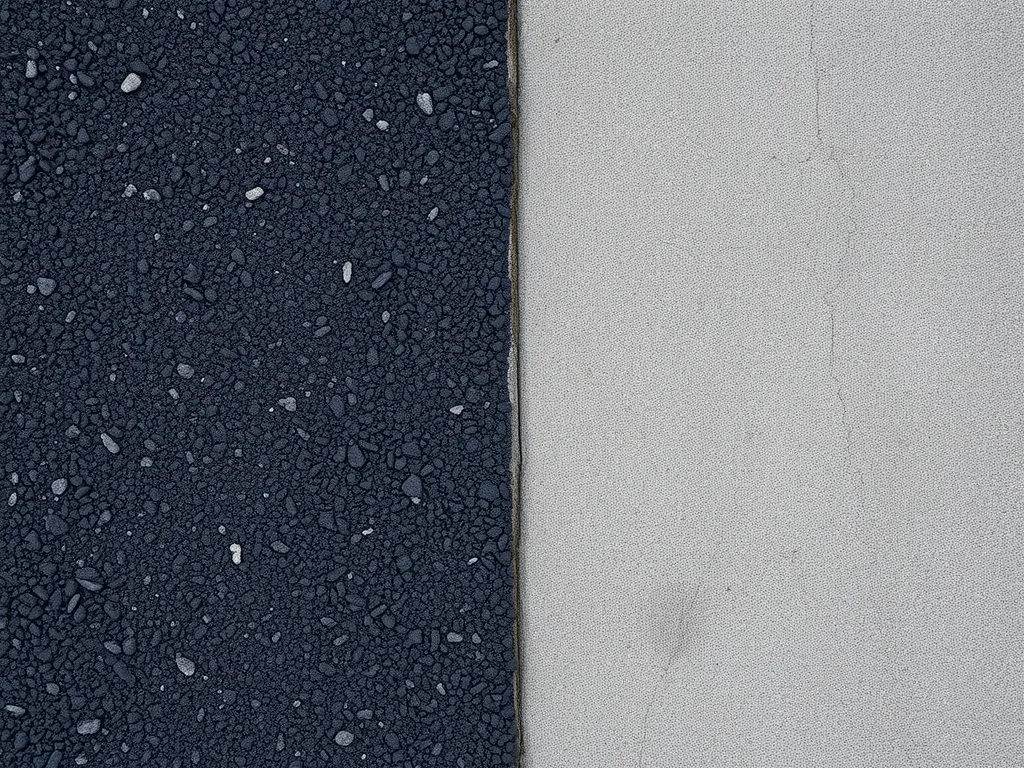
Choosing between asphalt and concrete involves weighing upkeep demands. Both materials need distinct care routines that impact long-term costs and usability.
Asphalt Driveway Maintenance Tips
Asphalt demands proactive care to avoid cracks and surface wear. Key steps:
- Apply coal-tar sealant: Coatings shield against UV rays and water. Costs $0.15-$0.25 per sq.ft. and should happen within 6-12 months post-installation, then again at 3-5 year spans.
- Fix cracks fast: Fill gaps >1/4″ using rubberized crack filler to stop water intrusion. Ignoring this can lead to base layer harm.
- Avoid oil spills: Petroleum products break down bitumen bonds, causing soft spots.
Winter care matters: Limit salt use to stop surface pitting. Opt for sand or kitty litter for traction.
Concrete Driveway Maintenance Challenges
Concrete resists wear but struggles with cracks and stains. Common issues:
- Hairline cracks: Freeze-thaw cycles split slabs. Apply silicone caulk for gaps <1/4". Full-depth cracks may need costly mudjacking ($500-$1,500).
- Stain risks: Oil, leaves, or rust leave marks. Clean spills within 2 hours using trisodium phosphate (TSP) solutions.
- Sealing needs: High-gloss acrylic sealants ($0.20-$0.75 per sq.ft.) must go on every 2-3 years to block moisture.
Salt damage hits hard in cold zones: De-icers corrode surfaces, causing scaling. Alternatives like calcium chloride cost more but cut harm.
How your local weather impacts these tasks plays a big role in long-term satisfaction. Up next: how asphalt and concrete handle hot summers and icy winters.
Also See: Asphalt and Local Weather Patterns: What to Know
Regional Suitability: Climate Considerations
Driveway materials respond differently to weather patterns. Local temperature extremes directly influence performance, maintenance needs, and repair frequency.
Asphalt Performance in Extreme Heat (E.g., Texas)
Surface temperatures on blacktop can reach 160°F in summer. While PG 64-22 binders (common in southern mixes) resist softening up to 120°F, prolonged heat causes gradual deformation under vehicle weight. Driveways in Phoenix or Houston might show tire ruts within 5-7 years without proper slope drainage. Light-colored concrete stays 30-50°F cooler in peak sun but costs 40-60% more upfront. Both materials expand in heat, though concrete’s rigid structure risks cracking without properly spaced control joints.
Concrete Vs Asphalt in Freezing Temperatures
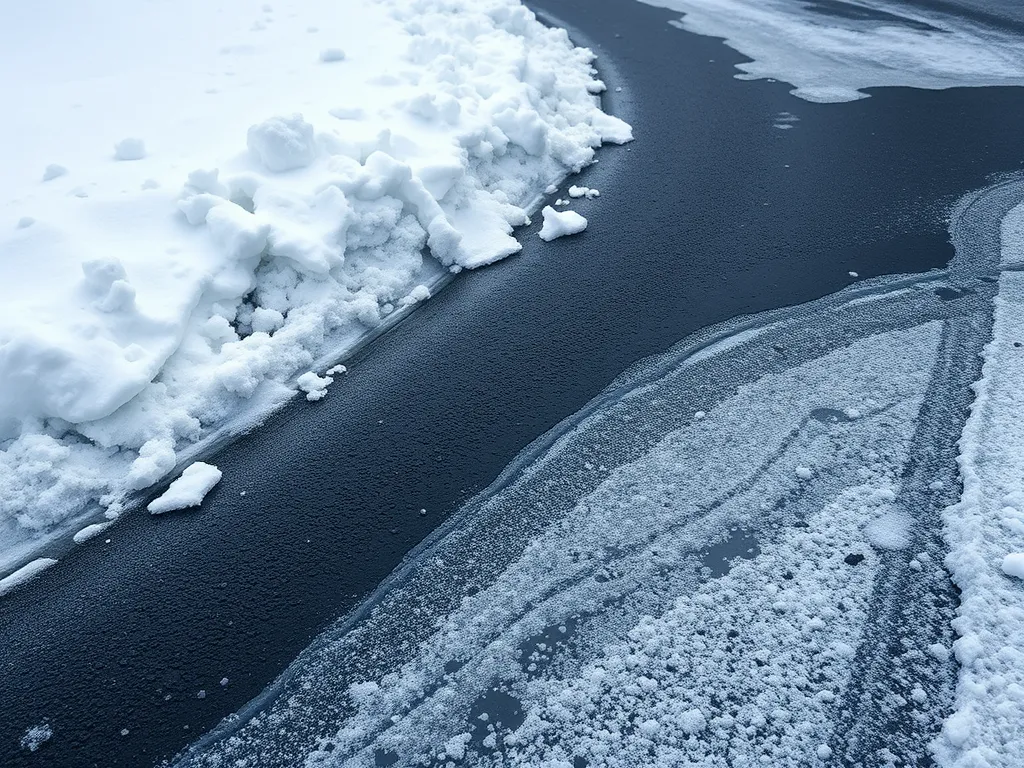
Concrete’s brittleness becomes problematic below 20°F. Freeze-thaw cycles push water into micro-cracks, causing surface scaling or structural fractures. Salt-based deicers speed this damage by 70% according to Purdue University research. Flexible asphalt handles temperature swings better, bending slightly without cracking. Its dark hue speeds snowmelt, reducing ice buildup. Northern states like Minnesota or Maine require 3-5% steeper driveway grades with concrete to prevent water pooling.
Material choice interacts with seasonal demands. Next, we examine how these climate-driven behaviors influence property values during resale.
Resale Value Impact: Asphalt Vs Concrete Driveways
A driveway’s construction material can sway a home’s final selling price. Data from a 2023 National Association of Realtors study shows 68% of buyers rank curb appeal as a top priority – with driveways contributing up to 10% of a property’s first impression.
How Driveway Material Affects Home Valuation
Asphalt driveways typically cost $4-$6 per sq.ft. installed, offering a budget-friendly option that appeals to cost-conscious buyers. A smooth black finish provides visual continuity for traditional suburban homes. Realty data shows asphalt installations can boost sale prices by 2-3% in mid-range housing markets.
Poured concrete driveways run $8-$15 per sq.ft. but yield higher ROI. Stamped or colored installations in upscale neighborhoods can lift property values by 5-7%. A 2022 Michigan State study found homes with decorative concrete sold 9 days faster than asphalt rivals in comparable price brackets.
| Material | Avg. Cost/sq.ft. | ROI Boost | Market Fit |
|---|---|---|---|
| Asphalt | $4-$6 | 2-3% | Mid-range, rural |
| Basic Concrete | $8-$10 | 3-4% | Suburban |
| Decorative Concrete | $12-$15 | 5-7% | Urban, luxury |
Climate plays a role in valuation impacts. Asphalt’s flexibility performs better in frost-prone zones, minimizing crack-related value loss. Concrete’s thermal stability adds appeal in sunbelt states – Arizona homes with cooling aggregate mixes sold for 4.1% above asking price last summer.
Up next: How design options factor into material choice for custom home projects.
Aesthetic Flexibility: Asphalt Vs Concrete Options
Driveway looks shape curb appeal. Both asphalt and concrete offer distinct styles – but with key limits.
Design Limits Of Asphalt Driveways
Asphalt stays black or dark gray. Hot sun softens it, leaving marks from tires or tools. Cold makes cracks show more. While new sealcoats add sheen, color choices stay fixed. Textures stay smooth – no stone or brick looks.
| Asphalt Options | Concrete Options |
|---|---|
| Black/gray only | 30+ color tints |
| Flat surface | Stamped patterns |
| No added decor | Exposed stones |
Decorative Concrete Choices
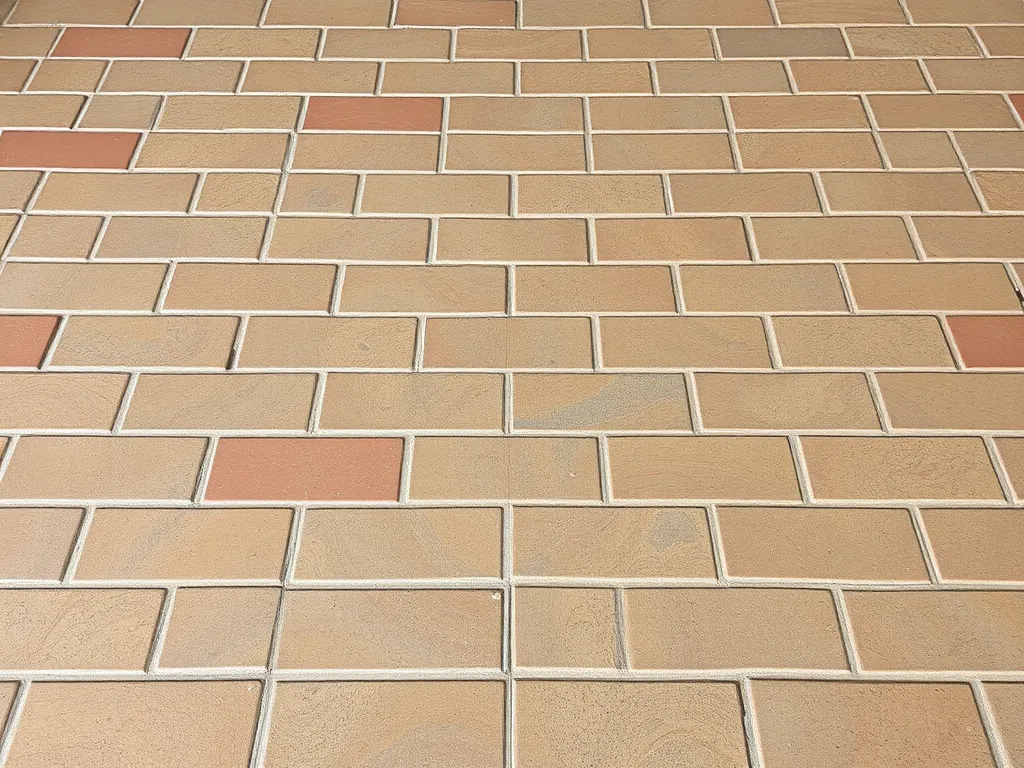
Concrete beats asphalt in looks. Stamped slabs copy brick, slate, or wood planks. Acid stains create marbled swirls. Exposed aggregate shows pebbles for grip and flair. Costs rise 40-60% over plain slabs, but last 25+ years with care.
Asphalt works for basic needs. Concrete shines when looks matter most. Up next: key flaws to weigh before picking blacktop.
Key Disadvantages Of Asphalt Driveways
While asphalt driveways offer lower upfront costs and faster installation, certain drawbacks affect performance in specific conditions. Let’s examine two critical limitations homeowners should weigh when comparing asphalt vs concrete driveways.
Surface Softening in High Heat
Asphalt softens at temperatures above 85°F due to its petroleum-based binder. This can lead to tire marks, rutting from heavy vehicles, or surface deformation during summer peaks. In states like Texas or Arizona, midday heat can push asphalt temperatures past 140°F – enough to temporarily reduce load-bearing capacity by 50%. Modern mixes use PG (Performance Grade) binders rated for local climates, but even PG 76-22 asphalt struggles under prolonged extreme heat. Cooler regions face fewer issues, making material choice highly climate-dependent.
Frequent Sealing Requirements
Asphalt demands resealing every 3-5 years at $0.15-$0.25 per square foot to prevent oxidation and water penetration. Unsealed surfaces develop cracks within 18 months in freeze-thaw zones, requiring patching that adds $3-$5 per linear foot. Comparatively, concrete driveways need minimal sealing – typically once every 5-10 years – though staining remains a separate concern. Over 20 years, cumulative sealing costs for asphalt can add 40% to initial installation expenses, narrowing the price gap with concrete driveway advantages.
Beyond maintenance demands, environmental factors also influence the asphalt vs concrete driveway debate. Let’s explore how each material impacts sustainability…
Environmental Impact Of Driveway Materials
Driveway material choices affect local ecosystems and global carbon footprints. Both asphalt and concrete have distinct environmental trade-offs tied to production methods and end-of-life recyclability.
Asphalt Recycling and Sustainability
Asphalt driveways lead in circular economy practices. The National Asphalt Pavement Association reports 95% of removed asphalt gets recycled into new roads or driveways. This process uses 20% less energy than virgin material production. Recycled asphalt pavement (RAP) mixes old binder with fresh bitumen at 300°F – 50°F lower than concrete curing temps.
- Recycled content: Up to 40% RAP in new asphalt mixes
- Cost benefit: Saves $30-$80 per ton versus new aggregate
- Emission reduction: Lowers CO2 output by 20% per ton recycled
Concrete Production Energy Costs
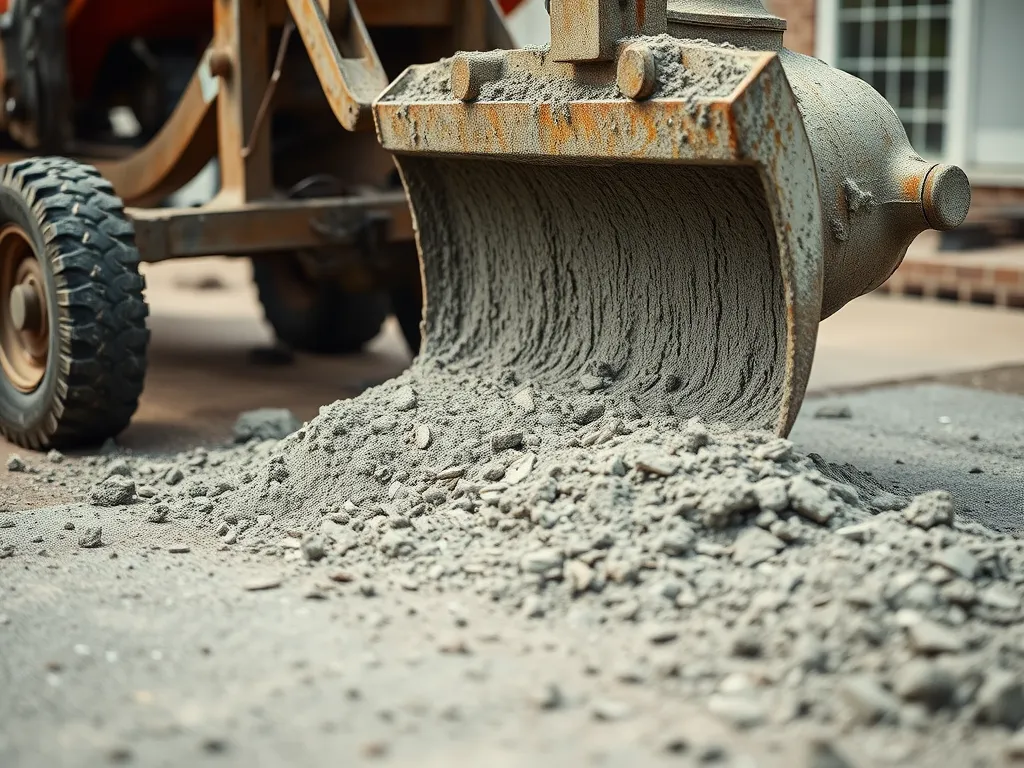
Concrete driveways carry a heavier carbon load at creation. Cement production requires heating limestone to 2,700°F, accounting for 7% of global CO2 emissions. A standard 600 sq ft concrete driveway emits 6-8 tons of CO2 – triple the footprint of asphalt. Some manufacturers use fly ash (coal waste) to replace 15-30% of cement, but availability varies by region.
- Energy use: 4-5 million BTUs per cubic yard of concrete
- Water demand: 150-200 gallons per cubic yard during mixing/curing
- Recycling rate: Only 35% of concrete gets repurposed post-removal
Material selection impacts extend beyond installation. Up next: how driveway surfaces affect home resale values across U.S. markets.
FAQ: Asphalt Vs Concrete Driveways
Which Material is More Eco-friendly?
Asphalt is generally considered more eco-friendly due to its high recycling rate, with approximately 95% of removed asphalt being repurposed for new roads and driveways. Additionally, it uses less energy in production compared to concrete, which has a higher carbon footprint due to the cement manufacturing process.
What is the Best Driveway Material for Hot Climates?
In hot climates, concrete is often the better choice. Asphalt can soften and deform under extreme heat, leading to ruts and tire marks. Concrete remains stable in high temperatures and can be designed with special mixes to mitigate heat absorption.
Can Asphalt Be Repaired Easily?
Yes, asphalt can be repaired relatively easily. Small cracks can be filled with sealant, and larger areas can be patched without needing extensive lifting or replacement, making it a convenient option for maintenance.
Is Concrete Better for Heavy Vehicles?
Yes, concrete is typically superior for heavy vehicles due to its high compressive strength, which can withstand greater loads compared to asphalt. It is less prone to ruts and deformation under the weight of heavy trucks and machinery.
What Are the Color Options for Driveways?
Asphalt driveways are usually available only in black or dark gray, while concrete offers a wide variety of colors and decorative finishes. Homeowners can choose stamped, stained, or exposed aggregate concrete to enhance aesthetic appeal.
How Does Soil Affect Driveway Performance?
Soil stability and drainage are crucial for both materials. Inadequate soil support can lead to cracking in concrete and potholes in asphalt. Proper grading and sub-base preparation are essential for ensuring the longevity of both types of driveways.
Are There Any Health Concerns With Asphalt?
Asphalt does emit volatile organic compounds (VOCs) during its installation and curing process. While the levels are typically low, it’s advisable to use protective gear and allow for proper ventilation during installation to minimize potential exposure.
Can Asphalt Be Used in Cold Climates?
Yes, asphalt can be used in cold climates. It is generally more flexible and better capable of handling freeze-thaw cycles compared to concrete. However, maintenance such as sealing is essential to prevent cracking over time in these conditions.
Closing Thoughts
Deciding between asphalt and concrete for your driveway requires careful consideration of several factors. Asphalt is budget-friendly, quick to install, and performs well in warm climates. On the other hand, concrete offers durability and aesthetic options that appeal to many homeowners.
Think about your local climate, how often you’re willing to maintain your driveway, and your long-term budget. If aesthetics is a priority, decorative concrete might win. But for a lower initial cost and less frequent upkeep, asphalt could be the better option.
Ultimately, each material has its strengths and weaknesses. By assessing your specific needs and preferences, you can make an informed choice that enhances your property and fits your lifestyle.
For more information and to calculate your project costs, visit Asphalt Calculator USA.
Useful References for You:
- Transportation Research Board (TRB, Peer-Reviewed Research & Circulars)
- Asphalt vs. Concrete Driveways: What Are the Differences and Which Is Right for You? | UNIQUE Paving Materials
- Asphalt vs Concrete Driveways: Which is Right for Your Home? (2025) | Today’s Homeowner
- Asphalt vs. Concrete Driveways: Which Is Better for Your Home?
- r/Concrete on Reddit: Would you recommend a concrete driveway or asphalt?