
Is Asphalt Cheaper Than Concrete? A Cost Comparison Guide
Published on: March 6, 2026 | Last Updated: April 14, 2025
Written By: George Voss
Asphalt typically costs 40-50% less than concrete for initial installation, averaging $2-$5 per square foot versus $4-$8 for concrete. This price gap stems from material differences (liquid asphalt vs cement mixtures) and faster installation times. While asphalt requires more frequent maintenance like sealcoating every 3-5 years, its lower upfront costs make it a popular choice for driveways and roads.
This article breaks down key cost factors across both materials. You’ll see detailed price comparisons per square foot, labor expenses, and regional variations. We’ll explore long-term costs like crack repairs for asphalt or concrete resurfacing. Environmental impacts and recyclability rates (99% for asphalt vs 80% for concrete) are also covered. Use these insights to pick the right material for your budget and project needs.
Contents
- Asphalt Vs Concrete Cost Overview
- Asphalt Driveway Cost Breakdown
- Asphalt Vs Concrete for Driveways
- Key Factors Affecting Asphalt Costs
- Hidden Costs in Asphalt Setup
- Long-term Cost Comparison
- Pros and Cons Of Asphalt Driveways
- Environmental Considerations
- FAQ: Asphalt Vs Concrete Costs
- Closing Thoughts
- Additional Resources for You:
Asphalt Vs Concrete Cost Overview
Comparing asphalt and concrete costs requires analyzing initial expenses and long-term value. Both materials serve similar purposes but differ significantly in pricing structures and installation methods.
Initial Material and Installation Costs
Asphalt costs 40-60% less upfront than concrete. Hot mix asphalt (HMA) combines aggregates (95%) and liquid bitumen binder (5%), priced at $2-$5 per square foot installed. Concrete uses Portland cement, sand, and gravel, costing $4-$10 per square foot. Labor impacts both: asphalt crews lay 3-5 inches of material in hours, while concrete requires formwork, finishing, and 7-day curing. A 1,000 sq.ft asphalt driveway averages $3,500 vs $7,000 for concrete.
Price Per Square Foot Comparison
National averages show clear pricing differences:
| Material | Price Range (per sq.ft) | Thickness | Curing Time |
|---|---|---|---|
| Asphalt | $3.00 – $5.50 | 2-3 inches | 24-48 hours |
| Concrete | $5.50 – $10.00 | 4-6 inches | 7 days |
Regional variations affect asphalt vs concrete cost per square foot. Northern states pay 12-18% more for asphalt due to winter mix requirements. Concrete prices jump 20% in coastal areas needing corrosion-resistant reinforcement. Thickness matters: commercial asphalt pavements (8-12 inches) narrow the price gap with concrete.
Next, we’ll break down costs for a typical residential project. How does a 20×20 asphalt driveway compare to concrete in real-world scenarios?
Asphalt Driveway Cost Breakdown
Let’s break down the costs of a typical asphalt drive. You’ll see how each part adds up.
How Much Does a 20×20 Asphalt Driveway Cost?
A 20×20 drive (400 sq.ft.) costs $1,400 to $3,200. This range depends on your area, base work, and mix type.
Material Expenses
Asphalt costs $2.50 to $4.50 per sq.ft. Hot mix asphalt (HMA) is common. It uses stone, sand, and binder. For 400 sq.ft., expect $1,000 to $1,800. Recycled asphalt (RAP) cuts costs by 10-20%.
Labor Charges
Labor runs $1.50 to $3.00 per sq.ft. Crews charge $400 to $1,200 for 400 sq.ft. Prep work like grading or soil tests add $500 to $2,000. Some crews price per ton ($100-$150) if hauling old asphalt.
Up next: How asphalt stacks up against concrete over time. Think cracks, seals, and long-term fixes.
Asphalt Vs Concrete for Driveways
Driveway costs spark heated debates among homeowners. Material choice drives budget plans. Let’s break down the numbers.
Is Asphalt Cheaper Than Concrete for a Driveway?
Asphalt wins on upfront costs. Expect $2.50-$4.50 per sq ft installed. Concrete runs $4-$10 per sq ft. A 20×20 asphalt drive costs $1,000-$1,800. Same size in concrete? $1,600-$4,000.
Why the gap? Asphalt uses cheaper binders (bitumen) and faster installs. Concrete needs pricier cement mixes and longer curing. Asphalt crews lay 3-4” layers in hours. Concrete pours take days to set.
Which Lasts Longer: Asphalt or Concrete?
Concrete outlives asphalt – 30-40 years vs 15-25. But lifespan isn’t the full story. Asphalt needs sealcoating every 3-5 years ($0.15-$0.25 per sq ft). Concrete cracks cost more to fix – $3-$5 per sq ft vs $1-$3 for asphalt patches.
Winter tips the scales. Salt eats concrete. Asphalt handles freeze-thaw cycles better. Cracked asphalt? Heat and compact it. Broken concrete? Full slab replacement.
Price tags shift when you factor in climate, soil type, and traffic. Up next: how thickness and base prep change your asphalt bill.
Also See: Asphalt History in Ancient Civilizations
Key Factors Affecting Asphalt Costs
Asphalt price swings based on three key points. These shape why costs shift from job to job.
Thickness Requirements
Asphalt needs 2-3 inches for driveways. Heavy truck areas need 4+ inches. More depth = more hot mix. Each inch adds $0.50-$1.25 per sq ft. Compare to concrete slabs (4-6 inches thick).
| Thickness | Asphalt Cost/Sq Ft | Concrete Cost/Sq Ft |
|---|---|---|
| 2″ | $2.00-$4.00 | – |
| 4″ | – | $6.00-$10.00 |
Base Preparation Needs
All asphalt needs a packed stone base (6-8 inches). Poor soil? Add 4+ inches of gravel. Base work costs $1.50-$3.00 per sq ft. Skip this step? Cracks form in 1-2 years. Concrete needs similar prep but uses more steel mesh.
Regional Pricing Variations
Where you live changes costs. Hot mix plants charge more in cities. Midwest asphalt runs $80-$110 per ton. West Coast hits $120-$160. Labor rates swing too – $45/hour in Texas vs $75/hour in New York.
| Region | Asphalt/Sq Ft | Concrete/Sq Ft |
|---|---|---|
| South | $2.50-$3.50 | $4.00-$6.00 |
| North | $3.00-$4.50 | $5.00-$8.00 |
While these costs shape your quote, other hidden fees can surprise buyers. Let’s break down what many miss…
Hidden Costs in Asphalt Setup
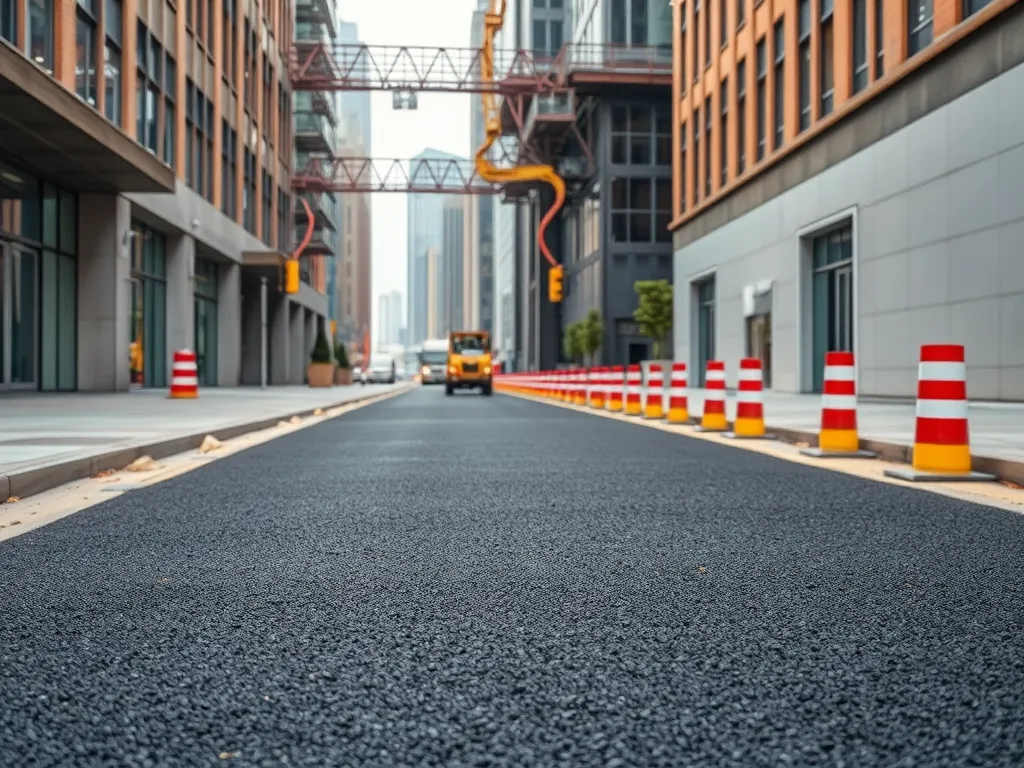
While asphalt beats concrete in first costs, some fees pop up late. Two big ones? Drain plans and dry time delays. These can hike your bill if not planned right.
Drain Plans
Asphalt needs smart water flow. Poor drain paths cause cracks, dips, or base rot. Fixes? Add a stone base ($1.50-$3/sq ft) or grade the soil. Steep slopes may need French drains ($3-$8/sq ft). These steps guard your pave job but add 10-15% to the base cost.
Dry Time Impacts
Fresh asphalt takes 24-72 hours to cure. No cars, no rain, temps above 50°F. Cold days? Dry time drags, which can mean more crew days ($75-$150/hr). Rush the cure? You risk dents or weak spots that need patching ($100-$400 per fix).
These hidden fees shape the full cost story. Next, we’ll break down how asphalt and concrete stack up over time.
Long-term Cost Comparison
Upfront costs tell part of the story. The real test comes from years of use. Let’s break down what happens after the trucks leave.
Maintenance Costs: Asphalt Vs Concrete
Asphalt needs seal coat every 3-5 years ($0.15-$0.25 per sq ft). Concrete requires less care but costs more when work hits. A power wash for stained concrete runs $0.20-$0.50 per sq ft. Salt damage? Fixing spalled concrete costs 2x asphalt repairs.
- Asphalt: Crack fillers ($1-$3 per lb) vs concrete epoxy ($10-$20 per kit)
- Concrete: Joint resealing ($1-$3 per linear foot) every 2-5 years
Repair Frequency and Expenses
Asphalt sees more small fixes. Concrete faces fewer but bigger bills. Frost heaves crack 30% more concrete slabs than asphalt in freeze zones. Oil stains? 80% of asphalt stains fade; concrete stains often need grinding ($2-$4 per sq ft).
- Average asphalt repair: $2-$5 per sq ft (spot fixes)
- Typical concrete repair: $8-$15 per sq ft (full slab replacement)
While both need upkeep, asphalt wins on repair speed. Crews can patch a hole in 2 hours vs 2 days for concrete cure time. But what defines true value? Let’s weigh the pros and cons…
Pros and Cons Of Asphalt Driveways
Asphalt’s cost advantage against concrete comes with trade-offs. Both materials show distinct traits impacting budgets and functionality.
Advantages Of Choosing Asphalt
Asphalt typically costs 40-60% less upfront than concrete. A standard mix with PG binders (performance-graded asphalt binders) balances affordability with weather resistance. Key benefits:
- Lower installation costs: $3-$7 per sq. ft. vs. $6-$15 for concrete
- Faster installation: Drive-ready in 24-48 hours vs. 7 days for concrete curing
- Simpler repairs: Patching potholes costs $100-$300 vs. $500+ for concrete slab replacement
- Cold-climate flexibility: Handles freeze-thaw cycles with minimal cracking
Disadvantages Of Asphalt Surfaces
While asphalt wins on initial pricing, long-term costs shift the math. Common drawbacks:
- Frequent maintenance: Needs sealcoating every 3-5 years ($0.15-$0.25 per sq. ft.)
- Shorter lifespan: Lasts 15-20 years vs. 30+ years for properly maintained concrete
- Heat sensitivity: Softens at 120°F+, risking tire ruts in hot climates
- Limited design options: Gray-black color range vs. concrete’s stamped/colored finishes
Upfront savings make asphalt appealing, but climate and usage patterns tilt cost outcomes. For those weighing asphalt vs concrete pricing, long-term factors like repair frequency and material longevity matter as much as installation quotes. Next, let’s analyze how asphalt’s environmental traits influence total project costs.
Environmental Considerations
While initial costs dominate most paving decisions, environmental factors directly influence long-term pricing. Material choices impact recycling potential, energy use, and lifecycle expenses.
Recyclability Of Asphalt
Asphalt leads in circular economy practices. Over 95 million tons get recycled annually in U.S. road projects. Recycled asphalt pavement (RAP) replaces up to 30% of new material in mixes, trimming $2-$5 per ton in raw aggregate costs. Concrete recycling rates lag below 50%, requiring more virgin materials.
- 100% reusable: Old asphalt gets reheated for repaving
- RAP cuts landfill fees by $15-$30 per ton
- No downgrading: Recycled asphalt performs like new
Energy Consumption in Production
Asphalt plants operate at 300°F versus concrete’s 3,000°F kilns. This 90% lower heating demand slashes fuel needs. Warm-mix asphalt tech reduces energy use by 20%, saving $0.50-$1.25 per square foot. Concrete’s carbon-intensive curing process adds $3-$7 per cubic yard in hidden energy costs.
- Asphalt: 2,500-3,500 BTU per ton produced
- Concrete: 4,000-5,500 BTU per ton produced
These eco-advantages position asphalt as the thriftier choice when weighing lifetime expenses. Next, we’ll analyze how maintenance frequency affects your wallet.
FAQ: Asphalt Vs Concrete Costs
What’s Cheaper: Asphalt or Concrete?
Asphalt is generally cheaper than concrete, costing about 40-60% less for initial installation. Average asphalt pricing ranges from $2 to $5 per square foot, while concrete ranges from $4 to $10 per square foot.
Is Asphalt Maintenance More Affordable?
Yes, maintenance for asphalt is typically more affordable compared to concrete. Asphalt requires sealcoating every 3-5 years at a cost of $0.15 to $0.25 per square foot, while concrete repairs like joint resealing can be more costly and complex.
How Do Long-term Costs Compare Between Asphalt and Concrete?
In the long run, concrete tends to incur higher repair costs due to its longer lifespan but also more expensive repair needs. While asphalt may require more frequent maintenance, the lower repair costs balance out its overall expenditure over time.
Are There Any Regional Price Differences for Asphalt and Concrete?
Yes, regional price variations can significantly impact the costs of both asphalt and concrete. For instance, certain areas may charge higher rates for materials and labor based on local demand and climate conditions.
Is There a Significant Difference in Installation Time Between Asphalt and Concrete?
Yes, asphalt installation is faster than concrete. Asphalt driveways can usually be completed and ready to use within 24-48 hours, while concrete may require up to a week for curing.
Which Material is Better in Cold Climates: Asphalt or Concrete?
Asphalt performs better in cold climates as it can handle freeze-thaw cycles more effectively than concrete, which can crack under similar conditions. Additionally, asphalt is less prone to damage from road salt, which can degrade concrete surfaces.
What Are the Environmental Benefits Of Asphalt Vs Concrete?
Asphalt is highly recyclable, with rates exceeding 90%, while concrete recycling rates are lower. Additionally, asphalt production is more energy-efficient, producing less carbon emissions compared to concrete production.
Closing Thoughts
When choosing between asphalt and concrete, cost is a significant factor. Asphalt generally offers lower initial material and installation costs, making it the budget-friendly option for many homeowners. Additionally, with proper maintenance, asphalt can last several years, providing long-term savings compared to concrete.
While both materials have their pros and cons, asphalt’s advantages often weigh in favor of affordability. Lower upkeep costs and quicker installation times amplify its appeal. On the other hand, the potential for hidden costs, such as drainage needs and curing times, should be considered.
To make an informed decision, consider the specific needs of your project, including local pricing variations and long-term maintenance expectations. For further insights and detailed cost calculations, check out Asphalt Calculator USA.
Additional Resources for You:
- The Asphalt Institute. (2007). MS-4: The Asphalt Handbook. Lexington, KY: Asphalt Institute.
- My cement driveway is 24 years old and crumbing. Is it cheaper to replace it with cement or asphalt? – Quora
- Asphalt vs. Concrete Driveway: Which Should You Choose? | Angi
- Is Asphalt Cheaper than Concrete? | U.S. Pave
- r/Concrete on Reddit: Would you recommend a concrete driveway or asphalt?

