Is Asphalt Better Than Concrete?
Published on: March 5, 2026 | Last Updated: April 14, 2025
Written By: George Voss
Asphalt generally beats concrete for roads and driveways due to lower costs, faster installation, and easier repairs. Both materials use stone aggregates, but asphalt binds them with bitumen (a petroleum product), while concrete uses cement. Asphalt costs $3-$5 per square foot installed versus concrete’s $6-$10. It handles freeze-thaw cycles better, needs resealing every 3-5 years, and gets recycled at a 95% rate. Concrete lasts longer (30-50 years vs asphalt’s 15-30) but cracks harder to fix and creates 8% of global CO2 emissions.
This article compares asphalt and concrete head-to-head. We’ll break down durability tests, climate performance data, and real-world costs per linear foot. You’ll see how asphalt’s flexibility helps in cold climates versus concrete’s rigid strength. We’ll dig into maintenance routines, crack repair methods, and environmental impacts like urban heat absorption. By the end, you’ll know exactly when to choose hot-mix asphalt or Portland cement concrete for your project.
Contents
Asphalt Vs Concrete: Key Differences
Selecting between these two materials requires weighing performance metrics. Let’s break down core factors influencing this choice.
Durability Comparison
Concrete typically lasts 30-40 years versus asphalt’s 15-20-year lifespan. The rigid structure of concrete resists deformation but cracks under ground shifts. Asphalt’s flexible bitumen binder handles minor settling better. Freeze-thaw cycles split concrete slabs while asphalt’s elasticity minimizes winter damage.
Cost Of Installation and Long-term Expenses
New asphalt runs $3-$5 per square foot installed, nearly half concrete’s $6-$10 range. Budget-conscious projects favor asphalt upfront. Yet concrete’s longevity lowers lifetime costs. Asphalt demands sealcoating every 3-5 years ($0.15-$0.25 per sq ft), while concrete may need joint repairs ($500-$1,500) or resurfacing after 15 years.
Climate Performance (Heat, Cold, and Moisture)
Asphalt absorbs 85-90% of sunlight, softening in extreme heat. Concrete reflects 30-50% of solar radiation, staying cooler. In subzero temps, asphalt’s flexibility prevents cracks from expanding. Concrete’s porous surface lets moisture seep in, worsening freeze-thaw damage. Coastal regions with salt spray see faster concrete erosion versus asphalt’s bitumen resistance.
Maintenance Requirements
Asphalt needs yearly crack sealing and bi-decade overlays. Repairs take hours: fill potholes with hot mix, compact, and seal. Concrete requires grinding uneven slabs or injecting epoxy into cracks. Stains from oil or leaves mar concrete’s appearance unless pressure-washed. Both materials degrade without care, but asphalt fixes cost 40-60% less per incident.
Next, let’s examine specific benefits and drawbacks of each material for different applications.
Pros and Cons Of Asphalt
Weighing asphalt vs concrete requires examining performance, costs, and limitations. Let’s break down key strengths and weaknesses of asphalt surfaces.
Advantages Of Asphalt Driveways/roads
Asphalt costs $3-$7 per square foot installed, 30-40% less than concrete. It cures in 48 hours versus concrete’s 7-day setting time. The flexible nature of asphalt cement (bitumen mixed with aggregates) handles freeze-thaw cycles better in cold climates. Modern mixes like polymer-modified asphalt or porous asphalt improve drainage, reducing hydroplaning risks.
Maintenance is straightforward: sealcoating every 3-5 years at $0.15-$0.25 per square foot extends pavement life. Recycled asphalt (RAP) contains 20-30% reused materials, lowering environmental impact. Over 95% of asphalt gets recycled versus 60% for concrete.
Disadvantages Of Asphalt Surfaces
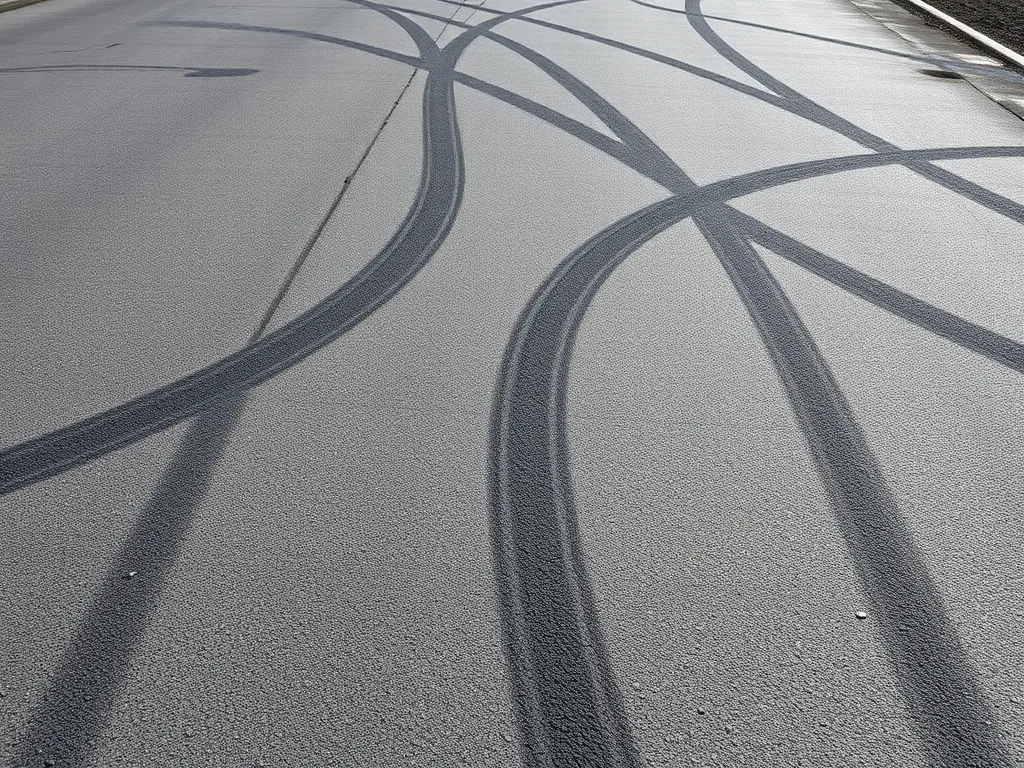
Asphalt lasts 15-25 years – 10-15 years less than concrete. High summer heat softens surfaces, leaving tire marks or ruts. UV exposure fades the black color to gray without regular sealants. Fuel or oil spills stain asphalt permanently if untreated within 24 hours.
Winter maintenance requires careful de-icing. Rock salt accelerates asphalt deterioration, increasing crack risks. Frequent sealcoating and crack filling add $500-$1,000 per decade in upkeep costs for driveways.
Next, we’ll examine concrete’s benefits and drawbacks to complete the asphalt vs concrete comparison.
Pros and Cons Of Concrete
Concrete remains a popular surfacing choice for driveways, roads, and infrastructure. But how does it stack up against asphalt? Let’s break down its strengths and weaknesses.
Advantages Of Concrete Driveways/roads
Concrete offers high compressive strength, typically ranging from 3,000 to 4,000 PSI. This makes it ideal for heavy loads like trucks or RVs. With proper installation, concrete lasts 30-50 years – nearly double the lifespan of untreated asphalt. Its light-reflective surface stays cooler in hot climates, reducing heat absorption by up to 35% compared to dark asphalt. Modern mixes allow stamped patterns or colored finishes, boosting curb appeal without yearly resealing. Installation costs average $6-$15 per square foot, depending on decorative elements.
| Feature | Concrete | Asphalt |
|---|---|---|
| Lifespan (years) | 30-50 | 15-30 |
| Heat Resistance | Superior | Moderate |
| Install Cost (per sq.ft.) | $6-$15 | $3-$7 |
Disadvantages Of Concrete Surfaces
Concrete cracks under extreme temperature shifts, requiring expansion joints to manage movement. Repairs often stand out due to color mismatches, forcing full-section replacements costing $8-$12 per square foot. Freeze-thaw cycles in cold regions cause surface spalling (flaking), creating tripping hazards. Curing takes 7 days minimum – triple asphalt’s setup time – delaying project completion. Stains from oil or tire marks persist without professional cleaning. Cement production generates 8% of global CO2 emissions, though recycled fly ash can offset this.
While concrete excels in longevity and heat resistance, these limitations matter for budget-conscious or time-sensitive projects. Next, let’s compare how both materials perform specifically in driveway installations.
Also See: Cold Mix Asphalt for Maintenance Of Unpaved Roads
Asphalt Vs Concrete Driveways
Driveway material choices often boil down to asphalt vs concrete. Each has trade-offs in longevity, upkeep, and climate response. Let’s break down key factors homeowners weigh.
Lifespan Comparison
Concrete outlasts asphalt under ideal conditions. A properly installed concrete driveway typically lasts 30-50 years versus asphalt’s 20-30 years. But asphalt’s shorter lifespan comes with a caveat: regular seal-coating every 3-5 years extends its durability. Concrete degrades faster without expansion joints in freeze-prone zones, while UV rays can fade asphalt’s dark hue over time.
Repair Complexity and Frequency
Asphalt wins for easier fixes. Filling cracks costs $1-$3 per linear foot compared to concrete’s $5-$10. Pothole patching takes minutes with hot-mix asphalt, while spalled concrete requires saw-cutting slabs. Annual asphalt maintenance averages $0.25-$0.50 per square foot versus concrete’s $0.30-$1.00. One trade-off: asphalt needs more frequent touch-ups to prevent water intrusion.
Winter Performance: Freeze-thaw Resistance
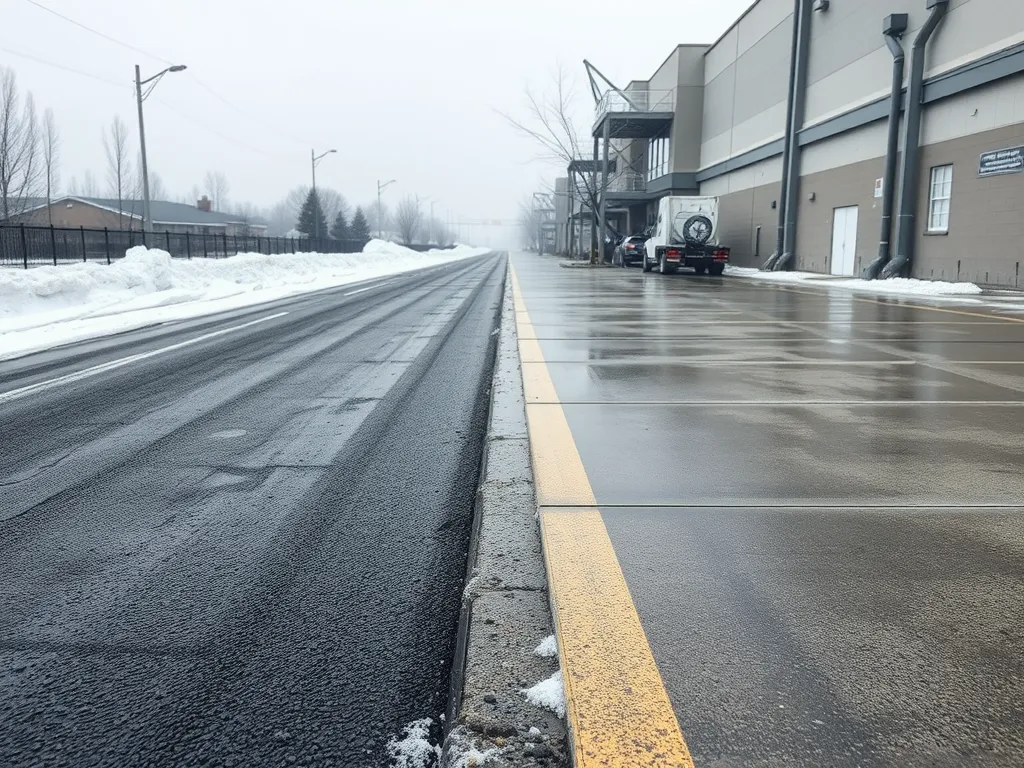
Asphalt’s flexibility handles freeze cycles better. Its PG (Performance-Graded) binders expand/contract without cracking at temps as low as -40°F. Concrete’s rigid structure often cracks when trapped water freezes, though air-entrained mixes (4-7% tiny air pockets) improve resistance. Asphalt’s black surface melts snow 20-30% faster, reducing ice buildup. Salt deicers damage concrete’s surface but don’t harm asphalt.
Up next: A detailed look at how these materials stack up dollar-for-dollar over 20 years.
Cost Analysis: Asphalt Vs Concrete
Financial factors play a vital role in choosing paving materials. Both options carry distinct pricing structures impacting short-term budgets and long-term fiscal planning.
Initial Installation Costs
Asphalt typically costs $2-$5 per sq ft for installation, while concrete runs $4-$10 per sq ft. This 50-100% price gap stems from material composition and labor intensity. Asphalt’s hot-mix process allows rapid installation (1-2 days for driveways), cutting labor hours. Concrete demands formwork setup, prolonged curing (5-7 days), and finishing work – all adding to upfront costs.
Long-term Maintenance Expenses
Asphalt needs sealcoating every 3-5 years ($0.15-$0.25 per sq ft) and crack sealing. Concrete requires joint repairs and occasional pressure washing to prevent staining. Annual asphalt upkeep averages $0.25-$0.50 per sq ft versus $0.20-$0.40 for concrete. But asphalt’s frequent maintenance cycles offset its lower individual service costs.
Resurfacing and Replacement Costs
Asphalt driveways can be resurfaced ($1-$3 per sq ft) instead of fully replaced, often lasting 15+ years with proper care. Full asphalt removal/replacement costs $3-$7 per sq ft. Concrete slab replacements run $6-$15 per sq ft due to demolition complexity and material weight. Many asphalt surfaces undergo 2-3 resurfacing cycles before needing total replacement.
While asphalt dominates in upfront affordability, its true fiscal impact unfolds across decades. Up next: situations where this material outshines its rival in functionality.
Best Applications for Asphalt
Asphalt outperforms concrete in specific scenarios due to its flexibility, faster installation, and lower upfront costs. These traits make it ideal for high-traffic areas and projects needing quick turnaround. Let’s break down where asphalt shines.
Residential Driveways
Asphalt dominates 85% of U.S. driveways, costing $3-$5 per square foot versus concrete’s $6-$10. Its dark hue melts snow faster, reducing ice buildup in colder regions. Cracks in asphalt driveways can be sealed for $1-$3 per linear foot, while concrete often requires full slab replacement at $8-$12 per square foot. The material’s flexibility also minimizes frost heave damage common in freeze-thaw cycles.
Commercial Parking Lots
90% of U.S. parking lots use asphalt due to rapid installation – crews can lay 10,000+ square feet daily. Heavy truck traffic causes less rutting compared to rigid concrete slabs. Pothole repairs take under 2 hours with infrared asphalt patching, keeping businesses operational. Commercial asphalt mixes contain 50-75% recycled material, cutting costs by 20-30% over new concrete pours.
Road Construction Projects
Asphalt covers 94% of U.S. paved roads, partly due to its 8-12 hour curing time versus concrete’s 7-day set period. Highway crews can mill and overlay asphalt lanes overnight, reducing traffic disruptions. Modern Superpave mixes (performance-graded binders) handle 18,000+ trucks daily without rutting. PG 76-22 asphalt resists deformation even at 130°F pavement temperatures.
While asphalt excels in these areas, material choice also impacts ecosystems. The next section examines how asphalt and concrete compare in sustainability metrics like recyclability and heat retention.
Environmental Considerations
Both asphalt and concrete impact the planet. Let’s break down key factors.
Recycling Asphalt
Asphalt leads in reuse. Up to 95% of old asphalt gets reused in new roads or driveways. This mix (called RAP) cuts need for new rock and bitumen. It saves $3-$10 per ton vs new asphalt. Concrete can be crushed for fill, but only 30-50% gets reused. Asphalt reuse lowers waste and costs.
Concrete Making and CO2
Making concrete emits more CO2. Cement (a main part of concrete) creates 8% of global CO2. One ton of cement emits 900 kg of CO2. Asphalt needs less heat to make (300°F vs 1500°F for cement). This cuts fuel use by half. Asphalt plants also trap fumes, lowering air harm.
Heat in Cities
Black asphalt soaks up heat. On hot days, it can hit 120°F—15°F hotter than concrete. This raises city temps and AC use. Light concrete reflects more sun but cracks in heat. New “cool” asphalt mixes use lighter stones or coatings to reflect 30% more heat. Both options have trade-offs for urban planning.
Up next: Answers to top questions about picking asphalt or concrete.
Frequently Asked Questions
What is the Environmental Impact Of Asphalt Compared to Concrete?
Asphalt has a lower environmental impact when it comes to recyclability, as around 95% of reclaimed asphalt can be reused. In contrast, concrete only allows for about 30-50% of its material to be recycled effectively. Additionally, the production of concrete leads to higher CO2 emissions compared to asphalt manufacturing.
How Does Asphalt Perform in Hot Weather Compared to Concrete?
Asphalt tends to absorb more heat and can soften in extreme temperatures, which may lead to ruts and marks from tires. Conversely, concrete has a reflective surface that stays cooler, reducing heat absorption by up to 35% compared to asphalt. Therefore, in hot climates, concrete may be the better option for maintaining surface integrity.
Can You Install Asphalt Over Concrete?
Yes, asphalt can be installed over concrete surfaces. This process generally involves some preparation to ensure proper adhesion and to create a reliable foundation. However, it is important to assess the existing concrete’s condition, as major cracks or damage may need repair before overlaying asphalt.
What is the Best Choice for a DIY Project: Asphalt or Concrete?
For DIY projects, asphalt can be more accessible due to its quicker installation and easier handling. However, proper equipment and technique are essential for a successful asphalt application. Concrete can be more challenging because of the setup time required for forms and the precision needed during mixing and pouring. Evaluating your skill level and resources will help determine which material is more suitable for your DIY project.
Which Material is Better for Drainage: Asphalt or Concrete?
Asphalt typically offers better drainage options, especially when using porous asphalt mixes designed for water permeability. This helps reduce surface runoff and allows water to drain directly through the pavement. Concrete can also be designed for drainage but usually requires specific treatments or designs to achieve similar permeability.
Closing Thoughts
Choosing between asphalt and concrete depends on various factors including cost, climate, and intended use. Asphalt generally offers lower installation costs and easier repairs, making it ideal for residential driveways and commercial parking lots. Its recyclability also benefits the environment, providing an edge in sustainability.
On the other hand, concrete excels in longevity and is often favored for heavy-duty applications due to its durable nature. While it may have higher initial costs, its lifespan can justify the investment in certain cases.
Your decision may ultimately hinge on specific needs, budget constraints, and environmental considerations. For more detailed insights and calculations, check out Asphalt Calculator USA.
Additional Resources for You:
- Huang, Y. H. (2004). Pavement Analysis and Design (2nd ed.). Upper Saddle River, NJ: Pearson/Prentice Hall.
- How can asphalt be a better running surface than concrete? – Quora
- Asphalt Pavement vs. Concrete – Which One Should You Choose?
- Asphalt vs. Concrete Driveway: Which is Better? | CMI Paving
- Asphalt vs. Concrete, Which is Better? – New England Sealcoating