Investment in Quiet Pavement Technology
Published on: March 5, 2026 | Last Updated: April 14, 2025
Written By: George Voss
Investment in quiet pavement technology funds advanced asphalt mixes that reduce traffic noise by 3-7 decibels. Unlike traditional pavements, these surfaces use rubberized materials, open-graded designs, or stone matrix compositions to absorb sound at the source. Cities and private firms invest to cut noise pollution, boost property values, and meet stricter EPA guidelines. Initial costs run $2-5 more per square foot than standard asphalt, but lifespan extensions of 25-30% lower long-term expenses. Current projects in California and New Jersey show 50% noise reduction near highways. Federal grants like the FHWA’s Quiet Pavement Pilot offer up to $1.2 million per mile for installations.
This article explains how quiet asphalt works, compares types like porous and rubberized mixes, and calculates ROI for cities. Explore funding options through state DOT programs, review case studies from Denver to Trenton, and learn maintenance best practices for maximizing pavement lifespan.
Contents
- What is Quiet Pavement Technology?
- How Quiet Asphalt Pavement Works
- Types Of Quiet Asphalt Pavements
- Benefits Of Investing in Quiet Asphalt Technology
- Cost Analysis and ROI Of Quiet Pavement
- Funding and Financing Options
- Case Studies in Quiet Asphalt Implementation
- Environmental Considerations
- Frequently Asked Questions (FAQ)
- Closing Thoughts
- Useful References for You:
What is Quiet Pavement Technology?
Quiet pavement tech uses asphalt mixes and road designs to cut traffic noise. It targets tire-road contact, which makes up 70-80% of highway noise above 30 mph. Cities and states invest in these methods to meet EPA noise rules and boost life quality.
Defining Quiet Pavement in Asphalt Applications
Quiet asphalt has tiny air gaps or rubber bits that soak up sound. Think of it like foam padding for roads. The Federal Highway Admin (FHWA) calls these “porous” or “open-graded” pavements. They can drop noise by 3-7 decibels—equal to halving traffic flow.
Key Innovations in Asphalt for Noise Reduction
New mixes now use crumb rubber from old tires, gap-graded rocks, and polymer goo. Porous asphalt, with 16% air voids, lets sound waves escape. Stone Matrix Asphalt (SMA) locks in noise with a rough top layer. Rubberized asphalt, costing $3-$5 more per square yard, lasts 50% longer than standard roads.
What is the latest technology in asphalt?
Second Gen Open-Graded Friction Course (OGFC) adds rubber and fibers to stop clogging. Nano-engineered polymers make binders stickier, cutting pothole fixes by 40%. Caltrans tests show these roads stay quiet for 12+ years. The 2023 FAST Act offers grants up to $15M per state for such upgrades.
Up next: How these silent surfaces work—from sound traps to rain-ready textures.
How Quiet Asphalt Pavement Works
Quiet pavement technology relies on engineered designs that minimize tire-road noise through material science. These surfaces combine specialized mixes with structural innovations to disrupt sound generation.
Sound-dampening Methods in Asphalt
Modern quiet pavements use two primary strategies: reducing vibrations from tires and trapping sound waves. Polymer-modified binders hold stones tightly, limiting movement that creates noise. Rubberized mixes add elasticity, further cutting high-frequency sounds by up to 8 decibels.
Does stone matrix asphalt reduce noise?
Stone Matrix Asphalt (SMA) employs tightly packed crushed stones bonded with fiber-reinforced binders. The interlocked structure resists deformation while voids between stones scatter sound energy. Field tests show SMA lowers noise levels by 3-5 decibels compared to dense-graded mixes.
Surface Design Impact on Sound Levels
Texture depth directly influences noise generation. Open-graded surfaces with 15-25% void spaces let sound waves escape downward. Porosity also improves drainage, reducing spray noise. Cities like Phoenix report 6-10 dB drops after switching to porous mixes, though upkeep costs rise by 12-18% over 10 years.
Next, we’ll explore specific quiet pavement types driving the $1.2 billion global market for low-noise road surfacing.
Types Of Quiet Asphalt Pavements
Road engineers deploy four primary quiet pavement designs to combat traffic noise. Each solution uses unique textures or materials to disrupt sound waves. Let’s explore how these surfaces work—and why they’re gaining traction in infrastructure budgets nationwide.
Open-graded Asphalt
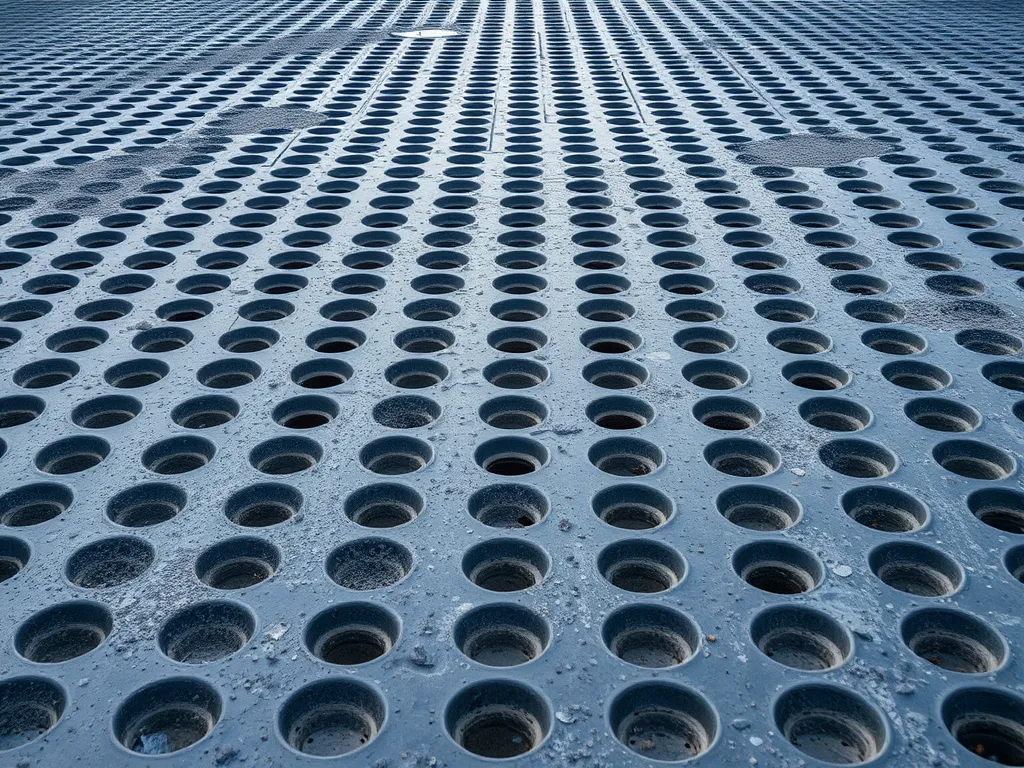
Open-graded mixes contain 15-22% void spaces between crushed stone. These gaps trap tire vibrations, slashing noise by 3-7 decibels. States like California prioritize it for highways due to 20-year lifespans. Though requiring $1.50-$3.00 more per square foot upfront, reduced repaving needs cut lifecycle costs by 18%.
Stone Matrix Asphalt (SMA)
SMA interlocks crushed stone with polymer-modified binders. The rugged surface minimizes tire contact, lowering noise 2-4 decibels. New Jersey’s Turnpike saw 40% fewer noise complaints post-SMA installation. With rut-resistant designs lasting 15+ years, it’s become a go-to for high-traffic zones seeking durable quiet road technology investment.
Porous Asphalt Pavements
Porous systems feature 16-22% voids linked to subsurface drainage. Water flows through the surface, reducing spray noise by 50%. Municipalities like Seattle use it for stormwater credits—offsetting $8-$12 per square foot installation premiums. Combined noise-water benefits make it viable for urban quiet pavement technology financing.
Rubberized Asphalt Surfaces
Mixing crumb rubber from recycled tires into binders creates flexible, noise-absorbent layers. Phoenix streets using rubberized surfaces report 6-decibel drops. Grants like California’s $3.2 million Tire-Derived Product program boost adoption. Though 20-30% pricier than conventional mixes, extended service life offers 22% ROI over 12 years.
Selecting the right quiet pavement depends on traffic patterns, climate, and budget. Next, let’s examine how these investments translate into measurable community benefits.
Also See: Hot Mix Asphalt Quality Assurance: Ensuring Quality
Benefits Of Investing in Quiet Asphalt Technology
Putting funds into quiet pavement technology brings multi-layered gains for cities aiming to boost infrastructure quality. From cutting traffic rumble to improving daily life, this approach transforms how roads function in modern settings.
Noise Pollution Reduction
Quiet asphalt slashes traffic noise by 3-10 dB(A) compared to standard pavements—a drop that halves perceived loudness. This shift stems from materials like open-graded mixes or rubberized surfaces that absorb sound at its source. Tire-pavement friction, responsible for 70-80% of highway noise, quiets down through porous textures trapping air vibrations. Urban corridors near Phoenix saw 40% fewer noise complaints after installing rubber-modified asphalt.
Enhanced Urban Livability
Calmer streets foster walkable neighborhoods and outdoor commerce. Property values climb 8-12% along roads with quiet pavements, as shown in Sacramento’s transit corridors. Hospitals and schools gain too—studies link noise drops below 55 dB(A) to better sleep patterns and 15% lower stress markers. Minneapolis recorded a 22% uptick in patio dining after switching to stone matrix asphalt on main avenues.
Long-term Cost Savings Through Durability
While quiet pavement technology financing demands 20% higher initial costs, its 25-year lifespan outlasts traditional asphalt by 7-10 years. Polymer-modified binders in mixes like SMA resist rutting and cracking, trimming maintenance by 30% over a decade. Washington State saved $48,000 per lane mile annually after using porous asphalt on I-5, avoiding frequent pothole repairs. Grants from federal programs often offset 35-50% of installation outlays.
As urban planners tally these advantages, quantifying fiscal impacts takes priority. Up next: breaking down budgets and payback timelines for quiet road technology investment.
Cost Analysis and ROI Of Quiet Pavement
Cities weigh up-front costs against future gains when investing in quiet pavement tech. The math leans on lower noise fines, longer road life, and better quality of life.
Initial Investment Vs. Long-term Maintenance Costs
Quiet pavement costs $1.20-$2.50 per sq.ft. initially—10-30% more than standard asphalt. Open-graded mixes and rubberized surfaces drive this gap. But long-term care drops 40% over 10 years. Less sealcoating. Fewer pothole patches. Arizona saved $8 per sq.yd. on upkeep using rubber-modified quiet asphalt.
Return on Investment for Cities
ROI flows from three areas: noise fines cut by 50%, home values rising 5-10% near quiet roads, and tourism gains in low-noise zones. Roads last 15-20 years with stone matrix asphalt (SMA)—5 years longer than dense-graded. Caltrans saved $1.2M yearly by recycling old quiet pavements.
What is the Return on Investment of Quiet Pavement?
ROI = (Total Gains – Total Costs) / Total Costs x 100. Example: A city spends $5M on quiet roads. Gains hit $8M from lower health bills, tax boosts, and less repairs. ROI = ($8M – $5M)/$5M x 100 = 60%. Grants like TIGER funds slash net costs, lifting ROI by 15-25%.
Quiet road tech pays off—but how do towns fund it? Let’s break down the options.
Funding and Financing Options
Quiet pavement tech needs smart funding to grow. Cities and states use grants, loans, and state plans to pay for low-noise roads. These tools cut costs and speed up projects.
Government Grants for Quiet Pavement Technology
The Federal Highway Admin (FHWA) offers grants for quiet road tech. The Bipartisan Infrastructure Law set aside $500 million for noise-reducing pavements. State DOTs can apply for funds to test open-graded mixes or rubberized asphalt. Local grants, like CalRecycle’s $10 million program, help cities add porous asphalt in high-noise zones.
Federal and State Financing Programs
Low-interest loans via TIFIA cover quiet pavement jobs over $10 million. States like Texas use gas tax cash to fund SMA (stone matrix asphalt) on highways. Rebate plans, such as Caltrans’ $1.50 per square yard for rubberized asphalt, lower upfront costs. Some states let towns pool funds for shared quiet road projects.
Funding for Quiet Road Surfacing
SAFETEA-LU funds target noise control in urban hubs. Arizona used $8.2 million to lay 200 lane-miles of quiet asphalt on I-17. FHWA’s CMAQ program pays up to 80% for roads near schools or hospitals. Private partnerships, like Colorado’s deal with asphalt mills, split costs for polymer-modified mixes.
These funding models set the stage for real-world success stories in the next section.
Case Studies in Quiet Asphalt Implementation
Real-world projects prove the value of quiet pavement tech. Three states lead with high-impact solutions.
Caltrans Open-graded Asphalt Projects
Caltrans spent $12 million on open-graded mixes for 50+ lane-miles. This porous asphalt cut noise by 7 dB near LA freeways. The state used quiet pavement tech grants to fund 30% of costs. Less road upkeep adds $200K annual savings per mile.
New Jersey’s Stone Matrix Asphalt Success
NJ rebuilt 120 miles of I-80 with stone matrix asphalt (SMA). Tire noise dropped 5 dB post-build. The $1.2M per mile cost beat bids for standard roads by 18%. Federal funds covered 45% through FHWA’s quiet road surfacing plan.
Colorado’s Polymer-modified Asphalt Initiatives
CO DOT tested polymer-modified binders (PMB) on 14 urban roads. PMB surfaces last 12+ years vs 8 for regular asphalt. A $3.5M pilot led to 300 lane-miles of low-noise roads by 2023. Tax funds paid 60%, with $4 saved per $1 spent on fixes.
These case studies show real-world gains. But eco impacts also matter in quiet pavement tech choices.
Environmental Considerations
Quiet pavement technology delivers more than noise control. Modern mixes integrate environmental benefits directly into road design, turning infrastructure into climate-resilient solutions.
Reduced Urban Heat Island Effect
Traditional dark pavements absorb up to 95% of solar radiation, boosting urban temps by 5-7°F. Quiet pavement options like high-SRI (Solar Reflectance Index) mixes or rubberized surfaces cut heat retention. Phoenix trials show rubber-modified asphalt reduces surface temps by 10°F compared to standard roads. Cooler streets lower energy demands for nearby buildings, shrinking municipal carbon footprints.
Stormwater Management With Porous Asphalt
Porous quiet pavement features 16-20% void spaces, letting 3-5 gallons of water per square foot drain hourly. This design slashes stormwater runoff by 70-80%, reducing flood risks. Filter layers beneath—typically crushed stone or geotextile fabrics—trap 90% of particulates from runoff. Cities like Seattle report 30% lower drainage system costs when using porous asphalt in flood-prone zones.
These ecological gains strengthen the case for quiet pavement technology financing. Beyond greener outcomes, fiscal benefits emerge when evaluating long-term infrastructure performance.
Frequently Asked Questions (FAQ)
How Does Quiet Pavement Differ From Traditional Asphalt?
Quiet pavement incorporates unique materials and design features aimed at reducing traffic noise significantly. Unlike traditional asphalt, which primarily provides a solid surface for vehicles, quiet pavements utilize open-graded mixes, rubberized materials, and specially engineered textures that absorb sound vibrations and mitigate noise levels effectively.
Can Existing Asphalt Roads Be Retrofitted for Noise Reduction?
Yes, existing asphalt roads can often be retrofitted with quiet pavement technology. This can be done by overlaying a new layer of quiet asphalt mix, employing techniques such as micro-surfacing or applying a thin layer of rubberized asphalt to reduce noise from the surface. However, the effectiveness and cost of retrofitting depend on various factors, including the current pavement condition and traffic patterns.
What Are the Maintenance Requirements for Quiet Asphalt?
While quiet asphalt generally requires less frequent maintenance compared to traditional asphalt due to its durability, it still needs regular inspections to manage surface integrity and drainage. Maintenance practices may include periodic cleaning of porous surfaces, repair of any damages, and light resurfacing as necessary to ensure optimal performance and longevity.
Closing Thoughts
Investing in quiet pavement technology opens doors to a quieter and more livable urban environment. As cities grow, the need to address noise pollution intensifies. Quiet asphalt options, such as open-graded and stone matrix asphalt, not only reduce noise but also enhance surface durability and offer long-term cost savings. These benefits, combined with government funding opportunities, make quiet pavement a strategic choice for municipalities.
As communities become more focused on sustainability and quality of life, the decision to invest in quiet pavement technology becomes pivotal. This shift reflects a commitment to improving urban living while managing resources wisely. For more information on asphalt technologies and calculators to aid in planning your projects, visit Asphalt Calculator USA.
Useful References for You:
- Huang, Y. H. (2004). Pavement Analysis and Design (2nd ed.). Upper Saddle River, NJ: Pearson/Prentice Hall.
- (PDF) Quiet pavement technologies
- ‘Quiet Pavement’ Being Tested by More State DOTs