Introduction to Different Types Of Asphalt Fillers: What You Need to Know
Published on: March 4, 2026 | Last Updated: April 14, 2025
Written By: George Voss
Asphalt fillers are fine materials added to asphalt mixes to fill gaps between aggregates, improve binding, and boost pavement performance. These fillers vary by composition—common types include mineral-based options like limestone dust, industrial byproducts like fly ash, and engineered materials like portland cement. Each type impacts asphalt differently, affecting durability, moisture resistance, and cost.
This article breaks down how fillers work in asphalt pavements. You’ll learn about key categories (mineral, byproduct, engineered), their technical specs, and how climate or traffic influence choices. We’ll also cover environmental impacts, cost savings of up to 15% with recycled slag, and why filler gradation matters for avoiding cracks. Ready to pick the right filler? Let’s start.
Contents
- What Are Asphalt Fillers and Their Role in Pavements?
- Common Types Of Asphalt Fillers
- Technical Specifications for Asphalt Fillers
- Benefits Of Using Asphalt Fillers
- Challenges When Using Asphalt Fillers
- How to Select the Right Asphalt Filler
- Environmental Considerations for Asphalt Fillers
- Best Practices for Handling Asphalt Fillers
- Frequently Asked Questions (FAQ)
- Closing Thoughts
- Additional Resources for You:
What Are Asphalt Fillers and Their Role in Pavements?
Asphalt fillers act as the glue holding pavement mixes together. These fine materials, often measuring ≤0.075 mm (No. 200 sieve), bridge gaps between aggregates and binders. They’re required in mixes per standards like ASTM D242 to ensure structural integrity.
Definition and Purpose Of Asphalt Fillers
Fillers for asphalt are powdered materials added to hot-mix asphalt (HMA) or warm-mix asphalt (WMA). Common types include limestone dust, fly ash, and Portland cement. Their primary roles: fill air voids between aggregates, increase mix density, and modify the asphalt binder’s viscosity. For example, hydrated lime (Type A) improves moisture resistance by 40-60% in wet climates.
How Fillers Enhance Asphalt Performance
Different asphalt fillers target specific weaknesses. Mineral-based fillers like limestone dust boost rutting resistance by 15-20% in high-traffic areas. Engineered fillers such as calcined clay reduce thermal cracking at temperatures below -10°C. Industrial byproducts like granulated blast furnace slag improve skid resistance with a polished stone value (PSV) of 55-65. Fillers also extend pavement life by slowing binder aging—critical for roads lasting 15+ years.
Next, we’ll break down the common types of asphalt fillers used in modern paving projects.
Common Types Of Asphalt Fillers
Fillers boost how well asphalt works. Three main groups exist: mineral-based, byproduct, and made fillers. Each type has unique traits for roads, lots, or drives.
Mineral-based Fillers
Mined rocks make these fillers. They fill gaps, add strength, and fight water harm.
Limestone Dust
Crushed stone gives this fine dust. Used in 5-15% of hot mix, it cuts costs by $3-$8 per ton. Its small grains (under 0.075mm) plug voids for dense roads.
Hydrated Lime (Type A & Type B)
This white powder soaks up water. Type A (dry) stops cracks. Type B (wet) bonds better in high rain zones. Both raise pH to slow road rot.
Industrial Byproduct Fillers
Waste from plants gets new life here. These fillers save cash and landfills.
Fly Ash
Coal plant ash (Class C or F) hardens asphalt. Adds 10-20% strength gain. Needs 15% water to act right. Watch for pH shifts in mix designs.
Granulated Blast Furnace Slag
Steel mill waste has glass-like grains. Rates 85-95 PSI for heavy trucks. Cools 20% slower than stone dust, aiding work time. May cost $12-$18 per ton less than new rock.
Engineered Fillers
Lab-made fillers fix exact road needs. Cost more but target weak spots.
Portland Cement
This binder adds rock-hard strength. Use 2-5% in cold mix for fast fixes. Sets in 1-3 hours. Not for hot roads – may crack if temps swing past 100°F.
Calcined Clay
Baked clay blocks water paths. Adds 15% freeze-thaw life in cold zones. Best with PG 58-28 binder. Needs 30% more mix time to spread right.
Proper use of these fillers needs strict specs. Next, learn how size, weight, and voids shape your pick.
Technical Specifications for Asphalt Fillers
Fillers for asphalt must comply with strict industry norms to work in road mixes. Standards focus on physical traits that shape how fillers bond with bitumen or lock into gaps. Missing specs risk weak pavements or drainage issues.
Gradation Requirements
Gradation dictates filler particle sizing. Most fillers for asphalt pass through a 0.075mm sieve (No. 200) at 65-100% rates. Limestone dust hits 95-100% passing, while fly ash may sit at 70-85%. ASTM D242 and AASHTO M 17 set gradation rules. Coarser fillers boost stability but cut workability. Finer powders fill voids but raise binder demand by up to 15%.
Bulk and Loose Specific Gravity
Bulk gravity (BSG) weighs filler mass with air gaps. Loose gravity (LSG) tests without compaction. Both impact how fillers pack into voids. Limestone holds 2.6-2.8 BSG, while slag hits 2.9-3.1. High BSG fillers add mix weight but may stiffen pavements. Low BSG options like calcined clay (2.2-2.4) lighten loads but need 8-12% more binder.
Uncoated Peg Chips and Void Filling
Peg chips (3-5mm) fill voids without bitumen coats. Crushed granite or sandstone chips lock gaps between larger stones. Adding 2-4% chips cuts air voids from 5% to 2% in dense-graded mixes. This boosts rut resistance by 30-40% in high-traffic zones. Chips must pass LA Abrasion tests under 45% loss to avoid crumbling.
Meeting these specs ensures fillers for asphalt perform as structural glue, not just space takers. Up next: how right fillers turn short-term savings into long-term pavement gains.
Also See: Can You Pressure Wash Oil Stains Off Asphalt? Be Cautious
Benefits Of Using Asphalt Fillers
Asphalt fillers boost how well pavements work. They fix weak spots in the mix, add strength, and cut long-term costs. Let’s break down their key perks.
Improved Durability and Stability
Fillers like lime stone dust or Port land cement pack tight in voids. This makes the asphalt matrix dense. Tests show mixes with 8-12% filler content handle 30% more axle loads. They also slow rutting in high-heat zones (over 120°F). For cold climates, Type B hydrated lime keeps roads firm under freeze-thaw cycles.
Enhanced Resistance to Moisture and Cracking
Fillers act as a shield. Fly ash or calcined clay blocks water from seeping into cracks. In lab tests, mixes with 5% hydrated lime cut mois ture damage by 40%. They also stop cracks from spreading. Gran u lated slag fills micro-gaps, reducing top-down cracks by 25% in heavy traffic zones.
Cost Efficiency in Mix Designs
Using slag or fly ash cuts new mat er ial costs by 15-20%. These by-prod ucts cost $8-$15 per ton vs. $25-$40 for lime stone. Fillers also let you use less binder. For every 1% filler added, binder needs drop by 0.5%. This trims mix costs without hurting per form ance.
But these gains come with their own set of issues. Picking the wrong filler type or amount can back fire. Let’s explore the key chal lenges next.
Challenges When Using Asphalt Fillers
While fillers boost asphalt strength, wrong use can harm roads. Let’s break down key issues.
Compatibility With Asphalt Binder
Fillers must bond with asphalt binder (the glue in mixes). If not, the mix fails. For example, fly ash may clash with polymer-modified binders. PG binders (Performance Grade) need fillers that match their stiffness. Tests like mastic tests check this bond. Poor fit leads to cracks in 1-3 years.
Over-filling and Brittleness Risks
Too much filler fills voids but makes asphalt stiff. Aim for 5-8% filler by weight. Past 10%, roads crack in cold or bend under trucks. Limestone dust absorbs less binder than portland cement. High absorption leaves less glue for aggregates. This causes raveling (stone loss) or thermal cracks.
Choosing the best filler needs care. Next, we’ll show how to pick the right type for your job.
How to Select the Right Asphalt Filler
Picking the best filler for your asphalt job means weighing key factors. Each type of filler brings unique traits that shape how the mix holds up under stress, heat, or water.
Factors Influencing Filler Choice
Three elements drive filler selection: weather patterns, road use, and how the asphalt is made. Get these wrong, and cracks or rutting may show up fast.
Climate and Traffic Conditions
In zones with hard freezes, fillers like hydrated lime fight water damage. High-traffic roads (20,000+ cars daily) need tough binders. Fly ash works in mild areas but fails under heavy trucks. For coastal spots, slag resists salt better than limestone dust.
Asphalt Mix Type (Hot, Warm, Cold)
Hot mix (280-330°F) pairs with lime or cement for fast set times. Warm mix (200-250°F) needs fine fillers like clay to bind at lower heat. Cold mix uses slag or fly ash since they don’t need heat to activate.
Matching Filler Properties to Project Needs
Check filler specs against your goals. Need a stiff base layer? Use portland cement (bulk gravity 3.15). Fixing potholes? Granulated slag (gradation #200 sieve) fills voids tight. For budget jobs, limestone dust cuts costs by $8-$12 per ton.
Next, we’ll explore how eco-friendly fillers like slag and fly ash reduce waste while boosting pavement life.
Environmental Considerations for Asphalt Fillers
Selecting asphalt fillers impacts more than pavement performance. Material choices directly affect carbon footprints, waste reduction, and long-term resource management in road projects.
Sustainability Of Industrial Byproducts
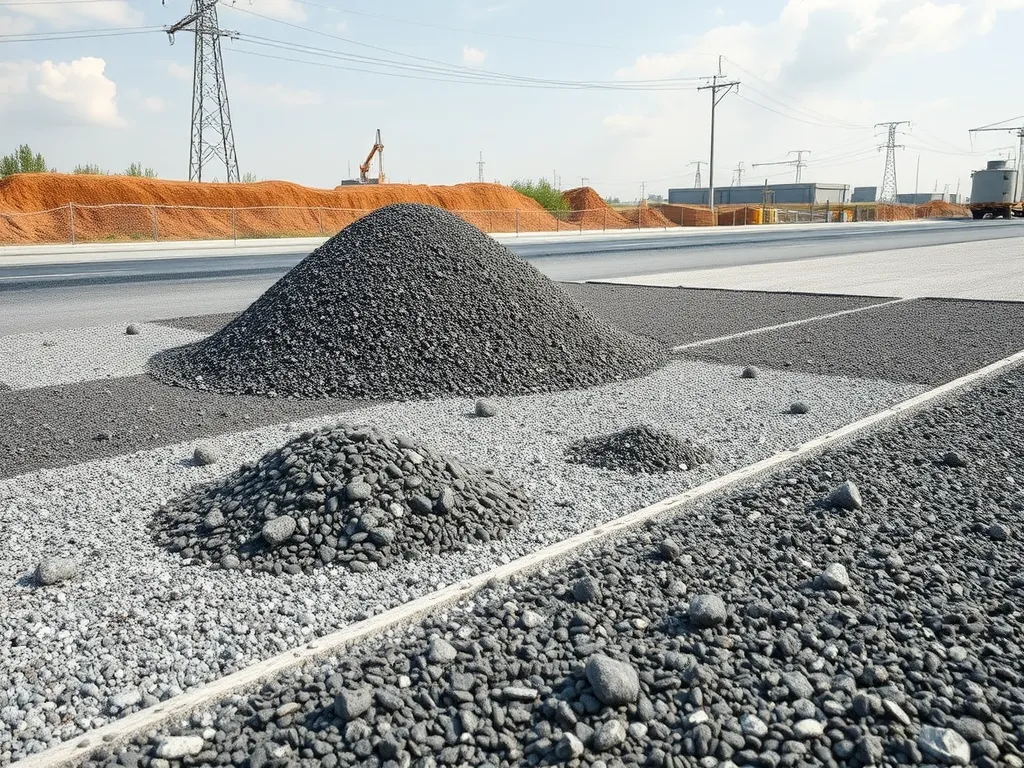
Fly ash and granulated blast furnace slag dominate industrial byproduct fillers. These materials repurpose waste from coal plants and steel mills, diverting 12-15 million tons annually from landfills. Fly ash improves workability while cutting CO2 emissions by 20% compared to virgin limestone. Slag boosts skid resistance with a polished stone value (PSV) above 60, exceeding traditional aggregates. Both meet ASTM D242 specifications for mineral filler use.
Recycled Material Integration
Reclaimed asphalt pavement (RAP) and recycled asphalt shingles (RAS) now account for 25-30% of filler content in many mixes. RAP reduces virgin binder demand by 15-20%, saving $3-$7 per ton. RAS contains 20-25% hardened bitumen, reactivating when heated. Strict gradation controls ensure recycled fillers pass 0.075mm sieve requirements. Proper processing eliminates contaminants like wood or metal found in 2-5% of demo debris.
Balancing eco-friendly fillers with performance needs requires precise testing. Next, we’ll examine protocols for storing and applying these materials effectively.
Best Practices for Handling Asphalt Fillers
Proper management of fillers for asphalt ensures optimal performance. Whether working with mineral-based, industrial byproduct, or engineered options, following industry-tested protocols prevents costly errors.
Storage and Mixing Guidelines
Different types of asphalt fillers require distinct storage conditions. Limestone dust must stay dry to prevent clumping, while fly ash needs sealed containers to block moisture. Portland cement degrades when exposed to humidity beyond 60%—use climate-controlled silos for long-term storage.
- Maintain temperatures below 80°F for heat-sensitive fillers like hydrated lime
- Batch mix industrial byproducts (slag, fly ash) at 2-5% by weight of total mix
- Pre-blend engineered fillers with binders using high-shear mixers for 8-12 minutes
Miscalculating mixing times reduces effectiveness. For example, granulated blast furnace slag requires 15% longer mixing versus limestone to fully coat aggregates.
Avoiding Common Application Errors
Using the wrong filler for asphalt types causes premature failure. Overloading cold mix with hydrated lime (>7% content) creates brittle surfaces prone to thermal cracking. Under-filling Superpave mixes with PG 64-22 binders increases rutting by up to 40%.
- Test filler-binder compatibility via ASTM D7428 before full-scale projects
- Limit calcined clay to 3-4% in high-traffic areas to prevent ravelling
- Calibrate spreaders every 4 hours during placement to ensure 95% void filling
Field studies show improper gradation costs $12-$18 per ton in corrective milling. Always verify filler meets local DOT specs—like California’s CT 366 for uncoated peg chips.
With these protocols in place, let’s explore how climate shapes filler selection.
Frequently Asked Questions (FAQ)
What Are the Different Types Of Asphalt Fillers?
Asphalt fillers are classified into three primary categories: mineral-based fillers, industrial byproduct fillers, and engineered fillers. Each type serves a distinct purpose, affecting the overall performance and cost-efficiency of asphalt mixes.
How Do Fillers Impact Asphalt Types (Hot, Cold, Warm Mix)?
Different asphalt fillers affect how asphalt behaves at varying temperatures. Hot mix asphalt requires fillers that can withstand high heat without compromising performance, while warm and cold mixes utilize fillers that function effectively at lower temperatures, ensuring durability and flexibility in different conditions.
What Mineral Fillers Are Used in Road Construction?
Common mineral fillers used in road construction include limestone dust and hydrated lime. These materials help enhance the strength and durability of asphalt mixes, providing better resistance to moisture and cracking.
Can Fillers Improve Asphalt Longevity?
Yes, fillers can significantly improve the longevity of asphalt by filling voids, enhancing mix density, and reducing water infiltration. This leads to a more durable pavement that can withstand various environmental stresses and extend its lifespan.
What Are the Cost Implications Of Using Different Fillers?
Using industrial byproduct fillers like fly ash or granulated blast furnace slag can reduce material costs by 15-20% compared to traditional fillers. These materials often provide additional performance benefits, making them a cost-effective choice without compromising quality.
How Do Environmental Factors Influence the Choice Of Asphalt Fillers?
Environmental factors such as climate, traffic conditions, and project location play a crucial role in selecting asphalt fillers. For example, regions with severe freezing temperatures may benefit from fillers that enhance moisture resistance, while areas with high traffic volumes require fillers that improve strength and stability.
What Are the Guidelines for Storing Asphalt Fillers?
Storage guidelines for asphalt fillers vary by material. For instance, limestone dust should be kept dry to prevent clumping, while fly ash requires sealed containers to avoid moisture exposure. Following proper storage practices is essential to maintain the effectiveness of fillers in asphalt mixes.
Closing Thoughts
Choosing the right asphalt filler is vital for ensuring durable and cost-effective pavement performance. With options ranging from mineral-based to industrial byproducts, each filler type presents unique benefits and challenges. Understanding these characteristics allows for optimal selection tailored to project requirements and environmental considerations.
Proper handling and application of fillers can further enhance their effectiveness, ensuring longevity and resilience in asphalt mixtures. For the latest insights and tools to support your asphalt projects, check out Asphalt Calculator USA.
Additional Resources for You:
- National Asphalt Pavement Association (NAPA, Industry Reports & Best Practices)
- (PDF) Study of mineral filler effect on asphalt mixtures properties
- Evaluation of Different Mineral Filler Aggregates for Asphalt …
- Characteristics of Different Types of Basic Oxygen Furnace Slag Filler and its Influence on Properties of Asphalt Mastic
- A REVIEW ON DIFFERENT TYPES OF WASTES USED AS …