Inspections for Asphalt Road Safety
Published on: March 4, 2026 | Last Updated: April 14, 2025
Written By: George Voss
Inspections for asphalt road safety are structured evaluations that identify pavement risks and verify compliance with engineering standards. Using visual assessments, core drilling, and technologies like ground-penetrating radar, these inspections detect cracks, drainage failures, and sublayer weaknesses. They follow AASHTO guidelines and local codes, preventing 35% of potential road failures through early defect detection.
This article examines material specifications, load-bearing tests, and modern inspection tools. We break down the step-by-step evaluation process from pre-paving checks to final compaction analysis. Explore maintenance schedules, inspector certifications, and cost-saving benefits of regular assessments. Get actionable checklists and learn how thermal imaging boosts defect spotting accuracy by 90% compared to manual methods.
Contents
- Key Safety Requirements for Asphalt Pavements
- Essential Tests for Asphalt Quality &Amp; Safety
- The Asphalt Road Inspection Process
- Safety Checklists for Asphalt Operations
- Asphalt Paving Inspection Checklists
- Maintenance Schedule for Asphalt Roads
- Asphalt Inspector Qualifications
- Regulations Governing Asphalt Inspections
- Technology in Asphalt Pavement Inspections
- Benefits Of Regular Asphalt Inspections
- Environmental Considerations
- FAQ: Asphalt Road Safety Inspections
- Closing Thoughts
- Useful References for You:
Key Safety Requirements for Asphalt Pavements
Meeting strict safety benchmarks ensures asphalt roads withstand traffic demands while protecting drivers. Inspections verify compliance with material quality, structural strength, and surface performance standards critical for long-term road safety.
Material Specifications for Asphalt Roads
Asphalt mixes must contain aggregates graded between sieve #4 (4.75mm) to 3/8-inch (9.5mm), with 95% passing sieve #4. Binders like PG 64-22 (Performance Grade) resist rutting at 64°C and cracking at -22°C. Recycled asphalt pavement (RAP) use tops at 25% to maintain integrity. Inspectors test mix designs against AASHTO M323 specs to prevent premature failures.
Load-bearing Capacity Standards
Pavements must support traffic loads defined by Equivalent Single Axle Loads (ESALs). Highways require 10 million ESALs, residential roads 1 million. Testing per AASHTO T307 confirms base layers achieve 300 psi stiffness. Inspections check layer thickness tolerances: ±0.25 inches for binder courses, ±0.15 inches for surface lifts.
Surface Smoothness and Drainage Criteria
A 3mm tolerance over 10-foot straightedge prevents vehicle vibration risks. Laser profilers measure International Roughness Index (IRI) below 80 inches/mile. Drainage slopes of 2% minimum direct water away from lanes, reducing hydroplaning. Inspectors use 1-liter water tests to verify 90% runoff within 15 minutes.
Verifying these requirements lays the groundwork for evaluating pavement performance through advanced testing protocols.
Essential Tests for Asphalt Quality &Amp; Safety
Quality asphalt pavements demand strict verification through laboratory and field trials. Four critical trials form the backbone of road safety protocols.
Asphalt Mix Design Verification
Mix design confirms asphalt meets traffic and climate needs. Labs run Marshall or Superpave trials to confirm binder content (typically 4-6% by weight) and stability ratings. A PG 64-22 binder might work in mild zones, while PG 76-16 suits high-traffic areas. Failing this trial risks rutting or cracking within 2-3 years.
Gradation Testing for Aggregate Consistency
Sieve analysis spots flaws in stone sizing. Aggregates must follow state DOT specs – ¾” base stones vs ⅜” surface layer chips. A 5% variance in gradation cuts pavement strength by 15%. Properly graded mixes boost drainage, stopping water damage that causes 80% of potholes.
Non-destructive Testing Methods
Ground-penetrating radar (GPR) maps subsurface voids without coring. Falling weight deflectometers (FWD) apply 9,000-lb impacts to spot weak zones. Infrared scanners flag temperature dips showing poor compaction – a key cause of early raveling. These tools slash inspection time by 40% vs manual checks.
Density and Compaction Analysis
Nuclear density gauges check if mat compaction hits 92-96% of lab targets. Low density (under 90%) allows air voids above 8%, inviting moisture damage. Road crews adjust rollers when tests show under-compacted areas. Proper density adds 5-7 years to pavement lifespan.
With quality confirmed through trials, focus shifts to field protocols. Upcoming details outline how inspectors translate lab data into safe, lasting roads.
The Asphalt Road Inspection Process
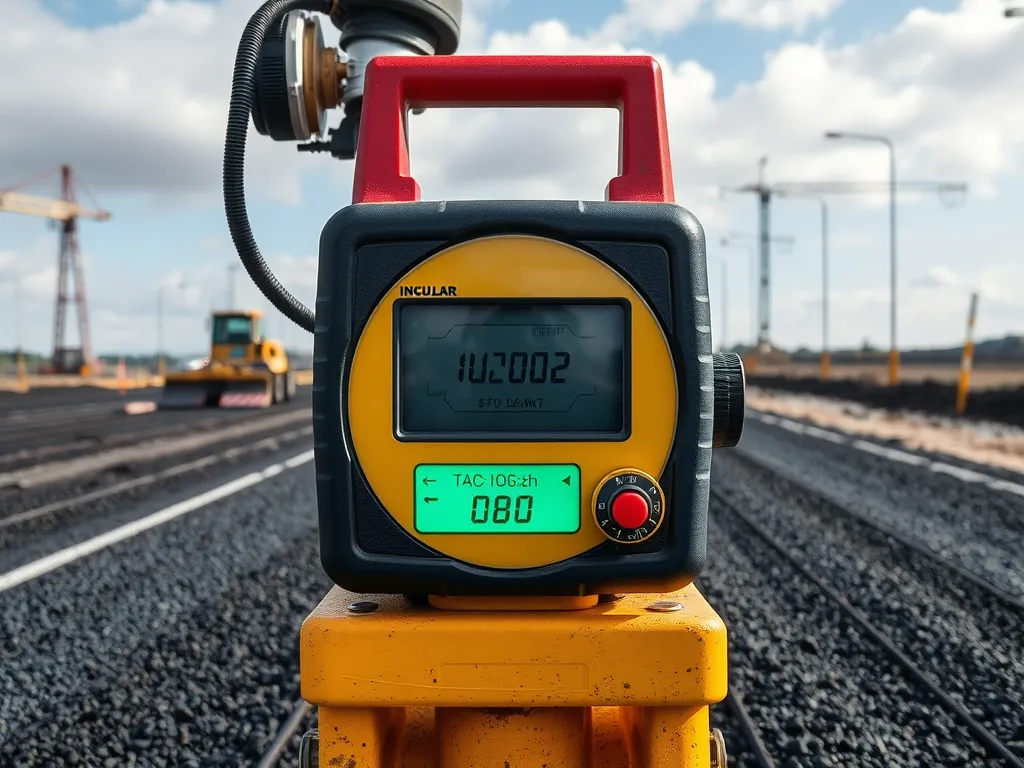
Systematic evaluations form the backbone of effective road infrastructure inspections. Trained professionals follow standardized protocols to detect issues threatening pavement safety. Four critical components drive these evaluations.
Visual Inspection Of Surface Defects
Inspectors begin with detailed walkthroughs to identify visible flaws. Common issues include longitudinal cracks (running with traffic flow), transverse cracks (crossing perpendicular), raveling (loose aggregate particles), or rutting (permanent deformation). Thermal imaging cameras often supplement visual checks to spot subsurface voids. Findings get documented using digital tools like GIS mapping for trend tracking.
Core Sampling for Layer Integrity
Teams extract cylindrical cores, typically 4-6 inches wide, to verify structural soundness. Tests measure layer thickness against design specs, binder content levels, and compaction density. X-ray fluorescence scanners might detect recycled material ratios. Core holes get patched using PG 64-22 binder for seamless repairs. Non-compliant results trigger corrective milling or overlay plans.
Joint and Edge Condition Assessment
Joints between pavement sections require scrutiny for gaps exceeding 0.25 inches. Edge deterioration from traffic loads or weather gets graded using the 1-5 PCI scale. Inspectors probe with steel rods to locate weakened zones. Failed edges receive wedge milling before applying polymer-modified tack coats. Proper joint sealing prevents water intrusion, reducing freeze-thaw damage risks.
Drainage System Evaluation
Inspectors verify slope gradients (minimum 2%) using laser levels. Culverts get checked for blockages with CCTV cameras. Permeability tests measure water flow rates through pavement layers. Ponding zones get marked for regrading. Clogged drains get hydro-jet cleaned to restore 15-20 GPM flow capacity. Effective drainage cuts hydroplaning risks by 40%.
With defects cataloged, teams prioritize repairs using severity indexes. Next, operational checklists ensure worker safety during corrective measures.
Also See: Asphalt Performance Testing Methods You Should Know
Safety Checklists for Asphalt Operations
Following strict protocols during paving work cuts risk and boosts road longevity. Systematic checklists verify critical factors from initial site prep to final sign-off.
Pre-paving Site Preparation Checklist
Confirm proper drainage slopes (minimum 2% cross-slope) and stable subgrade with 95% Proctor density. Scan for underground utilities, soft spots, or debris. Check tack coat application rates (0.05-0.15 gal/yd²) using ASTM D2995 standards. Validate material temp logs show mix stays within 280-325°F during transport.
Compaction and Temperature Monitoring
Track mat temps with infrared guns, maintaining 225-300°F for optimal density. Nuclear gauges or non-nuclear devices (PaveTracker) must show 92-96% Marshall density. Record roller patterns—6-8 passes typical for 3-inch lifts. Cold spots below 200°F trigger immediate removal to avoid premature cracking.
Post-construction Safety Audit
Scan surfaces for segregation, rutting over 0.25 inches, or voids exceeding 8%. Confirm joint alignment gaps stay under 0.5 inches. Test friction with skid trucks (SN40+ required on high-speed roads). Flag areas needing fog seals or spot repairs prior to opening traffic.
With final sign-off, focus shifts to ongoing monitoring. Up next: tracking paving quality from truck to finish mat.
Asphalt Paving Inspection Checklists
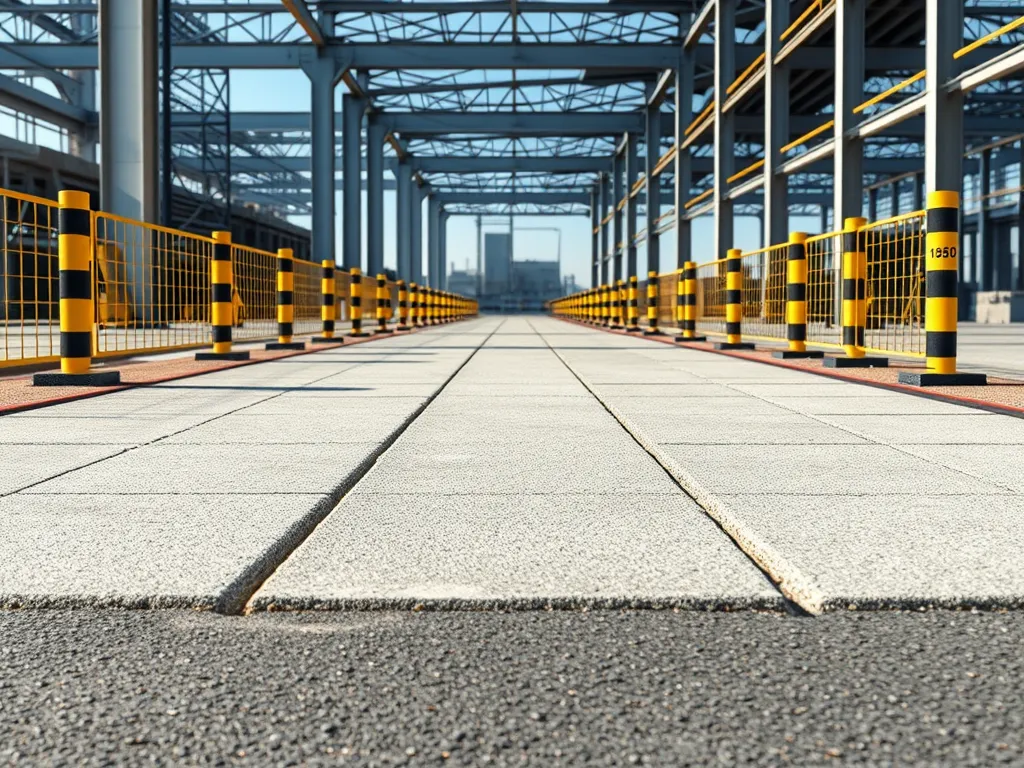
Effective asphalt road safety inspections rely on structured protocols during paving operations. Three critical phases demand rigorous oversight to prevent structural flaws and surface hazards.
Material Delivery Verification Steps
Verifying delivered materials prevents substandard mixes from entering the project. Technicians cross-check batch tickets against job mix formulas, confirming PG binder grades (e.g., PG 64-22) and aggregate sizes meet ASTM D3515 specs. Key actions:
- Record truck arrival temperatures (280-320°F for hot mix asphalt)
- Test random samples for moisture content (max 0.5% by weight)
- Validate recycled asphalt pavement (RAP) percentages (15-25% typical)
Failed verifications trigger mix rejection, avoiding weak spots that could crack under 8-12 ton axle loads.
Laying and Spreading Quality Controls
Proper placement ensures uniform density critical for load distribution. Paver operators maintain 1/4″ per foot cross-slope for drainage while avoiding segregation. Real-time checks include:
- Mat thickness measurements with nuclear gauges (±3% tolerance)
- Compaction passes tracked via GPS rollers (92-96% target density)
- Joint alignment verification (max 1/8″ vertical offset)
Deviations require immediate correction to prevent raveling or rutting under traffic.
Final Surface Tolerance Checks
Post-compaction evaluations confirm road safety parameters. Laser profilers measure smoothness (max 3mm variation over 3m), while sand patch tests verify macrotexture depth (0.8-1.2mm). Critical thresholds:
- Longitudinal grade: ±0.2% from design
- Cross slope: ±0.25% for proper drainage
- Surface voids: <5% total area
Areas exceeding limits get milled or overlaid before opening to vehicles.
Proper checks during paving set the stage for long-term performance. Next, we examine how scheduled evaluations keep roads safe through seasonal changes.
Maintenance Schedule for Asphalt Roads
Regular upkeep preserves structural integrity and prevents safety hazards. A structured maintenance plan combines scheduled asphalt pavement inspections with targeted repairs based on road age, traffic volume, and climate conditions.
Recommended Inspection Frequency
High-traffic highways require asphalt road safety inspections every 3-6 months. Residential streets need annual evaluations. Areas with extreme temperature swings or heavy truck traffic (10,000+ ESALs) may need quarterly checks. Inspectors prioritize rutting over 0.5 inches, cracks wider than 0.25 inches, and raveling affecting 10%+ of the surface.
Seasonal Maintenance Priorities
Spring focuses on winter damage: 85% of potholes form during freeze-thaw cycles. Summer targets crack sealing at 50-85°F pavement temperatures. Fall prepares roads for winter with drainage cleaning and sealcoating. Winter requires weekly inspections for ice control and emergency repairs.
Crack Sealing and Pothole Repair Timing
Seal cracks within 30 days of detection to prevent water infiltration. Use infrared asphalt repair for potholes in wet conditions – fixes take 45 minutes versus 4 hours for cold mix. Optimal crack sealing occurs at 70°F pavement temperature with <10% moisture content. Delayed repairs increase failure risks by 300% after two freeze cycles.
Proper maintenance scheduling directly impacts inspector effectiveness. Next, we examine the qualifications needed to execute these critical asphalt pavement safety evaluations.

Asphalt Inspector Qualifications
Properly trained asphalt inspectors form the backbone of effective pavement safety programs. These professionals combine technical knowledge with field experience to detect risks before they escalate. Their expertise directly impacts road performance and accident prevention.
Required Certifications for Pavement Inspectors
Pavement inspectors must hold credentials validating their competency. Common certifications include:
- NICET Level II+ for materials testing and construction inspection
- ACI Concrete Field Testing Technician (asphalt-concrete interface zones)
- State DOT certifications like California’s Caltrans Tester program
Many agencies mandate 40-hour HAZWOPER training for work zones. Certifications typically require annual renewal through courses covering updates to ASTM D3665 or AASHTO R 18 standards.
Salary Range for Road Safety Professionals
Compensation reflects specialized skills in asphalt road safety inspections. Current data shows:
- Entry-level field technicians: $42,000-$58,000 annually
- Certified inspectors: $63,000-$85,000
- Lead auditors/managers: $92,000-$117,000
Geographic location and project scale create variations. Urban areas with heavy traffic volumes often pay 18-22% above rural rates. Unionized positions may add 12-15% to base ranges.
With proper credentials and experience, road safety professionals play pivotal roles in maintaining infrastructure integrity. Next, we’ll examine how regulatory frameworks govern their work.
Regulations Governing Asphalt Inspections
Meeting set rules forms the backbone of reliable road surfaces. Governing bodies set precise requirements to protect both workers and drivers through systematic checks.
AASHTO Standards Compliance
The American Association of State Highway Transportation Officials provides frameworks used nationwide. Their M 323 specification sets limits on recycled binder content, while R 35 defines testing methods for mix designs. Inspectors verify compliance through:
- Marshall stability tests (minimum 1,200 lbs force)
- PG binder viscosity checks (3,000-5,000 poise at 60°C)
- Rutting resistance thresholds (≤ 0.2” deformation)
Failing to meet these triggers mandatory remediation before road opening.
Local Municipal Road Safety Codes
City-level rules fill gaps in federal guidelines. New York City requires third-party inspectors to sign off on skid resistance (≥ 35 BPN) within 72 hours of paving. Los Angeles enforces stricter stormwater drainage checks (1”/hour infiltration rate) due to El Niño risks. Common municipal mandates include:
| City | Key Requirement | Penalty |
|---|---|---|
| Chicago | Nighttime retroreflectivity ≥ 250 mcd/m² | $1,500/day |
| Houston | 10% core density variance limit | Project halt |
| Miami | Post-rainfall friction testing | Resurfacing order |
Local codes often reflect regional climate patterns or traffic volumes.
These frameworks work together to catch risks early. Next, we explore how modern tools boost inspection precision while cutting costs.

Technology in Asphalt Pavement Inspections
Advanced tools now transform how experts evaluate road conditions. Three innovations lead this shift.
Infrared Thermal Imaging Applications
Thermal cameras detect temperature variations across asphalt surfaces. Hotspots reveal segregation or voids beneath roads. Teams fix problem areas within 15 minutes of detection. This method prevents raveling and potholes before they endanger drivers.
Ground Penetrating Radar Systems
GPR units emit electromagnetic waves to map subsurface layers. Operators identify cracks, moisture traps, or base failures at depths up to 24 inches. Systems using 1-2.6 GHz antennas provide 0.5-inch resolution for precise defect mapping. Data appears on screens as color-coded cross-sections during road asphalt maintenance inspection.
| GPR Frequency | Depth Range | Common Uses |
|---|---|---|
| 400 MHz | 0-6 ft | Base layer analysis |
| 1.6 GHz | 0-2 ft | Crack detection |
| 2.6 GHz | 0-1 ft | Surface voids |
Automated Crack Detection Software
AI-powered systems analyze 4K pavement images at 60 mph. Algorithms classify cracks by type (transverse, longitudinal, block) and severity. One platform processes 100 lane-miles per hour with 95% accuracy. Reports prioritize repairs based on FHWA safety thresholds for asphalt road safety inspections.
These tools set new benchmarks for pavement inspection speed and precision. Up next: how regular evaluations boost road performance while lowering taxpayer costs.
Benefits Of Regular Asphalt Inspections
Proactive asphalt pavement inspections create roads that last longer, perform better, and protect drivers. Agencies using systematic inspection protocols report 35-50% fewer safety incidents tied to pavement defects.
Improved Road User Safety
Frequent asphalt road safety inspections spot hazards before they escalate. Catching edge cracks exceeding ½” width or potholes deeper than 2” prevents tire blowouts and loss of vehicle control. Proper drainage checks eliminate standing water that causes hydroplaning at speeds above 35 mph. Agencies using thermal imaging during night inspections find 22% more surface irregularities missed in daylight.
Extended Pavement Service Life
Inspecting asphalt pavements every 6-12 months adds 7-10 years to a road’s lifespan. Core sampling per ASTM D7113 verifies layer thickness within ±3mm tolerances – critical for preventing structural failures. Early detection of raveling or binder oxidation allows treatments like fog seals costing $0.15-$0.35 per square foot, versus $2.50-$4.00 for full-depth repairs later.
Cost-effective Maintenance Planning
Data-driven asphalt inspections road safety programs cut long-term costs by 40%. Identifying ¼” cracks during spring inspections enables summer sealing before winter freeze-thaw cycles widen them. GPR systems mapping subsurface voids reduce emergency repair budgets by prioritizing areas needing stabilization. Agencies using 3-year inspection cycles spend 3-5x less per mile than those relying on reactive fixes.
These measurable advantages set the stage for greener practices. Next, we examine how modern inspections balance durability with environmental responsibility.
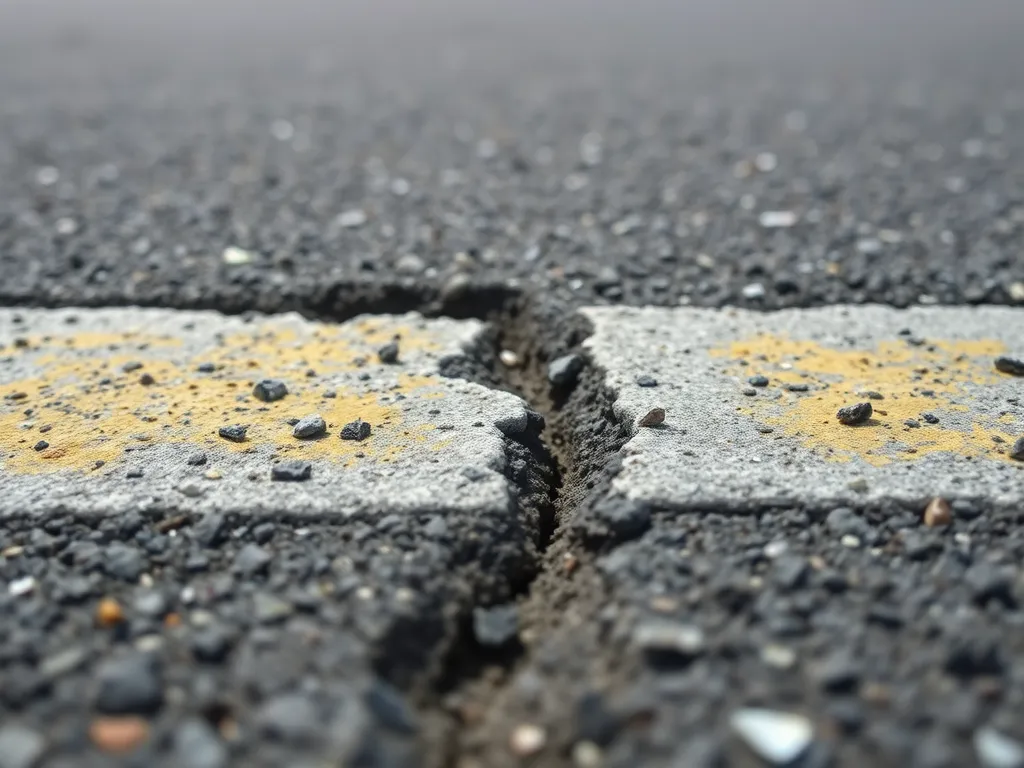
Environmental Considerations
Roadway sustainability now factors into asphalt road safety inspections. Two critical focus points mix planetary care with pavement performance: scrutinizing recycled materials and tracking air quality during installation.
Recycled Asphalt Material Inspections
Using recycled asphalt pavement (RAP) cuts virgin aggregate needs by up to 30%. Inspectors verify RAP quality through binder content analysis, gradation testing, and checking for contaminants like roofing shingles. PG 64-22 binders in recycled mixes must maintain viscosity thresholds to avoid premature cracking. Superpave protocols require 95% density targets during compaction of RAP layers – a key metric tracked during road asphalt maintenance inspection.
Emission Control During Paving
Hot-mix asphalt plants producing 300°F material must follow EPA Tier 4 emission caps. Infrared cameras during asphalt pavement inspection spot temperature variances exceeding 25°F – a sign of faulty burners raising CO2 output. Warm-mix additives lowering temps by 50°F gain priority in urban zones. Air quality sensors now integrate with road infrastructure inspections, logging particulate levels below 150 µg/m³ near work sites.
Proper protocols in material and emission checks form a foundation for tackling common queries about road upkeep…
FAQ: Asphalt Road Safety Inspections
How Often Should Residential Asphalt Roads Be Inspected?
Residential asphalt roads typically require inspections at least once a year. However, areas with extreme weather or heavy traffic may benefit from more frequent evaluations, ideally every 6-12 months, to catch potential issues early.
What Equipment is Used in Asphalt Quality Testing?
Asphalt quality testing employs various equipment, including nuclear density gauges, thermographic cameras, ground-penetrating radar (GPR) systems, and falling weight deflectometers (FWD). These tools help assess density, temperature, and subsurface conditions to ensure compliance with safety standards.
Are Local Inspection Services Available Nationwide?
Yes, many local inspection services operate nationwide, providing pavement inspection and maintenance services according to regional requirements and standards. It is advisable to check state and municipal directories to find certified local professionals.
Closing Thoughts
Asphalt road safety hinges on a rigorous inspection process. Regular assessments ensure that pavements meet necessary safety standards and prolong their lifespan. Key factors, such as material quality, load-bearing capacity, and surface smoothness, play significant roles in maintaining road integrity.
Implementing essential tests and adhering to safety checklists during construction are crucial steps in this journey. Moreover, the integration of technology, like infrared imaging and automated detection software, enhances the inspection quality, making roads safer for users.
For those involved in asphalt paving, understanding inspection regulations and maintaining proper qualifications is vital. This not only helps in compliance but also ensures a higher standard of safety for everyone on the road.
Explore more insights on asphalt safety and inspection by visiting Asphalt Calculator USA. Your commitment to safety makes a difference.
Useful References for You:
- Kett, I. (1999). Asphalt Materials and Mix Design Manual. Oxford: Elsevier Science.
- ASPHALT PAVEMENT INSPECTOR’S MANUAL
- Asphalt Paving Safety: A Comprehensive Guide | Tracey Road Equipment
- Asphalt Assessment: Spring Checklist for Property Managers
- Practical Guide for Quality Management of Pavement …
Also See: How Long Does It Take Asphalt to Harden? Fast Facts