Inspecting Asphalt Surfaces: A Step-by-step Guide for Quality Assurance
Published on: March 3, 2026 | Last Updated: April 14, 2025
Written By: George Voss
Inspecting asphalt surfaces involves examining pavement for defects like cracks, rutting, and drainage issues to ensure durability and safety. This process combines visual checks with technical measurements using tools like density gauges and laser profilers. Regular inspections catch problems early, preventing costly repairs and extending pavement life by 30-50% compared to unmonitored surfaces. Professionals assess surface smoothness, structural integrity, and material composition to meet ASTM standards for roads, driveways, and parking lots.
This guide breaks down asphalt inspection into actionable steps for contractors and property managers. You’ll learn to identify 8 common defect types, operate core sampling equipment, and interpret nuclear gauge readings. We cover temperature checks with infrared cameras, slope measurements for water runoff, and safety protocols for active roadways. Field examples show how to document findings and prioritize repairs based on damage severity.
Contents
- Why Asphalt Surface Inspection Matters
- Preparing for Asphalt Pavement Inspection
- Essential Tools for Asphalt Inspection
- Identifying Common Asphalt Surface Defects
- Evaluating Asphalt Quality During Inspection
- Key Tests in Asphalt Quality Control
- Safety Considerations During Asphalt Road Inspection
- Environmental Factors in Asphalt Surface Evaluation
- FAQs: Asphalt Surface Inspection Essentials
- Closing Thoughts
- Additional Resources for You:
Why Asphalt Surface Inspection Matters
Regular checks keep roads safe and cut repair costs. Spotting flaws early stops small issues from growing. This saves money and time for towns, firms, and drivers.
Impact on Pavement Longevity and Performance
Inspecting asphalt surfaces adds 8-12 years to road life. Cracks under 1/4 inch cost $1 per foot to fix. If ignored, they grow into $10/foot potholes. Checks find rutting (dips from heavy loads) and raveling (loose rocks). These flaws weaken roads and raise crash risks. A 95% dense asphalt layer lasts twice as long as 90% dense mix. Proper checks boost grip, lower noise, and block water damage.
| Defect | Repair Cost (per sq ft) | If Ignored |
|---|---|---|
| Hairline cracks | $0.50 | Potholes ($4.00) |
| Rutting | $2.80 | Full rebuild ($12.00) |
| Raveling | $1.20 | Surface failure ($8.50) |
Role in Preventive Maintenance Strategies
Yearly checks cut repair bills by 60%. Fix cracks within 2 years to stop water seepage. Use sealcoating every 3-5 years to block UV harm. Infrared scans find weak spots before paving. Core tests check if recycled asphalt meets 15% binder rules. Plan fixes using PCI scores: 85+ (good), 50-70 (needs work), below 50 (replace).
Next: Learn how to gear up for safe, thorough asphalt checks.
Preparing for Asphalt Pavement Inspection
Proper preparation ensures accurate results during asphalt surface evaluation. Site-specific planning prevents oversights in data collection and safety protocols.
Essential Safety Equipment for Roadway Surface Inspection
Inspecting asphalt surfaces demands OSHA-compliant protection for field teams. Standard gear includes:
- Class 3 high-visibility apparel (ANSI/ISEA 107-2020 standard)
- Hard hats with side-impact protection
- Steel-toe boots meeting ASTM F2413-18 requirements
- Cut-resistant gloves for handling core samples
- ANSI Z87.1-rated safety glasses with UV protection
Active roadway inspections require additional measures: retroreflective traffic cones, portable crash cushions, and radar speed signs. For hot mix asphalt paving quality control, heat-resistant gloves and infrared thermometers prevent burns during temperature checks.
Documentation Requirements for Asphalt Surface Investigations
Thorough records validate findings in asphalt pavement surface inspection. Field teams use:
- Standardized defect maps (ASTM D5340-12 format)
- Core sample logs noting GPS coordinates and PG binder grades
- Time-stamped photo logs with 360° site coverage
- Daily condition reports tracking temperature and humidity
Digital tools like GIS mapping apps and pavement management software now replace paper forms. These systems automatically tag asphalt quality inspection data with GPS coordinates and weather history. For legal compliance, retain records per state DOT requirements – typically 6-10 years for public projects.
With safety protocols established and documentation systems ready, inspectors can focus on technical evaluations. The next phase involves deploying specialized tools to measure asphalt performance metrics.

Essential Tools for Asphalt Inspection
Good checks need the right gear. Three tools stand out for asphalt checks.
Core Sampling Equipment for Asphalt Quality Inspection
Core drills take plugs of asphalt for tests. These plugs show layer depth and mix quality. Crews use:
- Diamond-tipped drill bits (4-6 inch size)
- Hydraulic coring machines
- Core saws for lab prep
ASTM D5361 guides core steps. Tests on samples find voids, binder grade, and layer bonds.
Density Gauges in Asphalt Paving Quality Control
Dense asphalt lasts longer. Gauges check this key trait fast. Two types work best:
- Nuclear gauges (ASTM D2950)
- Non-nuclear meters (microwave based)
Targets: 92-96% of lab density. Low density leads to rutting. High density risks cracks.
Laser Profilers for Surface Evaluation
Lasers map smooth flaws in roads. They scan with:
- Laser lines (15 kHz pulse rate)
- High-speed sensors
- GPS tracking
Data shows IRI scores (International Roughness Index). IRI under 95 inches/mile meets specs. Rough spots hint at base flaws or poor paving.
These tools form the base of solid checks. Next, we detail how to spot flaws they uncover.
Also See: Comprehensive Guide to Asphalt Paving Permits
Identifying Common Asphalt Surface Defects
Spotting flaws early prevents costly repairs. Inspecting asphalt surfaces requires recognizing defect types linked to specific failure causes. Let’s break down key issues found during asphalt pavement surface inspection.
Cracking Patterns: Alligator, Edge, and Fatigue Cracking
Alligator cracks form interconnected webs resembling reptile scales. These signal base failures or excessive loads. Edge cracks run parallel to pavement edges within 12-18 inches, often from poor drainage or shoulder erosion. Fatigue cracks develop as interconnected fissures under repeated traffic stress. During asphalt road inspection, measure crack widths: ¼”+ requires sealing to prevent water infiltration.
Surface Degradation: Raveling and Polished Aggregate
Raveling appears as loose stones scattered across the surface. It indicates binder degradation or poor compaction during asphalt paving quality control. Polished aggregate creates slick areas where traffic wears down surface texture. Test skid resistance using British Pendulum Numbers (BPN) – values below 35 demand corrective milling.
Structural Issues: Rutting and Slippage Cracking
Rutting shows as channelized depressions along wheel paths. Depths exceeding ½” reveal unstable base layers or inadequate mix design. Slippage cracks look like crescent-shaped tears caused by weak binder-aggregate bonds. Use laser profilers during asphalt surface evaluation to map rut severity – 10mm+ deviations trigger structural assessments.
Moisture Damage: Stripping and Pothole Formation
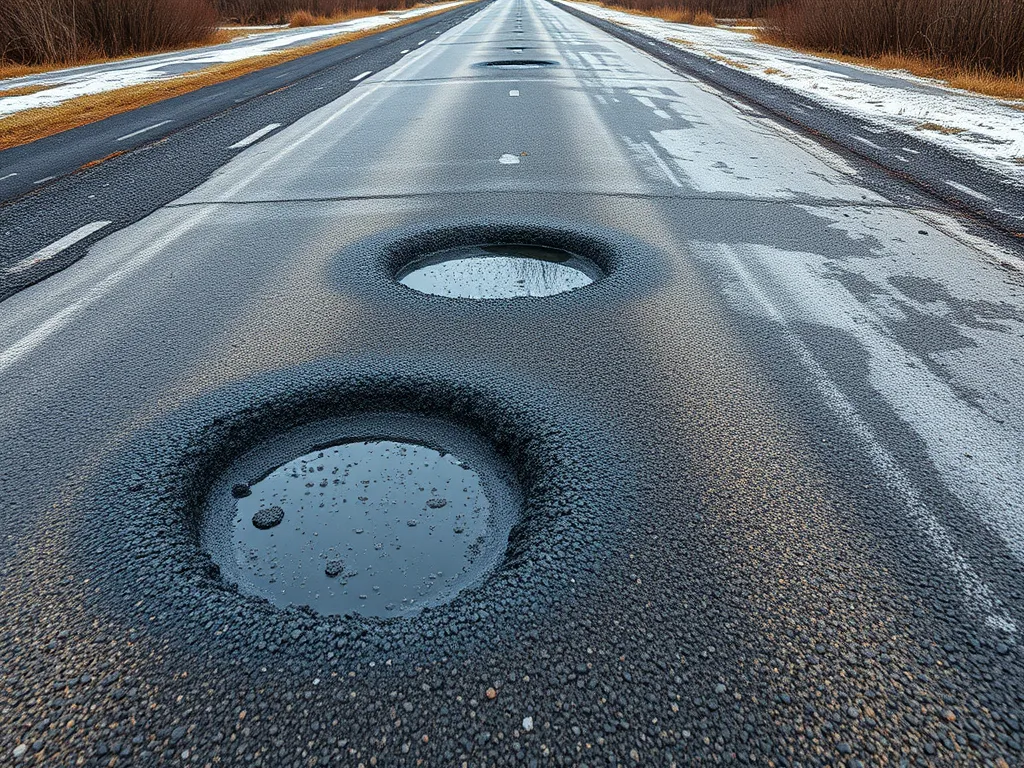
Stripping occurs when water severs bonds between aggregates and asphalt binder. Look for blotchy discoloration or spongy textures during asphalt inspection. Potholes form as stripped areas collapse under traffic. Freeze-thaw cycles accelerate this damage – regions with 30+ annual freeze days need anti-stripping additives in mixes.
Recognizing these defects arms teams with data for targeted repairs. Next, we’ll detail methods to measure pavement integrity during quality control asphalt evaluations.
Evaluating Asphalt Quality During Inspection
Inspecting asphalt surfaces needs sharp checks of key quality markers. Look at looks, build, and flow paths to spot issues early.
Visual Indicators Of Proper Asphalt Installation
Fresh asphalt shows deep black tones with smooth, even textures. Check for tight seams where new meets old pavement. Watch for streaks or dull spots – these hint at poor mix or bad lay-down. Properly set asphalt has no tears, bumps, or loose stones at edges. Use a straight edge tool to find dips or highs over 1/4 inch.
Measuring Structural Thickness Requirements
Core drills pull samples to check depth. Roads need 3-12 inches based on traffic loads. Parking lots use 2-3 inches over 6-8 inch stone bases. Compare field cores to project plans. A nuclear gauge tests pack strength – aim for 92-96% density. Thin spots wear fast. Thick zones waste cash.
Slope and Drainage Assessment Techniques
Use a laser level to map surface flow. Roads need 1.5-2% slope to shed water. Check cross-slopes every 10 feet – shifts over 0.5% cause pooling. Spot puddles? Mark zones for patching. Keep drains clear of grit or plants. Poor drainage cuts asphalt life by half in wet zones.
Solid checks of these factors set up the next step: lab tests that prove the pavement can handle daily beatings.
Key Tests in Asphalt Quality Control
Effective quality control during pavement construction relies on specialized testing methods. Three critical procedures verify compliance with specifications while inspecting asphalt surfaces.
Density Testing for Asphalt Compaction Verification
Proper compaction determines pavement durability. Density testing measures void content using nuclear gauges or core samples. Target densities range from 92% to 96% of maximum theoretical density (Rice test values). Low density below 90% increases rutting risk by 40%, while over-compaction above 98% causes surface cracking.
| Test Method | Accuracy | Time per Test |
|---|---|---|
| Nuclear Density Gauge | ±1.5% | 5 minutes |
| Sand Cone (ASTM D1556) | ±2.0% | 30 minutes |
Nuclear Gauge Measurements for Material Integrity
Portable nuclear gauges emit gamma rays to detect density variations without coring. Certified operators perform tests every 200 feet, recording readings between 1.8 g/cm³ to 2.4 g/cm³ for typical mixes. Irregularities exceeding ±0.15 g/cm³ trigger corrective rolling or material replacement.
Infrared Thermography for Temperature Consistency
Infrared cameras map thermal profiles during placement. Ideal mat temperatures stay between 275°F-325°F for polymer-modified binders. Cool spots below 250°F create weak zones with 30% lower shear strength. Thermal segregation exceeding 50°F across the screed requires immediate mix adjustment.
These methods form the technical backbone of modern asphalt pavement inspection. Next, we examine protocols for maintaining worker safety during field evaluations.
Safety Considerations During Asphalt Road Inspection
Effective asphalt pavement inspection demands strict safety protocols. Workers face risks from moving vehicles, hot materials, and uneven surfaces. Proper planning prevents accidents during roadway surface evaluation.
Traffic Control Measures for Active Roadways
Inspecting asphalt surfaces on active roads requires MUTCD-compliant traffic setups. Use advance warning signs 300 feet before work zones on highways. Deploy:
- Cones or barrels spaced 20-40 feet apart
- Flaggers with STOP/SLOW paddles for lane closures
- Arrow boards for multi-lane diversions
High-visibility Class 3 apparel meets ANSI 107 standards. Night work needs retroreflective strips and floodlights. Always maintain a 10-foot buffer zone between workers and traffic flow.
Hot Mix Asphalt Handling Precautions
Fresh asphalt paving inspection near HMA materials requires thermal protection. Mixes reach 275-325°F during placement. Equip teams with:
- Heat-resistant gloves (500°F rating minimum)
- Full-face shields during raking or core sampling
- Steel-toe boots with insulated soles
Test surface temps with infrared thermometers before walking on mats. Allow 30 minutes for cooling when checking joints or edges. Store density gauges 15 feet from laydown areas to avoid radiation exposure.
Proper safety protocols set the stage for accurate asphalt surface evaluation. Next, we’ll examine how weather patterns and recycled materials affect pavement assessments.
Environmental Factors in Asphalt Surface Evaluation
Weather patterns and material composition directly affect pavement performance. Evaluations must account for external elements that alter surface behavior and material properties.
Impact Of Weather Conditions on Inspection Results
Temperature swings above 90°F or below 40°F skew density readings by 15-20%. Heavy rain accelerates stripping, while freeze-thaw cycles widen cracks by 0.25-0.5 inches monthly. Inspect asphalt surfaces within 2 hours after storms to spot moisture-related flaws before evaporation masks evidence. Thermal cracks appear below 20°F, requiring laser profilers to measure depth variations exceeding 3mm.
Recycled Asphalt Material Assessment Considerations
Recycled asphalt pavement (RAP) mixes require modified inspection methods. Check RAP stockpiles for contamination exceeding 0.5% foreign material. Test aged binder viscosity with rotational viscometers—values above 3,000 Pa·s indicate need for rejuvenators. During asphalt paving quality control, verify mix homogeneity through FTIR spectroscopy to detect unblended RAP clusters. Pavements with 30%+ recycled content demand extra compaction checks using nuclear density gauges set to 96% proctor density.
Monitoring these environmental variables ensures accurate asphalt surface investigations. Next, defect recognition builds on this foundation to spot early failure signs.

FAQs: Asphalt Surface Inspection Essentials
How to Differentiate Between Good and Bad Asphalt Quality?
Good asphalt quality is indicated by a uniform texture, consistent color, and absence of visible defects such as cracks or raveling. Conversely, bad asphalt often reflects inconsistencies in color, surface irregularities, and a presence of numerous cracks or loose aggregate, suggesting potential failure in the material.
What Visual Characteristics Define Properly Finished Asphalt?
A properly finished asphalt surface should be smooth to the touch without any noticeable bumps or grooves. The color should be a deep, rich black, and the edges of the pavement should be cleanly finished without loose material. Seams where new asphalt meets old should be tight to avoid water infiltration.
Which Standard Tests Verify Asphalt Pavement Integrity?
Standard tests to verify asphalt pavement integrity include density testing using nuclear gauges and core sampling to assess compaction and material quality. Infrared thermography is also used to verify that the asphalt is laid at the correct temperature, ensuring proper bonding and strength.
How to Recognize Early Signs Of Asphalt Failure?
Early signs of asphalt failure include the formation of hairline cracks, raveling of the surface, and indicating any depressions or pooling of water. Regular inspections should focus on these initial defects as they can escalate into more severe problems, leading to costly repairs if left unattended.
Closing Thoughts
Inspecting asphalt surfaces is more than just a formality; it’s a vital part of maintaining pavement longevity and performance. Regular inspections reveal the condition of the material, allowing for timely maintenance strategies to prevent costly repairs down the line.
Equipped with the right tools and a keen eye for detail, inspectors assess defects, evaluate asphalt quality, and ensure compliance with industry standards. Keeping safety in mind, especially with traffic control and handling hot mix asphalt, enhances the inspection process and protects personnel.
Stay informed about best practices, methods, and evolving technologies in asphalt inspection. For more in-depth information and resources, check out Asphalt Calculator USA. Together, we can ensure quality asphalt surfaces that stand the test of time.
Additional Resources for You:
- Yoder, E. J., & Witczak, M. W. (1975). Principles of Pavement Design (2nd ed.). New York, NY: Wiley.
- Identifying and Repairing Asphalt: Types Of Pavement Damage
- How to Maintain Your Asphalt Driveway | McConnell & Associates