
Innovative Uses Of Cold Mix Asphalt in Urban Areas
Published on: March 3, 2026 | Last Updated: April 14, 2025
Written By: George Voss
Cold mix asphalt offers cities a fast, flexible paving solution for urban challenges, using a blend of asphalt emulsion (liquid asphalt mixed with water) and aggregates that requires no heating. Unlike traditional hot mix asphalt, which needs temperatures above 300°F, cold mix stays workable in bags or stockpiles for months. Urban crews now use it for more than temporary fixes—innovative formulas with polymer additives create durable patches for potholes, bike lanes, and pedestrian walkways, even in freezing weather or rain.
This article explores how cities apply cold mix asphalt to solve modern infrastructure problems. Learn how it speeds up emergency road repairs, supports temporary event spaces, and shapes traffic-calming features like speed cushions. We’ll break down cost savings (up to 40% less than hot mix for small projects), installation methods, and new technologies like nano-clay enhanced mixes that boost durability in high-traffic zones.
Contents
Understanding Cold Mix Asphalt in Urban Contexts
Cold mix asphalt offers unique advantages for city environments. Made to handle tight schedules, weather shifts, and heavy use, it’s become a go-to material for modern urban challenges.
Composition and Key Properties
Cold mix asphalt combines aggregates (crushed stone, sand) with a bitumen emulsion. Unlike hot mixes, it uses emulsified asphalt that stays stable at ambient temperatures. Additives like lime or polymers boost cohesion, while PG (Performance Grade) binders adapt to local climates. Key traits:
- Workable at 32°F to 104°F – no heating required
- Moisture-resistant (meets ASTM D6704 standards)
- Flexible under load (tested via AASHTO T322)
These properties make it ideal for sustainable cold mix asphalt urban areas needing quick fixes or temporary surfaces.
Differences From Traditional Hot Mix Asphalt
Hot mix asphalt requires heating to 300°F+ during production. Cold mix skips this step, cutting energy use by 30-35% and CO2 emissions by 1.2 tons per lane mile. Other contrasts:
- No specialized plant equipment – mix on-site or bag-for-transport
- Lower initial strength (1,500 psi vs. 3,000 psi for hot mix) but gains rigidity over time
- Permeable options reduce urban stormwater runoff by up to 40%
These traits position cold mix as a leader in urban infrastructure cold mix asphalt projects where speed and adaptability matter more than permanent solutions.
With its unique makeup and functional benefits, cold mix asphalt is reshaping how cities tackle infrastructure needs. Next, let’s explore its most impactful applications across urban landscapes.
Key Urban Applications Of Cold Mix Asphalt
Cities now use cold mix asphalt for fast fixes and smart updates. Its no-heat setup works where hot mix fails. Let’s break down seven urban jobs where it shines.
Rapid Pothole Repairs on City Roads
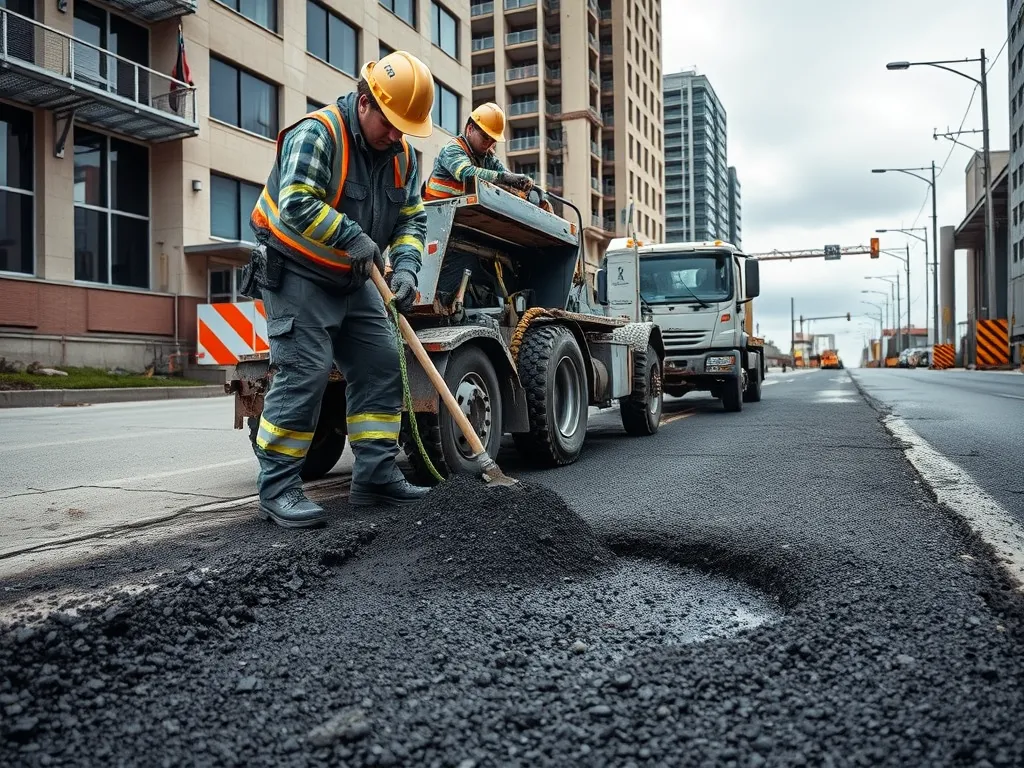
Cold mix asphalt fills potholes in minutes, even in rain or cold. Crews skip heating steps, using pre-made bags for 24/7 repairs. A 10 lb bag covers 1 sq ft at 2” depth, costing $5-$8 per bag. This keeps roads safe without lane closures.
Emergency Roadway Patches for Minimal Disruption
When pipes burst or sinkholes form, cold mix acts fast. It bonds at 40°F+, letting crews patch holes in 30 mins. Traffic flows within hours, not days. Cities save up to 40% vs hot mix for urgent fixes.
Temporary Pavements for Events and Construction Zones
Festivals or road work need short-term surfaces. Cold mix lays down in 2” layers, holds 3-6 months, then scoops up for reuse. Philly used 500 tons for a 3-day street fair, saving $12k vs concrete.
Bike Lane Construction and Maintenance
Smooth, crack-free bike paths matter. Cold mix fills ruts fast, with 3,500-4,000 PSI strength after compaction. Seattle added 15 miles of bike lanes last year using 80% recycled cold mix.
Pedestrian Walkway and Sidewalk Restoration
Uneven slabs trip walkers. Cold mix fills gaps at 1/4 the cost of full replacements. Its gritty texture cuts slips – key near schools. NYC fixed 2,300 sidewalk corners in 2023 with cold mix.
Traffic-calming Features Like Speed Bumps
Cities mold cold mix into speed bumps that last 2-3 years. A 6’ bump uses 300 lbs of mix, sets in 4 hours. Atlanta added 150 bumps in school zones using this method last fall.
Aesthetic Enhancements for Public Spaces
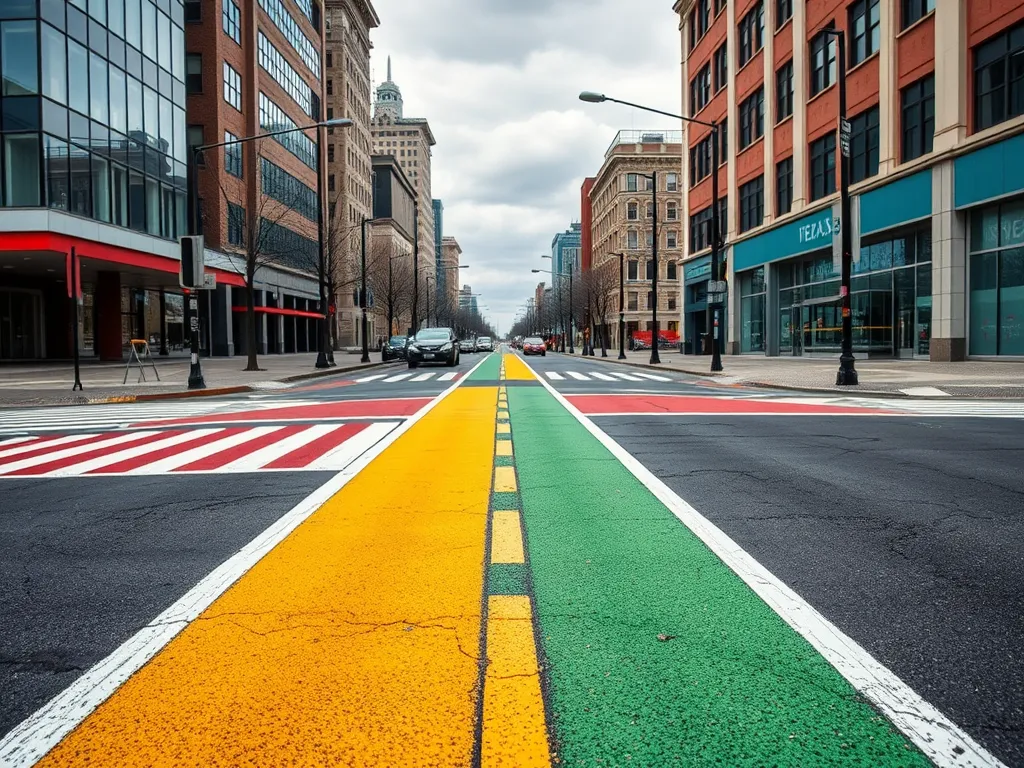
Mix in pigments for colored crosswalks or plaza designs. Red cold mix marks bus lanes in Chicago. Artists shape it into park path patterns. Costs drop 60% vs stained concrete.
These urban cold mix asphalt practices show how cities solve problems fast. Next, let’s explore why budgets and crews prefer this method over older options.
Advantages Of Cold Mix Asphalt in Urban Infrastructure
Cold mix asphalt brings unique benefits to city projects where speed, flexibility, and budget matter. Its role in urban infrastructure continues expanding due to performance in demanding settings.
Cost-efficiency for Municipal Budgets
Urban cold mix asphalt solutions lower material costs by 30-50% compared to hot mix. No heating during production cuts energy expenses, while bulk purchasing of PG 64-22 or emulsion-based mixes drives savings. Cities like Detroit reduced road maintenance spending by $1.2 million yearly using cold patches for pothole repairs.
Minimal Equipment and Labor Requirements
Cold mix asphalt city projects need only basic tools: shovels, tampers, or small compactors. Crews of two workers can fix potholes in 15 minutes—ideal for tight urban spaces. This eliminates the need for heavy rollers or hot-mix trucks, cutting equipment rental costs by up to 70%.
Immediate Traffic Readiness After Installation
Urban cold mix innovations allow traffic flow within 30 minutes post-installation. The binder’s high viscosity prevents shifting under tires once compacted. New York City uses polymer-modified cold mix for bus lane repairs, restoring service faster than traditional methods.
Year-round Application in Varied Climates
Specialized cold mix asphalt urban applications work in temperatures from -10°F to 120°F. Winter-grade blends with anti-stripping agents let Minneapolis fix roads during snowstorms. Summer formulations resist softening up to 140°F pavement temperatures, proven in Phoenix trials.
These benefits position cold mix as vital for modern cities—but proper techniques determine success. Next, we’ll explore how cities implement these solutions through targeted strategies.
Also See: Hot Mix Asphalt Performance Metrics: Key to Longevity
Practical Implementation Strategies
Effective deployment of cold mix asphalt in cities demands precise methods tailored to urban environments. Let’s break down critical steps for maximizing performance in street repairs and infrastructure projects.
Surface Preparation for Urban Road Repairs
Proper surface prep ensures lasting adhesion for cold mix asphalt city projects. Start by cleaning repair areas with wire brushes or air compressors to remove debris. Eliminate standing water – even small puddles weaken bonds. For deep potholes, apply a tack coat (emulsified asphalt) to vertical walls. Layer material in 2-inch lifts, allowing each to settle before adding more. This method works across temperatures from 35°F to 100°F, making it ideal for year-round urban cold mix asphalt solutions.
Compaction Techniques for Durable Results
Urban cold mix asphalt usage requires smart compaction. Use vibratory plates for small patches (under 10 sq ft) or dual-drum rollers for larger areas. Achieve 92-95% density (per ASTM D6925 standards) within 20 minutes of placement. For bike lanes or pedestrian walkways, apply 3-5 passes with a 1-ton roller. Test with nuclear density gauges – target 140-160 lbs per cubic foot. Properly compacted cold mix asphalt roads withstand urban bus traffic loads up to 12,000 lbs per axle.
Blending With Existing Asphalt Surfaces
Seamless integration defines innovative urban uses of cold mix asphalt. Feather edges at 15° angles using infrared heaters to soften existing pavement. Mix 10-15% recycled millings into new cold patch for color matching. In public spaces, apply polymer-modified binders to bridge thermal expansion gaps. Chicago’s 2023 Lawrence Avenue project demonstrated this approach, blending 22 tons of cold mix with aged pavement while maintaining 98% surface continuity.
While these strategies enhance cold mix asphalt urban infrastructure performance, material limitations still pose hurdles in high-stress environments. Next, we’ll examine how cities tackle durability concerns…
Challenges Of Cold Mix Asphalt in Cities
Urban cold mix asphalt solutions face unique hurdles in dense city settings. These issues shape how crews plan and apply mixes for urban infrastructure.
Durability Limits in High-traffic Zones
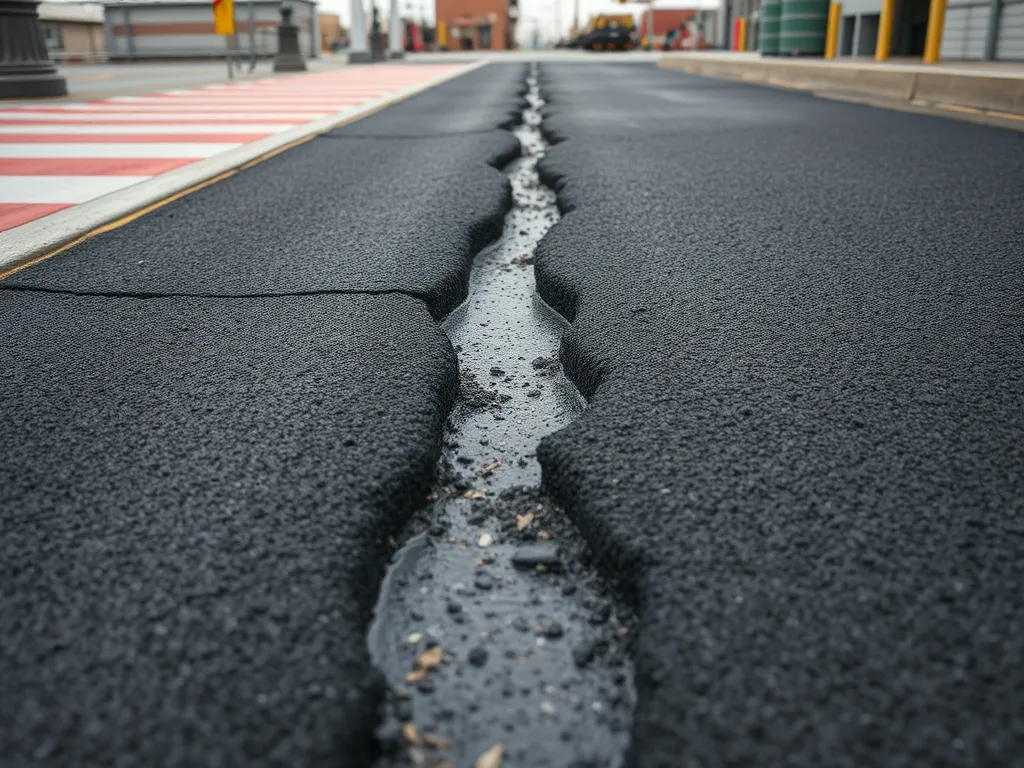
Cold mix asphalt roads in busy spots face fast wear. Bus lanes, truck routes, and cross-roads test its load power. While hot mix lasts 8-10 years, cold patches may need rework in 2-3 years. Heavy wheels cause cracks, rutting, or loose chunks. Cities like New York now blend polymer-modified binders to boost strength for urban cold mix asphalt usage.
Curing Time in Humid Climates
Moist air slows curing. Coastal hubs like Miami see 3-7 day set times vs 24 hours in dry zones. Slow cure risks wash-outs if rain hits too soon. Crews use quick-set additives or tack coats to cut delays. Data shows 40% longer road closures in humid zones without these tweaks.
Surface Texture Gaps
Hand-laid cold mix asphalt city patches often feel rough. Bike lanes need smooth rides, while walk paths need slip-proof grades. Uneven edges or loose stones pop up with manual fills. New roller tech (e.g., 2-ton vibratory plates) and graded stone sizes (3/8” max) now aid smooth blends with old pave.
Fixing these gaps calls for smart urban cold mix asphalt practices. Next, we break down steps to make each repair stick.
Frequently Asked Questions (FAQs)
What is the Primary Application Of Cold Mix Asphalt in Urban Areas?
Cold mix asphalt is primarily used for quick repairs of potholes, emergency roadway patches, and temporary pavements in urban settings. Its versatility allows for applications such as bike lane construction and restoration of pedestrian walkways, making it a valuable resource for city infrastructure.
Where is Cold Mix Asphalt Most Effective in City Projects?
Cold mix asphalt is particularly effective in areas that require rapid repair solutions, such as busy intersections, school zones, and event spaces that cannot afford long-term closures. Its ability to set quickly and provide temporary surfaces makes it ideal for various urban settings.
What Are the Key Drawbacks Of Cold Mix Asphalt?
While cold mix asphalt offers numerous benefits, it does have drawbacks. It generally lacks the durability of hot mix asphalt, particularly in high-traffic zones, and may require more frequent maintenance. Additionally, curing time can be extended in humid conditions, impacting project timelines.
How Does Cold Patch Asphalt Simplify Urban Repairs?
Cold patch asphalt simplifies urban repairs by eliminating the need for heating equipment, allowing for easy application with basic tools. Work crews can quickly and efficiently fill potholes or make repairs without extensive planning or preparation, minimizing traffic disruptions and downtime.
Closing Thoughts
Cold mix asphalt presents a versatile solution for urban infrastructure challenges. Its ability to facilitate rapid repairs, enhance pedestrian safety, and cater to temporary needs offers cities a practical approach to maintaining roadways and public spaces. From cost-efficiency to year-round application, cold mix asphalt proves invaluable, especially in areas facing budget constraints.
Despite some challenges, such as durability in high-traffic zones, urban planners can strategically implement cold mix asphalt for effective results. Employing proper techniques during installation and considering local conditions can mitigate these issues, making it a reliable choice for municipalities.
For more information on innovative asphalt solutions and tools, be sure to check out Asphalt Calculator USA.
Additional Resources for You:
- National Asphalt Pavement Association (NAPA, Industry Reports & Best Practices)
- 7 Different Types of Asphalt: Everything You Need to Know
- Cold Mix Paving – Vestal Asphalt – Vestal, NY
- Common Applications of Cold Mix Asphalt – Rua Seguridad
- ARCHIVED: Chapter 12 – 98042 – Recycling – Sustainability – Pavements – Federal Highway Administration

